




A High-Performance Glazing Solution for Modern Construction
Composition and Structural Design
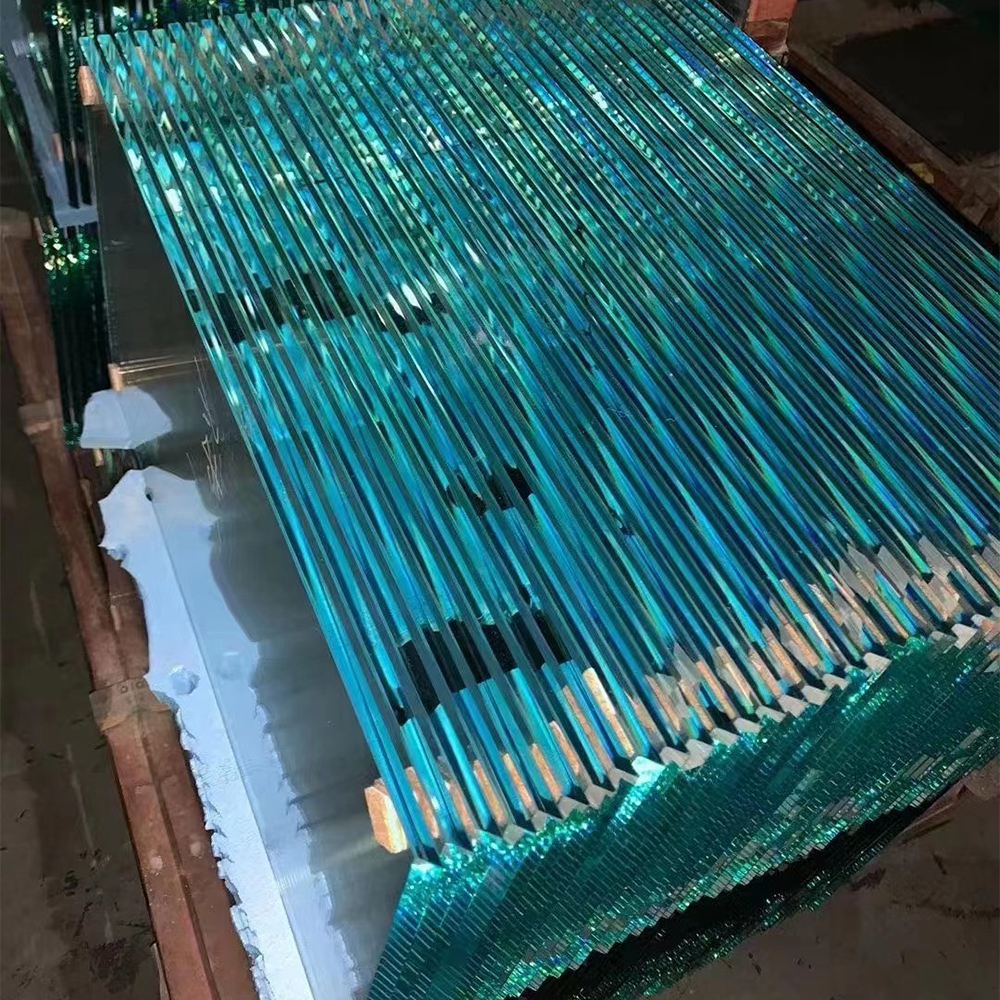
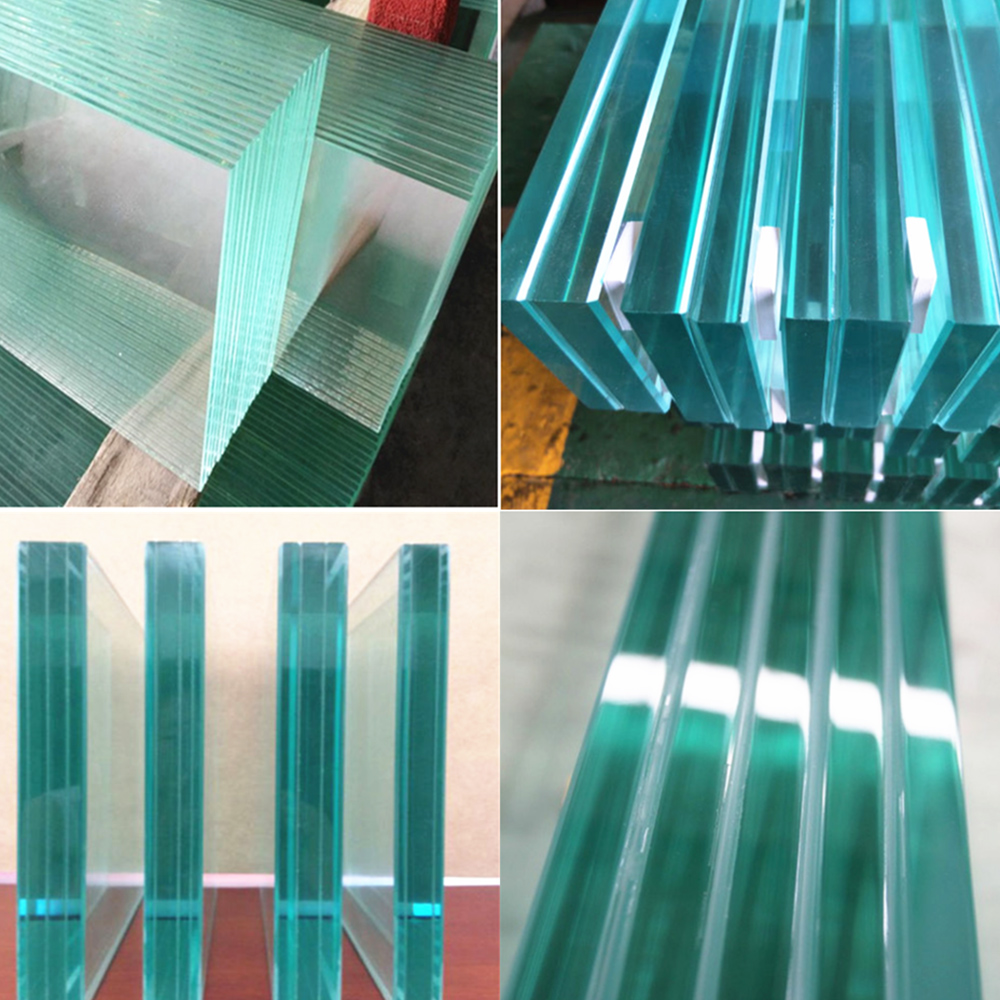
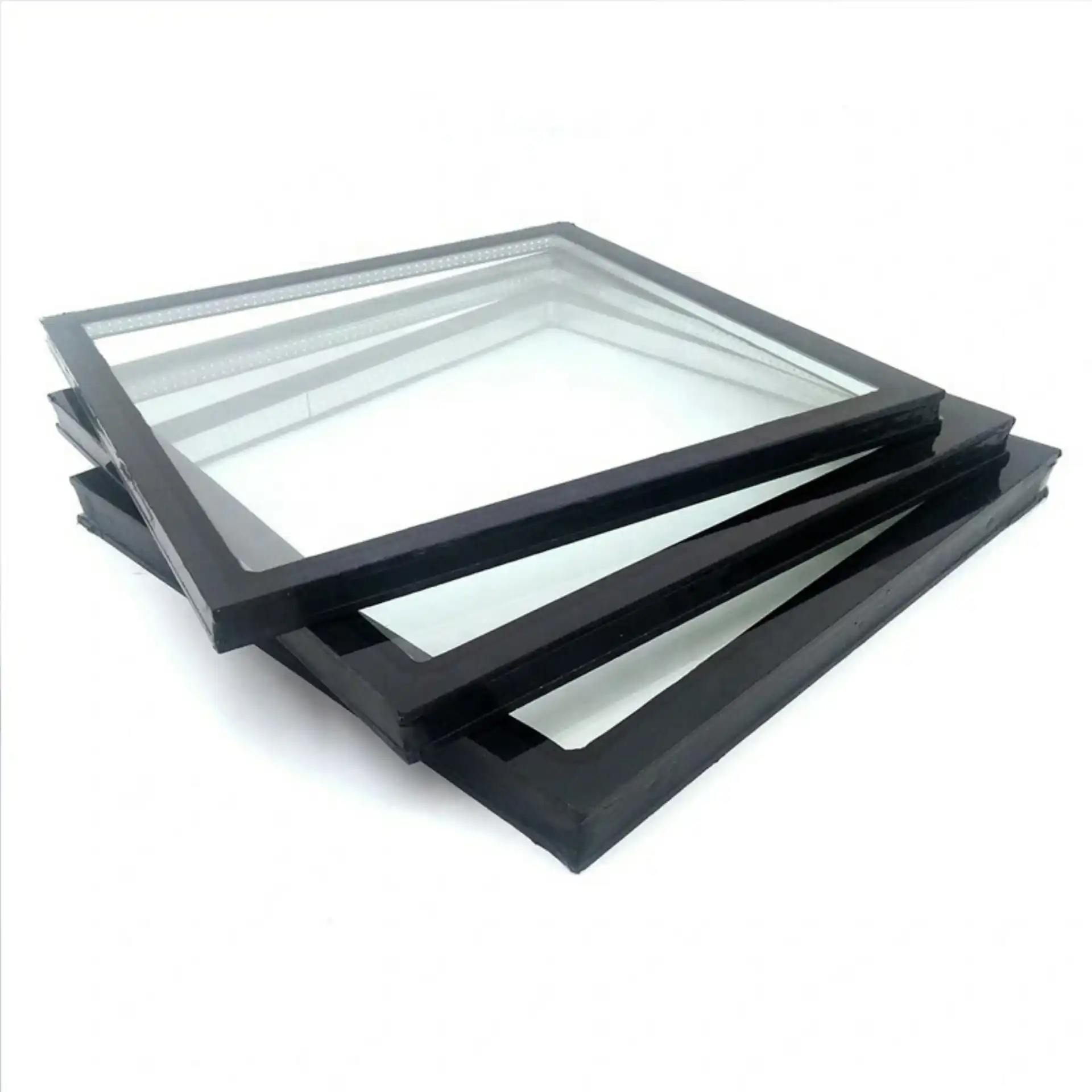
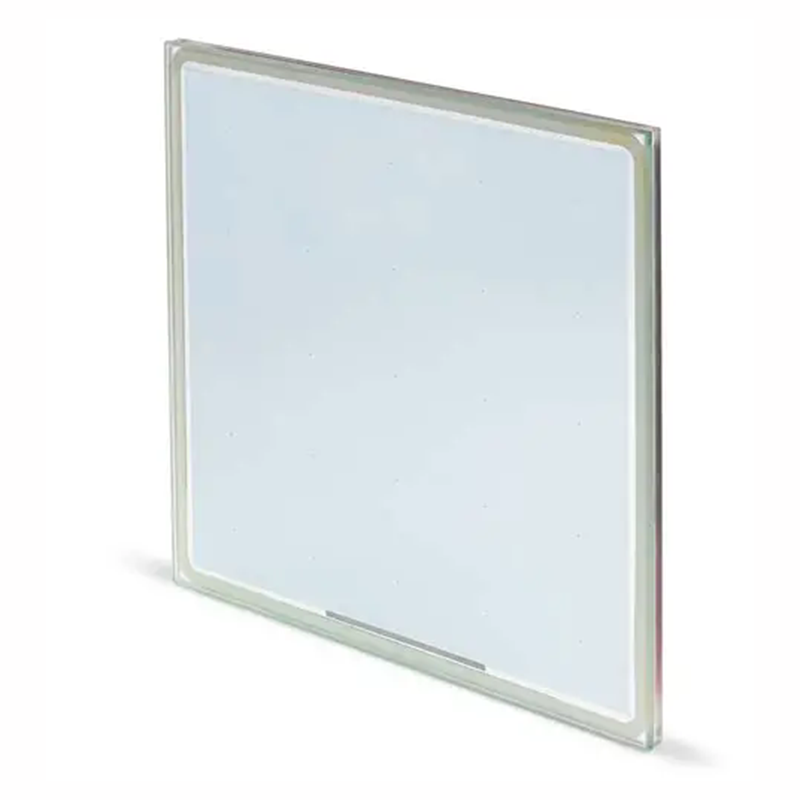
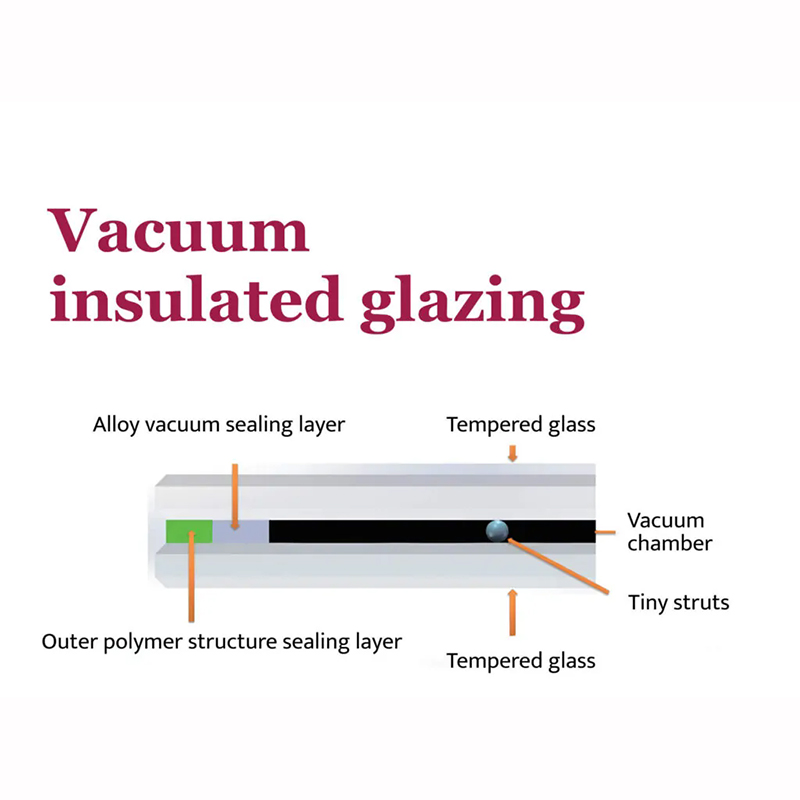
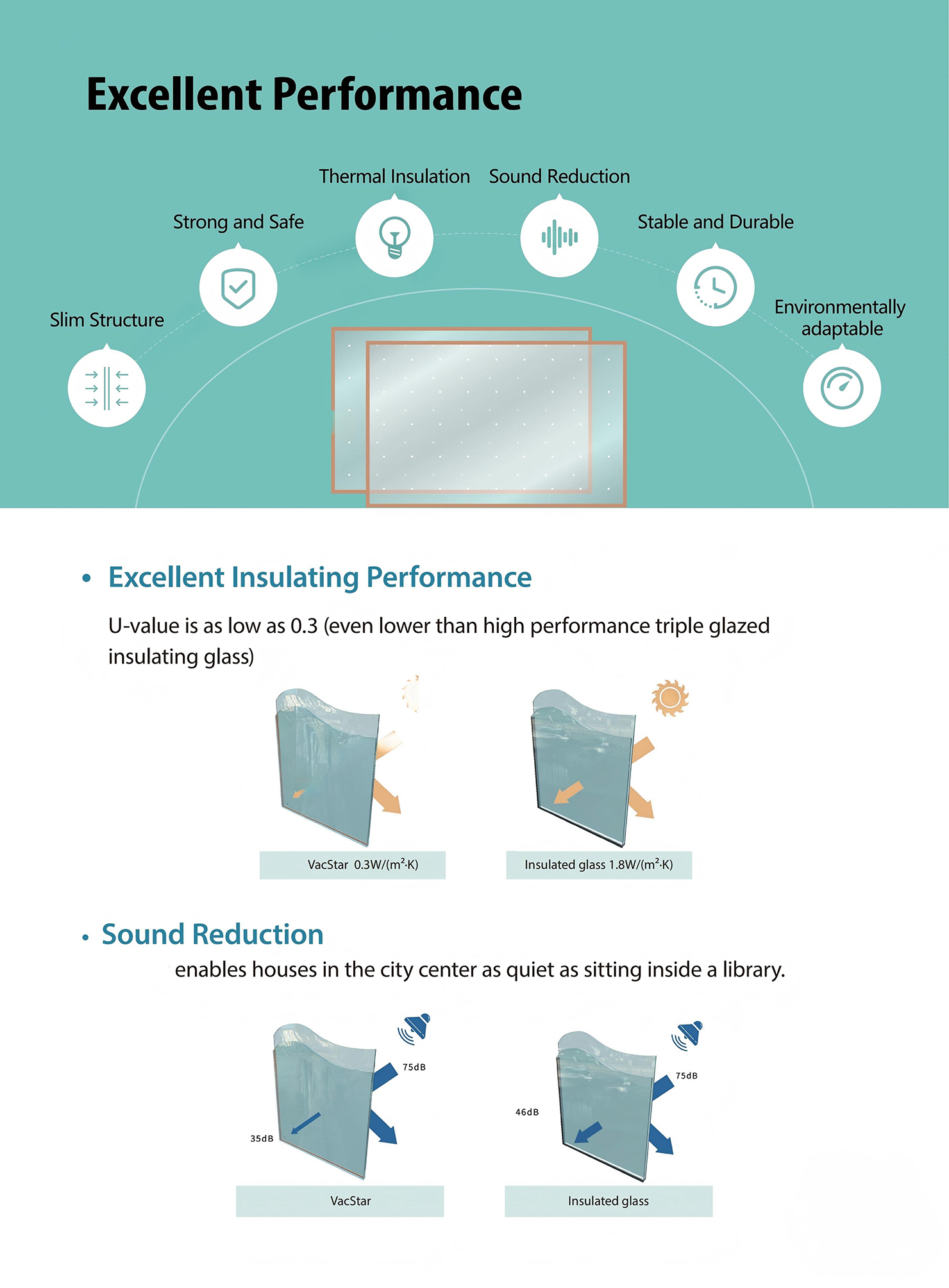
Vacuum glass is primarily composed of two flat glass panes, most commonly tempered safety glass for enhanced strength and impact resistance, with at least one pane coated with a low-emissivity (low-e) film to minimize radiant heat transfer. The two panes are separated by an extremely narrow gap, typically just 0.1 to 0.5 millimeters, which is fully evacuated to create a near-perfect vacuum with an internal air pressure lower than 0.1 Pa. To maintain structural stability and prevent the panes from collapsing under atmospheric pressure, tiny, evenly spaced support pillars made of high-strength stainless steel or ceramic are placed between the two glass layers. The edges are sealed with a durable, airtight non-leaded metal alloy sealant, and a built-in getter material is integrated to absorb residual gas molecules, preserving the vacuum state over the product’s long service life. This compact, precision-engineered structure sets it apart from bulkier traditional glazing systems.
Core Advantages Over Traditional Hollow Insulating Glass
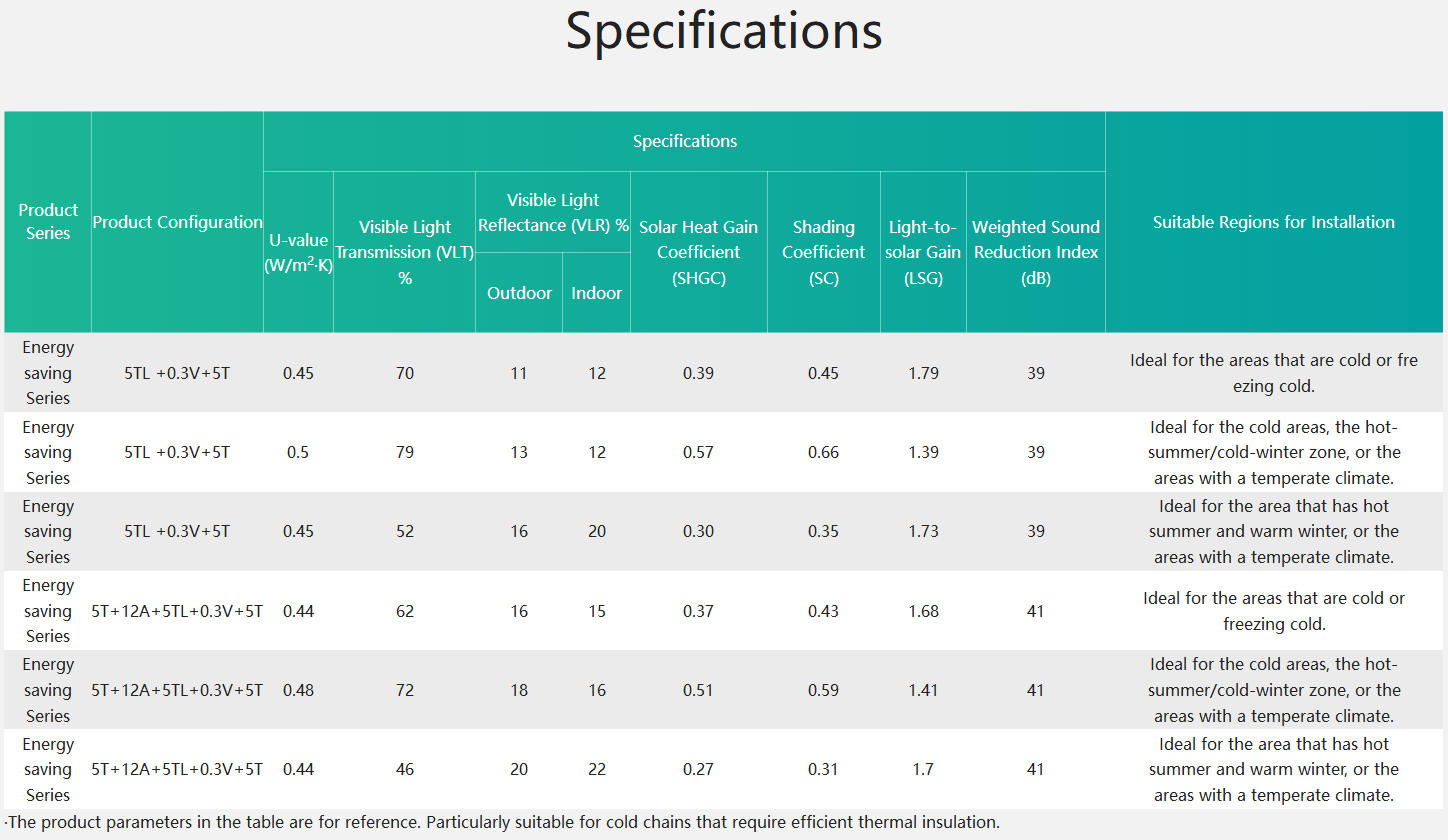
Traditional hollow insulating glass features a 9 to 24 mm gap filled with dry air or inert gas like argon, which still allows moderate heat conduction and convection. In contrast, vacuum glass eliminates nearly all gas-mediated heat transfer, making its thermal insulation performance 2 to 4 times higher than standard double-pane hollow glass. It boasts an ultra-low thermal transmittance (U-value) as low as 0.5 W/m²K, drastically reducing heat loss in winter and heat gain in summer, cutting heating and cooling energy consumption by up to 60% compared to single-pane glass.
Beyond thermal efficiency, vacuum glass offers superior sound insulation, with a sound reduction index reaching 37 to 42 dB, far higher than the 25 to 30 dB of standard insulated glass, effectively blocking outdoor noise and creating quiet indoor spaces. Its slim profile—only 6 to 10 mm in total thickness—makes it lightweight and space-saving, ideal for retrofitting old windows and fitting into narrow window frames without compromising structural design. Additionally, the vacuum layer prevents condensation and frost even in extremely low temperatures, eliminating moisture buildup and maintaining clear visibility year-round.
Wide Application Scope
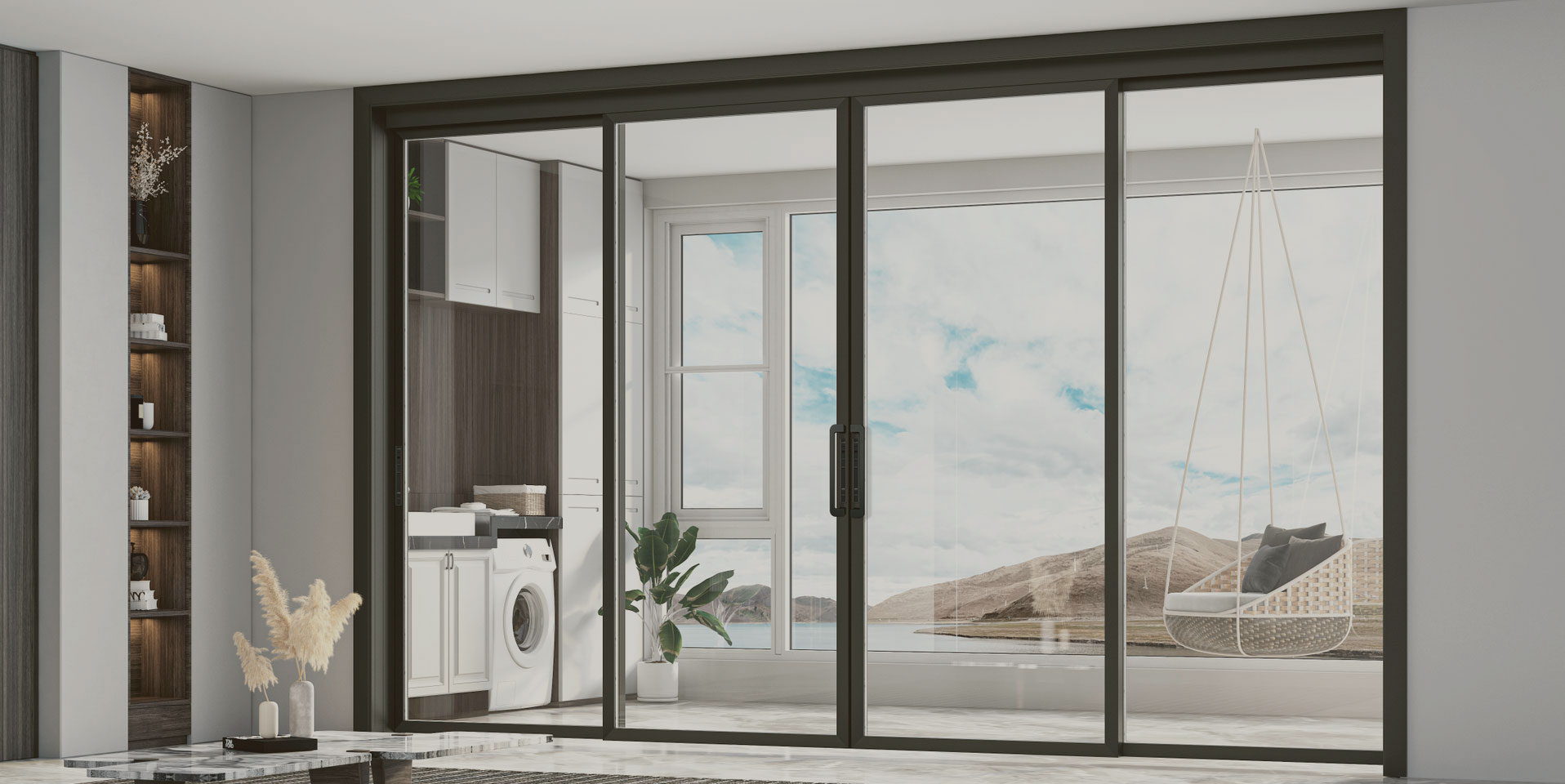
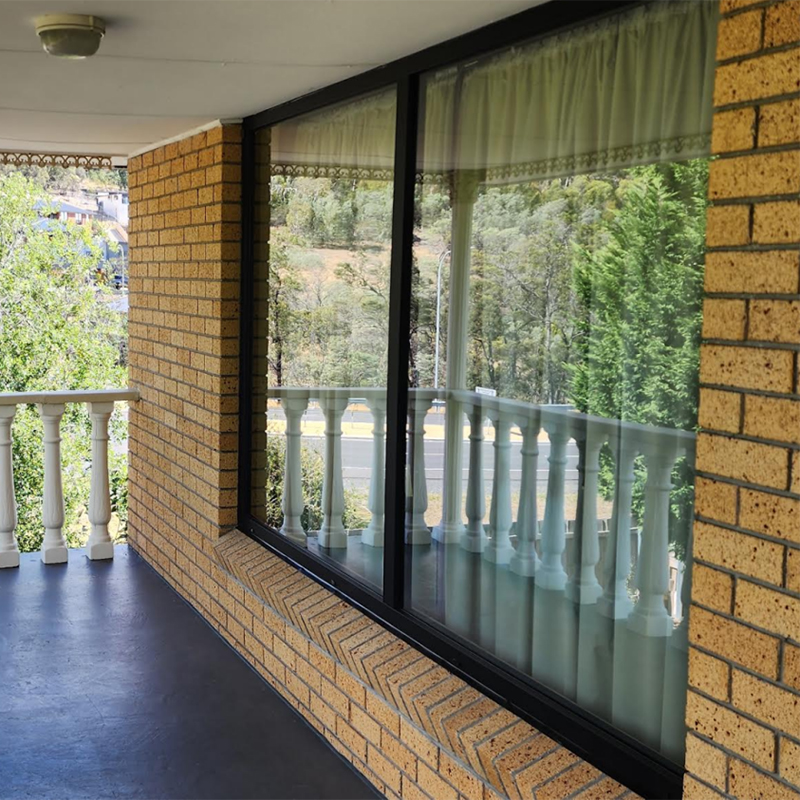
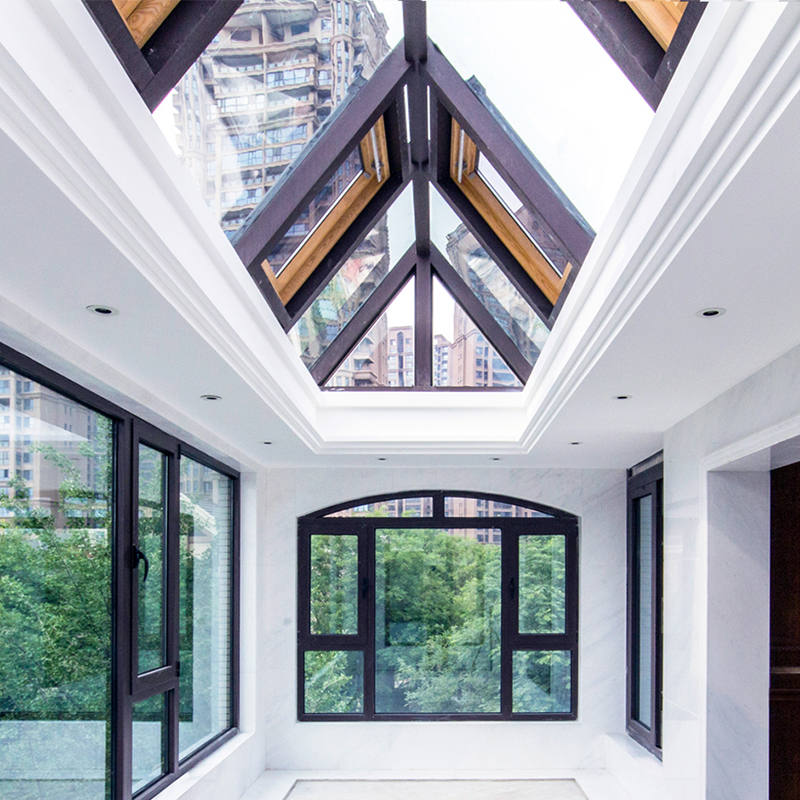
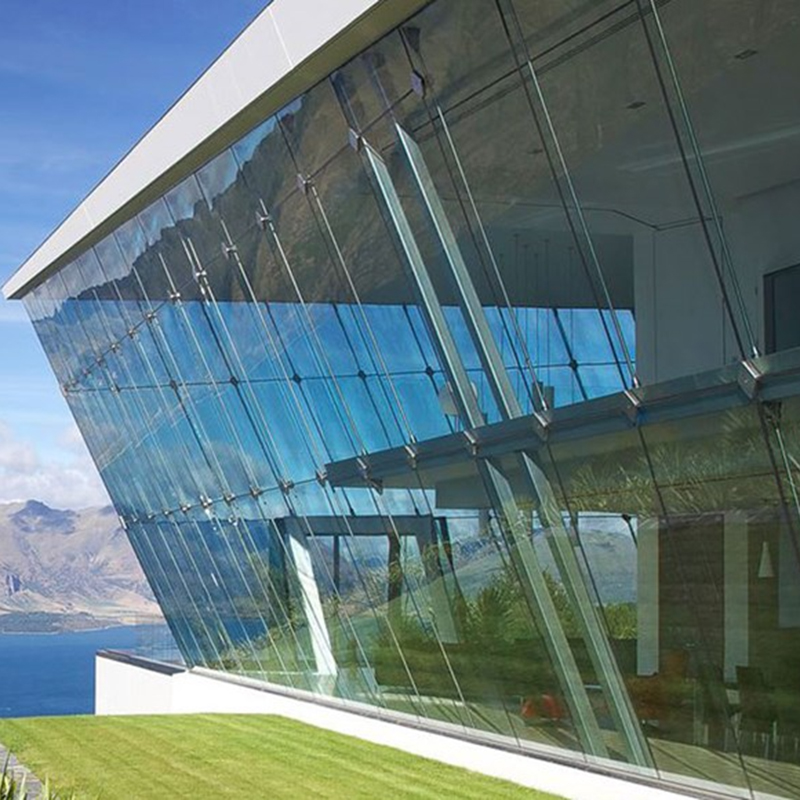
Vacuum glass’s exceptional performance and versatility make it suitable for a broad range of applications. It is widely used in high-rise residential buildings, passive houses, and zero-energy consumption buildings to meet strict green building standards. In commercial construction, it is a preferred choice for office towers, shopping malls, hotels, and exhibition centers, enhancing facade aesthetics while boosting energy efficiency. It also excels in special environments such as cold-chain storage facilities, soundproof studios, hospitals, and high-speed rail and automotive windows, where superior insulation and noise reduction are critical. Furthermore, its slim design makes it perfect for heritage building restoration, preserving historical appearances while upgrading insulation performance without altering original window structures.
In conclusion, vacuum glass represents a major advancement in glazing technology, combining unparalleled thermal and acoustic insulation with a lightweight, durable design. As global demand for sustainable building materials rises, vacuum glass will continue to replace traditional hollow glass as a core glazing solution for eco-friendly, high-performance modern construction.