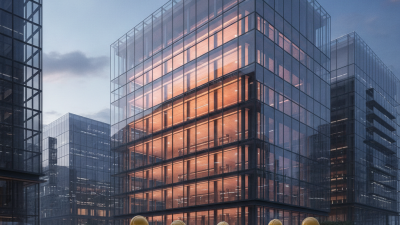
The fireproof glass industry is really changing fast, and if you ask me, 2026 looks set to bring some pretty exciting shifts. A recent report from Global Market Insights suggests that this market will grow at a compound annual growth rate of over 7% in the next few years. That’s a big deal, and honestly, it’s mostly because there's a growing demand for safety in both commercial and residential buildings. Experts like Dr. Emily Carter from Fire Safety Innovations keep emphasizing how crucial quality is in this space—she points out that investing in high-quality fireproof glass isn’t just about safety, it’s about making sure it lasts, period.
Manufacturers are gonna have to keep up with these trends. More and more, clients are asking for custom designs that fit their specific project needs—so being able to offer tailored solutions is key. Plus, many companies are stepping up their game by using tougher, more resilient materials, which only heats up the competition. That said, some manufacturers are still a bit behind when it comes to adopting the latest tech, and there are definitely worries about balancing high standards with ramping up production.
As the industry matures, there are still some hurdles to clear. Not every company puts the same emphasis on quality, which can lead to inconsistencies in the market. Building solid relationships with ODM partners is becoming more important than ever. Looking ahead, the future of fireproof glass isn’t just about coming up with innovative tech—it's really about making sure every product meets tight safety standards. The road forward isn’t smooth, but honestly, for those who are willing to put in the effort to understand its ins and outs, it’s full of potential.
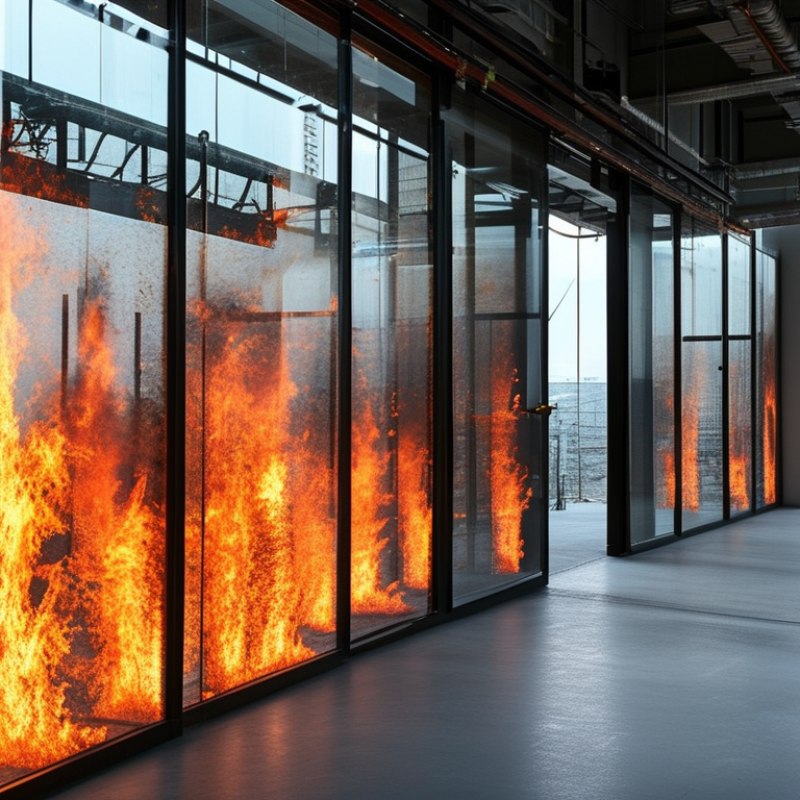
2026 Overview of ODM Custom Fireproof Glass Industry Trends
The ODM custom fireproof glass industry is experiencing significant shifts as the demand for safety and durability rises. According to a recent market analysis by industry experts, the global market for fireproof glass is expected to grow at a compound annual growth rate (CAGR) of 4.5% from 2022 to 2026. This growth is driven by stringent regulations requiring enhanced fire safety measures across commercial and residential sectors.
One emerging trend is the increased use of Glass Tempered Glass in construction projects. This type of glass provides superior strength and safety, making it a preferred choice for many architects and builders. Industry data indicates that approximately 30% of new projects incorporate tempered glass solutions, reflecting a shift toward more resilient building materials. However, challenges remain, such as high production costs and fluctuating raw material prices, which can affect profit margins.
Moreover, customization in fireproof glass options is becoming crucial. Clients demand specific sizes, shapes, and finishes, creating a need for ODM manufacturers to adapt quickly. Research highlights that customization requests have risen by 25% since 2021, showcasing a market geared towards personalization. As the industry evolves, remaining agile and responsive to these changes will be vital for standing out in a competitive landscape.
Key Factors Driving Demand for Fireproof Glass in 2026
The demand for fireproof glass is on the rise as we approach 2026. Increased awareness of fire safety is a key driver. More industries are recognizing the importance of protecting lives and assets. This growing trend is evident in construction, transportation, and industrial sectors. Companies are prioritizing safety measures, leading to investments in high-quality fireproof materials.
Innovation plays a significant role in this market. Recently developed fireproof glass technologies enhance durability and heat resistance. The demand for energy-efficient structures is also pushing the need for specialized products. Fireproof glass not only offers protection but can also improve insulation. These dual benefits attract more customers who prioritize safety and energy savings.
The regulatory landscape is evolving. Stricter building codes and safety regulations are fueling the market. Businesses must comply with these regulations to avoid fines. This situation creates opportunities for manufacturers of fireproof glass. However, companies may struggle to keep up with the demand and requirements. Finding reliable suppliers and materials can pose challenges. Balancing innovation with compliance is essential for success in this growing market.
Leading ODM Exporters in the Fireproof Glass Market
The fireproof glass market is rapidly evolving. Leading ODM exporters are shaping trends in this niche segment. They focus on quality and innovation. The demand for durable glass solutions is growing, especially in construction. Fire-resistant glass provides safety and enhances aesthetic appeal. Exporters emphasize on R&D to develop cutting-edge products, such as Ar Glass.
Many companies are expanding their reach globally. They adapt to local regulations and market needs. This flexibility is vital in maintaining a competitive edge. However, not all ODM exporters meet these high standards. Some prioritize cost over quality, which may lead to inferior products. This inconsistency in product offerings can create trust issues among buyers.
Collaboration with experts ensures a better understanding of materials. Training staff and investing in technology can enhance product quality. Nonetheless, there are challenges. Not all innovations translate into market success. Some products might not perform well in real-world conditions. This calls for continuous feedback and improvement. The market's unpredictable nature demands vigilance and adaptability from all players involved.
2026 Top ODM Custom Fireproof Glass Exporter Trends and Insights
| Exporter Region |
Total Market Share (%) |
Growth Rate (%) |
Major Export Markets |
Key Trends |
| North America |
30 |
5 |
USA, Canada |
Increased demand for safety standards |
| Europe |
25 |
6 |
Germany, UK, France |
Focus on energy-efficient buildings |
| Asia-Pacific |
35 |
7 |
China, Japan, Australia |
Rapid urbanization and construction growth |
| Latin America |
5 |
3 |
Brazil, Argentina |
Emerging construction projects |
| Middle East & Africa |
5 |
4 |
UAE, South Africa |
Government building initiatives |
Innovations in Fireproof Glass Technology and Design
Innovations in fireproof glass technology are shaping the future of architectural design. Recent studies indicate that the market for fire-resistant glass is projected to grow by 7.2% annually from 2023 to 2028. This growth is driven by the increasing need for safety in urban spaces. Advanced technologies such as intumescent coatings and the use of specialty materials enhance fire resistance while maintaining transparency.
One of the key challenges in this sector is balancing aesthetics with functionality. Designers often seek to incorporate fireproof glass, like Ag Glass, into buildings without compromising style. The integration of smart glass technology is also on the rise. This technology can change properties on demand, offering both privacy and fire protection. Yet, the cost and technical complexity of these innovations raise questions about widespread adoption.
The industry is also facing issues regarding environmental sustainability. Many fireproof glass products contain materials that may not be eco-friendly. As regulations become stricter, manufacturers must innovate. They need to ensure that new designs meet both safety and environmental criteria. The path forward will require collaboration between engineers, architects, and manufacturers to create solutions that prioritize safety without sacrificing form.
Market Challenges Faced by ODM Custom Fireproof Glass Exporters
The ODM custom fireproof glass market faces significant challenges. Increasing safety regulations shape this sector. As per a recent report from MarketsandMarkets, the global fire-resistant glass market is projected to reach $5.89 billion by 2026, with a CAGR of 6.2%. However, maintaining compliance can be tricky for exporters. The need for ongoing certification and testing is essential but often costly and time-consuming.
Another challenge is fierce competition among global manufacturers. Many new entrants offer attractive pricing, which undermines profit margins. A study from ResearchAndMarkets highlights that established players may struggle to maintain market share without innovation. They must focus on product differentiation and superior customer service. This requires a careful balance of quality and efficiency.
**Tip:** Stay updated with industry standards. Regular training for teams can enhance compliance and reduce errors. Understanding local market demands also aids in strategic decision-making. Ultimately, continuous innovation will be key to navigating these challenges effectively.
Sustainability Practices Among Fireproof Glass Manufacturers
Sustainability practices are becoming essential in the fireproof glass industry. Many manufacturers are focusing on eco-friendly materials. This shift is necessary due to growing environmental concerns. Companies are now prioritizing the use of recycled glass. This can minimize waste and reduce energy usage. Yet, not all manufacturers follow this trend, leading to inconsistencies in the market.
Fireproof glass products often involve complex processes. Manufacturers must balance quality with sustainability. Some companies struggle to achieve both. While certain products are made from renewable resources, not every option meets rigorous standards. It's vital to assess the performance of these products. Glass Fin, for instance, emphasizes safety while exploring green solutions. This attention to detail is crucial for improving environmental impact.
Ongoing education in sustainable practices is critical. Many manufacturers lack knowledge about eco-friendly options. Training programs could address gaps in expertise. As the industry evolves, a deeper understanding of materials is necessary. Companies must strive for transparency in their sustainability claims. This can build trust with customers who seek reliable, safe fireproof glass products.
Future Projections for Fireproof Glass Market Growth and Development
The fireproof glass market is projected to grow significantly by 2026. According to industry reports, this market could expand at a compound annual growth rate (CAGR) of over 7%. Rapid urbanization and a focus on safety are key drivers behind this trend. More builders are opting for fireproof glass to meet safety regulations. The need for reliable products is paramount; hence, manufacturers must prioritize quality.
Tips: Research various fire resistance ratings to choose the best product for your needs. Ensure that the chosen glass meets local building codes.
Emerging technologies are also shaping the fireproof glass landscape. Innovations in materials lead to stronger, lighter solutions. Future developments may include self-extinguishing properties, which could change safety standards. Yet, challenges remain. Not all manufacturers can keep up with technological advancements. This gap can lead to inconsistency in product quality and performance.
Tips: Stay updated on technological trends to remain competitive. Consider partnerships with innovative firms for better solutions.
2026 Top ODM Custom Fireproof Glass Exporter Trends
This chart illustrates the projected growth trends of the fireproof glass market from 2023 to 2026. The data reflects significant market drivers such as increasing safety regulations, rising demand in construction, and advancements in manufacturing technologies.
Exploring the Market Potential of Color-Changing Decorative Glass: Insights from Recent Industry Reports and Consumer Trends
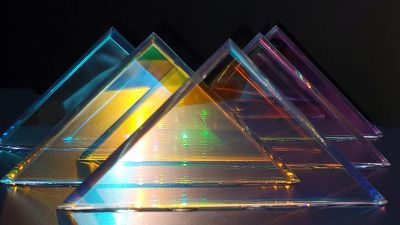
The decorative glass market is experiencing a dynamic shift with the introduction of dichroic glass, a novel product that captures attention with its captivating color-changing properties. This unique glass offers a stunning visual experience, revealing different shades and hues, such as blue, green, orange, and purple, depending on the viewer's angle and the lighting conditions. This ability to transform colors under sunlight or artificial illumination makes dichroic glass an appealing choice for both residential and commercial decorative applications.
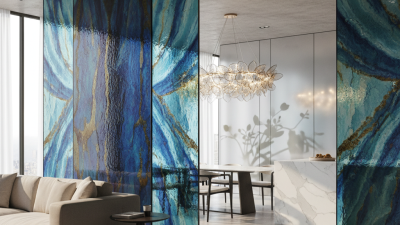
Recent industry reports highlight a growing consumer interest in innovative home décor solutions, and dichroic glass fits this trend perfectly. Its mesmerizing aesthetic not only enhances the visual appeal of spaces but also sparks curiosity and engagement. As homeowners and interior designers seek to create dynamic atmospheres, the versatility of dichroic glass allows it to be used in various settings, from elegant home interiors to eye-catching art installations. With this increased consumer awareness and demand, the market potential for color-changing decorative glass appears promising, positioning it as a vital player in the future of decorative elements.
FAQS
: The growth is driven by rising demand for safety and durability, alongside strict safety regulations.
The market is expected to grow at a compound annual growth rate of 4.5% from 2022 to 2026.
There’s an increasing trend of using tempered glass due to its superior strength and safety features.
Companies face challenges from regulatory compliance, high production costs, and fierce competition from new entrants.
Customization requests for specific sizes and shapes have risen by 25% since 2021, highlighting a shift toward personalized solutions.
Many manufacturers are now focusing on using eco-friendly and recycled materials to reduce waste and energy usage.
Ongoing education helps manufacturers stay updated on eco-friendly practices and improve the quality of their products.
Balancing quality with sustainability can be difficult, as not all products meet the necessary rigorous standards.
By assessing their product performance and striving for transparency in their sustainability claims, manufacturers can build customer trust.
Companies should focus on continuous innovation, quality, and superior customer service to maintain market share.
Conclusion
The 2026 landscape for ODM custom fireproof glass indicates a dynamic shift influenced by several key factors. The growing construction market, coupled with evolving safety regulations, is driving demand for advanced fireproof glass solutions. Leading exporters are focusing on innovative technologies and designs to enhance product performance while addressing the rising need for sustainable practices in manufacturing. However, these ODM custom fireproof glass exporters face challenges such as fierce competition and fluctuating raw material costs.
Moreover, advancements in fireproof glass technology are paving the way for more efficient and aesthetically pleasing products, which could attract a wider range of customers. Future projections suggest robust growth for the fireproof glass market as companies continue to innovate and adapt to changing consumer preferences and regulatory demands, ensuring that fireproof glass remains a critical component in enhancing fire safety across various sectors.



 1Durch die gruppenweite Einführung und Harmonisierung unseres integrierten Managementsystems (IMS) werden alle bestehenden Unternehmens-, Qualitäts-, Umwelt- und Energiepolitiken durch diese Unternehmenspolitik ersetzt. Der Slogan „Textil hat Zukunft – auch in De