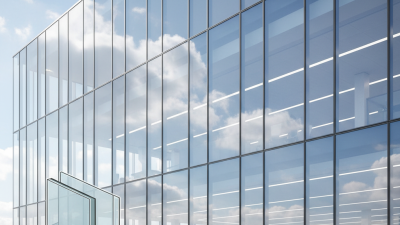
As the need for energy-efficient solutions keeps growing, the Insulate Glass industry is moving pretty quickly. Industry expert Dr. Michael Taylor from Glass Innovations Ltd. put it simply, saying, "Insulate Glass is truly the future of sustainable architecture." That really highlights just how crucial insulation has become in modern building design.
Looking ahead to 2026, folks all around the world can expect some pretty exciting advancements in Insulate Glass tech. Things like better thermal performance and improved sound insulation are shaping what’s coming next. We’re also seeing cool innovations like smart coatings and dynamic glazing options that aren't just eye-catching—they actually make your spaces more comfortable and help save energy.
But, it’s not all smooth sailing. Manufacturers still have to figure out how to keep production costs down while sticking to tough environmental standards. Plus, making sure these glass products last and stay durable over time is a big deal. For anyone looking to buy, it’s really important to base decisions on solid info and trustworthy data. As the industry evolves, the drive for excellence in Insulate Glass keeps going—balancing cutting-edge innovation with sustainability. It’s an exciting time to watch this space grow!
Emerging Technologies in Insulated Glass for 2026
The insulated glass industry is transforming with emerging technologies set to dominate in 2026. One notable trend is the development of triple glazing. This technology uses three layers of glass, enhancing thermal efficiency significantly. As energy prices rise, consumers seek better insulating options. Triple glazing can meet this need by providing superior performance compared to traditional double-glazing systems.
Another exciting innovation is the use of vacuum-insulated glass (VIG). This product features a vacuum space between glass panes, reducing heat transfer dramatically. VIG is thinner and lighter than standard insulated glass, making it ideal for modern architectural designs. However, production remains challenging, impacting accessibility. As the technology matures, improved manufacturing processes may alleviate these issues.
Smart glazing technologies also play a crucial role. These include electrochromic and thermochromic glass options that change their properties with temperature and light. Although they offer great potential, consumer trust remains a hurdle. Convincing buyers to invest in these technologies requires education on long-term benefits and cost savings. As these innovations evolve, ensuring reliability and performance will be vital for market acceptance.
Eco-Friendly Materials in Insulated Glass Production
In recent years, the trend towards eco-friendly materials in insulated glass production has gained momentum. Buyers are increasingly aware of sustainability, focusing on the materials used in construction. Innovations in the production process are making it easier to choose greener options, like using recycled materials in glass production. This shift not only reduces waste but also enhances energy efficiency. The importance of using Glass Tempered Glass is becoming clear, as it offers durability and thermal performance.
Tips for choosing eco-friendly insulated glass: Look for manufacturers that provide transparent sourcing of materials. Verify if they use recycled glass, which minimizes environmental impact. Additionally, consider the overall lifecycle of the product. Eco-friendly glass should not only be produced sustainably but should also be recyclable at the end of its life.
Another consideration is the insulating properties of different glass types. The best options combine thermal insulation with low energy consumption during production. Do not overlook how different coatings affect energy efficiency. Not every product labeled ‘eco-friendly’ meets high standards. Always seek certifications that prove a product's efficacy. Adopting these practices during your purchasing process can lead to a more sustainable future.
Trends in Energy Efficiency Standards for Insulated Glass
In recent years, energy efficiency standards for insulated glass have gained significant traction. The global push towards sustainability has influenced design and manufacturing practices. Reports indicate that energy-efficient insulated glass can reduce heating and cooling costs by up to 30%. This is a compelling statistic for buyers focused on long-term savings.
The adoption of triple-glazing technology is on the rise. It not only improves energy efficiency but also enhances sound insulation. As more consumers prioritize comfort and sustainability, manufacturers are investing in advanced materials. For example, Ar Glass has emerged as a popular choice due to its ability to reflect heat while allowing natural light to penetrate.
Despite these advancements, challenges remain. The cost of implementing high-performance insulated glass can be a barrier. Additionally, not all manufacturers meet the growing energy efficiency standards. It's essential for buyers to assess certifications carefully. As the market evolves, understanding these trends is crucial for making informed decisions.
2026 Top Insulate Glass Trends for Global Buyers
| Trend |
Description |
Impact on Energy Efficiency |
Estimated Market Growth |
| Triple Glazing |
Increased thermal insulation with three layers of glass. |
Enhances energy savings by up to 50% in colder climates. |
20% annual growth forecast. |
| Low-E Coatings |
Reflects heat to maintain indoor temperatures. |
Significantly reduces heating and cooling costs. |
15% annual market increase. |
| Vacuum Insulated Glazing |
Ultra-thin glazing option with excellent thermal performance. |
Reduces thermal loss significantly compared to traditional glass. |
25% annual growth expectation. |
| Smart Glass |
Glass that can change its properties with applied voltage. |
Provides control over solar gain, improving energy efficiency. |
30% annual growth forecast. |
| Recyclable Materials |
Use of sustainable materials in manufacturing insulated glass. |
Supports energy efficiency efforts and reduces waste. |
10% market growth projected. |
Innovations in Insulated Glass Design and Aesthetics
The world of insulated glass is evolving. Innovations in design and aesthetics are shaping the future of architecture. A recent industry report predicts the insulated glass market will grow by 8% annually through 2026. Designers and architects are increasingly incorporating thermal performance and aesthetics into their projects.
One key trend is the use of larger glass panels. These panels provide ample natural light, creating more open, inviting spaces. However, larger panels also demand more energy-efficient solutions to maintain performance. In an era where sustainability matters, designers are focusing on low-emissivity coatings. These coatings protect against heat loss, offering better insulation without sacrificing beauty.
Tips: Consider how the color of your insulated glass can impact energy efficiency. Darker shades absorb heat, while lighter colors reflect it. This simple choice can influence not only aesthetics but also energy costs.
Another trend is customizable glass shapes. With advancements in manufacturing, bespoke designs are becoming more feasible. This flexibility allows for unique architectural expressions. However, designers must balance creativity with functional requirements. Failure to do so can compromise the integrity of the structure.
Tips: Always consult an expert before selecting customized shapes to ensure they meet efficiency standards. A beautiful design is futile if it leads to energy inefficiencies.
The Role of Smart Glass in Modern Insulated Solutions
Smart glass is transforming the landscape of insulated solutions. It offers advanced insulation properties while providing versatility in design. Buyers are increasingly drawn to this technology for sustainable building practices. Smart glass can adjust its transparency, maximizing natural light while minimizing energy loss. This adaptability is essential for modern architecture.
Ag Glass is one of the forefronts in this innovation. It enhances energy efficiency by reducing heating and cooling demands. Users often find a noticeable decrease in energy bills. However, implementing smart glass solutions poses challenges. The upfront investment can be significant. Not every project may justify the costs involved.
Moreover, not all smart glass products perform equally well. Variability in performance can confuse buyers. Understanding the specifications and certifications is critical. Educated decisions can mitigate potential downsides. As the market evolves, continuous research and development in smart glass technology are vital. This ensures buyers keep pace with emerging trends and make informed choices.
2026 Top Insulate Glass Trends for Global Buyers
The bar chart above illustrates the market interest in various types of insulated glass for the year 2026. Smart glass leads the trends with 45% interest, reflecting its growing popularity in modern building designs. Other types like Low-E glass and Triple Glazing also show significant interest among global buyers, highlighting the importance of energy efficiency and innovative features in modern insulated solutions.
Global Market Insights: Demand for Insulated Glass Products
In today's global market, the demand for insulated glass products is rising. Homeowners and builders seek more energy-efficient solutions. Insulated glass helps maintain indoor temperatures, reducing energy costs. This is particularly important as energy prices fluctuate. The use of modern technologies enhances the insulation properties of these products.
One interesting trend is the increasing popularity of triple-glazed units. They provide better thermal performance than double-glazed types. As energy efficiency becomes a priority, builders are turning to these innovative solutions. Additionally, the emergence of eco-friendly materials in glass production has gained traction. Buyers are interested in sustainable options that offer excellent insulation without compromising on performance.
Nevertheless, not all products meet the high expectations of consumers. There are challenges regarding installation quality and durability. Misalignment in frames can affect the performance of insulated glass. Buyers must ensure they choose reputable suppliers and installers. It’s crucial to consider products beyond just aesthetic appeal. Solutions like the Glass Fin can provide needed stability and reinforce the efficiency of insulated glass installations. Understanding these dynamics can help buyers make informed decisions.
Future Challenges and Opportunities in Insulated Glass Industry
The insulated glass industry faces both challenges and opportunities ahead of 2026. According to a recent report by Grand View Research, the global insulated glass market is expected to reach $67.2 billion by 2028, growing at a CAGR of 6.9%. This growth is driven by rising energy efficiency demands and sustainability trends. However, as the market expands, so do issues like supply chain inconsistencies and fluctuating raw material costs.
A significant challenge is the need for innovation. Companies must adapt their products to meet strict eco-friendly standards. The shift towards low-emissivity (Low-E) glass reflects how manufacturers are responding to environmental concerns. Furthermore, the integration of smart glass technology is becoming crucial, with industry analysts noting that smart glass could account for as much as 20% of the insulated glass market by 2026.
Tip: Focus on research and development. Investing in new technologies can give companies a competitive edge. Developing energy-efficient products will likely improve market position. A proactive approach is essential for navigating potential market disruptions. This focus could pave the way for future growth, pushing companies ahead of competitors.
FAQS
: Energy-efficient insulated glass can reduce heating and cooling costs by up to 30%. This helps buyers save money.
Triple-glazing improves energy efficiency and sound insulation. Many consumers prioritize comfort while being eco-friendly.
Smart glass adjusts transparency, maximizing natural light and minimizing energy loss. It offers versatility in modern designs.
Yes, the upfront investment can be high. Not every project will justify the costs associated with smart glass.
Demand is rising as homeowners seek more energy-efficient solutions. Insulated glass helps maintain indoor temperatures.
Buyers must assess installation quality and durability. Misalignment in frames can affect performance significantly.
Not all manufacturers meet energy efficiency standards. Certifications ensure products perform as promised.
Some products do not meet consumer expectations. There are challenges in durability and performance consistency.
Conduct thorough research, and choose reputable suppliers. Look beyond aesthetics to ensure stability and efficiency.
Eco-friendly materials are increasingly popular. Buyers want options that offer excellent insulation without losing performance.
Conclusion
The article "2026 Top Insulate Glass Trends for Global Buyers" explores the future landscape of insulated glass, emphasizing emerging technologies and innovative materials that are set to redefine the industry. It highlights the growing importance of eco-friendly materials and energy efficiency standards, which are driving advancements in insulated glass production. As aesthetics become more significant, design innovations are transforming the way insulated glass is perceived in modern architecture.
Additionally, the role of smart glass technologies is examined, showcasing how they can enhance functionality and sustainability in insulated solutions. The article also provides valuable insights into global market demand for insulated glass products, while addressing the future challenges and opportunities that the industry may face. Overall, it presents a comprehensive overview of the trends shaping insulated glass, making it a crucial read for stakeholders in the market.



 1Durch die gruppenweite Einführung und Harmonisierung unseres integrierten Managementsystems (IMS) werden alle bestehenden Unternehmens-, Qualitäts-, Umwelt- und Energiepolitiken durch diese Unternehmenspolitik ersetzt. Der Slogan „Textil hat Zukunft – auch in De