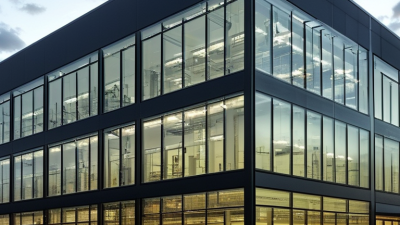
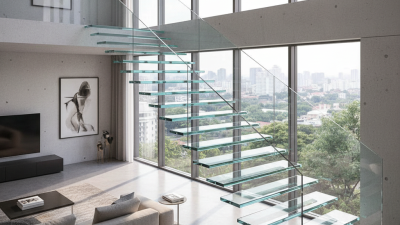
Nowadays, you'll probably notice that glass walls are pretty much everywhere in modern architecture. And honestly, they do more than just look good. They really help create a feeling of openness, making spaces seem larger and more connected to the outside world. When natural light pours in through these glass panels, it totally transforms the vibe of a building—making it brighter, warmer, and more inviting.
Designers and architects are loving using glass walls lately, mainly to come up with fresh, innovative, and practical designs. But, let’s be real—there are a couple of things to watch out for. For example, energy efficiency can be tricky. If you don’t have proper insulation, those huge glass surfaces might bump up your heating or cooling bills. And, here's the thing—keeping glass clean isn’t always a breeze. It needs regular cleaning if you want it to stay crystal clear and beautiful.
That said, even with these little hiccups, most folks agree that the perks of glass walls definitely outweigh the downsides. They give you amazing views and a real sense of space that’s hard to beat. Of course, architects need to think carefully about all these factors to strike the right balance. But overall, embracing glass walls can lead to some seriously inspiring architecture that redefines what modern spaces can be like.
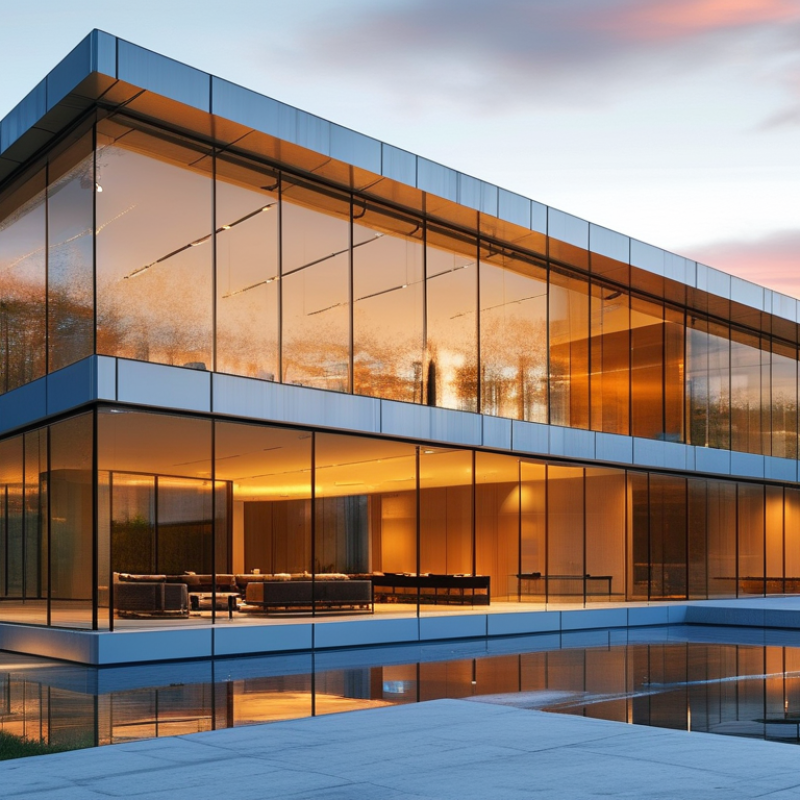
Advantages of Natural Light: Enhancing Aesthetics with Glass Walls
Natural light plays a pivotal role in modern architecture. Glass walls are an excellent way to maximize this benefit. By using large panes of glass, natural light floods into spaces. This enhances not only the ambiance but also the overall aesthetics of a building. Spaces filled with natural light feel more open and inviting. The glow of sunlight can transform a dull room into a vibrant area.
Moreover, the use of glass walls blurs the line between indoor and outdoor spaces. This connection to nature provides mental and physical benefits. Studies suggest that exposure to natural light improves mood and productivity. However, there can be issues with glare or heat in certain climates. Careful consideration is required during the design phase. Balancing light and comfort is crucial for maximizing the benefits of glass.
While glass walls present many advantages, they are not without their challenges. Maintenance can be time-consuming as glass surfaces require regular cleaning. Additionally, privacy can be a concern in densely populated areas. These factors must be weighed against the benefits. Thoughtful design can address these drawbacks, ensuring the space remains functional and beautiful.
Promoting Open Spaces: The Role of Glass Walls in Architectural Design
Glass walls are transforming architectural design. They create a seamless connection between indoor and outdoor spaces. This approach opens up possibilities for natural light to flood interiors, enhancing mood and well-being. In urban settings, buildings with glass walls promote a sense of community, allowing people to observe and interact with their surroundings.
However, using glass walls is not without challenges. Energy efficiency can become a concern, as these structures may require advanced technology for heating and cooling. Additionally, privacy can be compromised in spaces dominated by glass. Architects must balance transparency with functional needs. Thoughtful design is crucial to overcome these hurdles while maximizing the benefits.
Ultimately, glass walls redefine modern architecture. They promote open spaces that foster collaboration and creativity while still posing unique design dilemmas. The presence of Curtain Wall Glass in a building can either enhance or detract from the overall aesthetic. Engaging with these insights can lead to more innovative solutions in architectural practices.
Top 10 Benefits of Using Glass Walls in Modern Architecture
| Benefit |
Description |
Impact |
| Enhanced Natural Light |
Glass walls allow abundant natural light, reducing the need for artificial lighting. |
Improves mood and productivity in occupants. |
| Open Space Feel |
Creates a sense of continuity and openness between spaces. |
Encourages collaboration and interaction. |
| Energy Efficiency |
With proper glazing, glass walls can maintain indoor temperatures effectively. |
Reduces energy consumption and costs. |
| Aesthetic Appeal |
Modern glass designs contribute to sleek and contemporary architecture. |
Attracts tenants and visitors. |
| Sound Insulation |
Acoustic glass can provide soundproofing benefits in noisy areas. |
Improves overall comfort for occupants. |
| Increased Property Value |
Properties with glass walls are often perceived as more valuable. |
Can lead to higher resale values. |
| Flexible Design Options |
Glass walls can be used creatively in various architectural styles. |
Enhances customization for clients. |
| Safety Features |
Advanced glass technologies can enhance safety and security. |
Reduces risks of breakage and injury. |
| Connection to Nature |
Provides unobstructed views of the surrounding environment. |
Promotes well-being and tranquility. |
| Low Maintenance |
Modern glass materials are easier to maintain than traditional walls. |
Saves time and effort in upkeep. |
Energy Efficiency: How Glass Walls Contribute to Sustainable Buildings
Glass walls are more than just a modern aesthetic; they can significantly enhance energy efficiency in buildings. Natural light filters in, reducing the need for artificial lighting. This shift can cut energy consumption. Buildings with glass walls harness solar heat during winter, helping to maintain warmth. Properly designed, these walls can minimize heating costs and improve indoor comfort.
However, glass walls require careful consideration. On hot summer days, they can let in too much heat. Without proper shading, air conditioning costs can rise. Architects must balance the benefits of natural light with potential energy loss. Utilizing advanced technologies, like low-emissivity coatings, can mitigate these issues. This creates a more sustainable environment while maximizing energy efficiency.
The transparency of glass walls encourages a connection with the outdoors. This connection can foster mental well-being for occupants. Yet, it's important to assess materials regularly for wear and tear. Regular maintenance ensures they continue to perform effectively. Overall, glass walls present exciting opportunities in modern architecture while also posing challenges that require thoughtful solutions.
Sound Insulation Benefits: Balancing Transparency and Privacy
Glass walls are becoming popular in modern architecture. They offer stunning views and allow natural light to flood into spaces. However, one important consideration is sound insulation. The balance between transparency and privacy can be difficult to achieve in open-concept designs.
When using glass walls, sound control becomes essential. High-quality acoustic glass can significantly reduce noise transmission. This is particularly valuable in offices or urban environments where noise can be disruptive. Utilizing Window Wall systems can enhance privacy while maintaining an open feel. You can create a calm atmosphere without sacrificing aesthetics.
Here are a few points to consider when designing with glass. Opt for thicker glass when possible. It helps with sound insulation and enhances durability. Pay attention to the surrounding environment. Placement near noisy streets can affect comfort levels. Lastly, explore sound-absorbing materials for interior spaces. They work in tandem with window wall systems for a quieter experience.
Visual Connectivity: Enhancing Indoor-Outdoor Relationships with Glass
Glass walls have transformed modern architecture by enhancing visual connectivity. They create seamless transitions between indoor and outdoor spaces. According to a 2021 report by the American Institute of Architects, buildings with extensive glass facades promote better natural light, which can improve occupants' well-being. In fact, studies indicate that access to natural light increases productivity by up to 20%.
The integration of glass walls fosters a stronger relationship with the natural environment. Research by the Center for Architecture found that designs incorporating natural vistas promote mental health. However, achieving this balance requires careful planning. There can be concerns about heat gain and glare. Designers must consider shading and insulation strategies to maximize the benefits of glass walls while minimizing discomfort.
Furthermore, using glass comes with challenges. Initial costs can be higher than traditional building materials like Metal Wall Panel. Proper maintenance is essential to keep glass surfaces clean and functional. While glass walls offer stunning aesthetics and visual transparency, architects must weigh these factors against sustainability goals. The right design choices can yield an inspiring environment that connects people with nature.
Design Flexibility: Innovative Uses of Glass Walls in Various Climates
Glass walls are becoming increasingly popular in modern architecture. They offer flexibility in design that adapts to various climates. In hot regions, reflective glass can reduce heat gain, enhancing energy efficiency. A study by the International Energy Agency has shown that buildings with glass facades can save up to 30% on cooling costs. This significant reduction makes glass a practical choice for warm climates.
In cold climates, well-insulated glass walls allow natural light to enter without significant heat loss. Using triple-glazed glass can provide excellent thermal performance. Some reports indicate that homes with high-performance glazing systems can reduce heating energy needs by up to 40%. This adaptation highlights how glass walls suit diverse environmental conditions.
However, challenges remain. The installation and maintenance of glass walls can be complex due to their size and weight. Furthermore, improper design can lead to glare issues or temperature inconsistencies within a space. Architects must weigh these factors when choosing glass for their projects. Overall, glass walls present innovative opportunities but require careful consideration to maximize benefits.
Maintenance and Durability: Assessing Long-Term Performance of Glass Walls
Glass walls offer a contemporary aesthetic in modern architecture. However, their long-term performance remains a topic for discussion. Maintenance is essential to ensure that glass walls retain their beauty and functionality. Regular cleaning helps to keep surfaces clear of dirt and grime. Neglect can lead to permanent stains that affect visual appeal.
The durability of glass walls is noteworthy, but they are not impervious to damage. Weather elements can impact their condition over time. Cracks or chips can compromise the structural integrity. It’s crucial to use high-quality materials like Glass Tempered Glass. This type of glass is strengthened through heating and cooling processes, making it more resilient. Long-term cost-effectiveness must also be considered. While initial investments are higher, reduced maintenance and repair needs can offset costs over the years.
Installation is another vital aspect. Improper fitting can lead to leaks and condensation, resulting in damage to interiors. Architects should pay attention to the placement and materials used. Understanding the nuances of glass wall systems helps in achieving both beauty and functionality. The dialogue around their maintenance and durability highlights the need for informed choices in architectural design.
Exploring the Structural Integrity and Versatile Applications of Laminated Glass: Insights from Recent Industry Data Reports
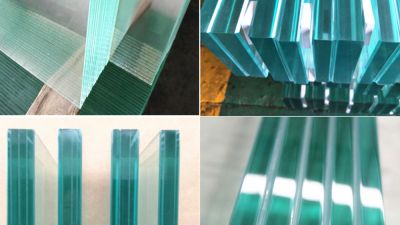
Laminated glass has emerged as a crucial safety product in various industries, thanks to its robust design and multiple protective features. According to recent industry reports, the laminated glass market is expected to grow significantly, driven by increasing demand for safety and structural integrity in construction, automotive, and high-security applications. The unique multi-layer composite structure of laminated glass offers exceptional anti-fragmentation properties, ensuring that, even when broken, the glass shards remain securely bonded to the interlayer. This characteristic significantly reduces the risk of personal injuries and property damage, making it an essential component in modern safety design.
The production of laminated glass involves a meticulous process that enhances its performance. By using a transparent polymer interlayer and subjecting the glass to high-temperature and high-pressure conditions, manufacturers create a durable product that not only protects against breakage but also provides sound insulation and UV protection. Data from recent studies indicate that laminated glass can reduce sound transmission by up to 30 decibels, further adding to its appeal for use in busy urban environments. Moreover, the UV shielding capabilities help prevent fading and deterioration of interior furnishings, making it a versatile option for architects looking to enhance both safety and aesthetic appeal in their designs.
FAQS
: Glass walls connect indoor and outdoor spaces. They allow natural light into interiors, enhancing mood and well-being.
Energy efficiency can be a concern. Privacy may be compromised without careful design.
Sound control is essential with glass walls. High-quality acoustic glass reduces noise transmission significantly.
Utilizing thicker glass helps with sound insulation and privacy. Consider incorporating sound-absorbing materials as well.
Thoughtful design is crucial. Architects must assess each space's needs to maintain functionality while allowing aesthetics.
They promote a sense of community. People can observe and interact with their environment, fostering connections.
Placement near noisy streets can disrupt comfort. Assess the surrounding environment before installation for better results.
Yes, engaging with insights about glass walls can inspire more creative practices in architecture.
Thicker glass and sound-absorbing materials are useful. They work together to create quieter environments.
There isn't a one-size-fits-all approach. Each project requires careful consideration of needs and challenges.
Conclusion
Glass walls are becoming increasingly popular in modern architecture due to their numerous advantages. One of the primary benefits is the enhancement of natural light, which improves the aesthetics of spaces and creates a warm, inviting atmosphere. Additionally, glass walls promote open spaces in architectural design, facilitating better movement and interaction within environments. They also contribute to energy efficiency, helping to reduce energy consumption in buildings while supporting sustainable practices.
Furthermore, glass walls offer sound insulation benefits, effectively balancing transparency with privacy. They enhance visual connectivity by fostering seamless indoor-outdoor relationships, allowing natural surroundings to become integral to architectural experiences. The design flexibility of glass walls enables innovative applications across various climates, while their maintenance and durability ensure long-term performance, making them a practical choice for modern structures. Overall, glass walls are a testament to the synergy of aesthetics and functionality in contemporary architecture.



 1Durch die gruppenweite Einführung und Harmonisierung unseres integrierten Managementsystems (IMS) werden alle bestehenden Unternehmens-, Qualitäts-, Umwelt- und Energiepolitiken durch diese Unternehmenspolitik ersetzt. Der Slogan „Textil hat Zukunft – auch in De