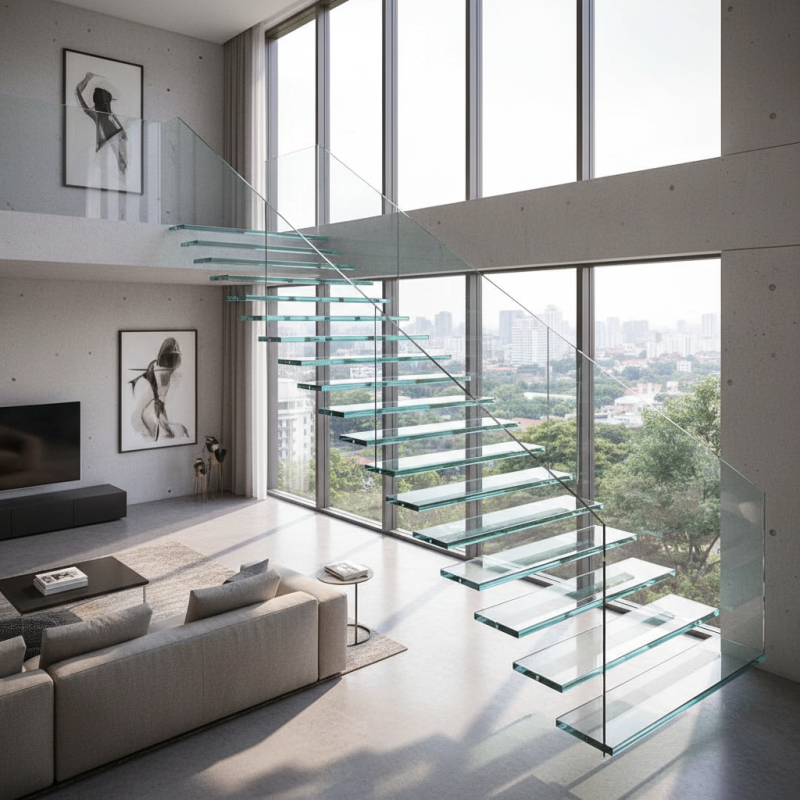
In the fast-changing world of architecture and design, you can’t ignore how important stair glass has become. It’s not just about looks — it’s about safety too. I mean, even industry experts like John Smith, a well-known designer, highlight this when he says, “Stair glass doesn’t just make things look prettier; it actually helps create safer pathways inside spaces.” It’s pretty clear that glass now plays a dual role — aesthetic and functional — in modern staircases.
In China, some of the top OEM suppliers with CE certification are really pushing the boundaries when it comes to quality and innovation. They’re investing in the latest tech, making sure their products tick all the safety boxes while still looking great. But, let’s be honest—sometimes the rush to innovate can mean quality control gets a bit neglected. A few suppliers focus so much on making their designs stand out that they overlook necessary safety tests. That’s a risky game to play.
For architects and builders, it’s super important to weigh safety just as much as appearance. As demand for stair glass continues to grow, finding that perfect balance between style and sturdiness is key. Suppliers need to aim high in quality without cutting corners on safety. After all, a staircase shouldn’t just serve a purpose — it should inspire and even wow people. That’s the challenge facing everyone in this industry today.
Overview of CE Certification in China for Stair Glass Suppliers
CE certification is crucial for stair glass suppliers in China. This certification ensures that the products meet European safety and quality standards. It promotes trust among consumers and businesses alike. Suppliers must navigate a complex certification process. Adhering to safety regulations can be challenging yet vital for market access.
Quality and innovation play essential roles in the success of these suppliers. To remain competitive, they need to invest in research and development. Innovative designs and technologies can set them apart. However, some suppliers might struggle with implementing new ideas. This can lead to a gap between product offerings and market demands.
Moreover, maintaining consistent quality is not straightforward. Suppliers must ensure that their materials and craftsmanship meet high standards. Nonetheless, slight variations in processes can lead to quality issues. Addressing these concerns requires a commitment to continual improvement and staff training.
Overview of CE Certification in China for Stair Glass Suppliers
Importance of Quality Standards in Stair Glass Manufacturing
Quality standards play a crucial role in stair glass manufacturing. They ensure that products meet safety and durability expectations. In this industry, high-quality glass is essential. It should withstand impact and temperature changes. Manufacturers must adhere to various safety regulations. This not only protects consumers but enhances brand reputation.
To maintain quality, manufacturers can follow these tips. Regularly inspect materials and finished products. This practice helps identify any defects early in the process. Collaborating with experienced suppliers of Ar Glass can also improve quality. Their expertise and advanced technology can aid in achieving higher standards.
However, even with strict standards, issues can arise. Some products may not perform as expected under certain conditions. This inconsistency highlights the need for continuous improvement. Manufacturers should be open to feedback and willing to adapt processes. Embracing innovation can lead to better quality and safer stair glass products.
Key Innovations in Stair Glass Production Technology
Recent advancements in stair glass production technology are reshaping the industry. Suppliers focus on enhancing quality through innovations in manufacturing processes. A report by Research and Markets indicates that the global glass market is expected to reach $182 billion by 2024, reflecting a 4.5% annual growth rate. This trend indicates increasing demand for high-quality products.
Key innovations include the use of advanced lamination techniques. These methods enhance safety and maintain aesthetic appeal. Additionally, the integration of smart glass technology allows for dynamic functionalities, such as light control and privacy. Manufacturers are adopting eco-friendly materials, contributing to sustainability goals. However, challenges remain in scaling these innovations while maintaining competitive pricing.
Quality assurance remains a significant challenge for many suppliers. Ensuring compliance with safety standards is crucial. Some manufacturers still struggle to balance innovation with cost-effectiveness. A commitment to research and development in this sector is essential, as it drives continuous improvement. A focus on customer feedback is also vital for adapting to market needs and enhancing product offerings.
Leading OEM Suppliers in China's Stair Glass Market
In China's stair glass market, consumers seek quality and innovation. Numerous OEM suppliers stand out, offering a variety of products. They focus on glass types that enhance both safety and aesthetics. Each supplier has unique strengths, yet quality can vary. It's crucial to assess each supplier carefully.
When choosing a stair glass supplier, pay attention to their certifications. Look for those with CE certifications, which indicate quality assurance. Reliable suppliers often provide innovation in design and functionality. Ag Glass incorporates unique designs while ensuring safety standards are met.
Tip: Check reviews and testimonials from previous clients. This helps in gauging their reliability. Don't rely solely on marketing materials. Scrutinize product samples before making a decision. This way, you can avoid potential disappointments. Ultimately, a careful selection process leads to satisfaction.
Evaluating Supplier Credentials and Certifications
When evaluating stair glass suppliers, certifications play a key role. A reputable supplier should possess relevant CE certifications that demonstrate compliance with safety and quality standards. This indicates their commitment to maintaining high production quality and ensuring customer safety. However, not all suppliers have the same level of expertise. Some may lack critical certifications, casting doubt on their reliability.
Choosing a reliable supplier requires careful consideration of their credentials. Look for suppliers that can provide comprehensive documentation of their certifications. A supplier with experience in manufacturing Glass Fin solutions can often offer superior insights. Engaging with them might reveal gaps in their service or production techniques. This reflection is vital for making informed decisions.
Additionally, engaging with previous customers can provide insights into a supplier’s performance. Customer testimonials often highlight strengths and weaknesses. This feedback can help identify whether the supplier is truly innovating or merely relying on outdated practices. It's essential to balance quality with innovation for the best results in stair glass solutions.
Sustainability Practices Among Chinese Stair Glass Manufacturers
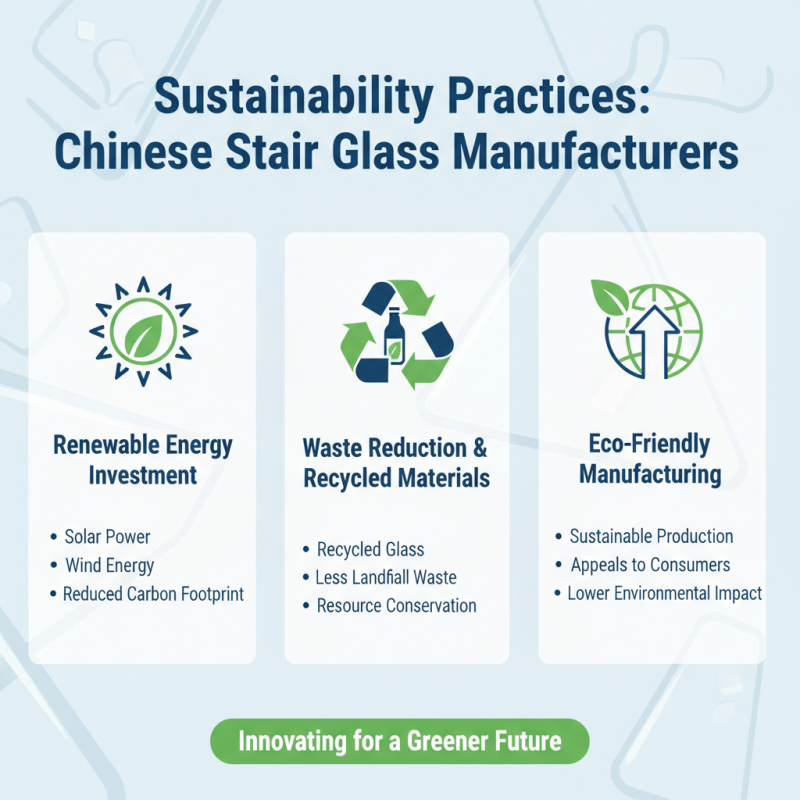
Sustainability is becoming crucial for stair glass manufacturers in China. Many companies are now focusing on eco-friendly practices. They are investing in renewable energy and reducing waste. This shift helps them lower their carbon footprint. An example is the use of recycled materials in production. This not only conserves resources but also appeals to environmentally conscious consumers.
However, some manufacturers still struggle to implement green practices. There is often a lack of guidance on effective sustainability measures. Many companies need to invest more in research and development. Innovative solutions could further enhance their sustainable efforts. Additionally, training employees in environmental responsibilities is essential. Improving awareness can lead to better practices on the factory floor.
Transparency is also vital. Consumers want to know about the sources of materials and production methods. Companies must communicate their sustainability initiatives effectively. This builds trust and encourages more responsible consumption. Overall, while progress is being made, more work is needed in the industry. Challenges remain, but the path to sustainability is clear and promising.
Future Trends in Stair Glass Design and Certification in China
The stair glass market in China is evolving rapidly with a focus on quality and innovation. As architects and designers seek more unique designs, the use of Bent Glass is becoming a significant trend. This material allows for imaginative curves and shapes, enhancing both aesthetics and functionality in stair design. The ability to create striking visual effects makes bent glass appealing for modern buildings.
Certification remains a critical aspect of stair glass production. Manufacturers must adhere to strict safety standards. This process ensures that products are durable and suitable for various environments. Innovations in testing methods are emerging, providing more accurate assessments of glass performance. As a result, buyers are more confident in choosing these materials for their projects.
Sustainability is another growing concern. Eco-friendly practices and materials are becoming increasingly important in the production process. Experts suggest that companies should invest in research to minimize their carbon footprint. This shift not only supports regulatory compliance but also attracts environmentally conscious consumers. The future of stair glass design in China is intertwined with these trends, pushing the boundaries of creativity while emphasizing responsibility.
China Top CE Certification OEM Stair Glass Suppliers Quality and Innovation? - Future Trends in Stair Glass Design and Certification in China
| Supplier Type |
Certification Standard |
Design Innovation |
Quality Control Measures |
Market Position |
| OEM Manufacturer |
CE, ISO 9001 |
Sustainable Materials |
Regular audits, strict supplier selection |
Top-tier in regional markets |
| Wholesale Supplier |
CE, EN 12150 |
Customizable Designs |
In-house testing lab |
Competitive pricing |
| Retail Supplier |
CE, AS/NZS 2208 |
Smart Glass Technology |
Third-party verification |
High-end market focus |
| Architectural Glass Supplier |
CE, ASTM E119 |
Innovative Safety Features |
Quality assurance protocols |
Leading in innovation |
Choosing Between Manual and Electric Insulated Glass with Built-in Blinds: A Comprehensive Guide
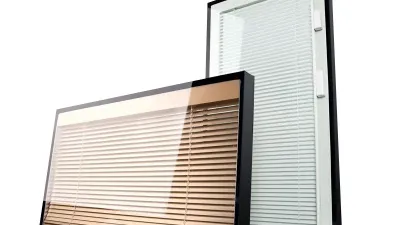
When considering insulated glass with built-in blinds, you must evaluate the choice between manual and electric operation. Both options offer unique advantages suited to different needs and preferences. Manual insulated glass systems are often favored for their simplicity and reliability. They allow users to adjust the blinds as needed without the requirement of electricity or complex mechanisms. This can be particularly beneficial in areas where power outages are common, as well as in installations where the electrical setup may not be feasible.
On the other hand, electric insulated glass with built-in blinds brings a level of convenience that can significantly enhance user experience. These systems can be operated via remote control or smart home systems, offering effortless adjustment of light and privacy. According to a report by the International Energy Agency (IEA), the integration of automated window treatments like electric blinds can improve energy efficiency in a building by up to 30%, thus potentially lowering heating and cooling costs. Furthermore, electric systems can be programmed to adjust according to the time of day or sunlight exposure, optimizing both comfort and energy savings.
While both manual and electric options have their merits, they cater to different lifestyles and functional requirements. Manual systems are robust and straightforward, making them a reliable choice for those who prefer a hands-on approach. In contrast, electric systems are ideally suited for modern living spaces where technology and convenience are paramount, elevating the overall ambiance and efficiency of residential and commercial intelligent buildings.
FAQS
: Quality standards ensure safety and durability, protecting consumers and enhancing reputation.
Regular inspections of materials and finished products can help identify defects early.
Certifications indicate compliance with safety standards and commitment to high production quality.
Comprehensive documentation of certifications and experience in manufacturing similar products are essential.
They provide insights into a supplier’s performance and highlight strengths and weaknesses.
Unique designs, such as bent glass, are becoming popular for their aesthetic and functional qualities.
Eco-friendly practices minimize carbon footprints and attract environmentally conscious consumers.
Some products may not perform as expected under certain conditions, highlighting room for improvement.
Being open to feedback and adapting processes can lead to better quality products.
Innovations in testing methods ensure more accurate assessments of glass performance and durability.
Conclusion
The article explores the landscape of CE certification for stair glass suppliers in China, emphasizing the critical role of quality standards in the manufacturing process. It highlights the importance of ensuring that stair glass products meet rigorous safety and performance criteria, which is essential for both suppliers and end consumers. Key innovations in stair glass production technology are also discussed, showcasing how advancements are shaping the industry and enhancing overall product quality.
Furthermore, the article identifies leading OEM suppliers in the Chinese stair glass market and underlines the importance of evaluating their credentials and certifications. Sustainability practices are gaining traction among manufacturers, reflecting a commitment to environmental responsibility. Finally, the article looks ahead to future trends in stair glass design and certification in China, suggesting that continued innovation and adherence to quality standards will drive the industry forward.



 1Durch die gruppenweite Einführung und Harmonisierung unseres integrierten Managementsystems (IMS) werden alle bestehenden Unternehmens-, Qualitäts-, Umwelt- und Energiepolitiken durch diese Unternehmenspolitik ersetzt. Der Slogan „Textil hat Zukunft – auch in De