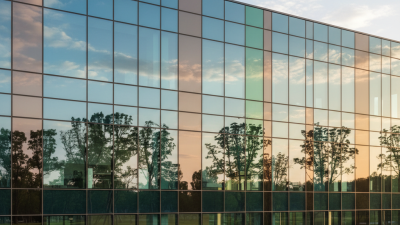
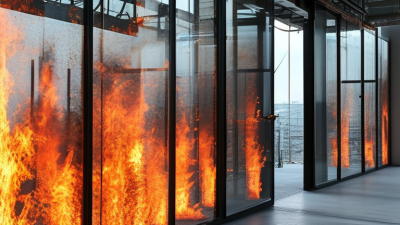
These days, you’re probably noticing that glass ceiling solutions are really becoming a thing in modern interior design. They’re not just pretty—they actually serve a purpose too, blending style with function and totally changing how we experience indoor spaces. Companies like Brilliant Glass are really at the forefront, offering wholesale ODM options that are pretty flexible and cater to all kinds of needs. You can see their skills reflected in how smoothly they integrate glass elements into different structures, adding that extra touch of charm.
Of course, it’s not always smooth sailing. Striking the right balance between transparency and privacy can be tricky. A well-designed glass ceiling can flood a space with natural light, but if not done carefully, it might highlight flaws in other parts of the room. And those reflections—yeah, they can sometimes make a room seem bigger or smaller than it actually is, which can get a little confusing. All of this means designers need to be extra thoughtful and pay close attention to details to make sure everything lines up with their original vision.
As the craving for modern, sleek aesthetics keeps growing, the importance of glass ceiling solutions really becomes obvious. But, honestly, it’s not just about having the right products—it's about execution, too. Brands need to step up with guidance and support, not just sell a product and call it a day. I guess, at the end of the day, it’s this mix of expertise and collaboration with clients that’s really going to shape what modern interiors look like in the future.
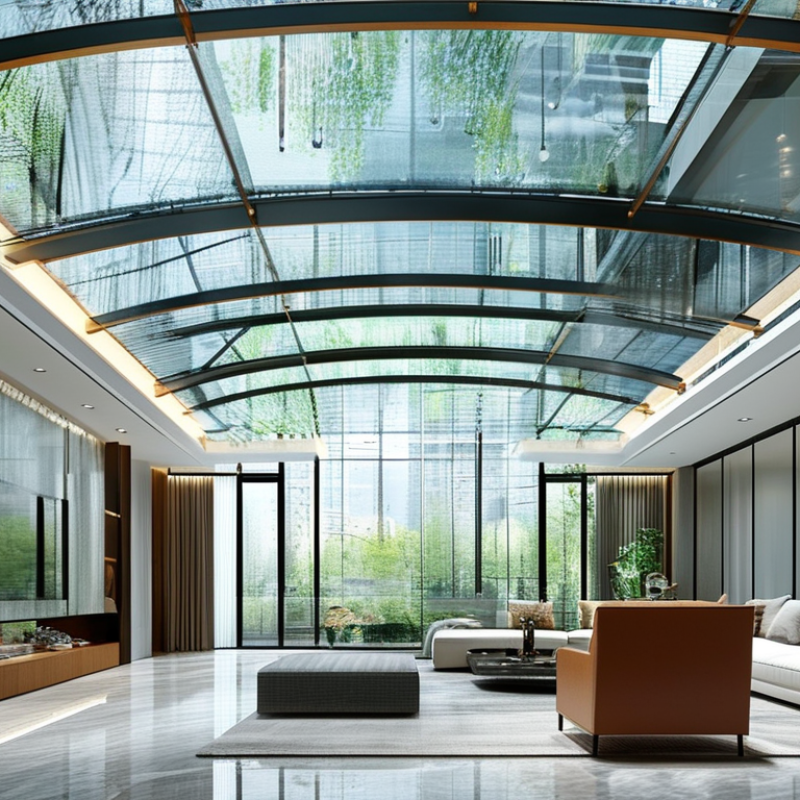
Overview of Glass Ceiling Solutions in Modern Design
The rise of glass ceiling solutions in modern design reflects innovative architectural practices. A recent study revealed that 74% of designers now prioritize transparency in their projects. Glass ceilings create a sense of openness and can enhance natural lighting throughout a space. By using tempered or laminated glass, safety and energy efficiency are significantly improved.
Incorporating glass ceilings can be challenging. For instance, thermal insulation can pose issues in extreme climates. A report by the Architectural Glass Institute emphasizes that these installations require careful planning and material selection to optimize performance. While they can transform interiors, designers must consider factors like glare and maintenance.
Moreover, the market demand for glass ceiling solutions has seen a 30% increase, according to recent industry analysis. This trend indicates a shift in consumer preferences towards modern aesthetics. Despite their growing popularity, the potential for condensation and noise transmission remains a concern. Proper design strategies must address these issues to fully harness the benefits of glass ceilings in contemporary spaces.
Key Features of ODM (Original Design Manufacturer) Glass Ceilings
In modern architecture, glass ceilings are emerging as a preferred choice for enhancing interior spaces. Key features of ODM glass ceilings include their ability to create an illusion of openness. Transparency allows natural light to fill a room, making it feel larger. This is especially important in urban settings where space is limited.
One notable advantage of glass ceilings is their aesthetic appeal. They bring elegance and sophistication to any modern design. However, one must consider the thermal performance of the glass. Insulation is crucial to maintain a comfortable indoor climate. It's essential to reflect on how temperature changes can affect energy efficiency.
Tips for selecting A Glass Ceiling include considering the size and orientation of your space. Choose high-quality materials that offer UV protection. This can help in reducing glare and fading of interior furnishings. Also, think about maintenance. While glass ceilings can look stunning, cleanliness is vital. Dust and fingerprints can easily diminish their beauty. Regular cleaning is necessary to keep them sparkling.
Key Features of ODM Glass Ceilings in Modern Spaces
This chart displays the key features of ODM glass ceilings, showcasing the performance score based on user feedback across several categories.
Benefits of Using Wholesale Glass Ceiling Solutions
In modern architecture, glass ceiling solutions are becoming increasingly popular. They bring natural light into spaces while maintaining an open and airy feel. According to industry reports, the demand for glass ceilings is expected to grow by 15% over the next five years, showcasing their rising importance in design.
Using wholesale glass ceiling solutions offers numerous benefits. They enhance energy efficiency, reducing lighting costs. A study by the Building Research Establishment indicates that natural lighting can improve worker productivity by up to 20%. These ceilings also promote better indoor air quality, as they naturally ventilate spaces. However, ensuring proper installation is crucial. Poor sealing can lead to leaks and energy loss.
Tips: Always choose high-quality materials when selecting glass ceilings. Poor quality can cause issues like condensation. Regular maintenance is fundamental. Check for signs of wear or damage to prevent costly repairs. Utilizing professional installation services will help maximize the effectiveness of glass ceilings, ensuring they remain functional and aesthetically pleasing.
Applications of Glass Ceilings in Contemporary Spaces
Glass ceilings have become a popular choice in modern architecture. Their applications are diverse, enhancing both aesthetics and functionality. In contemporary spaces, these structures allow natural light to flood in, creating a bright and inviting atmosphere. This design element adds visual height, making spaces feel expansive and open.
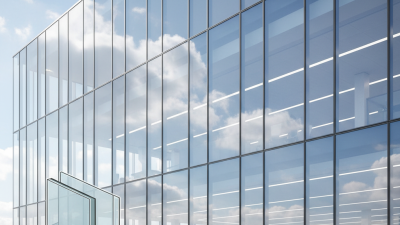
One key application is in commercial buildings. Offices with glass ceilings promote a sense of openness. This can lead to improved employee morale and productivity. However, there are challenges. Temperature control can be an issue, as glass often amplifies heat. Moreover, privacy concerns can arise in open-plan offices. Finding the balance is crucial.
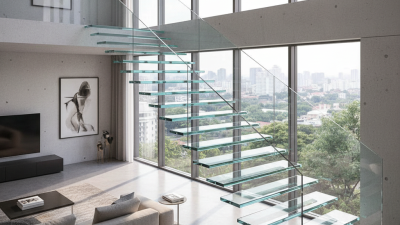
Residential spaces also benefit from glass ceilings. They provide a unique element in living rooms and kitchens. Homeowners can connect with outdoors while being inside. However, maintenance is a consideration. Dust and water stains can diminish their appeal. Regular cleaning is essential to keep the glass ceiling pristine. Overall, Glass On Ceiling designs bring beauty and brightness, though they require thoughtful implementation.
Differences Between Glass Ceiling Types and Materials
When considering modern interior design,
"The Glass Ceiling"
stands out as an
innovative solution. There are different types of glass ceilings, each offering
unique aesthetics and functionality. Clear glass ceilings provide open views, fostering a sense of
connection with the outdoors.
However, they can contribute to heat loss if not properly insulated, which can be a concern in colder climates.
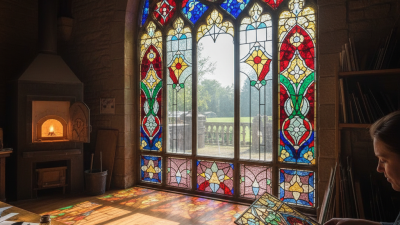
Alternatively, frosted or tinted glass ceilings enhance privacy while still allowing light to permeate the space. Reports indicate that
tempered glass usage in ceiling designs is increasing, driven by its strength and safety features. According to a
2022 survey by the Glass Association, over 70% of architects prefer using
laminated glass for its durability and visual appeal, making it a popular choice for
"The Glass Ceiling."
When selecting materials, factors like UV resistance
and thermal performance must be considered. Some glass types can be prone to scratches and require
regular maintenance. True experts recommend assessing the space's specific needs before making
a final decision. Choosing the right glass type is crucial for achieving the
desired ambiance without compromising safety or efficiency.
Factors to Consider When Selecting Glass Ceiling Solutions
Selecting the right glass ceiling solutions requires careful consideration of various factors. Understanding the Glass Ceiling Meaning is essential for making an informed decision. A glass ceiling not only enhances aesthetic appeal but also affects natural light circulation and insulation quality.
A report from Global Market Insights reveals that the glass ceiling market is projected to grow significantly, driven by increasing demand for modern architectural designs and energy-efficient solutions. When choosing a glass ceiling, consider factors like thermal efficiency, structural integrity, and aesthetic compatibility with the surrounding environment. High-performance glazing options can reduce energy costs by up to 30%, according to the U.S. Department of Energy.
Tip:
Examine the local climate. This knowledge will guide you in selecting the right materials and designs that suit environmental conditions.
Another important aspect is safety compliance. Ensure that the glass ceiling adheres to local regulations and safety standards. While aesthetic elements are crucial, they should not compromise structural safety. Specialty glass options, like tempered or laminated glass, provide strength and resilience, reducing the risk of accidental breaks.
Tip:
Consult with industry experts to validate the quality and safety of your chosen solutions. Make informed decisions based on reliable data and professional insight.
Trends in Glass Ceiling Design for Future Spaces
The trend in glass ceiling design is rapidly evolving, reflecting modern aesthetics and functionality. Data from industry reports indicate that the global glass ceiling market is expected to grow at a CAGR of 9.5% from 2023 to 2030. This growth is driven by increased demand for natural light and energy-efficient solutions in commercial and residential spaces. Architects are now experimenting with various forms, including curved and sloped designs that break traditional boundaries.
Innovative glass products are also making headway. Advanced coatings enhance thermal efficiency, while structural glass advances enable large spans without compromising safety. However, challenges remain. Installation complexity can lead to misalignment and potential safety issues. Additionally, the long-term maintenance of glass ceilings can be daunting, given concerns over dirt accumulation and visibility. Projects should consider these factors to ensure lasting quality and aesthetic appeal.
Moreover, sustainable practices are gaining momentum in this sector. Many new designs incorporate recycled materials, reflecting a shift towards eco-conscious living. The use of double or triple glazing systems provides insulation benefits. As designers push boundaries, the combination of style, sustainability, and practicality will shape the future of glass ceiling solutions. Such developments aim to create harmonious spaces that cater to evolving consumer desires while posing challenges that require thoughtful navigation.
Optimal Performance and Advantages of Insulating Glass in Modern Architecture
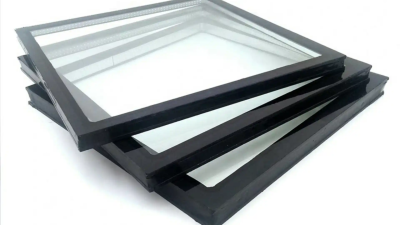
Insulating glass has become a cornerstone in modern architectural designs, providing not only aesthetic appeal but also enhancing energy efficiency. Comprising multiple layers of glass separated by an aluminum spacer filled with desiccant, insulating glass serves to minimize heat transfer and provide superior thermal insulation. This is especially vital in contemporary buildings where energy conservation is a priority. The use of high-strength sealants on the edges ensures the integrity of the units, offering durability and long-lasting performance.
The versatility of insulating glass allows architects to choose from various types, such as annealed clear glass, tinted, solar reflective, Low-E, laminated, tempered, heat-strengthened, and even curved glass. Each option caters to specific functional requirements and aesthetic preferences, whether it’s reducing solar gain or enhancing safety. By integrating insulating glass into their designs, modern architects can create environments that are not only visually striking but also sustainable, ultimately improving the overall experience for occupants while meeting strict energy codes.
FAQS
: Glass ceilings promote openness and enhance natural lighting in spaces. They can make interiors feel larger and more inviting.
Clear glass offers openness, while frosted or tinted options provide privacy. Tempered glass is preferred for its strength and safety.
Yes, thermal insulation can be an issue in extreme climates. Maintenance and glare are additional concerns designers must address.
The demand has increased by 30%, reflecting a shift in consumer preferences toward modern aesthetics and natural light.
Consider UV resistance, thermal performance, and maintenance needs. Each space may have unique requirements impacting the choice.
Many designs now use recycled materials and energy-efficient glazing systems, promoting eco-conscious living while ensuring aesthetic appeal.
Trends include innovative forms like curved designs and advanced materials that enhance thermal efficiency while facing installation challenges.
Long-term maintenance can be challenging due to dirt buildup and visibility concerns, requiring thoughtful planning in design.
Noise transmission can be a concern. Proper design and material selection are crucial to minimize sound disturbances in spaces.
The market is projected to grow at a CAGR of 9.5% from 2023 to 2030, driven by increased demand for light and energy efficiency.
Conclusion
The article "China Best Wholesale ODM Glass Ceiling Solutions for Modern Spaces" provides a comprehensive overview of the innovative design and functionality of glass ceilings in contemporary architecture. It highlights the key features of Original Design Manufacturer (ODM) glass ceilings, focusing on their aesthetic appeal and versatility. The benefits of using wholesale glass ceiling solutions are also discussed, emphasizing cost-effectiveness and accessibility for modern design projects.
Applications of glass ceilings span various contemporary spaces, from residential homes to commercial settings, allowing for natural light integration and an enhanced openness. The article further explores different types and materials of glass ceilings, helping readers understand the factors to consider during selection. Lastly, current trends in glass ceiling design are examined, offering insights into future possibilities in architectural innovation while showcasing the transformative impact of glass ceilings in modern design aesthetics.



 1Durch die gruppenweite Einführung und Harmonisierung unseres integrierten Managementsystems (IMS) werden alle bestehenden Unternehmens-, Qualitäts-, Umwelt- und Energiepolitiken durch diese Unternehmenspolitik ersetzt. Der Slogan „Textil hat Zukunft – auch in De