In today's really competitive market, picking the right OEM Complex Glass exporter is pretty crucial if you want your business to succeed. Dr. Emily Carter, who’s pretty much a go-to expert in the Complex Glass scene, mentions, "Quality and precision in glass fabrication can totally make or break how long a product lasts." That pretty much hits the nail on the head when it comes to why you need to choose a partner you can trust.
A top-notch OEM Complex Glass exporter can actually bring innovative solutions customized just for your needs. Their know-how means they’ll make sure the glass ticks all the industry boxes, so you end up with products that are both sturdy and good-looking. Working with someone experienced not only gives you peace of mind but also helps avoid headaches like delays or quality issues down the line.
That said, not all exporters are the same. Some might promise the world but fall short when it counts. Plus, communication can sometimes be a bit tricky—nothing worse than feeling like you’re speaking different languages! So, it’s really important for businesses to do their homework on potential partners—check out their track record and customer reviews before making a call. Basically, making smart choices about your OEM Complex Glass supplier is key if you want to see long-term success.

Understanding OEM Complex Glass and Its Importance
OEM complex glass, with its intricate designs and functionalities, plays a crucial role in various industries. This specialized glass is increasingly favored for its versatility. According to a report by Grand View Research, the global glass market is projected to reach $1.2 trillion by 2026. The demand for high-quality OEM glass continues to grow, reflecting its significance in sectors such as automotive, architecture, and electronics.
When selecting an OEM complex glass exporter, quality is paramount. A reliable supplier can provide products that meet industry standards, ensuring that your business operates smoothly. Complex glass can enhance product aesthetics and durability, offering both functional and visual benefits. Research from the International Glass Association highlights that high-quality glass can improve energy efficiency by up to 20% in buildings. This not only benefits the environment but also reduces operational costs for businesses.
Tip: Always verify the exporter’s certifications. This ensures compliance with safety and quality standards. Another consideration is that not all suppliers provide transparent pricing. Be clear on costs to avoid surprises later. A good partnership requires open communication and trust. Relying solely on one exporter may limit your options, so consider diversifying suppliers to mitigate risks.
Identifying the Characteristics of High-Quality Glass Exporters
When searching for a high-quality OEM complex glass exporter, focus on several key characteristics. A reliable exporter should prioritize advanced manufacturing processes. This ensures that their glass meets stringent quality standards. Look for companies that utilize state-of-the-art technology. It can significantly enhance the durability and clarity of their products.
Another important aspect is the exporter’s experience in the industry. An experienced exporter will understand market demands and adapt accordingly. This adaptability often leads to innovations, such as improved Glass Tempered Glass solutions. It's essential to engage with exporters who have a solid reputation.
Trustworthy exporters will provide references and details about their production capabilities.
Additionally, accountability is crucial. High-quality exporters should be transparent about their operations. This includes their sourcing of raw materials and their environmental practices. Assess whether they have certifications that reflect their adherence to industry standards. Your business deserves a partner who takes these responsibilities seriously.
Benefits of Partnering with OEM Glass Suppliers
When choosing a high-quality OEM complex glass exporter, understanding the benefits of partnering with OEM glass suppliers is crucial. Reliable OEM suppliers offer enhanced product variety, including specialized Ar Glass products. These suppliers understand market demands and provide customized solutions, enhancing your product line and boosting sales.
Quality assurance is another key factor. OEM glass suppliers often adhere to stringent manufacturing processes. This reduces the risk of defects and inconsistencies. Partnering with reputable suppliers guarantees that you receive products meeting industry standards. This commitment to quality builds trust with your customers.
Tips: Always check supplier certifications before partnering. It ensures they follow quality regulations. Consider visiting their production facility. This provides insight into their operations and capabilities. Doing so helps build a strong working relationship, ensuring your requirements are met efficiently.
Qualities to Look for in an OEM Exporter
When selecting a high-quality OEM complex glass exporter, several key qualities stand out. First, prioritize their experience in the industry. An exporter with years of specialization understands material properties and can manage complex designs. This experience often correlates with a deeper understanding of customer needs.
Quality control is another critical factor. Look for exporters with established processes. They should conduct regular inspections and provide certifications. This ensures that your products meet industry standards and client expectations. Transparency in their operations fosters trust.
Additionally, assess their communication style. A reliable exporter should be responsive and open to feedback. This eases potential misunderstandings and ensures smoother project execution. A blend of proactive support and willingness to adapt sets apart the best exporters from the rest. This attentiveness can significantly influence your business's success in the marketplace.
Evaluating the Reputation and Reliability of Exporters
When selecting an OEM complex glass exporter, evaluating their reputation is crucial. Industry reports indicate that over 70% of successful businesses prioritize supplier reliability. A reliable exporter, often identified by industry certifications, leads to fewer complications in the supply chain. Transparency in communication is essential. Data from the National Glass Association suggests that exporters with clear documentation reduce potential disputes by 25%.
In addition to certifications, customer feedback provides a valuable insight into the reliability of an exporter. Testimonials and reviews can reveal patterns of performance. It is important to analyze both positive and negative feedback. This can help identify potential red flags. Moreover, customizing glass solutions like Ag Glass often requires collaboration among different stakeholders. A well-respected exporter typically excels in this area.
Not every exporter meets the high standards required for quality glass products. Companies should be prepared to perform their due diligence. Even seemingly reputable exporters may have inconsistencies. Engaging in a thorough evaluation process will uncover their strengths and weaknesses. By prioritizing reliability and reputation, businesses can avoid costly mistakes in the long run.
Analysis of OEM Complex Glass Exporter Reliability Factors
Cost vs. Quality: Making Informed Choices
Choosing a high-quality OEM complex glass exporter can significantly impact your business. When weighing cost against quality, you must consider the long-term benefits of superior products. High-quality glass not only enhances the aesthetics of your product but also ensures safety and durability. Poor-quality glass might save money initially, but it can lead to higher replacement costs and damage your brand credibility.
When assessing options, pay attention to certifications and quality standards. A reputable exporter should comply with international guidelines. This demonstrates reliability and expertise. Always request samples before purchasing. Seeing the product firsthand helps in making a better-informed decision.
Here are a few tips for choosing an exporter. Look for customer reviews and feedback. Engaging with previous clients can reveal valuable insights. Don’t hesitate to ask questions about their production processes. Understanding their methods gives you confidence in their capabilities. Remember, the cheapest option may not always be the best choice. Weigh your options carefully for genuine value.
Why Choose a High-Quality OEM Complex Glass Exporter for Your Business? - Cost vs. Quality: Making Informed Choices
| Criteria |
Low-Quality OEM |
High-Quality OEM |
| Cost per Unit |
$5.00 |
$10.00 |
| Durability (Hours) |
100 |
500 |
| Lead Time (Weeks) |
3 |
8 |
| Return Rate (%) |
15 |
2 |
| Customer Satisfaction (Scale 1-5) |
2.5 |
4.8 |
Navigating Regulatory Standards for Glass Exports
Navigating regulatory standards for glass exports can be complex and daunting. Different countries have unique requirements that manufacturers must meet. Compliance ensures that the products are safe and suitable for use. For businesses looking to export glass products, understanding these regulations is essential.
One common concern is the need for certifications. Many regions require specific quality and safety standards. This includes testing for durability, clarity, and even environmental impacts. Failing to meet these standards can lead to significant losses. Often, businesses overlook crucial details in the compliance process, which can lead to delays or product recalls.
Finding a high-quality OEM complex glass exporter can mitigate these risks. They usually have experience navigating different regulatory landscapes. Their expertise ensures that the glass products, including components like Glass Fin, meet international standards. This reliability fosters trust within supply chains.
Nevertheless, companies must remain vigilant. Regulatory changes can occur without warning, necessitating ongoing research and adaptability.
Evaluating Energy Efficiency and User Convenience: A Comparative Analysis of Manual vs Electric Insulated Glass with Built-in Blinds
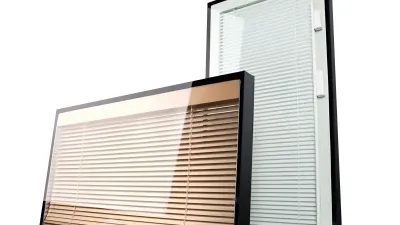
Insulated glass with built-in blinds represents a revolutionary advancement in building materials, favored for its unique combination of thermal insulation, soundproofing, and light control. The trend towards energy efficiency in modern architecture has catalyzed the adoption of this technology, which is particularly effective in reducing energy consumption for heating and cooling. According to recent industry analysis, homes using insulated glass with built-in blinds can realize energy savings of up to 30% compared to traditional windows, significantly impacting long-term utility bills.
When we delve deeper into the operational dynamics, the primary distinction lies between manual and electric options. Manual systems offer the advantage of simplicity and lower upfront costs, appealing to users who prefer a more hands-on approach. However, they may lack the convenience and precision that electric systems provide, which can be controlled via smart home integration. Research indicates that electric blinds significantly improve user convenience, particularly in larger installations where access can be challenging, thus enhancing overall functionality. Additionally, electric options can contribute to better light management and insulation performance, making them especially desirable in climates with extreme weather conditions.
On the downside, the initial investment for electric insulated glass with built-in blinds can be considerably higher, with some studies estimating price increments of 15-25% compared to manual counterparts. Nevertheless, the long-term benefits, including reduced wear and tear thanks to their enclosed design and the elimination of cleaning woes, often justify this upfront expenditure. Ultimately, the choice between manual and electric systems should be informed by individual needs regarding accessibility, energy efficiency, and budget constraints.
FAQS
: OEM complex glass features intricate designs and serves multiple functions across various industries.
Quality ensures products meet industry standards, enhancing business operations and customer satisfaction.
It enhances aesthetics and durability, offering functional and visual advantages that attract customers.
Always check certifications to confirm safety and quality compliance.
Open communication builds trust and helps prevent misunderstandings, reducing supply chain issues.
Relying on one supplier may limit options; diversifying can help mitigate risks.
Feedback provides insights into reliability, helping identify trustworthy exporters.
Unreliable exporters may cause complications, delays, and added costs in the supply chain.
Analyze both positive and negative reviews to understand their strengths and weaknesses.
Yes, even reputable exporters can have issues; thorough evaluation is essential to uncover them.
Conclusion
Choosing a high-quality OEM complex glass exporter is crucial for businesses seeking durable and sophisticated glass solutions. Understanding the significance of OEM complex glass involves recognizing its application across various industries, which necessitates reliable suppliers. When assessing potential exporters, it is essential to identify characteristics that denote quality, such as impeccable production standards and adherence to regulatory guidelines. Partnering with reputable OEM glass suppliers offers numerous advantages, including access to innovative designs and sustainability practices.
In evaluating exporters, businesses should consider factors like their reputation, reliability, and the balance between cost and quality. Ensuring compliance with regulatory standards is also vital to avoid any legal hurdles and to ensure safety and performance. By making informed choices and selecting a trustworthy OEM complex glass exporter, companies can enhance their product offerings and maintain competitive advantages in the marketplace.



 1Durch die gruppenweite Einführung und Harmonisierung unseres integrierten Managementsystems (IMS) werden alle bestehenden Unternehmens-, Qualitäts-, Umwelt- und Energiepolitiken durch diese Unternehmenspolitik ersetzt. Der Slogan „Textil hat Zukunft – auch in De