Leave Your Message
0%

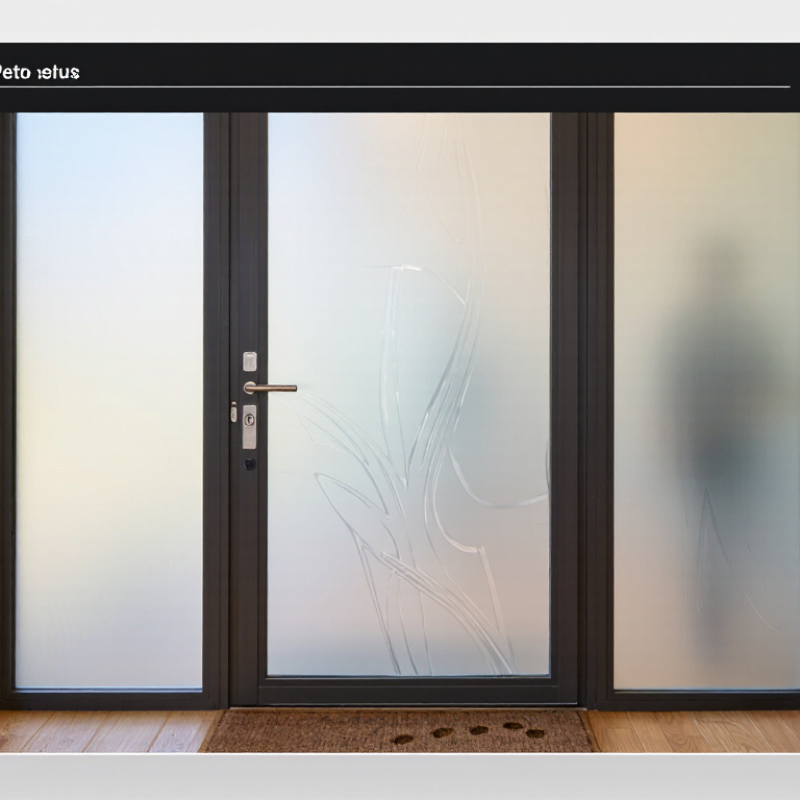
Choosing a Frosted Glass Front Door in 2026 isn't just about matching your home's exterior color. It’s about finding that sweet spot between privacy, letting in some natural light, security, energy efficiency, and how much upkeep you’re willing to do. For example, a soft satin finish can obscure silhouettes but still let in morning sunlight, which actually makes a difference—especially in busy households where every bit of natural light counts.

Mara Ellison, who’s the senior entry-design expert at ClearView Door Studio, put it pretty well: “A good frosted door should keep your privacy intact without making the entrance feel closed off.” Her advice? Think about the type of glass, how it’s frosted, the material of the frame, the lock system, and weatherproofing all together. Acid-etched glass tends to give a sleek, permanent look, whereas films you apply on the surface are easier to swap out — though they might peel or show edges over time.

It’s often the little details that make all the difference. Make sure you check out the door at night—not just under those bright showroom lights. Stand inside and look out through the glass. Notice any porch lights, passing shadows, fingerprints, or reflected glare. Sometimes, textured patterns hide smudges better than a smooth, white finish. And if you’re concerned about energy, low-emissivity glazing can make your entryway more comfortable during cold or hot seasons.

Honestly, there’s no one perfect door out there. A darker coating might look fancy but can show dust more easily. Too much privacy can block out daylight you actually want. And I’ve seen some beautiful doors that felt kinda awkward to use because the hardware was hard to grip or use comfortably. So, measure carefully, ask for performance data, and don’t be shy about questioning vague claims. The goal is for your frosted glass front door to feel secure, inviting, and to stay in good shape for years to come.

How to Choose a Frosted Glass Front Door in 2026?

Understanding Frosted Glass Types and Privacy Levels

Choosing a frosted glass front door in 2026 starts with understanding how each glass finish controls privacy and daylight. Acid-etched glass has a smooth, permanent surface and softens outdoor views without making the entry feel dark. Sandblasted glass creates a brighter, textured appearance, but fingerprints and dust may show more clearly. Patterned frosted glass adds visual interest while breaking up silhouettes.

Privacy is not an all-or-nothing feature. Lightly frosted glass may hide facial details but still reveal movement, especially at night. Heavily frosted or opaque glass offers stronger privacy near bathrooms, bedrooms, or closely spaced homes. Hold a sample near a window during daytime and nighttime conditions. The result can change dramatically.

I once assumed a dense pattern would provide complete privacy. It did not. A porch light revealed a clear moving outline from the street. That small mistake changed how I evaluate door glass. Check the viewing angle, nearby lighting, and the distance from passing pedestrians. A multi-layer construction, such as tempered or laminated glass, can improve impact resistance when properly specified. Frames and hardware also affect performance, so ask an experienced installer about drainage, sealing, and long-term maintenance. If you prefer decoration, compare frosted glass with a Stained Glass Front Door, but remember that colored sections may transmit more visible shapes than expected.

Assessing Door Materials, Strength, and Weather Resistance

Choosing a frosted glass front door in 2026 requires more than matching the exterior color. The material must handle daily use, changing temperatures, and wet weather. I have found that laminated glass offers reassuring protection because its inner layer helps hold fragments together after breakage. Tempered glass is also strong, but it can still fail suddenly under severe impact. Ask for certified glass performance data, not vague claims.

The frame deserves equal attention. Fiberglass resists moisture and usually needs little maintenance, while steel provides excellent rigidity but may develop rust around damaged edges. Wood feels warm and attractive, yet it needs regular sealing in exposed locations. Check the door’s hinges, lock area, threshold, and weather seals. Measure the opening carefully. Small installation gaps can allow wind-driven rain and drafts.

Frosting improves Glass Front Door Privacy, but it does not automatically improve strength or insulation. Choose a pattern that obscures faces while still admitting useful daylight. A low-emissivity coating may reduce heat transfer, though its value depends on the local climate and glass construction. Inspect the bottom seal after heavy rain. Details matter. I would not rely on appearance alone, because a beautiful door can still flex, leak, or close poorly. A qualified installer should verify alignment, drainage, and local safety requirements before final fitting.

How to Choose a Frosted Glass Front Door in 2026?

Comparative material index for common residential door slabs. Scores range from 1 (lower performance) to 5 (higher performance); the comparison reflects typical material behavior, while the complete door assembly, glazing, seals, frame, and installation determine actual performance.

Key takeaway: Fiberglass generally offers the best balance of moisture resistance and insulation. Steel provides strong impact resistance but requires reliable coatings and edge protection to limit corrosion. Wood can deliver good insulation and appearance, but it needs regular sealing to resist moisture and dimensional movement. Frosted glazing improves privacy, but its safety glass, frame, weather seals, and low-emissivity coating should also be checked.

Choosing the Right Frosted Glass Design for Your Home

How to Choose a Frosted Glass Front Door in 2026?

Choosing the right frosted glass design starts with privacy, daylight, and your home’s direction. The U.S. Department of Energy reports that windows can cause 25–30% of residential heating and cooling energy loss. A glazed front door deserves similar attention. Select low-emissivity glass when available, and check its U-factor and solar heat gain coefficient. The National Fenestration Rating Council explains that a lower U-factor generally indicates better insulation.

Pattern matters more than many homeowners expect. A narrow vertical texture can brighten a dark hallway without exposing faces at eye level. Acid-etched or laminated frosted glass offers a softer view than clear glass. For a south-facing entrance, a denser pattern may reduce harsh afternoon glare. For a shaded porch, lighter frosting can preserve useful daylight. My first choice can still be wrong. View samples outdoors, not only under showroom lighting.

Tips: Match the glass texture with your architecture. Use small samples beside your actual door frame. Ask about privacy after sunset, with indoor lights switched on. Consider laminated safety glass for stronger impact resistance. Measure the surrounding wall, too; an oversized frosted panel may look elegant but reduce visual balance. DOE guidance also recommends inspecting air leakage and installation quality, because beautiful glass cannot correct a poorly sealed frame.

Checking Energy Efficiency, Security, and Safety Features

Choosing a frosted glass front door in 2026 requires more than liking its soft, private appearance. Check the whole door system, including the frame, seals, glass, and installation.

For energy efficiency, request the door’s U-factor and solar heat gain information. Lower U-factor values generally indicate better insulation. Double glazing, low-emissivity coatings, and insulated frames can reduce winter heat loss. In sunny rooms, suitable solar control may limit unwanted summer heat. Examine the weatherstripping closely. Small gaps around the latch can create noticeable drafts. Installation matters greatly, yet buyers often focus only on the glass. That is an easy mistake.

Security needs separate attention. Frosted glass can hide indoor activity, but it does not automatically resist impact. Laminated safety glass may remain bonded after breaking, while reinforced locks and a strong strike plate improve forced-entry resistance. Avoid placing a large clear section near the lock. It may provide access to the hardware. Ask for independently tested performance data, not vague words such as “secure” or “heavy duty.”

Safety features deserve equal weight. Confirm that the glazing is approved for hazardous locations under applicable local building rules. Tempered or laminated glass may reduce injury risks, but neither option is unbreakable. Look for visible safety markings and smooth, protected edges. A frosted pattern can also reduce visibility for children, pets, and visitors approaching the door. A small clear strip may improve awareness, although it slightly reduces privacy. There is no perfect design. Balancing comfort, security, and visibility takes careful measurement.

How to Choose a Frosted Glass Front Door in 2026? — Checking Energy Efficiency, Security, and Safety Features

Decision Area Feature or Metric Recommended Data or Target Why It Matters How to Verify
Energy Efficiency Whole-door U-factor Choose the lowest available value; a target of ≤ 0.30 Btu/(h·ft²·°F) is a strong performance level for many residential applications. U-factor measures heat transfer through the complete door assembly. Lower values generally mean less heat loss or heat gain. Check the certified NFRC label or the manufacturer’s performance documentation. Confirm that the value applies to the complete door, not only the glass.
Energy Efficiency Glazing construction Double-pane insulated glass with a sealed air or inert-gas space; triple-pane glazing may be suitable for very cold climates. Multiple panes and sealed spaces reduce conductive heat transfer compared with single-pane glass. Look for the number of panes, spacer type, gas-fill statement, and insulated-glass warranty.
Energy Efficiency Low-emissivity coating Use a low-E coating selected for the local climate and the door’s orientation. Low-E coatings reduce infrared heat transfer. The correct coating can help retain winter heat or limit unwanted solar heat. Request the glass specification and confirm whether the coating is optimized for heating, cooling, or mixed climates.
Energy Efficiency Solar Heat Gain Coefficient (SHGC) Often about 0.25–0.40 for cooling-dominated locations; a higher value may be useful where passive winter solar gain is desired. SHGC indicates the fraction of incident solar radiation entering through the glazing. Lower values generally reduce summer heat gain. Compare the certified SHGC value with the home’s climate, orientation, shading, and heating or cooling priorities.
Energy Efficiency Air leakage and weather sealing Select a tested, tightly sealed assembly with continuous compression weatherstripping and an adjustable threshold. Air leakage around the door can reduce comfort and energy performance even when the glass itself is highly insulating. Review air-leakage test data where available. Inspect seals at the head, jambs, meeting surfaces, and sill.
Energy Efficiency Frame and sill thermal performance Prefer thermally broken metal frames or insulated fiberglass, composite, or wood assemblies with a thermally improved sill. Frames and sills can create thermal bridges that cause cold surfaces, condensation, and localized heat loss. Ask for frame material, thermal-break details, sill material, and condensation-resistance information.
Privacy and Function Frosting pattern and visible-light transmission Use a frosting level that provides the desired privacy while retaining enough daylight for the entryway. Frosted glass can diffuse images but does not always block silhouettes, especially at night when indoor lights are on. View a full-size sample in both daylight and nighttime conditions. Check the glass specification for visible-light-transmission data.
Security Glass resistance to forced entry For doors near the lock or within easy reach, consider laminated safety glass or a tested security-glazing assembly. Laminated glass is held together by an interlayer after breakage, making penetration more difficult than with ordinary monolithic glass. Verify the glass make-up, interlayer type, thickness, and any independently tested forced-entry classification.
Security Safety glazing type Use tempered or laminated safety glazing where required by local building regulations; laminated glass also provides post-breakage retention. Tempered glass breaks into smaller particles than ordinary annealed glass, while laminated glass remains attached to its interlayer. Check permanent safety-glazing markings and confirm compliance with applicable building codes and safety-glazing standards.
Security Locking system Choose a deadbolt or multipoint lock with a reinforced strike area and a long screw attachment into structural framing. The lock, strike, fasteners, door slab, and frame work together. A strong cylinder alone does not guarantee a secure installation. Inspect the lock type, strike reinforcement, fastener length, cylinder protection, and installation instructions.
Security Hinges and hinge-side protection Use protected hinges or non-removable hinge pins when hinges are exposed on the exterior side. Hinge-side protection helps reduce the risk of the door being removed when the hinge hardware is accessible from outside. Confirm hinge orientation, pin design, frame reinforcement, and the number of hinges recommended for the door weight.
Security Door and frame construction Select a rigid door slab and a properly anchored frame designed for the size and weight of the glazed panel. Oversized or heavy glazed doors can experience alignment and latch problems if the frame is weak or poorly installed. Review structural specifications, maximum panel dimensions, anchor details, and installer qualifications.
Safety Impact and human-contact protection Use code-compliant safety glazing in doors and nearby hazardous locations; avoid untreated ordinary glass in these areas. Entry doors are frequently opened, closed, and contacted by people carrying objects, increasing the importance of impact-safe glazing. Look for permanent certification markings and verify the applicable safety-glazing standard and local code requirements.
Safety Glass edge and panel design Prefer securely retained glazing with protected edges and a design that avoids exposed sharp glass corners. Proper edge protection and retention help reduce injury risk and improve resistance to movement or accidental impact. Inspect the glazing bead, stops, gaskets, edge clearances, and corner treatment before installation.
Safety Threshold and slip resistance Choose a weather-resistant, low-trip threshold with a slip-resistant surface and a smooth transition to the interior floor. Entry thresholds must balance weather protection with safe passage for children, older adults, and people using mobility aids. Check threshold height, slope, drainage, surface texture, and compliance with accessibility requirements where applicable.
Safety Emergency exit and accessibility Ensure the entry door does not obstruct the required exit path and that clear opening, hardware height, and operating force meet local requirements. A secure door must still be easy to operate from inside during an emergency and usable by the occupants. Confirm local egress and accessibility rules with the building department or a qualified installer before ordering.
Weather and Durability Water penetration and drainage Use a sill pan or integrated drainage system appropriate for the wall construction and exposure level. Correct sill drainage helps prevent concealed water damage around the rough opening. Review installation instructions for flashing, sill-pan details, weep paths, sealants, and water-penetration test information.
Weather and Durability Condensation control Prefer warm-edge spacers, insulated frames, and a complete assembly suited to the indoor humidity and local climate. Condensation can damage finishes and encourage mold when warm, moist indoor air reaches cold glass or frame surfaces. Compare condensation-resistance data where available and maintain indoor relative humidity appropriate to outdoor conditions.
Verification Testing and certification documents Require documented U-factor, SHGC, visible-light transmission, air leakage, safety-glazing compliance, and installation requirements. Documented performance data makes products easier to compare and reduces the risk of relying on appearance-based claims. Obtain the current product data sheet, certification label, warranty, and installation manual before purchase.
Selection note: Performance values vary by door size, frame material, glazing area, climate, and installation quality. Lower U-factor and air leakage are generally better for energy efficiency; SHGC should be selected according to climate and solar exposure. Always confirm the latest local building, egress, accessibility, and safety-glazing requirements before installation.

Measuring the Entryway and Confirming Door Compatibility

Measuring the entryway is the practical starting point for choosing a frosted glass front door.

Measure the rough opening, not only the existing slab. Record the width at the top, middle, and bottom. Then measure the height on both sides and in the center. Small differences can reveal a settling frame.

Use a steel tape and write every measurement down. I once trusted a single width measurement and underestimated the opening by nearly half an inch. That mistake affected the jamb fit. Measure the wall depth too, including trim, plaster, or siding. Check whether the floor is level. It often is not.

Confirm the door’s compatibility before ordering.

Compare the slab size, jamb depth, hinge positions, and lock bore locations. Identify the handing and swing direction from inside the home. A Wood And Glass Front Door may need different preparation than a standard solid door. Check the threshold height against the entry floor, especially near tile or thick carpet. Frosted glass also requires suitable safety glazing for many residential applications, depending on local requirements. Verify these rules with a qualified installer or building professional. Do not assume an older frame can accept a modern door. Inspect the sill for water damage, and look for warped jambs. A beautiful door will not correct a weak opening.

Comparing Installation Methods, Maintenance, and Long-Term Costs

Choosing a frosted glass front door in 2026 requires more than comparing showroom prices. Installation affects comfort, security, and future repair bills. A full-frame installation removes the existing frame and allows technicians to inspect hidden moisture damage. An insert installation is faster, but it may preserve warped framing or weak sill seals. In my experience, a properly fitted sill pan and low-expansion foam prevent more trouble than expensive surface finishes.

The U.S. Department of Energy reports that windows can account for 25–30% of residential heating and cooling energy use. A glazed door has less area, but poor weatherstripping still creates a noticeable cold spot near the threshold. Choose insulated glass with a documented U-factor and SHGC from the National Fenestration Rating Council. Frosted glass improves privacy, not insulation. That distinction is easy to miss.

Maintenance is modest. Clean glass with non-abrasive solution, inspect weatherstripping twice yearly, and check drainage holes after heavy rain. Replacement seals are inexpensive; frame rot is not. The 2024 Cost vs. Value Report found that a steel entry-door replacement recovered about 188% of its cost nationally, although this figure does not represent frosted-glass doors specifically. Use it as market context, not a promise. For damaged panels, Front Door Glass Replacement may cost less than replacing the entire door, but matching thickness, safety glazing, and frame compatibility requires a qualified installer. I would still request three written estimates. Cheap installation can become an expensive lesson.

Curved Glass Solutions for Modern Architecture: Design Possibilities, Performance, and Applications

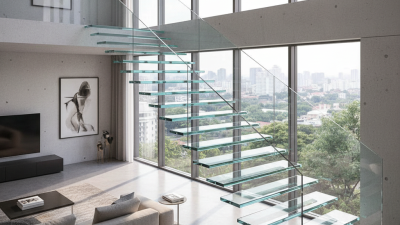
Curved glass solutions are reshaping the visual language of modern architecture by combining flowing forms with practical performance. Manufactured by heating and forming glass into a precise radius or arc, these panels create smooth transitions across building surfaces that flat glazing cannot achieve. They can follow rounded façades, frame panoramic windows, and bring greater continuity to entrances, interior partitions, skylights, and curtain walls. Depending on project requirements, curved glass may be specified as laminated, insulated, tempered, or coated glazing to support safety, comfort, and visual clarity.

Beyond its sculptural appeal, curved glass contributes to the functional performance of a building. Properly designed systems can improve daylight distribution, provide broad outdoor views, and support thermal and solar-control strategies when combined with suitable coatings and insulated assemblies. Laminated configurations can help retain fragments after breakage, while carefully engineered framing and sealing systems assist with weather resistance and long-term durability. Precise measurements and controlled forming are essential to maintain consistent curvature, optical quality, and installation accuracy.

Applications range from distinctive commercial entrances and retail façades to curved residential windows, balcony enclosures, atriums, and expansive overhead glazing. In public buildings, rounded glass walls can guide movement and create inviting circulation spaces; in homes, they can soften rigid layouts and connect interiors with surrounding landscapes. Designers can select different radii, thicknesses, tints, finishes, and levels of transparency to coordinate the glazing with structural needs, lighting conditions, privacy goals, and the architectural character of each project.

FAQS

What should I consider when choosing a frosted glass front door?

Balance privacy, daylight, energy performance, and the entrance’s direction. A narrow vertical texture can brighten a dark hallway. View samples outdoors, not only under showroom lights.

Which frosted glass pattern works best for a sunny entrance?

Denser frosting can soften strong afternoon glare. South-facing doors often need more visual filtering. Lighter frosting may suit a shaded porch.

How can a frosted glass door improve energy efficiency?

Ask for the U-factor and solar heat gain information. A lower U-factor generally indicates better insulation. Double glazing, low-emissivity coatings, and insulated frames can reduce heat loss. Seals matter too.

Does frosted glass provide enough security by itself?

No. Frosting hides indoor activity but does not automatically resist impact. Consider laminated safety glass, reinforced locks, and a strong strike plate. Ask for tested performance data.

Is a clear section useful in a frosted front door?

A small clear strip can help you notice children, pets, or visitors. It slightly reduces privacy. The right balance depends on your household and entrance layout.

How should I measure the entryway before ordering?

Measure the rough opening, not just the existing door slab. Record width at the top, middle, and bottom. Measure height on both sides and in the center. Use a steel tape.

What door compatibility details require checking?

Compare slab size, jamb depth, hinge positions, and lock bore locations. Confirm the handing and swing direction from inside. Check threshold height near tile or thick carpet.

What installation problems can affect a beautiful frosted glass door?

Uneven floors, warped jambs, damaged sills, and poor sealing can cause trouble. Inspect for drafts and water damage. I once trusted one measurement and missed the opening size. That was avoidable.

Conclusion

Choosing a Frosted Glass Front Door in 2026 requires balancing privacy, appearance, durability, and practicality. Start by comparing frosted glass types and privacy levels, since different textures and patterns can control both visibility and natural light. Consider the door’s material, structural strength, weather resistance, and suitability for your local climate. The design should complement your home’s architecture while providing useful daylight and an inviting entrance.

Before purchasing, check energy-efficiency features such as insulated glass, reliable seals, and suitable thermal performance. Security and safety are equally important, so look for strong frames, dependable locking systems, and safety-rated glass. Measure the entryway carefully, including the rough opening, door swing, frame depth, and threshold, to confirm compatibility. Finally, compare professional installation with other available methods, and evaluate cleaning needs, hardware upkeep, repair options, and long-term ownership costs. A well-planned choice will offer lasting comfort, security, style, and value.

Isabella

Isabella

Isabella is a dedicated marketing professional with a deep-seated expertise in processed and engineered glass products. With a keen eye for detail, she plays a pivotal role in promoting the company's extensive array of offerings, which include energy-efficient low-e glass, safety laminated glass,......
Previous Top 10 Simple Stained Glass Products for Global Buyers