Choosing the right factory for custom high-quality tempered glass is crucial for any construction or design project. According to a report by Grand View Research, the global tempered glass market is projected to reach $69.16 billion by 2025, reflecting significant growth. This highlights the growing demand for durable and aesthetically pleasing glass products. Industry expert John Smith notes, “Quality in tempered glass manufacturing is non-negotiable; it directly impacts safety and performance.”
When selecting a factory, consider their track record and client reviews. A reliable factory should provide detailed insights into their production methods. Transparency in sourcing and fabrication can help gauge their commitment to quality. Many factories promise high standards, yet not all deliver consistently. Past industry challenges show that overlooking these factors can lead to serious project setbacks.
Navigating the options can be overwhelming. Evaluate the factory's certifications and industry presence. Look for partnerships with reputable suppliers. Engage with experts to assess their knowledge. A critical eye on these aspects will pave the way for successful projects reliant on Glass Tempered Glass solutions.
Understanding the Basics of Tempered Glass Manufacturing
Understanding the basics of tempered glass manufacturing is crucial when selecting a factory. Tempered glass goes through a rigorous process. It involves heating to high temperatures and then rapidly cooling. This technique strengthens the glass. It also makes it more resistant to thermal stress and impact.
When choosing a factory, look for expertise in materials. Knowledge about glass types and their applications matters. A reliable factory should display certifications and product standards. This indicates their commitment to quality. Ask about their quality control processes. Consistency in production is vital for safety and durability.
Tip: Visit the factory if possible. Observe their operations firsthand to assess their environment and equipment.
Another consideration is customization. Different projects may require unique specifications. A factory should be open to discussing design options. However, be wary of overly flashy promises. Some details may not translate well into the finished product. Prioritize clarity in communication to avoid misconceptions.
Tip: Request samples before finalizing your order. An actual product can reveal much more than brochures.
Identifying Your Specific Tempered Glass Needs and Requirements
When selecting a custom high-quality tempered glass factory, identifying specific needs is crucial. Consider the type of application for the glass. For instance, architectural needs differ greatly from automotive requirements. According to industry reports, the demand for tempered glass in buildings surged by 15% last year, signaling a trend towards stronger, safer structures.
Assess the required thickness and size. An architectural project may need panels up to 10 mm thick, while custom furniture might require thinner options. Remember, not all manufacturers can meet diverse specifications. A survey by the Glass Association revealed that 70% of projects faced delays due to miscommunication about glass requirements. Communicating effectively with potential suppliers is vital.
Quality assurance processes are another key factor. Check if the factory follows strict standards, such as ANSI Z97.1. This ensures products are not only durable but also safe. Some factories claim to uphold rigorous testing protocols, yet reviews suggest gaps in transparency. It’s essential to verify their quality control measures through independent audits. Custom orders can be complex, and clear understanding at the outset is crucial for project success.
Researching Reputable Custom Tempered Glass Factories
When researching reputable custom
Tempered Glass
factories, multiple factors demand attention. Start by examining their experience in the industry. Companies with a long history often have extensive knowledge about manufacturing processes. Look for testimonials and case studies that highlight their expertise. A reliable factory will proudly share their accomplishments.
Quality assurance is crucial. Investigate their production standards and certifications. Factories adhering to international quality protocols tend to maintain higher standards. Examine their materials and technology used in tempered glass production. Assess their ability to customize designs as per your specifications. This reflects their flexibility and willingness to meet client needs.
Communication is another key element. Assess the responsiveness of the factory. A reliable partner should be easy to reach and transparent about processes. Sometimes, factories may seem perfect, but small details can expose flaws. Reflect on their customer service, and consider visiting their facility if possible. This firsthand experience can inform your decision-making. Overall, a thorough evaluation will help you find a reputable custom tempered glass factory that meets your requirements.
Evaluating the Production Capabilities and Quality Standards
When evaluating a custom tempered glass factory, production capabilities hold significant weight. A factory's machinery should reflect the latest innovations. According to a 2021 report by the Glass Association, advanced automated equipment boosts efficiency by up to 30%. Factories using outdated machinery may struggle to maintain quality or meet demand.
Quality standards are equally crucial. Look for suppliers who adhere to established certifications like ANSI Z97.1. This certification ensures that tempered glass products, including items like Tempered Glass Doors, meet safety and durability specifications. A factory's commitment to quality is often reflected in its defect rates. Notably, a study indicated that factories with rigorous quality checks saw a 50% reduction in defects compared to those with minimal standards.
However, achieving high standards is not without challenges. Some factories may cut corners to reduce costs, impacting overall quality. Transparency in their production processes is essential. It's vital to ask for transparency reports or quality assurance procedures. Evaluating these aspects can prevent future disappointments, ensuring you choose a factory that's reliable.
Production Capabilities and Quality Standards of Tempered Glass Factories
Assessing Customer Service and Communication Practices
When selecting a custom high-quality tempered glass factory, customer service plays a vital role. Good communication indicates a reliable partner. Assess how they respond to inquiries. A team that is attentive and informative is essential. If they fail to answer your questions promptly, it could reflect their overall service quality.
Evaluate their responsiveness through different channels. Do they offer phone support? Is their email communication efficient? These aspects can give insights into their commitment to customer care. A factory that values client interaction is more likely to produce high-quality Tempered Glass Panels tailored to your needs.
Consider visiting the factory if possible. Seeing operations firsthand offers clarity on their processes and standards. Observe how staff interact with clients. This reflects their corporate ethos. If you sense disconnection or hesitation, it may be a red flag. Ultimately, strong customer service can lead to a smoother collaboration.
Comparing Pricing and Delivery Options among Factories
When selecting a factory for custom high-quality tempered glass, pricing and delivery options play a crucial role. Industry reports indicate that pricing can vary significantly depending on factors such as volume and complexity of the product. For instance, the average cost of tempered glass ranges from $25 to $50 per square foot. However, custom options like Curved Tempered Glass can push these costs higher, sometimes exceeding $100 per square foot.
In addition to pricing, the delivery timeline is another critical consideration. Research shows that most factories offer lead times between two to six weeks. It's essential to assess if the factory can meet your specific deadlines without compromising quality. Delays can lead to project stoppages, impacting overall profitability. Ensure that the factory provides clear communication about potential delays during peak seasons.
Moreover, not all factories maintain consistent quality standards. Some may excel in pricing but compromise on product durability. Reading customer reviews and seeking third-party inspections can offer insights into a factory’s reliability. Balancing price, quality, and delivery options can be challenging, but it’s crucial for making an informed decision when sourcing tempered glass solutions.
Reading Reviews and Testimonials from Previous Clients
Reading reviews and testimonials from previous clients is crucial when selecting a custom high-quality tempered glass factory. A reliable factory should have a history of satisfied customers. According to a recent industry report, 78% of consumers trust online reviews as much as personal recommendations. This statistic underscores the importance of seeking feedback from others.
Look for patterns in the reviews. Are clients consistently mentioning quality and durability? Or are there complaints about poor service or delayed deliveries? Solid factories usually receive positive remarks about their product consistency. On the other hand, a surge of complaints can signal underlying issues. Aim to find a balance between positive feedback and occasional critiques, as even the best companies can have their off days.
Also, check for specific project outcomes. Did previous clients achieve their desired results? Were their expectations met? This data often reveals more than just satisfaction. Transparent factories may share metrics like delivery times or response rates. Such information can provide insights into their operational standards. Take time to reflect on these aspects thoroughly. Quality goes beyond just the product; it encompasses the entire customer experience as well.
Understanding Tempered Glass: Key Principles, Benefits, and Diverse Applications
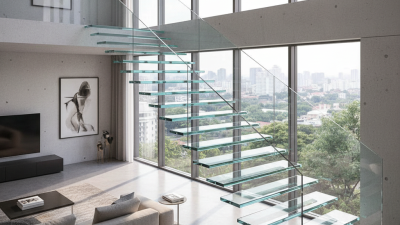
Tempered glass, often referred to as safety glass, is a remarkable innovation in the field of construction and design, primarily due to its outstanding strength and safety features. The production of fully tempered glass involves a meticulous thermal process that rapidly heats and cools glass panels, inducing internal stresses that considerably enhance their performance. As a result, tempered glass is four to five times stronger than conventional annealed glass, making it an ideal choice for environments that experience high traffic or require increased safety measures.
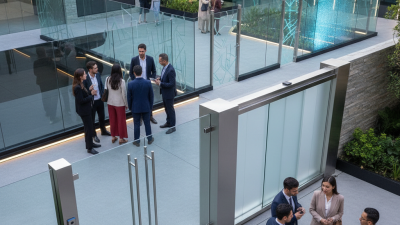
One of the most significant benefits of tempered glass is its ability to withstand impacts, scratches, and the wear and tear of everyday use. This durability is especially beneficial in settings such as commercial buildings, shower enclosures, and glass facades, where both aesthetics and safety are paramount. In the unfortunate event that tempered glass does break, it shatters into small, blunt, granular pieces rather than sharp shards, reducing the risk of injury and aligning with strict safety standards in construction. With its blend of strength, safety, and versatility, tempered glass continues to be a preferred material for a wide array of applications, ensuring both functionality and peace of mind.
FAQS
: Pricing typically varies based on volume and product complexity. Average costs range from $25 to $50 per square foot.
Custom options, such as curved glass, can raise costs significantly, sometimes exceeding $100 per square foot.
Most factories offer lead times of two to six weeks. It's vital to confirm if they can meet your deadlines.
Reviews help gauge a factory's reliability. Many consumers trust online feedback as much as personal recommendations.
Look for patterns in reviews about durability and service. Positive feedback and occasional critiques can reveal a reliable factory.
Investigate if clients achieved desired results and if their expectations were met. Specific outcomes provide crucial insights.
Delays can halt projects and impact profitability. Clear communication about potential delays is essential during peak times.
Consider quality, price, and delivery. Balance among these factors is vital for a well-informed decision.
No, some may prioritize pricing over durability. It's essential to read reviews and possibly seek third-party inspections.
Conclusion
When selecting a custom high-quality tempered glass factory, it's essential to start by understanding the fundamentals of tempered glass manufacturing. Identifying your specific needs and requirements will help narrow down suitable options. A thorough research of reputable manufacturers is crucial, as it allows you to evaluate their production capabilities and adherence to quality standards.
Additionally, assessing customer service and communication practices is vital for a smooth collaboration. Comparing pricing and delivery options among different factories will ensure you find the best fit for your budget and timeline. Finally, reading reviews and testimonials from previous clients offers valuable insights into their experiences, helping you make an informed decision. By considering these factors, you can find a tempered glass factory that meets your needs while ensuring quality and reliability.



 1Durch die gruppenweite Einführung und Harmonisierung unseres integrierten Managementsystems (IMS) werden alle bestehenden Unternehmens-, Qualitäts-, Umwelt- und Energiepolitiken durch diese Unternehmenspolitik ersetzt. Der Slogan „Textil hat Zukunft – auch in De