Picking out the perfect Stair Glass for your home isn’t just about choosing a cool style. It’s a bit more nuanced — you’ve got to think about durability, safety, and how it all looks together. Emma Carter, who’s kind of a big deal at ClearView Glazing Solutions, explains, “The right Stair Glass can totally change the vibe of a space, but it’s gotta balance beauty with strength.” Emma’s years of experience in the stair glass world have shown her the common pitfalls homeowners fall into, like ignoring impact ratings or not considering how much upkeep the glass needs. These little mistakes can end up being a real pain down the line. The thing is, finding glass that fits your home’s look but can handle everyday wear and tear isn’t always straightforward. So, in this guide, I want to cover some key points— backed by industry know-how — to help you make smarter, more confident choices. Sure, no solution is perfect, but being aware of the pros and cons definitely helps in making the right call for your stair glass situation.
Understanding the Benefits of Stair Glass in Home Design
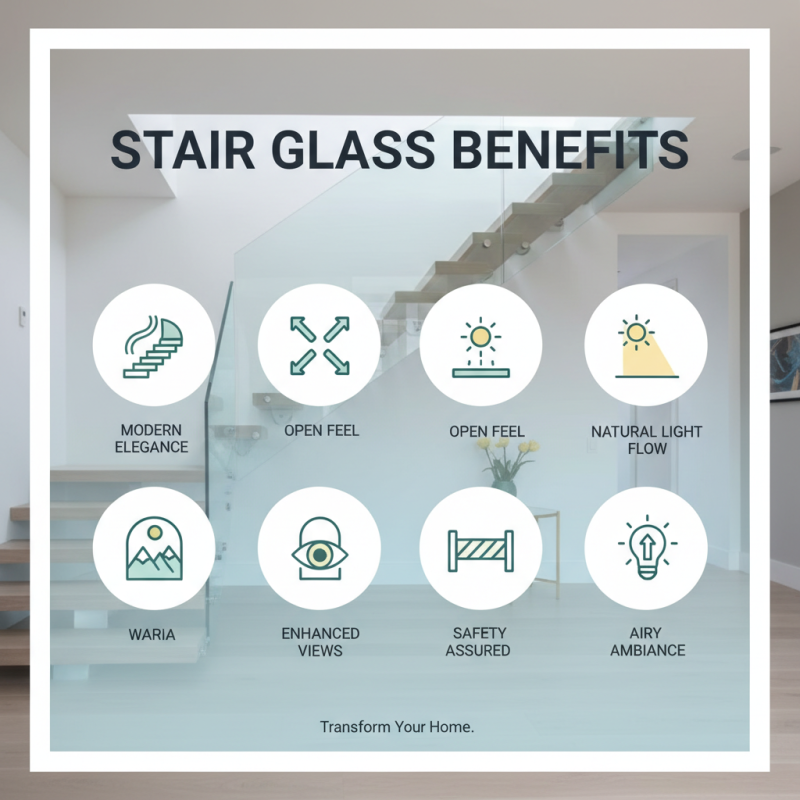
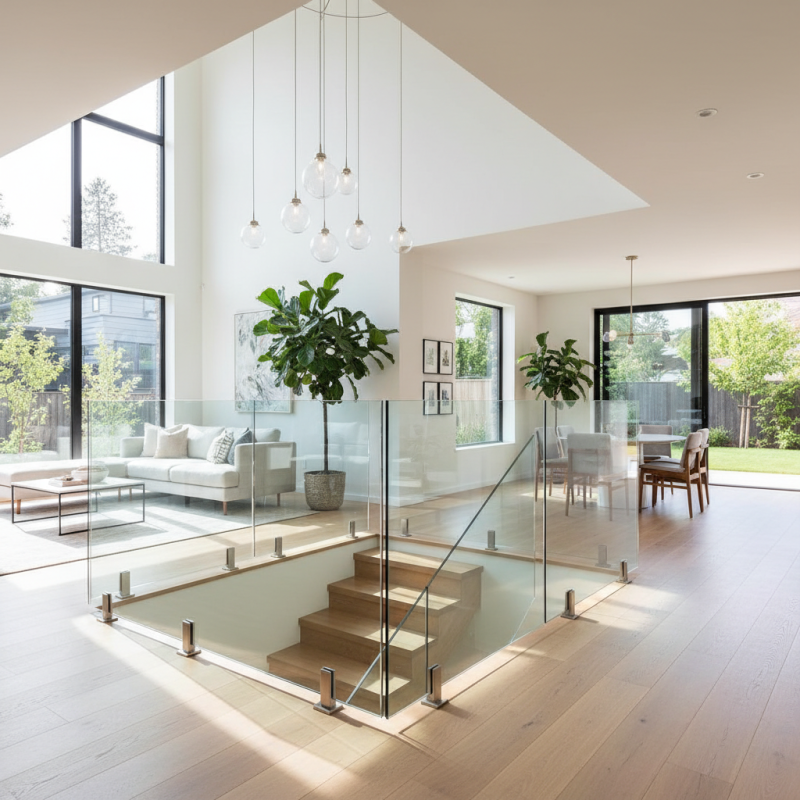
Stair glass can transform your home's design significantly. It adds elegance and a modern touch. The sleek appearance of glass railings creates an open feel. This design choice allows light to flow through spaces. Natural light can enhance the ambiance. You can enjoy views while still keeping safety in mind.
Another benefit is the illusion of more space. Glass railings do not feel imposing. Instead, they can make staircases appear more expansive. This is particularly helpful in smaller homes. Homeowners often find that glass connects different levels seamlessly. However, choosing the right type of glass is crucial. Tempered glass is popular for safety and durability.
Maintenance might require regular cleaning to avoid fingerprints and smudges. It can be a bit challenging to keep spotless. Some people overlook this aspect, which may impact the overall look. Also, glass can be more expensive than traditional materials. Weighing aesthetics against budget is important. However, many agree that the long-term benefits often outweigh these concerns.
Types of Stair Glass: Tempered, Laminated, and More
Choosing the right stair glass is crucial for safety and aesthetics. When evaluating options like
tempered and laminated glass, consider their unique properties.
Tempered glass is often favored for its strength. It undergoes a heating and cooling process that makes it durable and less prone to breakage.
An Ar Glass
option can elevate both safety and style in your home.
On the other hand, laminated glass offers additional protection. It consists of multiple layers, ensuring that, if broken,
the glass fragments remain stuck together. This feature can be especially important in homes with children or pets.
Research suggests that laminated glass provides excellent sound insulation too. However, it may come at a higher cost than tempered options.
When considering your choice, think about the installation process and maintenance. Each type has its advantages and drawbacks.
Tempered glass can be easier to clean, while laminated glass may require more attention to keep it looking pristine. It's vital to align your selection with your lifestyle and needs.
Trust your instincts but also seek professional advice to find the best fit for your space.
Key Factors to Consider When Choosing Stair Glass
When selecting stair glass for your home, several key factors come into play. Safety is paramount. Tempered glass is often recommended due to its increased strength. It shatters into small pieces instead of shards, minimizing injury risks. Considering the thickness is essential too; typically, thicker glass adds durability and enhances safety.
Aesthetic appeal is another critical factor. The clarity and design of the glass can influence your home's overall look. For a modern feel, clear Ag Glass can create a seamless transition between spaces. Textured or frosted glass may provide more privacy without sacrificing style. Think about the architectural style of your home to find a matching design.
Lastly, installation and maintenance should not be overlooked. Professional installation ensures the glass is mounted securely. Regular cleaning is necessary to keep it looking new. Consider how well you can maintain it over time. Reflecting on these aspects will help you make a more informed choice for your stair glass.
How to Choose the Best Stair Glass for Your Home?
| Key Factor |
Description |
Considerations |
| Safety |
Check for tempered or laminated glass to prevent shattering. |
Ensure it meets local building codes. |
| Design |
Choose a style that complements your home decor. |
Consider clear, frosted, or tinted options based on your aesthetic preference. |
| Thickness |
Select the appropriate glass thickness for durability and safety. |
Typically ranges from 10mm to 12mm for stair applications. |
| Maintenance |
Consider ease of cleaning and durability against weather conditions. |
Look for coatings that reduce smudging and staining. |
| Cost |
Budget for both materials and installation expenses. |
Factor in long-term savings with durable options versus cheap alternatives. |
Evaluating Safety Standards and Regulations for Stair Glass
When selecting stair glass for your home, safety should be the top priority. It's crucial to understand the relevant safety standards and regulations that govern glass installations. Familiarize yourself with local building codes. These codes often specify the thickness, tempering, and installation methods of glass. Glass that meets these standards will provide the strength necessary to withstand daily use.
Consider the different types of glass available, such as laminated or tempered glass. Laminated glass often offers additional safety, as it holds together when shattered. However, tempered glass is typically favored for its durability and sleek appearance. Each option has its advantages and limitations. Evaluating these choices can feel overwhelming but is vital for ensuring safety.
In addition to materials, installation plays a key role in safety. Poorly installed glass can pose significant risks. Check for builders or contractors who have experience with glass railings. Insist on clear communication about safety practices. Transparent dialogue ensures everyone complies with safety standards. Reflecting on these aspects is essential because overlooking them can lead to hazardous situations. Ultimately, choosing the right stair glass is more than aesthetics; it’s about ensuring a safe living environment.
Safety Standards Evaluation for Stair Glass
Design Styles: Modern, Traditional, and Customized Stair Glass
When selecting stair glass for your home, consider the design styles that satisfy your aesthetic preferences. Modern stair glass often features sleek lines and minimalistic designs. This style creates a spacious feel and allows more light to flow. A report by the National Association of Home Builders suggests that modern designs are increasingly popular, with 42% of homeowners preferring contemporary aesthetics.
Traditional stair glass, on the other hand, embraces classic elements. It can include ornate details and decorative frames. While it may not offer the same openness as modern styles, traditional glass can complement vintage and rustic interiors beautifully. However, this style’s popularity has seen a decline, down to 28% according to recent industry surveys.
Customized stair glass allows for personal expression in your home. Homeowners can select patterns, colors, and even textures that reflect their individuality. This option often requires collaborating with design professionals to achieve the desired outcome. Reports indicate that customized installations tend to provide greater satisfaction; over 60% of users report feeling more engaged with their space.
However, choosing the right Glass Fin and ensuring proper installation can be challenging. It is essential to consult industry experts to avoid potential pitfalls in design and execution.
Maintenance Tips for Keeping Your Stair Glass Beautiful
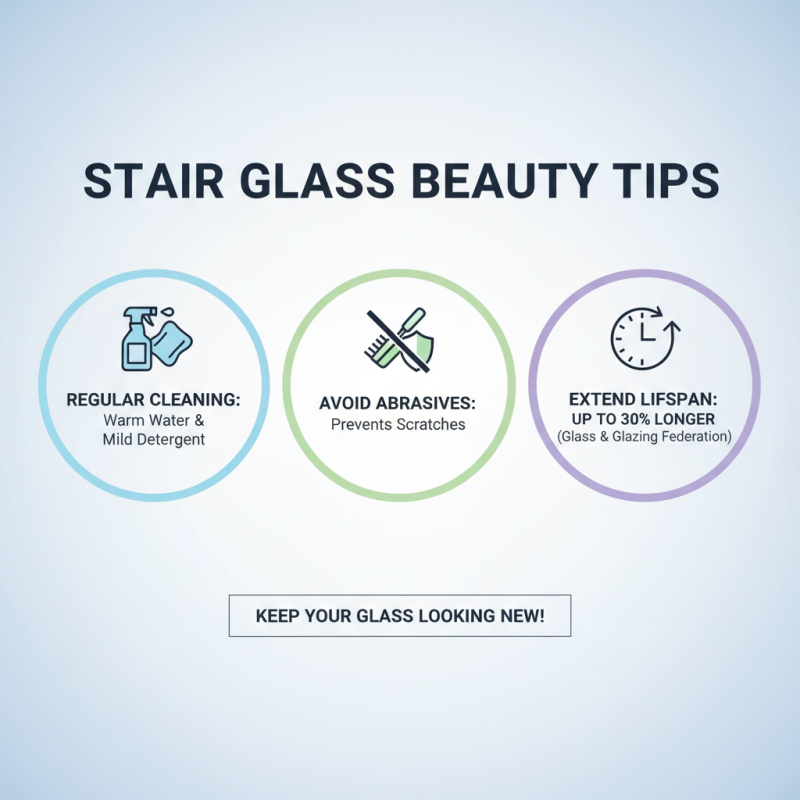
Maintaining the beauty of stair glass requires attention and care. Regularly cleaning can prevent buildup of dirt and fingerprints. A simple solution of warm water and mild detergent works well. Avoid abrasive cleaners; they can scratch surfaces. According to the Glass and Glazing Federation, regular maintenance extends the lifespan of glass by up to 30%.
For optimal results, use a microfiber cloth. It traps dust effectively. Clean at least once a month, but adjust frequency based on your home's location. Areas with high traffic may require more frequent cleaning. Additionally, inspect for cracks or damage. The National Glass Association recommends addressing any issues immediately to ensure safety and maintain aesthetics.
Consider using a protective coating. These treatments can enhance clarity and repel water. Yet, remember, coatings can wear over time. You may need to reapply every couple of years. While it may seem like a hassle, the payoff is significant. Well-maintained glass can elevate the overall appeal of your home, making it feel more inviting.
Cost Considerations: Budgeting for Stair Glass Installation
When considering stair glass installation, budgeting is crucial. First, you should determine your total budget. Installation costs can vary significantly based on the type of glass you choose.
Bent Glass, for example, often requires more complex manufacturing processes. This can drive up installation costs, so be mindful of this when planning your expenses.
Tips for budgeting include researching local prices. Obtain multiple quotes to compare costs. Don't overlook the potential hidden fees, such as installation labor or additional frame materials. You might find some contractors charge more for specialized glass types like bent glass.
Another consideration is maintenance. Some glass options require more upkeep, leading to long-term costs. While it's tempting to cut corners initially, this may lead to higher expenses down the line. Balancing aesthetics and functionality is vital. Take your time to reflect on what you truly need in your stair glass before making a decision.
Exploring the Impact of Curved Glass in Modern Architecture: Trends, Innovations, and Market Growth Projections
Curved glass is transforming the landscape of modern architecture by blending aesthetic elegance with functional performance. This specialized glazing product, shaped into arcs or radii through advanced heating and forming techniques, allows architects to create striking designs that seamlessly integrate with both commercial and residential structures. Its versatility enables the incorporation of curved facades, windows, skylights, and curtain walls, contributing to a more dynamic architectural profile.
The advantages of curved glass extend beyond mere appearances; it offers enhanced safety and energy efficiency. The unique shape minimizes the need for additional structural support while maximizing natural light, which can significantly reduce energy consumption in buildings. As a result, the growing demand for sustainable architecture bolsters the market for curved glass, as architects and builders seek innovative solutions to meet modern design goals while maintaining environmental responsibility. This trend underscores the increasing importance of materials that combine form and function in contemporary construction practices.
FAQS
: Tempered glass is a strong type made through heating and cooling processes. It resists breakage better than regular glass.
Laminated glass has layers that keep fragments together if broken. It’s safer for homes with children or pets.
Thicker glass generally enhances durability and safety. It is a critical consideration when selecting your stair glass.
The design and clarity of glass influence your home's style. Clear glass offers a modern look; textured glass adds privacy.
Yes, tempered glass is easier to clean. Laminated glass may require more effort to maintain its appearance.
Professional installation ensures the glass is safely mounted. It minimizes risks of accidents and ensures longevity.
Yes, laminated glass offers excellent sound insulation, making it ideal for noise-sensitive areas in your home.
Reflect on your daily routine. Some glass types may require more upkeep, affecting your choice based on convenience.
Safety is crucial. Tempered glass minimizes injury risk by breaking into small pieces instead of sharp shards.
Consider your home's architecture. Select glass that complements your design for both functionality and aesthetics.
Conclusion
When choosing the best Stair Glass for your home, it’s essential to understand the various benefits it brings to home design. Stair Glass not only enhances aesthetic appeal but also allows for natural light to flow through spaces, creating an open and inviting atmosphere. There are different types of Stair Glass, including tempered and laminated options, each offering unique characteristics that can fit different design needs.
Key factors to consider when selecting Stair Glass include safety standards and regulations, which are crucial for ensuring durability and protection. Homeowners can explore various design styles, from modern to traditional and customized solutions, to perfectly match their interior decor. Maintenance tips are valuable for keeping Stair Glass looking pristine over time. Lastly, considering cost and budgeting for installation helps ensure that the addition of Stair Glass remains a beneficial and stylish investment.



 1Durch die gruppenweite Einführung und Harmonisierung unseres integrierten Managementsystems (IMS) werden alle bestehenden Unternehmens-, Qualitäts-, Umwelt- und Energiepolitiken durch diese Unternehmenspolitik ersetzt. Der Slogan „Textil hat Zukunft – auch in De