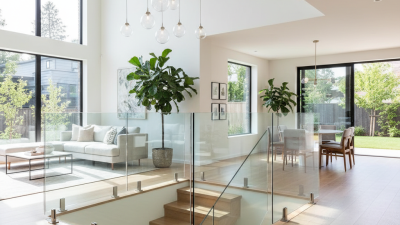
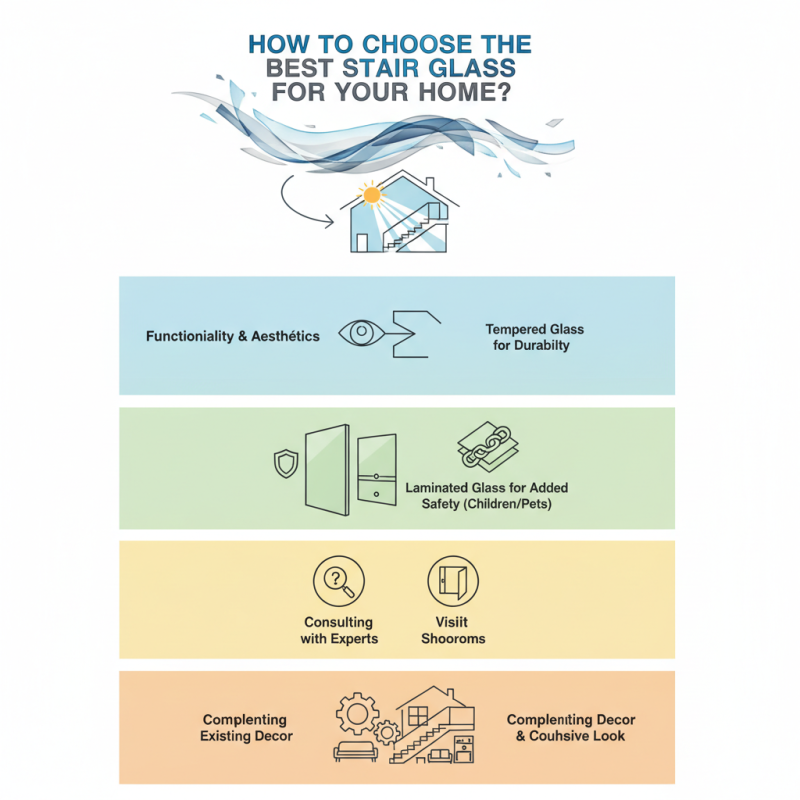
So, when you're picking out the right Stair Glass for your home, it's good to think about both how it looks and how it works. Honestly, Stair Glass can do wonders—not just for safety, but also for sprucing up your interior vibe. Plus, it lets in a bunch of natural light, which makes rooms feel bigger and way more inviting. And hey, everyone’s taste is different, so finding that perfect clarity and style that clicks with you is part of the fun.
It’s also super important to check out the different types out there. For durability, tempered glass is a solid choice—it’s tough stuff. But if safety is your top priority, especially if you’ve got kids or pets running around, laminated glass might be worth considering. Sometimes, we get tempted by fancier or more expensive options, but honestly, the most important thing is that it fits what you need and your budget.
Talking to experts like GlassGuard or ClearView can really help clear things up—they’ve got the know-how to guide you through the options. Visiting showrooms is also a great move; seeing how the glass looks in a real-life setting can make a big difference. Just don’t forget to pick a style that matches your existing decor so everything flows nicely. Taking your time and thinking it through can seriously transform your space — trust me, it’s worth the effort!
Understanding the Importance of Stair Glass in Home Design
Stair glass is crucial in home design. It adds beauty and elegance to any space. More than just aesthetics, it enhances safety. Transparent glass creates an open feel. This is especially valuable in smaller homes. It allows light to flow freely, making rooms appear larger.
Choosing the right stair glass is not simple. Quality matters; you need durability and safety. Tempered glass is often recommended. It withstands impact well, reducing the risk of shattering. However, it can be pricey. Consider your budget and the overall design of your home.
Installation can be complex. Improper fitting could lead to hazards. You might need professional help to avoid mistakes. Hiring experts ensures the job is done right. Still, some homeowners may prefer DIY approaches. It offers a personal touch but demands careful planning. Every detail counts when selecting stair glass. Give it the attention it deserves.
Types of Stair Glass: Clear, Frosted, and Tinted Options
Choosing the right type of stair glass can significantly impact both aesthetics and safety in your home.
Ar Glass
offers an unobstructed view, creating a sense of openness. According to industry reports, clear glass is often the preferred choice for modern designs.
It effectively enhances natural light and showcases any architectural features. However, fingerprints and smudges can be an issue, requiring regular maintenance to keep it looking pristine.
Frosted glass presents a different solution. It provides privacy while still allowing light to filter through.
This option is ideal for homes where safety and seclusion are essential. Data suggests that frosted glass stair railings reduce the risk of accidents by limiting visibility to hazardous areas.
While aesthetic appeal is important, frosted glass may require more robust cleaning than its clear counterpart, as scratches can accumulate and decrease its charm.
Tinted options, meanwhile, are gaining popularity. They can help reduce glare and heat, making your stairwell more comfortable.
The World Glass Federation indicates a rising trend in tinted glass installations for energy efficiency.
However, homeowners should consider that very dark tinted glass can create a gloomy atmosphere.
Balancing light and privacy is crucial. In all cases, Ar Glass materials present diverse benefits, depending on your specific needs and tastes. Each choice comes with its nuances and considerations for long-term satisfaction.
Safety Considerations for Choosing Stair Glass
When selecting stair glass, safety is a primary concern. Glass railings need to be robust and shatter-resistant. According to a study by the Glass Association, tempered glass can withstand significant impact, making it a safer choice for residential applications. The thickness of the glass also matters; panels typically range from 10mm to 12mm for optimal strength.
In terms of installation, it's crucial to ensure proper support. The American Society for Testing and Materials recommends that glass panels be secured with durable hardware. This reduces the risk of accidents and ensures stability. Many homeowners overlook the need for regular maintenance, which can lead to weakening over time. Regular inspections can identify potential issues before they become serious.
Choosing Ag Glass can enhance safety while adding a modern touch to your home. However, if poorly installed or maintained, even the best glass can pose risks. It’s essential to work with qualified professionals who understand local building codes and regulations. Ultimately, prioritizing safety in every aspect of stair glass selection will provide peace of mind for you and your family.
Framing Options for Stair Glass: Metal, Wood, and More
When selecting the best stair glass for your home, framing options significantly impact both aesthetics and safety. Metal, wood, and composite materials offer diverse choices for both functionality and design. According to a recent industry study, about 58% of homeowners prefer metal frames due to their durability and modern appeal. Metal can withstand various weather conditions, making it an ideal choice for both indoor and outdoor staircases.
Wood frames, while traditional, provide a warm and inviting look. However, they require regular maintenance to prevent warping and damage from moisture. According to recent reports, over 40% of homeowners express concern about the ongoing upkeep of wooden frames. This can lead to additional costs and efforts, which should be carefully considered when choosing materials. Each option has its unique benefits and challenges.
Composite materials are growing in popularity, appealing to those seeking a balance between cost and durability. They combine elements of both wood and metal, offering a modern look without the hassle of maintenance. Yet, the long-term performance of these materials remains a topic of study, emphasizing the importance of making well-informed decisions.
Maintenance Tips for Stair Glass to Ensure Longevity
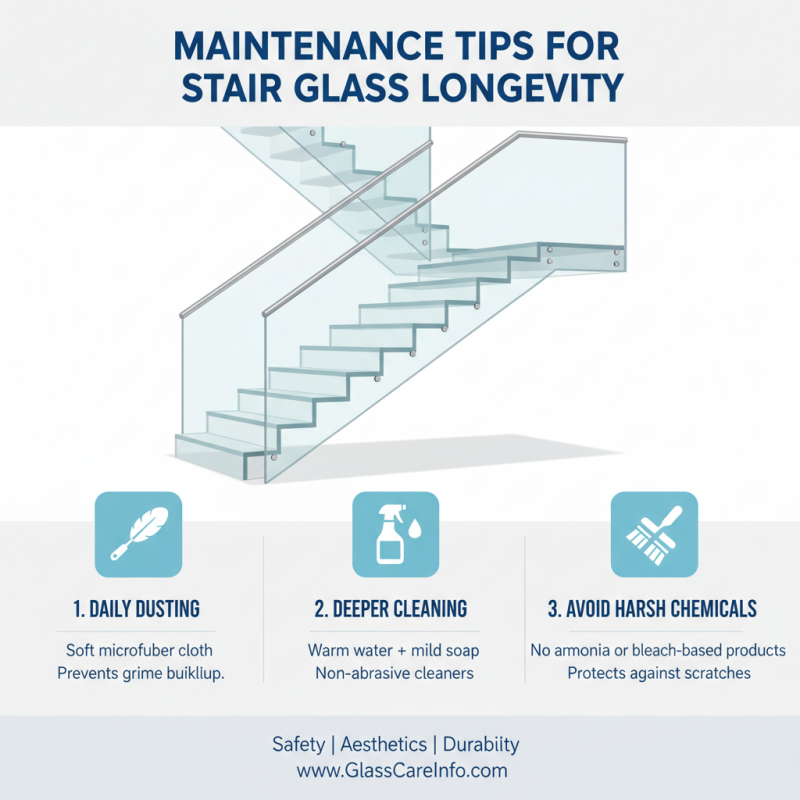
Maintaining stair glass is crucial for both safety and aesthetics. Regular care prevents scratches and keeps the glass looking pristine. Start by using a soft microfiber cloth for daily dusting. This prevents grime buildup that can be harder to clean later. For deeper cleaning, a mix of warm water and mild soap is effective. Avoid abrasive cleaners; they can scratch the surface.
Utilizing a Glass Fin system can enhance safety. These fins secure the glass panels, providing stability and support. Check for any looseness regularly. If a fin appears compromised, address it immediately. Over time, exposure to humidity can weaken the bonds. Inspect the seals and gaskets to prevent leaks or moisture issues.
Consider the environment when choosing a cleaning approach. Excessive sunlight can lead to fading edges on your stair glass. Using window treatments can help. Preventing direct exposure not only protects but also maintains clarity. Regular inspections, combined with proper cleaning, ensure your glass remains in great shape for years. Lastly, reflect on your methods. Learn from wear patterns and adapt your cleaning routine as needed.
Cost Factors to Consider When Selecting Stair Glass
When selecting stair glass, cost is a critical factor to consider. The type of glass significantly influences the price. For instance, tempered glass generally costs more due to its strength and safety features. Bent Glass, with its unique curvature, can also impact costs significantly. This specialized glass often requires more intricate manufacturing processes, leading to higher prices.
Installation costs must not be overlooked. Hiring skilled professionals can add to the overall budget. Inadequate installation can lead to safety hazards, which are a major concern in stairways. Always seek quality workmanship to avoid future issues. It’s also essential to account for maintenance costs. Regular cleaning and occasional repairs can add up over time.
Beyond the initial purchase, think about long-term value. Investing in high-quality stair glass like bent glass could save you costs in the long run. It may be more expensive upfront but can provide better durability and aesthetic appeal. Reflect on your choices and prioritize safety, durability, and design when making your selection.
Cost Factors to Consider When Selecting Stair Glass
Installation Considerations: DIY vs. Professional Help
When considering stair glass installation, the decision to go DIY or hire a professional is crucial. Many homeowners are tempted to save costs. However, a report from the National Association of Home Builders indicates that improper installation can lead to safety risks. Glass railings must meet specific safety standards and local codes. A small miscalculation in measurements can lead to serious accidents.
Professional installation often ensures compliance with regulations. Glass must be tempered and properly secured. This is where expertise shines. For instance, professionals maintain a 97% customer satisfaction rate, primarily due to their attention to detail. They are equipped to handle unexpected obstacles during installation, ensuring a seamless fit and finish.
DIY projects might save money upfront, but errors can be costly. A study by the Home Improvement Research Institute showed that nearly 30% of DIY projects ended up needing professional help due to major installation issues. Homeowners should weigh the risks of potential damage and the need for future repairs. Investing in skilled labor may prevent headaches down the line.
FAQS
: Use a soft microfiber cloth for daily dusting. A mix of warm water and mild soap works for deeper cleaning.
Avoid abrasive cleaners. They can scratch the glass surface and reduce its clarity over time.
It enhances safety by securing glass panels. Regularly check for any looseness or damage in the fins.
Humidity can weaken seals and gaskets. This may lead to leaks or moisture issues over time.
Excessive sunlight can cause fading on edges. Using window treatments can help protect the glass from direct exposure.
The type of glass and installation costs are crucial. Tempered glass tends to be more expensive but safer.
Higher-quality glass may have a higher upfront cost but provides better durability and aesthetics over time.
Regular inspections are essential. They help catch any issues before they become major problems.
Reflecting on wear patterns can guide your cleaning routine. Adjust methods based on observed damage or buildup.
Poor installation can lead to safety hazards and costly future repairs. Always invest in skilled professionals.
Conclusion
Choosing the right Stair Glass for your home is essential for both aesthetic appeal and safety. Stair Glass serves not only as a design element that enhances the overall look of a space but also provides necessary safety features, especially in homes with children or elderly residents. When considering types of Stair Glass, options like clear, frosted, and tinted variations can influence the level of privacy and light that flows through your home.
Safety is paramount when selecting Stair Glass; it is crucial to choose tempered or laminated glass to minimize breakage risks. Additionally, framing options such as metal or wood can complement your interior design while ensuring stability. It's also important to consider maintenance to keep your Stair Glass in top condition. Cost factors can vary significantly based on the type of glass and framing chosen, as well as whether you decide to undertake installation yourself or hire a professional. A thoughtful approach to these considerations will help you select the best Stair Glass for your home.



 1Durch die gruppenweite Einführung und Harmonisierung unseres integrierten Managementsystems (IMS) werden alle bestehenden Unternehmens-, Qualitäts-, Umwelt- und Energiepolitiken durch diese Unternehmenspolitik ersetzt. Der Slogan „Textil hat Zukunft – auch in De