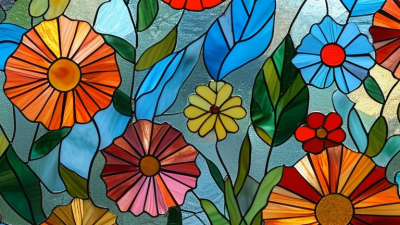
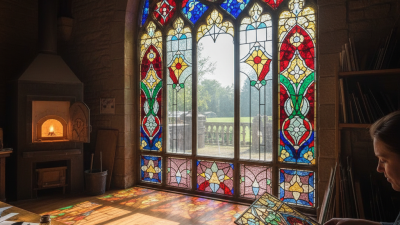
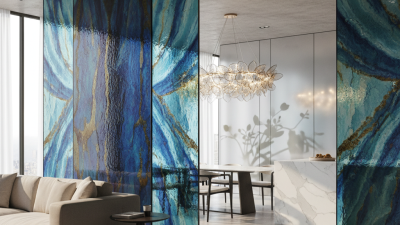
Want to really make your home feel uniquely yours? One of the coolest ways to do that is through art, especially with personalized stained glass. Personalized Stained Glass combines creativity and craftsmanship to turn boring, plain spaces into something extraordinary. I remember artist Sarah Mitchell saying, "Personalized stained glass can tell your story in such a vivid and beautiful way." It’s not just about looks; this kind of art can really bring out the emotional side of your home, making it feel more alive.
And the best part? You can customize each piece to match your style—think about your favorite colors or patterns, glowing in the sunlight. That’s where the real magic happens. Just a heads-up, though—it's super important to work with a talented artisan who gets what you’re after. Some artists are fabulous technically but might not totally connect with your vision—finding the right person might take a bit of time.
It’s also a good idea to let your own stories and memories inspire the design. What moments or symbols are meaningful to you? Bring those into the mix. Creating personalized stained glass is all about embracing the little imperfections and individual stories, making your home truly unique and special.
So, it’s not just about decorating—it’s about telling your story in a way that feels authentic and heartfelt. Trust me, the results are pretty incredible.
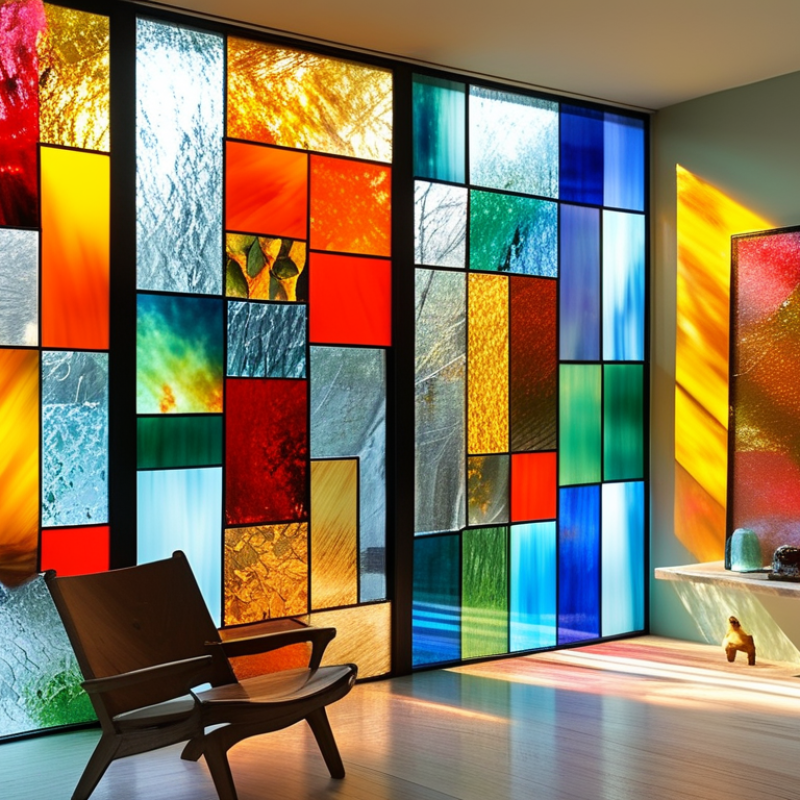
Choosing the Right Stained Glass Design for Your Space
Choosing the right Stained Glass design for your home can be an enriching experience. Start by considering the color palette of your existing decor. Vivid hues can bring energy, while softer tones create tranquility. Think about how light interacts with glass. The natural illumination through stained glass transforms spaces in unexpected ways.
Explore various patterns and styles. Geometric designs can add a modern touch, while floral patterns offer a classic feel. Reflect on the mood you want to establish. Sometimes, a design might not fully resonate with your personal taste at first. It's okay to be critical and revisit choices. A piece may not feel like a perfect fit during the selection process.
Another important aspect is the scale of the artwork. Large stained glass windows can dominate a room, while smaller pieces are often more subtle. Consider how a piece will affect the room's proportion and overall atmosphere. Be open to adjustments and changes as you curate your collection. This will help you create a cohesive look while also making your home feel more personal. Your journey with stained glass is all about finding balance and harmony.
Gathering Essential Tools and Materials for Stained Glass Art
Creating your personalized stained glass can be a fulfilling project. To get started, gathering the right tools and materials is crucial. You will need glass cutters to shape your glass pieces. A cutting mat helps with precision. Foil or lead came is essential for holding the pieces together. Don’t forget to collect safety gear like goggles and gloves.
For colors, choose a variety of glass sheets in different hues. Transparent or opaque glass can create stunning effects. It might take time to get used to cutting glass, and mistakes often happen. Imperfections in your cuts can lead to creative solutions. Rather than discarding failed pieces, consider them for a Faux Stained Glass effect.
Adhesives and soldering materials are key for assembly. A soldering iron will help bond the glass together. Practice your techniques with inexpensive materials before committing to a larger project. Embrace the learning process. The more you create, the better your skills will become. Engaging with others in the stained glass community can also enhance your journey.
Step-by-Step Instructions for Cutting Stained Glass Pieces
Creating personalized stained glass can be a rewarding endeavor. To cut stained glass pieces successfully, you need the right tools and techniques. Start with high-quality glass marked specifically for cutting. Glass thickness is usually around 2-5 mm. It’s essential to use a glass cutter with a carbide wheel. This tool will score the surface, allowing for a controlled break.
For your pieces, use a straight edge to guide your cuts. Apply firm, even pressure when scoring. It’s common for beginners to apply too much force, leading to cracks. After scoring, gently snap the glass along the line. If it doesn't break easily, score it again lightly. Many artisans recommend practicing on scrap glass first to refine your technique.
Wear safety gear, including goggles and gloves, especially when handling sharp edges. A dust mask is also wise, as glass can create fine particles. Reflect on the glass shapes and colors you envision; taking time to plan can avoid misuse of valuable materials.
When arranging your pieces, consider the aesthetics of light and color patterns. Take photographs of your setup to compare during the layout process. Experimenting with different designs often leads to unexpected yet beautiful results. Remember, patience is key to creating stunning stained glass art for your home.
How to Create Personalized Stained Glass for Your Home? - Step-by-Step Instructions for Cutting Stained Glass Pieces
| Step |
Materials Needed |
Instructions |
Safety Tips |
| 1 |
Stained glass sheets, glass cutter, cutting mat |
Choose glass sheets and place them on a cutting mat. |
Wear safety goggles and gloves. |
| 2 |
Pencil, ruler, template |
Draw your desired shapes on the glass using a template. |
Ensure your work area is well-ventilated. |
| 3 |
Glass cutter |
Carefully score the glass along your drawn lines using the glass cutter. |
Keep hands dry to avoid slipping. |
| 4 |
Breaking pliers |
Use breaking pliers to snap the glass along the scored lines. |
Handle glass pieces with care to avoid cuts. |
| 5 |
Copper foil or lead came, soldering iron |
Assemble the cut glass pieces using copper foil or lead came and solder them in place. |
Be cautious with the soldering iron; it can cause burns. |
| 6 |
Patina solution (optional) |
Optionally, apply a patina solution to give your stained glass a unique finish. |
Wear gloves when handling chemicals. |
| 7 |
Hanging hardware |
Install hanging hardware to display your finished stained glass piece. |
Ensure it’s securely attached to avoid falls. |
Techniques for Assembling and Leading Stained Glass
Creating personalized stained glass can enhance your home’s charm, and understanding the techniques for assembling and leading is essential. Choose your glass carefully. Different textures and colors can dramatically change the light that comes through. Cutting glass requires precision. Even a small mistake can lead to frustration. Invest time in practicing your cutting skills on scrap pieces first.
Assembling the glass pieces involves using copper foil or lead came. Copper foil offers flexibility for intricate designs. Lead came, on the other hand, provides sturdiness for more extensive projects. When assembling, keep in mind the importance of a strong solder joint. A weak joint can compromise the entire piece, forcing you to start anew. It’s a delicate balance between ensuring aesthetics and structural integrity.
Leading stained glass is a meticulous process. Properly aligning the glass before soldering is crucial. Take your time; rushing can lead to unsatisfactory results. During this phase, expect some trial and error. Imperfections can arise, prompting you to reassess your technique. Reflect on what works and what doesn't. Each mistake is a learning opportunity that will improve your skills over time.
Finishing Touches: Grinding, Polishing, and Framing Your Glass
Grinding, polishing, and framing are essential steps in creating personalized stained glass. These finishing touches can significantly enhance the overall aesthetic and durability of your artwork. According to the Glass Association, almost 70% of stained glass enthusiasts acknowledge that proper finishing methods directly affect the longevity of their pieces.
Grinding is crucial for smoothing rough edges. A well-ground piece ensures safety and integrity. The grinding process allows for precise cuts, especially for intricate designs. Once ground, the glass requires polishing for a shiny appearance. Utilizing a polishing compound can enhance transparency. Artisans often recommend achieving a smooth finish by using appropriate tools. However, achieving the perfect polish can take time and sometimes leads to over-polishing, which may result in unwanted scratches.
Framing adds a final touch to your stained glass masterpiece. Selecting the right frame can elevate the design. It helps in protecting the glass and giving it a finished look. The frame should complement your piece without overwhelming it. A well-chosen frame does not just support the glass; it enhances the overall aesthetic of your home. Measurements should be precise, as miscalculations can lead to framing errors. Reflecting on these aspects is vital as even seasoned artisans can overlook details. Balancing perfection with imperfection can be a challenging yet rewarding experience in stained glass art, especially when considering trends like Fake Stained Glass that might offer a quick alternative.
Exploring Customization Options for Unique Personalization
Personalizing your home with stained glass opens a world of creativity. Think about the colors you love. Deep blues or soft pastels can reflect your personality. Consider incorporating meaningful symbols. A favorite flower or a cherished memory might inspire your design. Engaging with a skilled artisanal creator can bring these ideas to life. Each piece will tell a story that resonates with you.
Customization options for Stained Glass Doors can be extensive. You might choose between geometric patterns or flowing designs. Mixing different textures adds depth and interest. Lighting plays a crucial role too. The way light interacts with glass can change mood and feel in a space. Balance is essential, but perfection is not always necessary. Embrace the unique imperfections that come with hand-crafted work. They often reveal the human touch in each creation.
Don't forget about functionality alongside aesthetics. Durable materials ensure longevity in your stained glass door masterpiece. Consider the maintenance needed for your installation. Cleaning may be required periodically, but it is a small effort for such beauty. Reflect on how this personalized addition changes your home's ambiance. It can become a focal point, inviting conversation and admiration.
Caring for Your Stained Glass Art: Maintenance Tips and Tricks
Caring for your stained glass art is essential to maintain its beauty and longevity. According to a report from the American Glass Guild, proper maintenance can extend the lifespan of stained glass by up to 50%. Dust, dirt, and moisture can dull the vibrant colors, so regular cleaning is vital. Use a soft, lint-free cloth moistened with a mixture of water and mild dish soap. Avoid harsh chemicals that can damage the glass or lead came.
Pay attention to the framing and installation area. High humidity can weaken the materials. Utilizing dehumidifiers in damp rooms keeps the environment right. If you notice any cracks or loose pieces, seek a professional restoration service. Repairing small issues early can prevent significant damage later.
Remember, sunlight is both a friend and foe. Direct sunlight can fade colors over time. Consider using window films or curtains to minimize extensive exposure. Regularly inspect your stained glass to check for signs of wear or deterioration. A proactive approach ensures your art remains a cherished part of your home. The beauty of stained glass lies in its intricate design, and taking the time to care for it pays off in the long run.
Stained Glass Art Maintenance: Importance of Regular Care
Exploring the Market Trends and Innovations in Glass Flooring and Staircase Systems: Insights from Recent Industry Reports
The market for glass flooring and staircase systems has seen a significant transformation, driven by innovative designs and a growing demand for high-performance materials. Recent industry reports highlight the trend towards aesthetically striking solutions that not only enhance the visual appeal of spaces but also promote functionality. Glass systems are engineered to allow light transmission, creating an open and airy feel that can elevate any environment. This emphasis on aesthetics does not come at the cost of safety; rather, it is complemented by robust structural support that ensures durability and long-term use.
One of the most compelling aspects of modern glass systems is their versatility. They can be seamlessly integrated into a wide range of applications, from residential homes to commercial buildings, and even in specialized environments like art galleries and museums. The ability to maintain a clear visual connection between spaces while ensuring safety makes glass an attractive option for designers and architects alike. As innovation continues to spur advancements in material technology and design methodologies, the future of glass flooring and staircases looks bright, promising even more options for those looking to blend beauty with practicality in their spaces.
FAQS
: You need glass cutters, a cutting mat, foil or lead came, and safety gear like goggles and gloves.
Regularly clean with a soft cloth and a mild soap mixture. Avoid harsh chemicals that can damage the glass.
Yes, imperfect cuts can lead to creative solutions. Repurpose them for faux stained glass effects.
High humidity can weaken materials. Use dehumidifiers in damp areas to protect your art.
Direct sunlight can fade colors. Use window films or curtains to limit exposure.
Seek a professional restoration service early to prevent more significant damage.
Yes, engaging with others can enhance your skills and provide support in your artistic journey.
Use inexpensive materials to experiment with techniques before committing to larger designs.
Proper care can extend its lifespan by up to 50%. Regular inspections and cleaning are vital.
Look for dust buildup, loose pieces, or discoloration as indicators of maintenance needs.
Conclusion
Creating personalized stained glass for your home involves several key steps to ensure that the final piece reflects your unique style. First, you need to choose the right design that complements your space. Once you have a design in mind, gather essential tools and materials such as glass cutters, copper foil, and soldering equipment. The process begins with cutting the stained glass pieces accurately, followed by assembling and leading them together to create your masterpiece.
After the assembly, finishing touches like grinding, polishing, and framing are crucial for enhancing the overall appearance of your personalized stained glass. Additionally, exploring customization options allows for further uniqueness in your design. Finally, to maintain the beauty of your stained glass art, remember to follow essential care tips and tricks. By following these steps, you can create stunning personalized stained glass that elevates your home decor.



 1Durch die gruppenweite Einführung und Harmonisierung unseres integrierten Managementsystems (IMS) werden alle bestehenden Unternehmens-, Qualitäts-, Umwelt- und Energiepolitiken durch diese Unternehmenspolitik ersetzt. Der Slogan „Textil hat Zukunft – auch in De