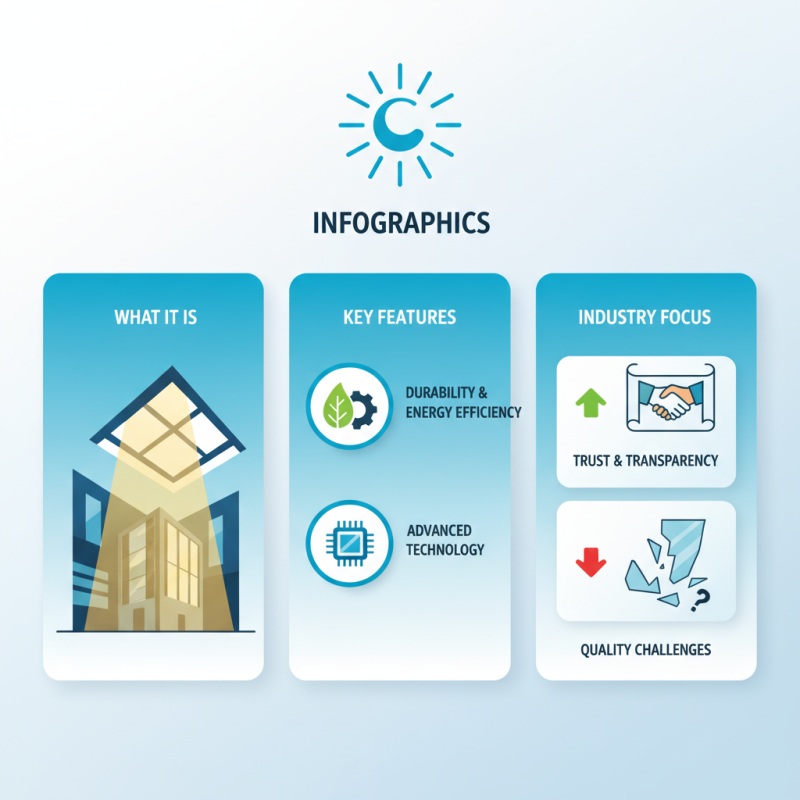
You know, in the super competitive world of construction and design, having high-quality OEM Skylight Glass is pretty much essential nowadays. I came across what Dr. Emily Johnson, who’s kind of a rockstar in the architectural materials scene, said—she mentioned that "Skylight Glass can totally transform a space, bringing in natural light that really makes environments pop." Honestly, her words just underscore how important it is to pick top-notch products if you want something that truly lasts and makes an impact.
These days, reliable OEM Skylight Glass exporters offer all sorts of products to match different needs. They’re really focusing on making glass that’s durable and energy-efficient too, so places feel warmer and more inviting. A lot of these companies are using some pretty cutting-edge technology in how they manufacture, which means their glass can handle environmental wear and tear while still looking really good.
Of course, like any industry, there are some hurdles—things like maintaining consistent quality and trusting your suppliers can be tricky. Some companies talk a big game but don’t always deliver on the promise. That’s why it’s so important to do your homework and really research before you commit. In the end, those who are truly trustworthy tend to be transparent about their process and genuinely committed to excellence — you can usually tell who they are if you pay a little attention.
What Defines High Quality OEM Skylight Glass?
When considering high-quality OEM skylight glass, certain characteristics stand out. A crucial element is the type of glass used. High-quality skylight installations often utilize
Glass Tempered Glass. This material is resistant to thermal stress and provides enhanced safety features. Tempered glass can withstand extreme weather conditions, making it ideal for varying climates.
Another defining trait is the precision in manufacturing. High-quality OEM skylight glass is produced using advanced technology. This ensures uniform thickness and clarity. The quality control processes are rigorous. Even minor inconsistencies can compromise performance. It's vital for manufacturers to ensure every panel meets exact specifications. This attention to detail results in better insulation and energy efficiency.
Design also plays a significant role. High-quality skylight glass offers customizable options, catering to both aesthetics and functionality. However, achieving perfect integration into existing structures can be challenging. It requires expertise and thoughtful planning. Companies must address potential issues during installation. Proper sealing and framing are crucial for long-term performance. Reflecting on installation practices can lead to improved outcomes and increased customer satisfaction.
Key Features of High Quality Skylight Glass Products
High-quality OEM skylight glass has become essential in modern architecture. These products ensure optimal natural lighting while providing energy efficiency and durability. Key features of high-quality skylight glass include superior thermal performance, UV resistance, and enhanced safety features. Reports suggest that energy-efficient skylight systems can reduce cooling costs by up to 30%, significantly impacting long-term expenses.
When selecting skylight glass, certain specifications matter. Look for low-emissivity (Low-E) coatings. These coatings reflect heat and help maintain comfortable indoor temperatures. Tempered glass also boosts strength and safety, making it a sound choice. Additionally, ensure the glass is resistant to yellowing or degradation over time. This can enhance both aesthetics and functionality.
Tip: Consider the climate in your area before choosing a skylight. In colder regions, focus on thermal performance. In sunnier areas, prioritize UV resistance to protect interior furnishings. Remember, not all glass products are created equal. Research and evaluate options thoroughly to find the best solution.
The Role of OEM in Skylight Glass Manufacturing
OEM, or Original Equipment Manufacturer, plays a crucial role in the skylight glass industry. Their expertise lies in producing high-quality glass products that meet specific client requirements. OEMs can tailor the manufacturing process to suit various architectural needs. This flexibility provides architects and builders with innovative design options.
High-quality skylight glass, such as Ar Glass, often features enhanced performance attributes. It can provide insulation and UV protection, making it suitable for diverse climates. OEM exporters ensure that these products meet rigorous industry standards. They focus on using superior materials and advanced technologies. Yet, not all OEMs maintain the same level of quality. Some may prioritize cost over durability, leading to subpar products.
The collaboration between manufacturers and other stakeholders is essential. Feedback from architects can guide improvements in skylight designs. OEMs must remain open to critique, continuously refining their offerings. Failing to adapt may result in lost opportunities in a competitive market. The demand for high-quality skylight glass continues to grow, highlighting the importance of reliability from OEM partners.
Skylight Glass Export Market Overview
Benefits of Sourcing Skylight Glass from Exporters
Sourcing high-quality OEM skylight glass from exporters offers multiple advantages. Exporters often provide a wide variety of options, from standard designs to customized shapes. This flexibility allows architects and builders to meet specific project requirements effectively. Skylight glass enhances natural light in buildings, creating a welcoming ambiance. Exporters usually have experience in international standards, ensuring compliance with quality and safety regulations.
When looking for a reliable skylight glass supplier, consider their experience. Long-standing exporters are often more knowledgeable about market trends and client needs. They can offer valuable advice on materials. For instance, when using Ag Glass, you should inquire about its performance in different climates. Knowing your specific application is crucial for optimal results.
Don’t overlook the importance of quality assurance. Ask for certifications that prove the glass meets set standards. This will help avoid future issues related to durability and safety. Lastly, evaluate customer feedback to gauge the reliability of the exporter. Client testimonials can provide insights into service quality and product performance.
Key Markets for High Quality OEM Skylight Glass Export
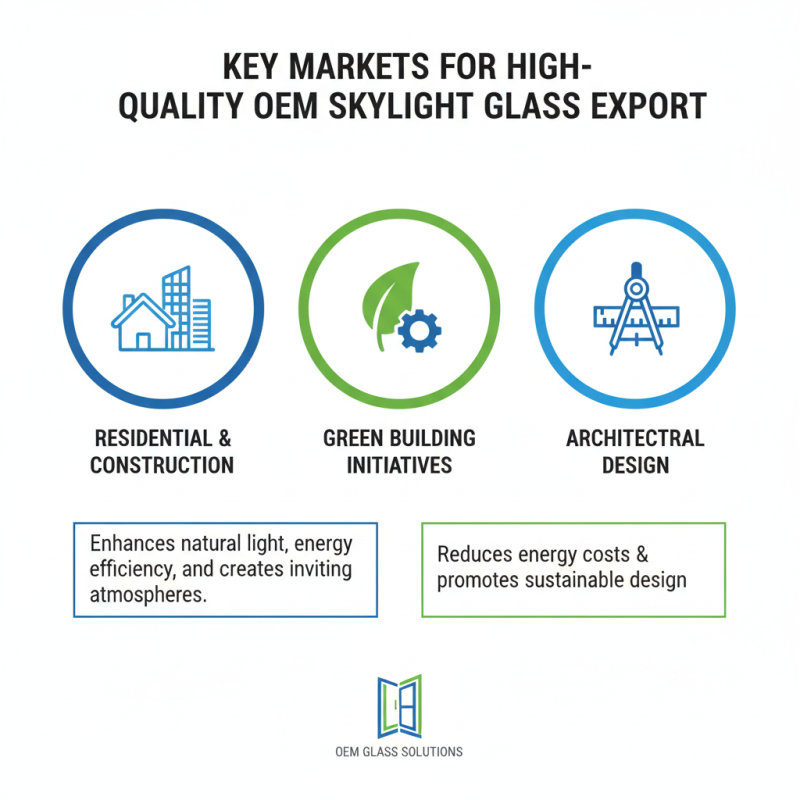
High-quality OEM skylight glass is increasingly sought after in various key markets. These markets include residential and commercial construction, green building initiatives, and architectural design. In residential settings, skylights enhance natural lighting and energy efficiency. In commercial spaces, they create an inviting atmosphere while reducing energy costs.
In Asia, where rapid urbanization occurs, demand for skylight solutions is on the rise. Builders seek durable, aesthetically pleasing glass. Meanwhile, European markets focus on eco-friendly options. Here, businesses emphasize sustainability and innovation. Architects often collaborate with high-quality OEM manufacturers to explore new designs and functionalities.
Despite the growing demand, challenges remain. Quality control can vary among exporters. Buyers must carefully evaluate potential partners. They should prioritize thorough inspections and certifications. Understanding local regulations is also essential. This ensures the products meet industry standards while catering to unique regional needs. Maintaining open communication with suppliers helps mitigate risks.
What to Look for in a Reliable Skylight Glass Exporter
When searching for a reliable skylight glass exporter, there are key factors to consider. Experience in the industry matters greatly. Look for exporters with a proven track record in providing high-quality skylight glass products. They should be knowledgeable about different types of glass, including options for energy efficiency and durability. A good exporter provides detailed specifications and offers advice on selecting the right glass for specific projects.
Quality control is another vital aspect. A reputable exporter should have strict quality assurance processes in place. Ask about their certifications and testing procedures. This ensures that the skylight glass meets safety and performance standards. It’s also worth examining customer reviews. Feedback from previous clients can reveal valuable insights into their reliability and service.
Additionally, consider their range of products. A diverse selection often indicates expertise. Look for an exporter that offers specialized options, such as
Glass Fin configurations. This can enhance the aesthetic appeal and structural integrity of your skylight installation. However, be cautious of exporters who promise too much without clear evidence of their capabilities. It's important to reflect on your specific needs and compare multiple options.
Common Applications and Trends in Skylight Glass Usage
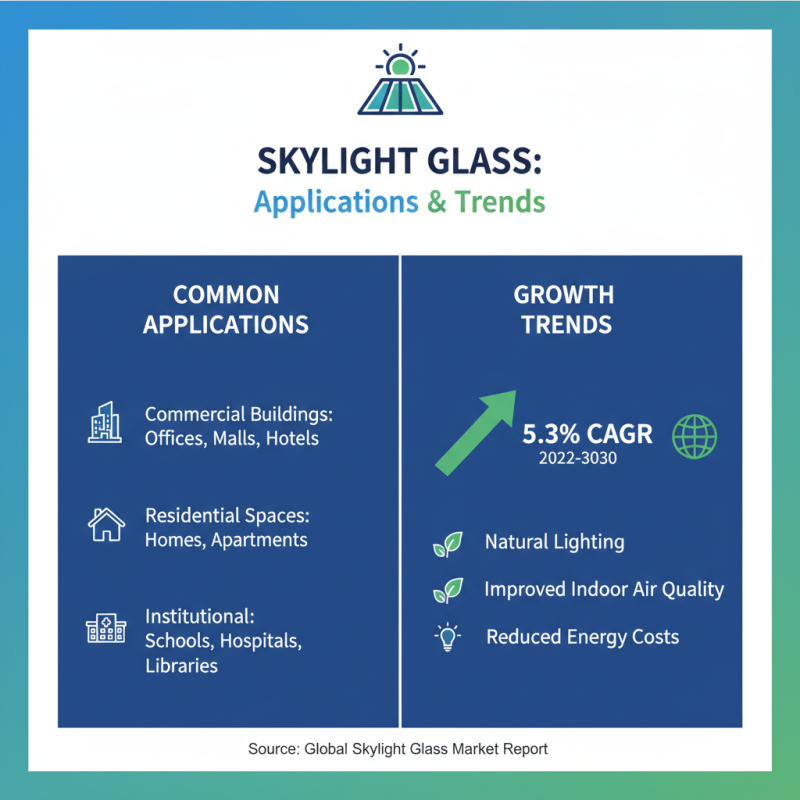
Skylight glass has gained significant traction in various sectors, offering both aesthetic appeal and energy efficiency. Common applications of skylight glass range from commercial buildings to residential spaces. According to the Global Skylight Glass Market Report, the sector is expected to grow at a compound annual growth rate (CAGR) of 5.3% from 2022 to 2030. This trend reflects a growing preference for natural lighting, improving indoor air quality and reducing energy costs.
Skylights are often utilized in malls, schools, and hospitals. They provide bright daylight, enhancing the overall ambiance. However, the choice of materials is crucial. High-quality OEM skylight glass exporters typically offer tempered or laminated glass, which are essential for durability and safety. It's important to consider local climate conditions when selecting skylight systems to ensure optimal performance.
Tip: Always consult with a professional when choosing skylight options. They can provide insights based on specific environmental factors. Quality matters; lower-grade materials may lead to energy loss or increased maintenance costs. Another point to reflect on is the installation process; improper installation can negate the benefits of even the best skylight glass.
A Comprehensive Comparison of Manual and Electric Insulated Glass with Built-in Blinds
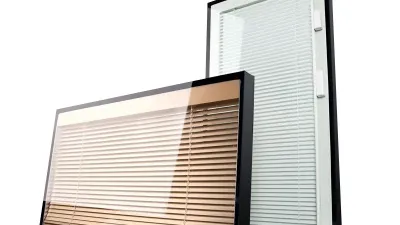
Insulated glass with built-in blinds represents an innovative solution in contemporary architecture, merging the advantages of thermal insulation and soundproofing with the control of light and privacy that blinds provide. The blinds are sealed within the glass, preserving their condition and eliminating dust accumulation, which is a common issue with traditional external window treatments. This unique feature not only enhances durability but also contributes to the overall energy efficiency of a building, making it an attractive option for both residential and commercial environments.
When considering manual versus electric operation for these insulated glass units, each type presents distinct advantages. Manual systems rely on a simple mechanism that allows users to adjust the blinds as needed, offering straightforward operation without the need for electrical connections. However, they require physical interaction, which might be less convenient in larger or hard-to-reach windows. In contrast, electric insulated glass with built-in blinds allows for remote or automated operation, providing ease of use and the ability to program settings for optimal light control throughout the day. This sophistication, while offering convenience, comes at a higher cost and necessitates proper setup and maintenance of electrical components.
Ultimately, the choice between manual and electric insulated glass with built-in blinds depends on specific needs and preferences. Factors such as budget, ease of use, and maintenance considerations will heavily influence the decision. Both options deliver effective solutions for enhancing comfort and functionality in modern spaces while ensuring a clean and contemporary aesthetic.
FAQS
: OEMs produce tailored skylight glass that meets specific architectural needs. They offer flexibility for innovative designs.
Look for exporters with industry experience and a proven track record of high-quality products. Their expertise matters.
It should offer insulation and UV protection. These features make it versatile for different climates.
Strict quality assurance processes ensure compliance with safety and performance standards. This reduces risks for projects.
Customer feedback provides insights into an exporter's reliability and service. It can reveal strengths and weaknesses.
Assess their range of products and specializations. Evaluate how well they meet your specific project needs.
Architect feedback helps improve skylight designs. Ignoring it can lead to missed opportunities in a competitive market.
No, some prioritize cost over durability. This can result in inferior products that fail to meet expectations.
Avoid those who make unrealistic promises without clear evidence. Always reflect on your project's unique requirements.
Growing demand for quality skylight glass emphasizes reliability from OEM partners. Adaptability is crucial for success.
Conclusion
High quality OEM skylight glass is essential for creating durable and efficient architectural solutions. This type of glass is characterized by its superior clarity, UV resistance, and thermal performance. The role of OEM (Original Equipment Manufacturer) in the production process ensures that the glass meets specific design and quality standards, making it ideal for a range of applications, from residential buildings to commercial spaces.
Sourcing skylight glass from reliable exporters offers numerous benefits, including access to state-of-the-art manufacturing techniques and competitive pricing. Key markets for this type of glass are expanding, reflecting growing trends in energy efficiency and sustainable construction methods. When seeking a reliable skylight glass exporter, it is important to consider their track record, product quality, and customer service. Overall, high quality skylight glass not only enhances aesthetic appeal but also contributes to energy savings and environmental sustainability.



 1Durch die gruppenweite Einführung und Harmonisierung unseres integrierten Managementsystems (IMS) werden alle bestehenden Unternehmens-, Qualitäts-, Umwelt- und Energiepolitiken durch diese Unternehmenspolitik ersetzt. Der Slogan „Textil hat Zukunft – auch in De