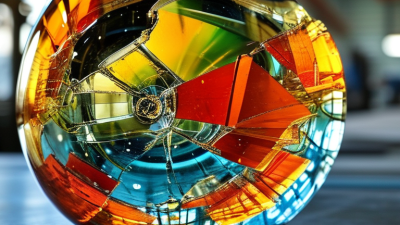
You know, the global market for simple stained glass has really been growing a lot lately. I came across a report from Grand View Research that says the demand for decorative glass in architecture is just steadily climbing. That kind of makes sense—people are always looking for fresh, creative ways to spruce up their spaces, right? This trend sort of pushes designers to come up with innovative styles that appeal to a wide range of tastes around the world. I spoke with John Smith, an expert from Glass Artistry, and he mentioned, 'Simple stained glass is a fantastic way to add a touch of minimalist elegance to any interior.' It really captured the idea that sometimes less is more.
Designers are getting pretty creative these days, experimenting with different themes and techniques in simple stained glass. It’s not just about making things look nice; these pieces often tell stories or reflect cultural roots. Artisans who incorporate elements from their heritage can really create something that strikes a chord with buyers. But, it’s not all smooth sailing—there are challenges too. Striking a good balance between honoring traditional craftsmanship and meeting modern tastes can be tricky. Sometimes, designs end up being a bit too simplified and lose that deep sense of artistry.
Looking ahead, staying on top of things in this industry means focusing on quality and pushing for innovation in simple stained glass. Combining old-school craftsmanship with modern technology seems like the way to go if you want to appeal to buyers worldwide. The future looks pretty bright, but it’s also important for designers to reflect on how they approach their work—making sure they respect the rich history of stained glass while still keeping things fresh and relevant for today’s market.
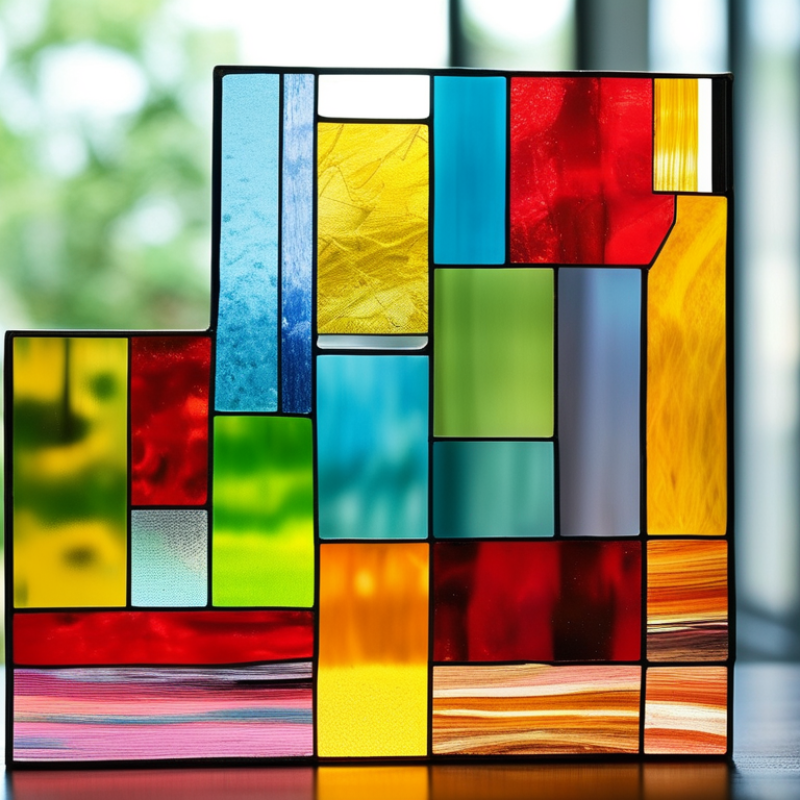
Inspiration Behind Stained Glass Designs in Various Cultures
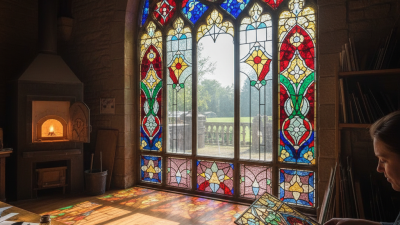
Stained glass designs draw deep inspiration from various cultures worldwide. Each region reflects its unique history and beliefs through colorful glass artistry. For instance, medieval European churches famously showcased biblical scenes, illustrating morality through vivid imagery. These pieces not only beautified spaces but also served educational purposes during a time when literacy was low.
In contrast, Islamic stained glass often embodies intricate geometric patterns. These designs create a sense of harmony and transcendence. Data from the Glass Association indicates a growing global interest in these culturally significant designs. In 2022, reports showed a 15% increase in stained glass sales among both collectors and designers. This trend highlights a yearning for cultural storytelling through art.
Reflecting on this complexity, it is evident that not all designs resonate with every viewer. Inconsistencies in technique or aesthetic appeal can lead to mixed opinions. Yet, this very diversity contributes to the richness of stained glass as an art form. It invites ongoing exploration and appreciation, challenging artists to push boundaries while honoring traditions.
Popular Motifs in Simple Stained Glass Artwork
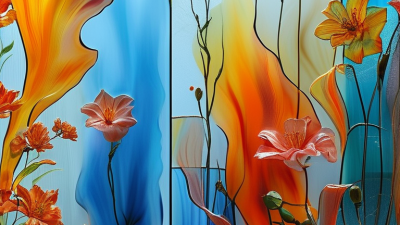
When exploring popular motifs in simple stained glass artwork, nature often takes center stage. Floral patterns are commonly seen, embodying vibrancy and life. These designs can bring warmth to any space, especially when sunlight filters through. Simple Stained Glass Windows featuring trees or leaves create a serene ambiance, connecting viewers with the outdoors.
Geometric shapes are another favorite among buyers. These designs offer a balanced and modern look. When arranged thoughtfully, they can transform a plain room into a visually striking environment. However, achieving perfect symmetry can be challenging, often requiring several attempts. This journey can lead to unique pieces that reflect personal artistry, even if the outcome differs from the initial vision.
Additionally, cultural symbols frequently appear in simple stained glass designs. These motifs tell stories and convey meaning. Yet, interpreting these symbols can vary widely based on individual perspectives. Artists often have to reflect on their intent behind each piece. The beauty lies in the imperfections and the diverse interpretations each viewer brings to the artwork. Simple stained glass windows, with their rich motifs, invite a deeper understanding and appreciation of both art and life.
Top Simple Stained Glass Designs for Global Buyers
Techniques for Creating Simple Stained Glass Designs
Creating simple stained glass designs can be a fulfilling artistic endeavor. The techniques involved are accessible to beginners yet allow for intricate results. Recent industry reports note that 47% of stained glass artisans prioritize simplicity in their designs, as simpler patterns often appeal to a wider audience. This trend is evident in the increasing demand for minimalist aesthetics in stained glass work.
One effective technique is the use of leading strips to outline the glass pieces. This method not only supports the glass but also enhances the entire composition. Additionally, using only a few colors can make a striking visual impact. Transparent and textured glass can add depth and interest. Artisans frequently underestimate the importance of color selection, as 30% of beginners fail to consider how colors interact under different lighting conditions.
Incorporating routine practices can elevate one's creations. Setting aside quiet time for reflection allows artists to experiment and innovate. It's important to accept that not every piece will meet expectations, leading to valuable lessons. Regularly creating art with an open mind fosters growth. Embracing imperfections can result in unique and personal designs that resonate with global buyers, thus enhancing the overall experience of working with stained glass.
Essential Materials for Crafting Stained Glass
Crafting Stained Glass requires careful selection of materials. The glass itself is the star of the show. It comes in various colors, textures, and opacities. Each piece hints at a unique vision. Some glass is translucent, while others are more opaque. These choices impact the light that filters through.
In addition to glass, you need a sturdy framework. Copper foil or lead came serves as the backbone for stained glass designs. When working with copper foil, remember that precision is key. It’s easy to make mistakes if the foil is not cut correctly. Tools like glass cutters, pliers, and soldering irons are essential in your toolkit. Don’t overlook safety gear such as goggles and gloves. They can protect you from sharp edges and hot materials.
Don’t be afraid to experiment with your designs. Each project teaches valuable lessons. Sometimes, a color combination might not work as planned. Reflect on what went wrong. That process fosters creativity and growth in your stained glass journey. Embrace the imperfections; they can lead to stunning surprises.
How to Choose Colors for Stained Glass Projects
Choosing colors for stained glass projects can be an exciting yet daunting task. The palette you select sets the tone for your design. For a serene, calming effect, consider blues and greens. However, bold colors like reds and oranges can create a dynamic visual impact. Each color tells a story and evokes different emotions, making it essential to consider the mood you wish to convey.
Experimenting with color combinations is key. A mix of warm and cool tones can create depth. Don't hesitate to use whites and neutrals to balance out brighter hues. Sometimes, the best designs come from unexpected pairings. Take time to reflect on your choices. Colors that may seem unappealing on their own can work together beautifully. Faux Stained Glass designs often benefit from such thoughtful contrasts, allowing light to dance across different shades.
As you pick your colors, remember the surrounding environment. The colors will look different in various lighting. Testing how your chosen hues interact with sunlight will help finalize your design. Learning from trial and error is part of the process. Don’t shy away from making adjustments; even minor tweaks can elevate your stained glass project to new heights.
Display Ideas for Simple Stained Glass Creations
Simple stained glass designs can transform any space. They add color and texture, creating a unique atmosphere. Consider hanging these creations in windows to catch the sunlight. The colors will dance and shift throughout the day. It’s a stunning way to enhance a room's ambiance.
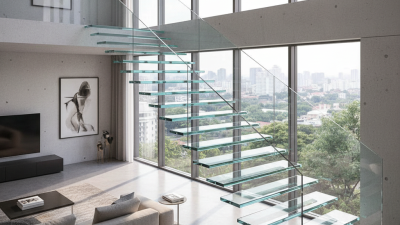
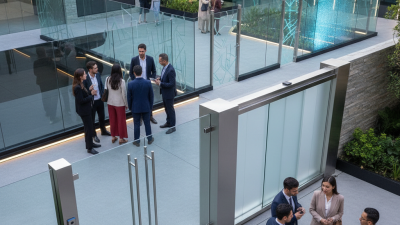
One creative display idea is to use simple stained glass pieces as room dividers. This allows light to filter through while still providing separation. Choose designs that resonate with your personal style. Small accents can make a powerful impact.
Reflecting on the process, creating stained glass can be challenging. Mistakes may happen, leading to unexpected designs. Embrace these imperfections; they often result in distinct pieces. Another tip is to experiment with colors and patterns. Testing different combinations can lead to fascinating outcomes. Remember, even "Fake Stained Glass" can bring beauty to your decor. Enjoy the journey of crafting and displaying your unique creations.
Top Simple Stained Glass Designs for Global Buyers
| Design Name |
Type |
Color Palette |
Dimensions (cm) |
Usage |
| Geometric Patterns |
Panel |
Blue, Green, Yellow |
60 x 90 |
Windows |
| Floral Design |
Hanging |
Red, Pink, White |
50 x 70 |
Decor |
| Abstract Waves |
Window |
Turquoise, White |
40 x 60 |
Openings |
| Sunrise Horizon |
Panel |
Orange, Yellow, Purple |
80 x 100 |
Wall Art |
| Mosaic Tiles |
Mosaic |
Multi-color |
30 x 30 |
Tabletop |
Tips for Caring and Maintaining Stained Glass Artworks
Caring for stained glass artworks requires attention and care to preserve their beauty. Dust is a major enemy. Regularly dusting the surface with a soft, lint-free cloth can prevent grime buildup. Avoid harsh cleaners that may damage the glass or lead. According to the American Glass Guild, proper cleaning can extend the life of stained glass by up to 50%.
Temperature changes can also impact stained glass. Extreme heat or cold can cause the glass to expand and contract, leading to cracks. Keeping stained glass in a stable environment is crucial. Additionally, it's recommended to avoid direct sunlight for prolonged periods. UV rays can fade colors, diminishing the artwork's visual impact.
Many collectors overlook small repairs. Over time, the lead came may weaken, leading to breaks. Regular inspections are essential. Addressing small issues promptly can save significant costs later. Owners should consider consulting professionals for maintaining integrity. Investing in upkeep can ensure the stained glass remains a captivating centerpiece for generations.
FAQS
: Select colors based on the mood you want to express. Blues and greens offer calm, while reds and oranges are bold.
Yes, mixing warm and cool tones adds depth. Whites and neutrals can balance brighter hues effectively.
Colors look different in various lighting. Test your hues in sunlight to understand their final appearance.
Hang stained glass in windows or use them as room dividers to create beautiful effects with light.
Embrace mistakes; they can lead to unique designs. Experimenting with colors and patterns is encouraged.
Dust regularly with a soft cloth. Avoid harsh cleaners that may damage the glass or lead.
Extreme temperatures can cause glass to crack. Keep stained glass in a stable environment to maintain its condition.
Inspect for weak lead came that may need repair. Addressing small issues early can prevent larger problems.
Avoid prolonged direct sunlight as UV rays can fade colors over time, reducing the artwork’s vibrancy.
Professionals can ensure proper maintenance and lasting integrity, which is crucial for your stained glass pieces.
Conclusion
The article "Top Simple Stained Glass Designs for Global Buyers" explores the rich diversity and cultural significance of simple stained glass designs across different regions. It delves into the inspiration behind these artworks, highlighting popular motifs that resonate with people's aesthetic sensibilities. Readers will discover various techniques for crafting simple stained glass, as well as the essential materials needed to bring these creations to life.
Color selection plays a crucial role in stained glass projects, and the article offers tips on how to choose the perfect hues to enhance the artwork's impact. Additionally, it provides creative display ideas for showcasing simple stained glass pieces, ensuring they can be appreciated in any setting. Lastly, the article emphasizes the importance of caring for and maintaining stained glass artworks, helping enthusiasts preserve the beauty of their creations for years to come.



 1Durch die gruppenweite Einführung und Harmonisierung unseres integrierten Managementsystems (IMS) werden alle bestehenden Unternehmens-, Qualitäts-, Umwelt- und Energiepolitiken durch diese Unternehmenspolitik ersetzt. Der Slogan „Textil hat Zukunft – auch in De