Hey, have you heard about [Tempered Laminated Glass](https://www.everiseinternational.com/high-quality-custom-tempered-laminated-glass-suppliers-factories)? It’s actually a pretty cool innovation in the world of construction and interior design. Basically, it’s a smart mix of tempered glass with a tough interlayer in the middle. That combo makes it not only stylish but also super safe, noise-reducing, and energy-efficient. You’ll see it popping up in both homes and workplaces because it looks great and gives people peace of mind.
Honestly, a lot of folks really like how tough this glass is. It’s a big win because if it ever breaks, it crumbles into tiny, blunt pieces—so no one gets hurt. Plus, that interlayer adds an extra layer of security, making it really hard for any unwanted visitors to get through. For homeowners and business owners alike, it’s kind of a no-brainer when you want something reliable.
And let’s not forget, its energy-saving benefits are a big deal too. It helps keep your indoor temps steady, meaning you don’t have to crank up the AC or heater as much—and that can save you some serious cash over time. Now, I won’t lie, it’s a bit of an investment upfront, but honestly, the long-term perks—safety, durability, energy savings—definitely make it worth considering. Choosing tempered laminated glass is basically a smart move if you care about quality and security, whether at home or at work.
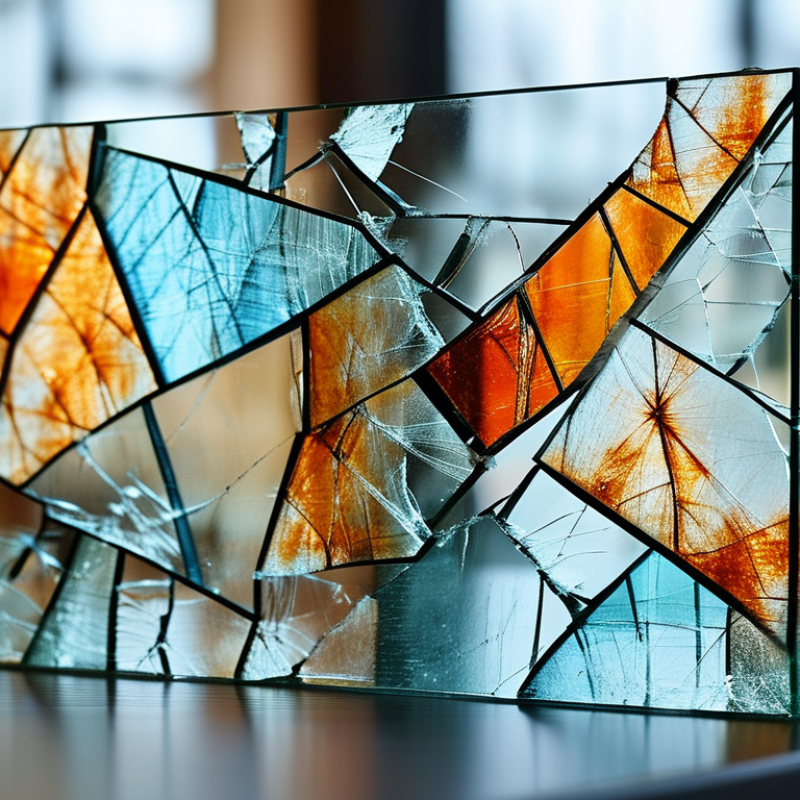
What is Tempered Laminated Glass?
Tempered laminated glass is a unique type of glass renowned for its strength and safety features. This glass is created through a layered process that combines sheets of glass with a polymer interlayer. The tempering process involves heating and rapid cooling, enhancing the glass's resistance to thermal stress and impact. Research shows that tempered laminated glass can withstand extreme weather conditions and is less likely to shatter on impact.
When considering tempered laminated glass, buyers should note its safety advantages. If broken, it crumbles into small, dull pieces rather than sharp shards. According to a report by the Glass Association, this can reduce injury risk by over 70%. Additionally, its acoustic properties help in sound insulation, making it a good choice for urban environments.
Tip: Always check for certifications indicating compliance with safety standards. Opting for glass that adheres to ASTM specifications ensures reliability.
While tempered laminated glass boasts impressive benefits, it can be pricier than standard glass. Buyers should weigh the long-term advantages against initial costs. Additionally, some may find the weight of laminated glass challenging for installation. Understanding these factors can lead to better purchasing decisions in the long run.
Benefits of Tempered Laminated Glass
Composition and Manufacturing Process of Tempered Laminated Glass
Tempered laminated glass is known for its remarkable strength and safety features. This type of glass is composed of multiple layers. It begins with two or more layers of glass, usually Tempered Glass, that are bonded together with an interlayer. This interlayer is typically made of polyvinyl butyral (PVB). During the manufacturing process, the glass layers are heated and cooled rapidly, also called tempering. This gives the glass its unique properties.
The manufacturing process involves careful handling and precision. Each layer must be thoroughly cleaned before assembly. When heated, the added pressure strengthens the bond between layers. This results in a durable final product that can withstand impact and thermal stress. In the event of breakage, tempered laminated glass shatters into small pieces, reducing the risk of injury.
**Tip:** When considering tempered laminated glass for your project, always evaluate the thickness. Thicker glass provides better insulation and noise reduction.
The versatility of tempered laminated glass makes it popular for various applications, from windows to shower doors. However, it’s vital to choose a reputable manufacturer. Not all products meet safety standards.
**Tip:** Always request certification documents to ensure the glass meets industry regulations. Checking for warranties can provide additional assurance of quality.
What is Tempered Laminated Glass and Its Benefits for Buyers?
| Property |
Details |
| Material Composition |
Laminated glass made by layering sheets of glass with a polymer interlayer. |
| Manufacturing Process |
Manufactured by heating and cooling to increase strength; laminated for safety. |
| Strength |
Higher impact resistance compared to regular glass. |
| Safety |
In case of breakage, glass fragments adhere to the interlayer, reducing injury risks. |
| UV Protection |
Blocks up to 99% of harmful UV rays, protecting interiors from fading. |
| Sound Insulation |
Excellent noise reduction properties, improving comfort in buildings. |
| Applications |
Used in architectural glazing, skylights, and safety glass for vehicles. |
| Aesthetic Appeal |
Available in various thicknesses and finishes, enhancing visual designs. |
Key Benefits of Using Tempered Laminated Glass
Tempered laminated glass offers numerous benefits for buyers looking for safety and durability. One key benefit is its strength. This type of glass undergoes a special heating process. This makes it much tougher than standard glass. When broken, it shatters into small, dull pieces. This reduces the risk of injury significantly.
Another advantage is its sound insulation properties. It effectively blocks noise from outside. This is particularly valuable in urban settings where noise pollution is common. Additionally, tempered laminated glass provides UV protection. This helps in safeguarding interiors from sun damage. For those who install a
Tempered Glass Door, they can enjoy both beautiful aesthetics and greater peace of mind.
However, it’s important to consider the cost. Tempered laminated glass might be pricier than regular options. Some buyers may hesitate due to this initial investment. Yet, the long-term benefits often justify the expense. It's crucial to weigh these factors before making a decision. Ultimately, the added safety and resilience can significantly enhance the value of any property.
Applications of Tempered Laminated Glass in Construction
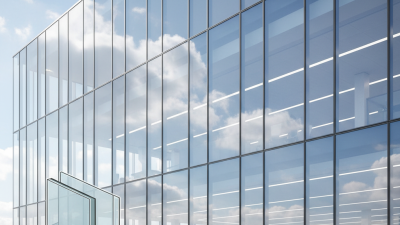
Tempered laminated glass has unique applications in construction that enhance safety and aesthetics. This specialized glass combines layers of tempered glass with a plastic interlayer, providing exceptional strength while reducing risks. In buildings, it is often used in facades and windows. These installations can withstand impact and offer better sound insulation.
In commercial spaces, tempered laminated glass plays a crucial role in design. Architects favor it for its ability to create expansive, seamless surfaces. It allows natural light while ensuring safety. However, it is essential to consider challenges like higher costs compared to standard glass. Additionally, installation requires skilled labor, which may lead to further expenses.
Another aspect to review is the environmental impact. While the glass provides several benefits, its production can be energy-intensive. Using recycled materials in some processes may help. Ensuring a balance between performance, cost, and sustainability is vital for any construction project. Architects and builders should weigh these factors carefully.
Comparative Analysis: Tempered Laminated Glass vs. Standard Glass
Tempered laminated glass is increasingly popular in various applications due to its superior strength and safety features. When compared to standard glass, its enhanced durability stands out. A study by the Glass Association revealed that tempered laminated glass can be up to five times stronger than regular glass. This strength provides better resistance against impact and thermal stress. Such characteristics make it ideal for locations prone to extreme weather conditions.
While standard glass is more affordable, its lack of safety features poses risks, particularly in high-traffic areas. A report from the National Glass Association indicates that Tempered Glass Panels break into small, blunt pieces, reducing injury risk, unlike standard glass, which shatters into sharp shards. Buyers should weigh these safety benefits against costs. It's also worth noting that some installations may overlook the value of using tempered laminated glass, leading to potential long-term issues. In high-risk areas, opting for tempered glass panels, despite a higher upfront cost, can yield significant safety returns. Understanding these differences is essential for informed decision-making.
Safety Features and Impact Resistance of Tempered Laminated Glass
Tempered laminated glass offers impressive safety features. It combines two layers of glass, bonded with an interlayer. This design enhances impact resistance. When broken, the glass fragments adhere to the interlayer. This prevents sharp shards from scattering, minimizing injuries.
The robust structure of tempered laminated glass makes it ideal for various applications. It's commonly used in windows, doors, and partitions. Homeowners often choose it for balcony railings and shower enclosures. The added strength ensures resistance against severe weather conditions. It can withstand high winds and impacts from debris.
Tips for buyers: Always consider the thickness of the glass for optimal strength. Regular maintenance can prolong the lifespan of tempered laminated glass. Check if your installer follows standard safety guidelines. Re-evaluating the need for additional security features can also enhance safety. Remember, it's essential to understand the limitations and benefits of your choice. Each application may require different specifications.
Maintenance Tips for Tempered Laminated Glass Products
Tempered laminated glass offers a unique blend of safety, durability, and aesthetic appeal. However, proper maintenance is crucial for its longevity and performance. Regular cleaning and careful handling can ensure that your glass remains in optimal condition.
For cleaning, use a soft cloth and a mild detergent mixed with water. Avoid harsh chemicals that could damage the glass layer. Wipe down the surface gently to prevent scratches. It’s best to clean the glass regularly, especially in areas with high traffic. Maintaining its clarity prevents dulling over time.
Also, be mindful of heavy impacts. While tempered laminated glass is strong, it can still chip if struck hard enough. If you notice small cracks or chips, address them immediately. Delaying repairs may lead to larger issues down the line. A proactive approach to maintenance helps preserve your investment.
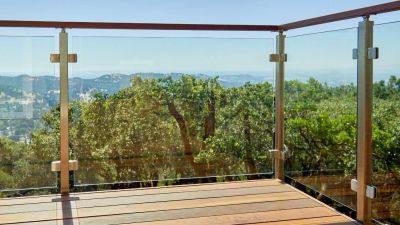
The Ideal Glass Railing System: Enhancing Safety, Style, and Functionality in Modern Spaces
The installation of glass railing systems has become a defining characteristic of contemporary architecture, marrying aesthetic appeal with invaluable safety features. These systems are increasingly recognized for their ability to enhance the perception of space, allowing natural light to flow unimpeded while providing crucial safety measures. According to a recent report by the International Glass Association, the demand for glass railings has surged by over 30% in the last few years, driven by their growing popularity in both residential and commercial properties.
The appeal of glass railing systems lies not only in their sleek, modern design but also in their functional benefits. They offer unobstructed views and a sense of openness, making them ideal for balconies, staircases, and outdoor patios. Additionally, many systems are designed with tempered or laminated glass, ensuring high durability and resistance to impact. Industry studies show that homeowners who invest in glass railings report increased property value and heightened safety perceptions, as these systems provide a stable barrier against falls without sacrificing style.
Moreover, glass railings are often sustainable, with many manufacturers emphasizing eco-friendly production practices. The transparency of glass allows for a cohesive blend with various architectural styles, appealing to a wide range of tastes while ensuring that safety does not come at the cost of elegance. As modern spaces continue to prioritize safety, style, and functionality, glass railing systems stand out as the ideal choice for sophisticated design.
FAQS
: Tempered laminated glass is a strong, layered glass, enhanced for safety and impact resistance.
It involves bonding glass layers with a polymer interlayer. The glass is tempered through rapid heating and cooling.
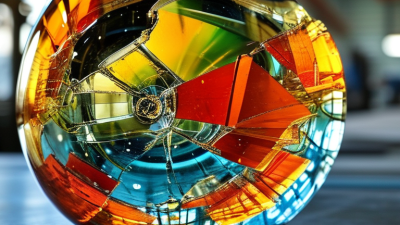
When broken, it crumbles into small, dull pieces, reducing the risk of injury from sharp shards.
Its unique composition helps in sound insulation, making it suitable for noisy urban environments.
Yes, it can be pricier, so weigh the long-term benefits against the initial costs before buying.
Check for certifications and compliance with safety standards to ensure reliability and quality.
It is used in windows, doors, partitions, and balcony railings due to its enhanced strength.
Yes, thicker glass provides better insulation and noise reduction. Always evaluate thickness for optimal choice.
Regular maintenance is essential to prolong its lifespan, ensuring continued safety and performance.
Yes, understanding its limitations and the specific needs of a project is vital for making the right choice.
Conclusion
Tempered Laminated Glass is a type of safety glass that combines two layers of glass with an interlayer, offering enhanced strength and durability. The manufacturing process involves heating the glass to high temperatures before cooling it rapidly, creating a strong yet flexible product. This innovative material provides numerous benefits, including increased impact resistance, noise reduction, and protection against harmful UV rays, making it an ideal choice for various construction applications.
Key applications for Tempered Laminated Glass include facades, skylights, and railings, where safety and aesthetics are paramount. Compared to standard glass, Tempered Laminated Glass offers superior safety features and is less likely to shatter upon impact. To maintain its integrity and appearance, regular cleaning and care are necessary, ensuring the longevity of products made from this advanced glass technology.



 1Durch die gruppenweite Einführung und Harmonisierung unseres integrierten Managementsystems (IMS) werden alle bestehenden Unternehmens-, Qualitäts-, Umwelt- und Energiepolitiken durch diese Unternehmenspolitik ersetzt. Der Slogan „Textil hat Zukunft – auch in De