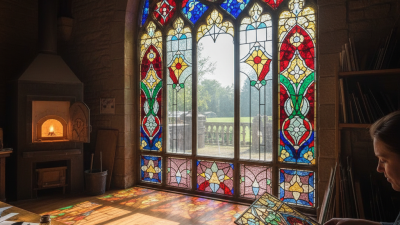
When it comes to art, designing your own Personalized Stained Glass is pretty much an open invitation to express yourself in a totally unique way. It’s more than just an art form — it’s a chance to show off your personality and tell your story through colors and light. Just like the famous stained glass artist David Smith says, “Each piece of stained glass carries a part of its creator’s soul.” Honestly, those words capture what personalized art is all about — a piece of yourself in every creation.
Now, making your own designs isn’t always smooth sailing; there’s definitely a bit of a learning curve. But let me tell you, the process is super rewarding, even when you hit some bumps along the way. It’s totally normal to have a few imperfections—that’s what gives your piece its character, you know? It takes patience and practice, and yeah, sometimes you get frustrated. But those moments? They can spark new ideas and push your creativity further. Figuring out what you want your Personalized Stained Glass to look like? That’s part of the adventure, and honestly, it’s pretty special.
Every piece you create tells a story. And really, embracing that whole journey can lead to some pretty eye-opening discoveries about your own artistic voice. More than just making things look beautiful, this kind of art helps you connect with the work and, maybe even more importantly, with yourself. So, as you dig into this craft, think about what you want to express and the feelings you’d love to share. It’s not about making perfect pieces — it’s about connection, self-expression, and the magic you can create through glass.
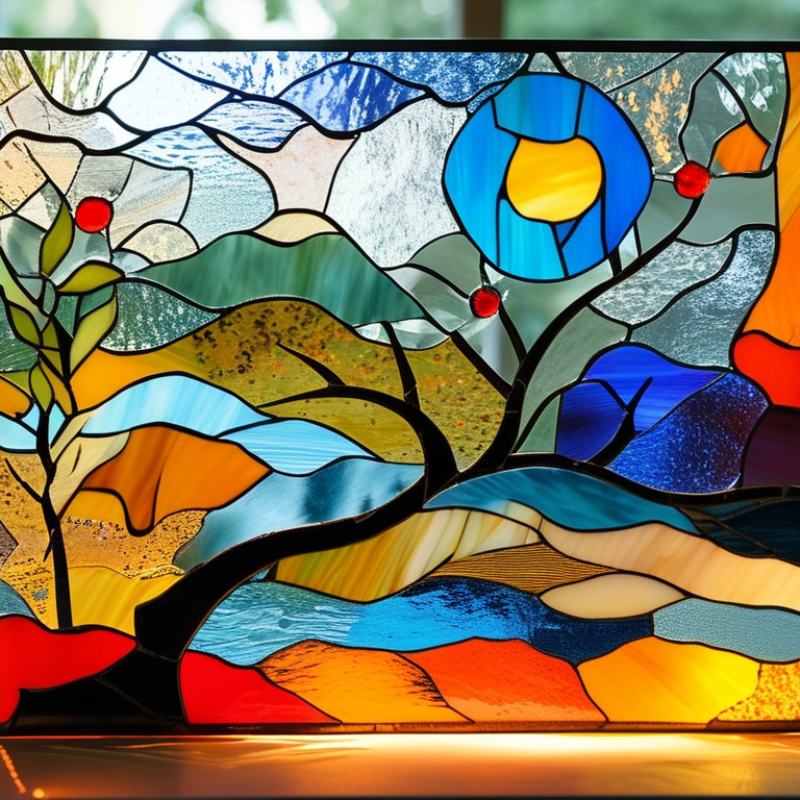
Understanding the Basics of Stained Glass Design
Stained glass design is a captivating art form that blends creativity with craftsmanship. Before diving into personalized designs, it's crucial to grasp the fundamentals. Stained glass involves arranging colored glass pieces and using leads to create stunning visuals. Understanding light's role is essential. Different hues and textures will react uniquely to sunlight, creating varied ambiance.
Tip one: Start by sketching your ideas. This helps visualize the finished piece. Don’t worry about perfection; refining your design is part of the process. Tip two: Experiment with colors before committing. Use smaller samples to see how they interact. This trial-and-error approach fosters creativity and aids decision-making, allowing for an unexpected yet beautiful outcome.
As you refine your technique, consider incorporating different glass types. You can combine smooth, opaque, and textured pieces for depth. Yet, be mindful of balance. A design with too many contrasting elements can be overwhelming. Remember, the goal is harmony and personalization. Keep practicing. Mistakes can lead to stunning discoveries in your stained glass journey.
Exploring Personal Styles and Inspirations
Creating personalized Stained Glass designs allows you to express your unique style. Personal inspiration can stem from various sources, such as nature, art, or emotions. When embarking on your design journey, think about the themes that resonate with you. Would you prefer floral patterns, geometric shapes, or abstract concepts?
Start with sketches to visualize your ideas. Experiment with colors that evoke specific feelings. For example, earthy tones may bring warmth, while vibrant glass can add energy. Many artists suggest using a color wheel to harmonize your palette. Take your time during this process. Mistakes can lead to surprising results worth exploring.
Another tip is to incorporate symbols that hold personal significance. Perhaps a bird represents freedom, or a tree symbolizes growth. These elements can enrich your design. While layering different glass textures, remember that imperfections can enhance character. Embrace the uniqueness of each piece you create. Customizing your stained glass will not only showcase your abilities but also connect your art to your personal journey.
Choosing the Right Colors and Materials
Choosing the right colors and materials is crucial in creating personalized stained glass designs. The interaction of light with color profoundly affects the overall impact of the piece. According to a report by the American Glass Guild, color can determine the emotional tone of artwork. Blues and greens often evoke calmness, while reds and yellows can energize a space. This makes color selection critical for expressing personal sentiments or themes.
For your stained glass projects, consider a mix of textures and transparency levels. Matte glass provides diffusion, while clear glass can illuminate vibrant colors. Think about using recycled materials. Not only does this add character, but it also aligns with sustainable practices. If you’re searching for a unique look, consider patterned glass that incorporates pressed flowers or textured designs.
Experiment with color combinations. A dominant color paired with complementary shades can create visual harmony. Conversely, contrasting colors can add drama. One effective tip is to create small sample pieces before finalizing your design. This allows you to see how light interacts with your choices, making adjustments easier. Engaging in this reflective process can ensure your final piece meets your vision. Keep in mind that not every choice will resonate immediately. Adjustments may be necessary throughout your design journey.
Incorporating Personal Symbols and Themes
Creating personalized stained glass designs can be a rewarding journey. The key lies in incorporating personal symbols and themes that resonate with you. Start by reflecting on your personal story. What symbols represent your life? Consider flowers, animals, or even abstract shapes. Each symbol can represent a moment or feeling.
Incorporating unique elements brings authenticity to your work. You might choose a color palette that reflects your memories. Think of the colors that connect with your experiences. Faux Stained Glass can be a great option for beginners. It allows for experimentation in design without the commitment of traditional glass.
Sometimes, creativity can feel overwhelming. The endless possibilities might lead to indecision. Embrace the trial and error. Allow the design process to unfold naturally. Take breaks and come back with fresh eyes. Engaging with your surroundings can also inspire new ideas. Observe patterns, colors, and textures in everyday life. By weaving together these personal symbols into your designs, you create something truly unique.
Techniques for Custom Shapes and Patterns
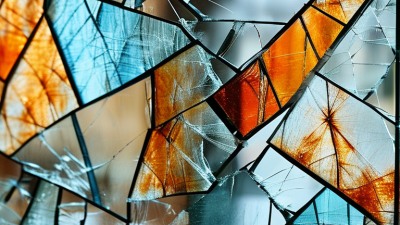
Creating custom shapes and patterns in stained glass art requires a blend of creativity and technique. One popular method involves using templates to outline designs. You can sketch your idea on paper, then transfer it to a sheet of glass. This research and planning phase can prevent costly mistakes. Precision is vital, but it's equally important to embrace the unexpected. Sometimes glass shatters or doesn’t cut as planned. These moments can lead to new ideas, turning a setback into an opportunity for innovation.
Another technique is layering. By stacking different colors of glass, you can create depth and complexity. However, achieving balance is tricky. For example, using too many colors might overwhelm the final design. Focus on a harmonious color palette to highlight custom shapes effectively. Also, consider incorporating "Fake Stained Glass" techniques for simpler projects. It allows for beautiful designs without the intricacies of traditional glass work. Experimenting with faux materials provides a fun platform for learning before tackling more complex glass pieces.
10 Tips for Creating Personalized Stained Glass Designs
| Tip Number |
Description |
Techniques |
Pattern Ideas |
| 1 |
Choose a Theme |
Research themes that inspire you. |
Nature, Abstract, Historical |
| 2 |
Select Colors |
Choose a color palette that reflects your theme. |
Complementary, Monochromatic |
| 3 |
Sketch Your Design |
Use pencil and paper to draft initial ideas. |
Geometric shapes, Florals |
| 4 |
Experiment with Shapes |
Try various shapes for unique designs. |
Curved, Angular |
| 5 |
Incorporate Textures |
Add different glass textures for depth. |
Frosted, Hammered |
| 6 |
Consider Lighting |
Think about how light will interact with glass. |
Backlit, Natural light |
| 7 |
Plan Sizes and Proportions |
Ensure balanced proportions for aesthetic appeal. |
Symmetrical, Asymmetrical |
| 8 |
Use a Template |
Create a template for easier cutting. |
Printable templates |
| 9 |
Test Your Colors |
Make small samples to see colors together. |
Swatches |
| 10 |
Final Review |
Review your design before finalizing. |
Feedback from peers |
Utilizing Technology for Design Planning
Creating personalized stained glass designs can be an exciting yet challenging process. Utilizing technology can help streamline your design planning. Design software allows you to visualize ideas before starting your project. It offers various templates and color palettes that can inspire your unique creations. Adjusting dimensions and color combinations is easy, which can lead to unexpected, pleasing results.
When designing a
Stained Glass Door, consider layering different textures and patterns. Technology enables you to overlay designs and see how they interact. Using a digital platform allows for experimentation without the commitment of physical materials. However, errors can arise, like miscalculated dimensions, leading to adjustments during the actual crafting phase. Reflecting on these mistakes can deepen your understanding of the design process.
Incorporating feedback from digital renderings can enhance your final piece. Engaging with online communities can provide valuable insights. Sharing your experience will help others who are on a similar journey. Ultimately, technology offers a balance of creativity and precision in crafting personalized stained glass designs.
Finalizing and Assembling Your Unique Stained Glass Piece
Finalizing your unique stained glass piece is an exciting yet intricate process. Start by carefully examining each glass segment. Ensure the pieces fit tightly together, leaving no gaps. Any small misalignment can affect the overall design. Take your time here; patience is key. Experiment with spacers to maintain consistent gaps. This step is crucial for a balanced look.
Next, secure the pieces using copper foil or lead came. Use a glass cutter to shape pieces as needed. These tools demand practice. Don’t be discouraged if your first attempt isn't perfect. Mistakes can lead to new ideas and inspiration. While soldering, control the heat. Too much can warp the glass. It’s a fine line to walk, and sometimes, a little error can change your aesthetics.
After assembly, clean the glass thoroughly. Use a soft cloth and appropriate cleaner. Visible fingerprints can ruin the effect of your design. Review your work; does it convey your vision? Reflect on the process. There may be areas for improvement next time. Each piece is a learning experience. Embrace the journey of stained glass artistry.
Comprehensive Guide to Fire Resistant Glass Systems: Enhancing Safety with Innovative Door, Window, Partition, Skylight, and Curtain Wall Solutions
Fire-resistant glass systems represent a crucial advancement in building safety, particularly in the challenge of protecting lives and property during a fire event. Incorporating these innovative solutions into doors, windows, partitions, skylights, and curtain walls can significantly enhance safety protocols in both commercial and residential settings. According to the National Fire Protection Association (NFPA), building fires accounted for approximately 100,500 incidents in 2019, underscoring the importance of employing effective fire prevention materials.
Fire-resistant glazing doors serve a dual purpose: they function not only as standard doors but also provide vital fire resistance and heat insulation. When exposed to flames, these systems are designed to impede the spread of fire and smoke, creating a safer environment for occupants and facilitating rescue efforts. Reports indicate that effective use of fire-resistant glazing can improve the chances of survival and reduce potential damages significantly during fire incidents. These systems can block the release of toxic fumes, which are a major threat to life during a fire, further emphasizing their role in enhancing the overall safety of buildings.
Incorporating fire-resistant glazing technology into architectural designs not only fulfills safety regulations but also offers aesthetic versatility. Many modern designs leverage these systems to maintain transparency and natural light while ensuring robust safety measures. Industry studies suggest that the integration of such innovative solutions leads to greater compliance with fire safety codes while enhancing the overall functionality and appeal of the architecture, making it a valuable investment for property owners and developers alike.
FAQS
: Stained glass design combines colored glass and leads to create art. It blends creativity and craftsmanship.
Begin by sketching your ideas. Visualization helps shape your final design. Embrace imperfections along the way.
Trying out colors in small samples shows how they interact. This trial-and-error method encourages creativity and good choices.
Use a mix of glass types, like smooth and textured. Avoid too many contrasts; harmony enhances the piece's beauty.
Ensure segments fit tightly without gaps. Misalignment can ruin the design. Take your time to achieve a balanced appearance.
Use a glass cutter carefully; it requires practice. Don’t get discouraged by initial errors; they can lead to new ideas.
Control the heat applied to prevent warping the glass. A little error here can significantly alter the aesthetics.
Use a soft cloth with an appropriate cleaner. Removing fingerprints is vital to maintain the design's visual impact.
Review your work to see if it reflects your vision. Reflect on improvements you can make for future projects.
Conclusion
Creating Personalized Stained Glass designs involves a blend of artistic expression and personal significance. The process begins with understanding the basics of stained glass design, allowing creators to explore their unique styles and inspirations. Choosing the right colors and materials is crucial, as it sets the tone for the piece. Incorporating personal symbols and themes helps to infuse meaning into the artwork, making it truly one-of-a-kind.
Moreover, mastering techniques for custom shapes and patterns can further enhance the individuality of the personalized stained glass. Utilizing technology for design planning can streamline the creative process, ensuring a well-thought-out final piece. Ultimately, finalizing and assembling the stained glass artwork culminates in a stunning representation of one’s personal narrative, resulting in a beautiful and meaningful addition to any space.



 1Durch die gruppenweite Einführung und Harmonisierung unseres integrierten Managementsystems (IMS) werden alle bestehenden Unternehmens-, Qualitäts-, Umwelt- und Energiepolitiken durch diese Unternehmenspolitik ersetzt. Der Slogan „Textil hat Zukunft – auch in De