Hey, have you noticed how the stained glass industry has really been picking up steam lately? I came across a report from IBISWorld that said the market in the US hit around $320 million in 2022 alone. Crazy, right? It just goes to show how much people are craving those beautiful, high-quality stained glass pieces, whether it’s for fancy commercial projects or just sprucing up a home. But, honestly, finding a reliable exporter who's got proper CE certification can be a real pain for a lot of folks out there. It’s not always straightforward.
I spoke with Michael Taylor, a well-known stained glass artist, and he made a good point — it’s not just about how stunning the glass looks, but about the quality and authenticity behind it. That really hits home. It’s so important to do your homework on the exporters you’re considering. Sometimes, if the quality isn’t consistent or if the certs are questionable, it can turn into a big headache. So, I’d say, the key is to communicate directly with your suppliers—ask to see their materials, check out some of their past work, and get a good feel for whether they’re trustworthy.
Getting into the stained glass market? Yeah, it takes some patience and a bit of elbow grease. Think about what matters most to you in terms of quality and certifications. Relying on industry reports, reading reviews, and listening to the opinions of experts can really help steer you in the right direction. When you’re careful and do your due diligence, you’ll be more likely to find exporters who really stand behind their work and meet industry standards — and that’s what makes all the difference.
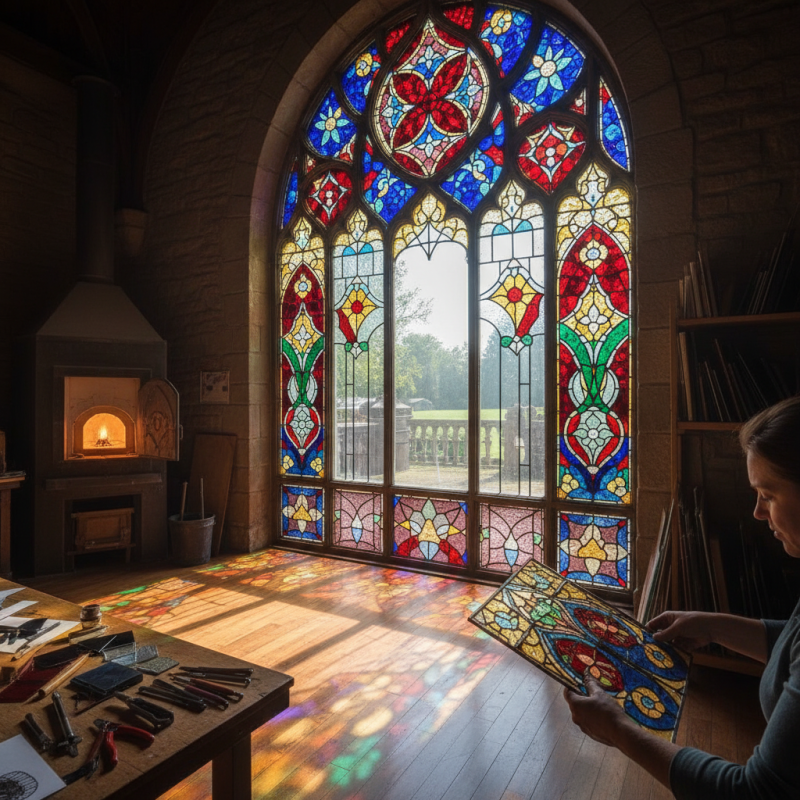
Identifying Essential Certification Standards for Stained Glass Exporters
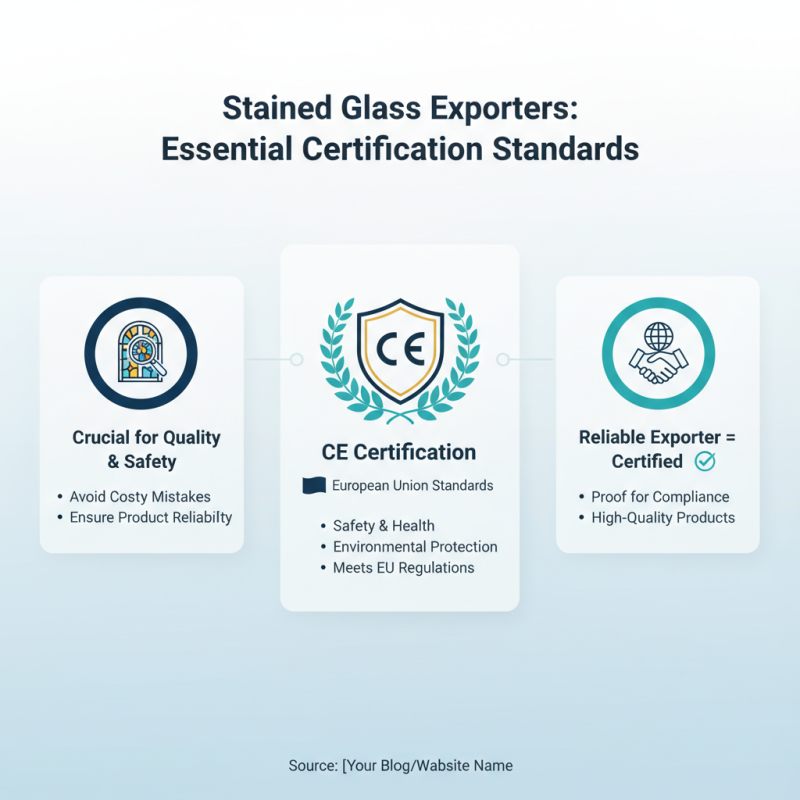
When searching for a high-quality stained glass exporter, identifying essential certification standards is crucial. CE certification indicates compliance with European Union safety and quality regulations. A reliable exporter should possess this certification to ensure their products meet basic safety and environmental standards. Evaluating their credentials can save costly mistakes later.
Consider the materials used in their stained glass. High-quality exporters will often use specific raw materials, which can greatly affect product durability. For instance, check if they use lead-free options. This is especially important for Faux Stained Glass products, which often appeal to environmentally conscious clients. Understanding these details helps establish trust and reliability.
Communication is key in this industry. A credible exporter should be open to questions about their certification processes. They should clearly explain their production methods and compliance with standards. Look for transparency in their business practices and certifications. Critically assess if they can provide documented evidence for their claims. In the stained glass market, knowledge is power, and knowing what to look for can be a game-changer.
Understanding CE Certification: Importance and Compliance for Products
CE certification plays a crucial role in ensuring that products meet safety and environmental standards in Europe. It signals to consumers that a product has undergone rigorous testing. For stained glass exporters, being CE certified is especially important. It demonstrates compliance with regulations and gives customers confidence in the quality of their purchases.
When searching for high-quality stained glass exporters, consider these tips. Look for those who provide transparent certification details. Engage with exporters who understand the specific requirements for CE certification. A knowledgeable exporter will offer comprehensive documentation that supports their compliance claims. Also, don’t overlook customer reviews. They can reveal insights about the quality of the stained glass. Beware of companies that offer low prices along with CE certification; they might be selling Fake Stained Glass.
Ensuring that your supplier adheres to CE standards protects your investments. Understanding the significance of compliance can also help you avoid poor-quality products. Seek exporters who prioritize quality and reliability. It’s vital for sustaining your reputation in the market and delivering value to your customers.
10 Tips for Finding a CE Certification High-Quality Stained Glass Exporter
| Criteria |
Details |
| Experience |
At least 5 years in stained glass manufacturing |
| Certifications |
CE certification compliance and other relevant certifications |
| Product Range |
Wide variety of stained glass products, including custom options |
| Quality Control |
Robust quality assurance processes in place |
| Customer Reviews |
Positive feedback and high satisfaction ratings from customers |
| Technical Support |
Availability of technical support and expertise |
| Sustainability Practices |
Use of environmentally friendly materials and processes |
| Lead Time |
Reasonable lead times for production and delivery |
| Pricing |
Competitive pricing without sacrificing quality |
| Communication |
Clear and prompt communication throughout the order process |
Evaluating Industry Reputation: Researching Exporter Track Records
When researching exporters for stained glass products, evaluating their industry reputation is essential. A strong track record signals reliability and quality. Industry reports indicate that 70% of successful exporters have over a decade of experience. Engaging with exporters who have consistent client satisfaction ratings can further enhance the decision-making process.
Additionally, assessing review platforms is crucial. Many high-quality stained glass exporters boast ratings above 4.5 stars. However, it's important to be cautious of anomalies. Some ratings could be misleading or inflated. Transparency in client feedback is critical. An exporter that showcases genuine testimonials often indicates a trustable relationship with their clients.
Another useful strategy is to seek references from other artisans or businesses. This network can yield valuable insights into the exporter’s operations and reliability. Furthermore, consider the variety of products available, such as Stained Glass Doors. An exporter offering a diverse range shows their capability and commitment to quality craftsmanship. Remember that the best choice often requires diligence and thorough research.
Analyzing Quality Control Processes in Stained Glass Production
When searching for a high-quality stained glass exporter, understanding their quality control processes is crucial. Quality control ensures that the final products meet design specifications and safety standards. A reputable exporter should have a structured quality assurance protocol in place, including inspections at each production stage. Visual inspections, material testing, and adherence to industry standards should be part of their routine.
Additionally, asking about the exporter’s certification and training programs can reveal their expertise. Knowledgeable staff contribute significantly to quality. However, not all exporters maintain consistent oversight. This inconsistency can lead to variations in quality, which can impact your projects. When selecting an exporter, carefully evaluate their approach to quality control. Look for evidence of ongoing training and feedback mechanisms.
Accessing production samples can also provide insight into quality. A high-quality exporter will gladly share samples and explain their quality processes. It's essential to reflect on your own expectations and ensure they align with what the exporter offers. Discrepancies in understanding can lead to disappointment. Always communicate clearly and address any concerns upfront.
Looking for ISO 9001 Certification: A Sign of Quality Management
When searching for a high-quality stained glass exporter, ISO 9001 certification is crucial. This standard ensures a structured approach to quality management. Reports indicate that companies with ISO 9001 certification frequently outperform their competitors by up to 20% in customer satisfaction. Such exporters have well-defined processes for production, ensuring consistent quality in every piece of stained glass.
Moreover, ISO 9001 certification indicates a commitment to continuous improvement. A study from the International Organization for Standardization shows that 75% of certified companies report improvements in operational efficiency. This means you are not only getting a reliable product but also valuable insights into the manufacturer’s practices. However, not all exporters maintain this certification actively. Companies often lapse in their quality management systems, leading to discrepancies in product standards.
Look for transparency in a potential partner's processes. Check for reviews and feedback from previous clients. Understanding the exporter's history with certification can help mitigate risks. If an exporter can't provide documentation or details, be cautious. The right exporter should not just fulfill orders; they should embody quality management principles throughout their operations.
Quality Management Metrics of CE Certification Stained Glass Exporters
Investigating Material Sourcing: Ensuring Eco-Friendly Practices
When sourcing materials for stained glass projects, eco-friendly practices are essential. Many exporters overlook the importance of sustainable sourcing. It's vital to ask potential suppliers about their methods. Reliable exporters should provide detailed information about their materials. For instance, recycled glass is a great option, reducing waste and energy consumption.
In addition, consider the energy sources used in glass production. Are they relying on renewable energy or fossil fuels? This can significantly impact the overall sustainability of your Stained Glass Roses. Look for certifications that indicate a commitment to eco-friendly practices. Transparency in their supply chain shows a dedication to responsibility.
It's crucial to reflect on the long-term impact of your choices. Supporting exporters with ethical practices benefits the environment. Yet, finding reliable partners can be challenging. Some suppliers might provide vague information about their processes. Always verify their claims. The goal is to create beautiful stained glass roses while safeguarding our planet.
Assessing Exporter Communication: Clarity and Responsiveness in Deals
When searching for a high-quality stained glass exporter, effective communication should be a priority. Clear communication sets the foundation for successful deals. A responsive exporter will answer your questions quickly. This can prevent misunderstandings and delays. Look for exporters who provide detailed information about their products. They should clarify their processes, timelines, and shipping methods.
Assessing how promptly and clearly they respond to inquiries is crucial. If answers are vague, it may indicate a lack of expertise. A reliable exporter will not only answer your questions but will also offer insights into their products. Consider their ability to articulate any challenges in the process.
Additionally, take note of their willingness to follow up. A proactive approach shows commitment. If you encounter delays in their responses, reflect on whether that aligns with your needs. Quality exporters prioritize engagement and transparency, ensuring you feel valued and understood throughout your dealings.
Maximizing Energy Efficiency and Comfort: The Advantages of Insulating Glass in Modern Architecture
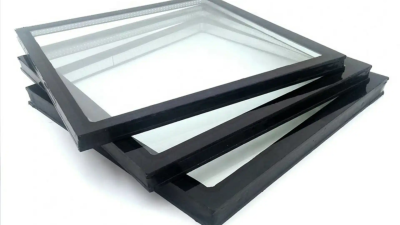
Insulating glass has become a cornerstone in modern architecture, notably for its role in maximizing energy efficiency and enhancing comfort within buildings. This innovation involves multiple layers of glass, separated by an aluminum spacer that is filled with desiccant to prevent moisture buildup. The integration of materials such as Low-E glass not only reduces heat transfer but also allows structures to maintain optimal indoor temperatures with minimal energy expenditure. Reports indicate that such energy-efficient designs can achieve up to 30% lower energy consumption compared to traditional glazing solutions.
Moreover, the versatility of insulating glass permits architects to tailor their choices based on specific project requirements. By utilizing various types of glass—such as tempered, laminated, or even solar reflective—designers can address aesthetic desires while still focusing on practical performance indicators. Studies have shown that buildings fitted with insulating glass can significantly improve occupant comfort by eliminating drafts and external noise infiltration, effectively creating a more pleasant living and working environment. The strategic use of insulating glass not only contributes to energy savings but also enhances the overall quality of life for occupants.
FAQS
: A strong track record signals reliability and maintains quality. It informs better decision-making.
Look for exporters with ratings above 4.5 stars. However, be cautious of inflated ratings.
Seek references from other artisans or businesses. They can provide valuable information about reliability.
It ensures a structured approach to quality management. Certified exporters often outperform competitors in satisfaction.
No, some exporters may lapse in quality management. Look for documentation to verify their certification status.
Clear and responsive communication is essential. It prevents misunderstandings and ensures smoother transactions.
Check how promptly they respond and if their answers are clear. Lack of clarity may indicate inexperience.
Reflect on whether this aligns with your needs. Quality exporters prioritize timely engagement and transparency.
A diverse range signifies capability and commitment to quality craftsmanship.
Genuine testimonials indicate a trustable relationship. They help in evaluating the exporter's reliability.
Conclusion
When seeking a high-quality stained glass exporter, it is essential to understand various certification standards, particularly CE certification, which ensures product compliance and safety. Evaluating an exporter's industry reputation is crucial; researching their track record can reveal their reliability in delivering quality stained glass.
Moreover, assessing the quality control processes in stained glass production is vital to ensure that the products meet high standards. Look for exporters with ISO 9001 certification, which indicates strong quality management practices. It's also important to investigate the sourcing of materials, prioritizing eco-friendly practices. Lastly, effective communication from the exporter, characterized by clarity and responsiveness, can significantly enhance the overall transaction experience. These factors collectively aid in identifying a reputable stained glass exporter.



 1Durch die gruppenweite Einführung und Harmonisierung unseres integrierten Managementsystems (IMS) werden alle bestehenden Unternehmens-, Qualitäts-, Umwelt- und Energiepolitiken durch diese Unternehmenspolitik ersetzt. Der Slogan „Textil hat Zukunft – auch in De