
In the fast-changing world of construction and design, finding high-quality tempered glass is pretty important for businesses looking to stay competitive. According to the latest report from Global Market Insights, the global tempered glass market is expected to hit around USD 85 billion by 2026 — pretty impressive growth, right? Industry expert Mark Johnson once said, "The right tempered glass supplier can really make or break a project." That’s a good reminder of just how critical choosing the right OEM exporter is.
More and more new companies are starting to see the value in competitive pricing and dependable supply when it comes to tempered glass. But honestly, with so many options out there, it can be pretty overwhelming to figure out who to go with. Every supplier has different specs and certifications, so it’s really important to not just look at the price but also dig into their quality assurance practices.
Now, while China is definitely a big player in the tempered glass scene, it’s worth taking a step back and thinking about your specific needs. Things like performance standards, turnaround times, and how good their customer support is should all come into play. Picking a partner you can trust can make your projects run smoother and keep you compliant with international standards. At the end of the day, choosing the right supplier can really give your business a leg up in this rapidly evolving market.
When considering the global market for Tempered Glass, understanding the options available from China’s OEM exporters is crucial. A recent analysis by Market Watch highlights that the tempered glass industry is projected to grow at a
CAGR of 5.5% from 2023 to 2030. This growth suggests an increasing demand for quality suppliers.
OEM exporters in China provide a range of tempered glass products suitable for various industries, from automotive to construction. They adhere to international safety standards, ensuring product reliability. However, choosing the right partner requires assessing their certifications and experience in meeting specific requirements. Some exporters may lack transparency in their manufacturing processes, which can lead to quality concerns.
Tip: Evaluate potential suppliers’ production capabilities and past client feedback. This can provide insight into their reliability.
Furthermore, recent statistics indicate that approximately
30% of tempered glass returns are due to manufacturing defects. This emphasizes the importance of quality checks throughout the production process. Businesses must insist on comprehensive testing reports to mitigate risks.
Tip: Always request samples before making large orders. This can prevent costly mistakes in the long run.
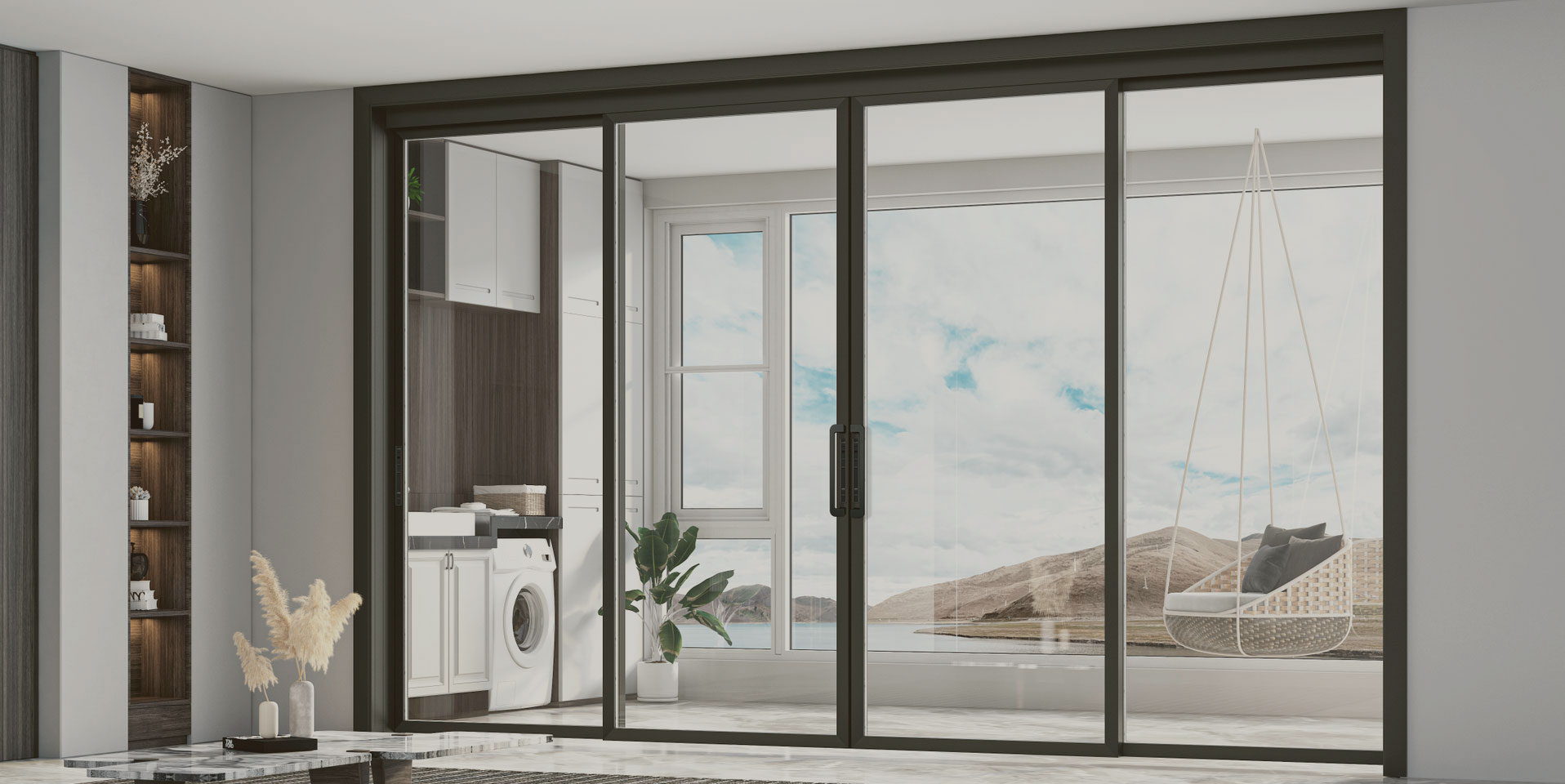
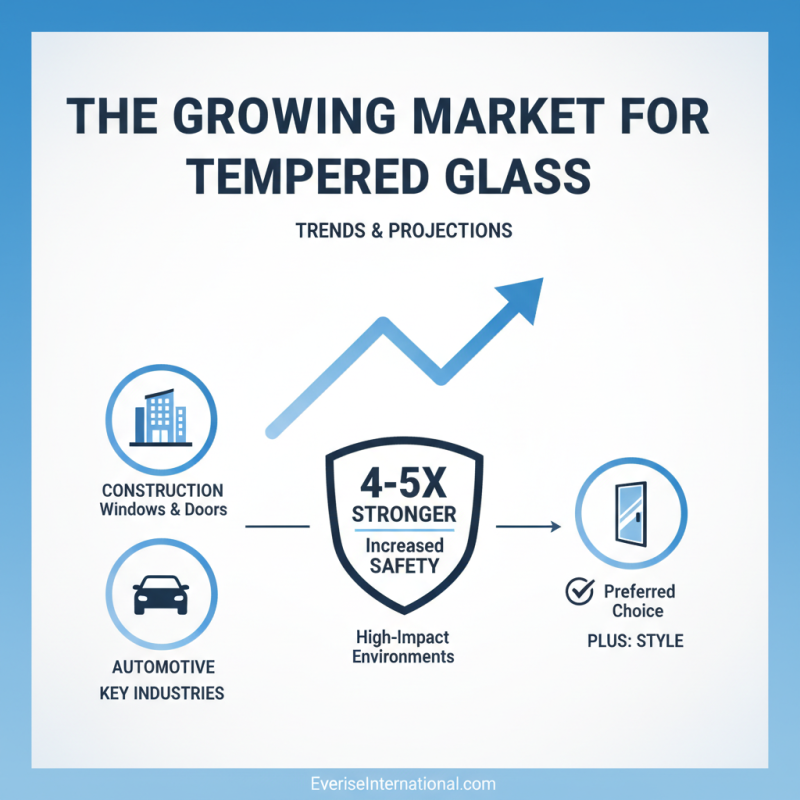
The demand for tempered glass continues to grow. Industries such as construction and automotive increasingly rely on its safety features. Tempered glass is four to five times more durable than regular glass. This makes it ideal for high-impact environments. It's a preferred choice for windows and doors. A Tempered Glass Door not only enhances safety but also adds style.
Current trends indicate a shift toward eco-friendly materials. Manufacturers are exploring sustainable production methods. This change is driven by consumer preference for green products. Clients are more conscious of their environmental impact. Additionally, innovations in design are expanding the use of tempered glass. New applications are emerging in interior design and architecture.
However, there are challenges in the market. Quality standards can vary significantly among suppliers. This inconsistency can lead to safety concerns. Businesses must carefully evaluate potential partners. Conducting thorough research is crucial. Identifying reliable OEMs can ensure quality products. Companies should ask for certifications and samples before making decisions. This diligence can help mitigate risks associated with subpar materials.
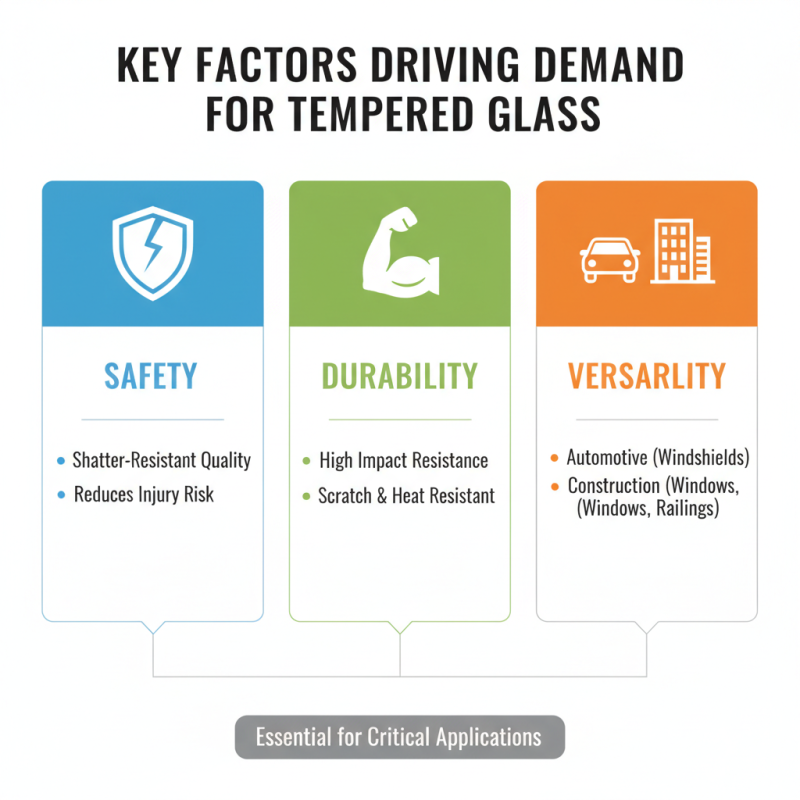
Tempered glass is increasingly in demand across various industries. Its unique properties make it ideal for applications where safety and durability are critical. The automotive sector, for instance, relies heavily on tempered glass for windshields and side windows. Its shatter-resistant quality enhances vehicle safety for both passengers and pedestrians.
The construction industry also benefits from tempered glass. It is used in facades, shower doors, and balustrades. The aesthetic appeal combined with high resistance to thermal stress makes it a preferred choice for modern designs. Consumer preferences for sustainable materials are driving builders to opt for glass solutions that meet energy-efficient standards.
Tip: When sourcing tempered glass, ensure your supplier can provide certifications. These can verify the glass's safety and quality. Additionally, consider local suppliers who understand regional regulations. This can help avoid delays in your project timelines.
Tip: Be aware of the potential for broken glass during transport. Proper packaging and handling are essential. Choosing an experienced supplier can significantly reduce the risk of damage.
Understanding these factors can enhance your business's success in utilizing tempered glass. The focus on safety and innovation continues to create new opportunities in this field.
When exploring OEM tempered glass exporters in China, several factors are critical to consider. Product quality is essential, and recent industry analyses show that the Chinese tempered glass market is expected to reach $55 billion by 2025. The demand for high durability and safety features has led many companies to invest in advanced production technologies.
Finding a reliable partner can be challenging. It's vital to evaluate each potential exporter’s certifications and production capacity. Look for companies complying with international standards like ISO 9001. This ensures they adopt rigorous quality controls. Furthermore, evaluating their visual product samples can provide insight into their finishing and overall craftsmanship.
Tip: Always request references from previous clients. Understanding their experiences can help gauge the reliability of the exporter.
Despite the available options, some companies might lack transparency in pricing or lead times. Engaging directly with potential suppliers can reveal hidden costs or prolonged delivery schedules. Being clear about your expectations and discussing contracts in detail can mitigate potential risks.
Tip: Maintain open communication with exporters. Effective dialogue can lead to better service and product outcomes.
When exploring options for tempered glass exporters in China, quality standards become crucial. The manufacturing process of tempered glass involves heating and cooling work, which affects its strength. The right supplier will adhere to recognized standards to ensure durability. The methods can vary, so evaluating each process is important.
Tips: Always check for certifications or compliance with international standards. This can provide insights into the quality you can expect.
Not all manufacturers use the same thickness in their Tempered Glass Panels. This can impact safety and functionality. Some may not clearly label their productions. Look for transparency in specifications when making choices.
Tips: Request samples from potential suppliers to gauge quality. Seeing and touching the product can reveal more than just reading about it.
Understanding the differences in manufacturing processes can lead to better choices. A thorough investigation can help you avoid issues later. Remember, not every supplier will openly share their quality assurance practices, so asking the right questions is key.
The pricing structures for tempered glass exports are complex. Factors like raw material costs significantly influence prices. According to recent industry reports, silica sand and soda ash prices have seen fluctuations of up to 15% in the last year. These changes directly impact the overall production costs for tempered glass.
Labour costs also play a crucial role. In regions like China, skilled labor can be a significant expense. Reports indicate that labor expenses contribute to about 30% of total production costs for glass manufacturers. Manufacturers may need to adjust their pricing strategies to remain competitive while absorbing these costs.
Transport logistics can add to final pricing. Shipping rates have increased, with reports showing a rise in costs by nearly 25% over the past year. Exporters must consider these variables when determining their prices. Companies may face challenges with supply chain disruptions. Understanding these factors is essential for businesses looking to navigate the tempered glass market effectively.
| Exporter Type | Average Price per Unit (USD) | MOQ (Minimum Order Quantity) | Lead Time (Days) | Shipping Options |
|---|---|---|---|---|
| Standard Tempered Glass Supplier | $15.00 | 100 Units | 30 Days | Sea Freight, Air Freight |
| High-Quality Tempered Glass Producer | $25.00 | 50 Units | 20 Days | Express Shipping, Sea Freight |
| Custom Tempered Glass Manufacturer | $35.00 | 20 Units | 45 Days | Air Freight, Road Transport |
| Economical Tempered Glass Supplier | $10.00 | 200 Units | 60 Days | Sea Freight Only |
Exporting tempered glass, especially Curved Tempered Glass, involves navigating complex logistics. Selecting the right shipping method is crucial. Air freight offers speed but at a higher cost, while sea freight is more economical but slower. Always assess your timeline and budget before making a choice.
Supply chain considerations are also significant. Partnering with reliable suppliers ensures quality and consistency. Establishing clear communication channels can prevent misunderstandings. Consider regional trade regulations and tariffs as they can impact overall costs. The risk of damage during transportation is always present, so investing in quality packaging is essential.
Monitoring inventory levels is important to meet demands while minimizing excess stock. Safety standards and certifications must be adhered to when exporting glass products. Achieving compliance can be challenging but is vital for maintaining a reputable business. Balancing these elements requires experience and insight into the market dynamics.
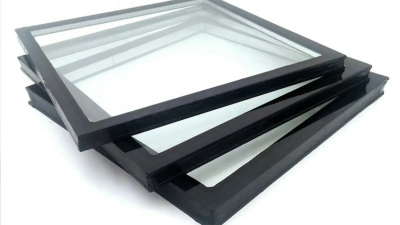
Insulating glass is an essential component for enhancing energy efficiency and comfort in modern homes. It consists of two or more glass panes separated by an aluminum spacer that is filled with desiccant to absorb moisture, ensuring clarity and performance. The edges are sealed with high-strength sealant to create a durable, non-conductive barrier. This construction minimizes heat transfer, providing superior insulation compared to standard single-pane glass.
A variety of glass types can be used to meet specific needs and preferences. Options such as annealed clear glass, tinted glass, solar reflective glass, and Low-E glass offer different benefits ranging from UV protection to enhanced thermal performance. For homeowners seeking added durability, laminated glass and tempered glass are excellent choices, providing safety alongside insulation. Heat-strengthened and curved glass options also cater to aesthetic requirements, allowing for versatile applications in architectural design, all while maintaining the insulating properties essential for energy conservation and comfort.
: Assess their certifications and production capabilities. This is crucial for ensuring product quality and reliability.
Request samples and comprehensive testing reports before placing large orders. This helps prevent costly mistakes.
Its shatter-resistant quality enhances safety for passengers and pedestrians, making it ideal for windshields and side windows.
Its aesthetic appeal, thermal resistance, and alignment with sustainability trends make it a preferred choice for modern designs.
Choose experienced suppliers who ensure proper packaging and handling to reduce damage risks.
Understanding past client experiences provides insight into an exporter's reliability and overall service quality.
Be aware of hidden costs and unclear delivery schedules. Clear communication can help clarify expectations.
Yes, certifications like ISO 9001 indicate adherence to quality control standards, ensuring product safety and durability.
The article "Top China OEM Tempered Glass Exporter Options for Your Business Needs" explores the burgeoning market for tempered glass and its increasing demand across various industries. It delves into key factors driving this demand, including trends and projections that indicate continued growth. The piece also evaluates leading OEM tempered glass exporters in China, providing a comparative analysis of quality standards and manufacturing practices among them. Additionally, it discusses the pricing structures and cost factors associated with exporting tempered glass, while offering insights into logistics and supply chain considerations that are crucial for businesses looking to source tempered glass from China.
In summary, the insights provided in this article are essential for businesses aiming to tap into the tempered glass market, allowing them to make informed decisions about their sourcing strategies and partnership opportunities with OEM exporters in China.