
Hey there! So, these days, there’s been quite a buzz around high-quality Cladding Glass in the construction world. It’s sort of become a must-have, not just for making buildings look great but also for boosting energy efficiency. Picking the right supplier is super important if you want your projects to be both durable and stylish. The market’s pretty crowded now, with tons of options, but honestly, not all suppliers are created equal—some are consistent, while others can be hit or miss.
Now, China’s truly stepped up as a major player in this industry. Lots of Chinese companies are known for their cutting-edge technology and competitive prices. But here’s the thing—navigating this market can be a bit tricky. You really need to do your homework: look into their experience, expertise, and track record. Having good info makes a huge difference when making choices.
In this article, we’re going to dive into the top 10 Cladding Glass suppliers from China. Each of these companies has its own strengths and unique qualities that can suit different needs. But keep in mind, not every supplier is going to fit the bill for every project. Knowing the ins and outs of each brand is key if you want your construction ventures to turn out just right.
China has become a global hub for cladding glass suppliers. The market is expanding rapidly, driven by urbanization and infrastructure development. In 2022, the global cladding glass market was valued at approximately $23 billion, with a projected growth rate of 6% annually over the next five years. This growth presents significant opportunities for international buyers seeking quality Cladding Systems.
Industry leaders in China are known for their advanced manufacturing processes. They utilize cutting-edge technology to produce high-quality glass suitable for various applications. Factors such as energy efficiency and aesthetic appeal are critical for modern construction. Reports indicate that energy-efficient cladding systems can reduce heating and cooling needs by up to 30%, making them an attractive choice for builders and architects alike.
Despite the robust performance of the cladding glass sector, challenges remain. Quality control can vary significantly among suppliers. A lack of standardization in some regions leads to inconsistency in product offerings. International buyers often face difficulties ensuring that suppliers meet specific performance standards. Understanding the nuances of the Chinese market is essential for sourcing reliable cladding systems.
The cladding glass market in China has shown remarkable growth in 2023. Reports indicate that top suppliers dominate more than 60% of market share. This concentration highlights the competitive nature of the industry. Major players focus on innovation and efficiency. These are crucial for meeting global demands.
Recent studies show that the demand for energy-efficient and aesthetically pleasing cladding solutions is rising. In 2023, about 40% of projects prioritized sustainability metrics. However, while many suppliers excel in production, issues like supply chain vulnerabilities still persist. Manufacturers need to address these concerns to maintain their standing.
China remains a hub for cladding glass production. The increasing investment in construction and infrastructure drives this market forward. Yet, not all suppliers have adapted to changing trends. A significant number struggle with quality control and material sourcing. Continuous improvement in these areas will be vital for sustainable growth in the coming years.
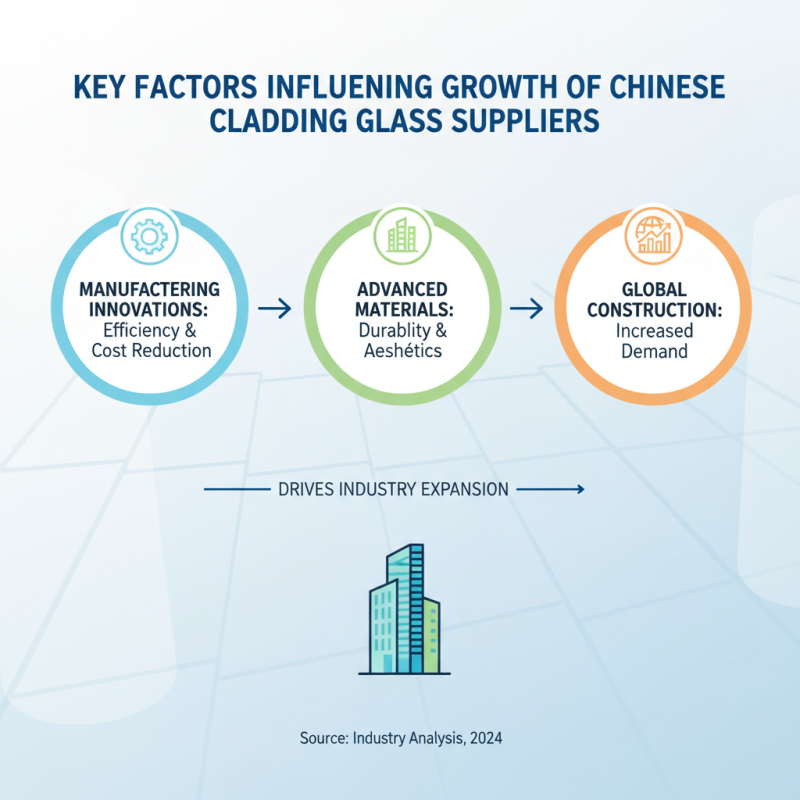
The cladding glass supply industry in China is evolving rapidly. Several factors drive this growth. Innovations in manufacturing processes improve efficiency and reduce costs. Advanced materials enhance durability and aesthetics, attracting global buyers. Increased construction activities worldwide boost demand for high-quality cladding glass.
Tips: Stay updated on industry trends. Regularly review market reports for insights. Engage with experts in the field to gain practical knowledge.
Sustainability also plays a vital role. Manufacturers are focusing on eco-friendly materials. This shift meets both regulatory requirements and consumer preferences. However, not all suppliers can adapt swiftly. Some still use outdated practices, risking quality and reputation.
Tips: Assess supplier capabilities carefully. Look for certifications that indicate commitment to sustainability.
Understanding market dynamics is essential. With fluctuating raw material prices, suppliers face challenges. Those who can navigate this landscape will succeed. Collaboration with architects and builders fosters trust and innovation.
The cladding glass market in China has shown significant innovation and growth. Recent technological advancements have transformed production processes. Manufacturers are focusing on energy efficiency and sustainability. The emergence of Ar Glass has redefined building aesthetics and functionality. This material is lightweight yet strong, making it a prime choice for modern architecture.
Moreover, digital technologies are reshaping how designers and architects interact with manufacturers. Smart design software helps in visualizing glass applications in real-time. However, there are challenges in adapting to the fast-paced changes. Not all suppliers keep up with the latest trends. Some may still use traditional methods, which can hinder competitiveness.
Investing in research and development is crucial. Companies that prioritize innovation often see improved market positions. Yet, there’s always a risk involved in adopting new technologies. Some firms may overlook the importance of testing new materials like Ar Glass extensively. Continuous learning and adaptation are vital in this evolving landscape.
Sustainability is becoming a key focus among cladding glass suppliers in China. Many companies are now implementing eco-friendly practices. A study conducted by the China Building Materials Federation shows that about 40% of glass suppliers are adopting recycled materials in their production processes. This shift reduces waste and minimizes environmental impact.
Further, energy-efficient manufacturing methods are being prioritized. Reports indicate a 30% reduction in energy consumption for those utilizing advanced technologies. These technologies often include the use of solar power and low-emission furnaces. Suppliers who prioritize such methods can significantly lower their carbon footprint.
However, challenges still exist. The cost of implementing sustainable practices can be high. Many suppliers struggle to balance cost-effectiveness with eco-friendly initiatives. This dilemma requires careful consideration. It prompts the industry to reflect on the long-term benefits of sustainability against immediate financial pressures. Collaborative efforts within the industry are crucial for overcoming these barriers.
| Supplier Rank | Annual Revenue (Million USD) | Sustainability Certification | Environmental Initiatives | Export Markets |
|---|---|---|---|---|
| 1 | 250 | ISO 14001 | Recycling Program, Energy-efficient Production | North America, Europe |
| 2 | 180 | LEED Certified | Water Conservation, Waste Management | Asia, Australia |
| 3 | 200 | BREEAM Certified | Solar Energy Integration, CO2 Reduction Goals | Middle East, Africa |
| 4 | 150 | ISO 50001 | Low Emission Materials, Community Projects | Europe, South America |
| 5 | 220 | Green Tag | Zero Waste Factory, Renewable Energy Usage | Asia, North America |
| 6 | 170 | ISO 14064 | Carbon Footprint Reduction, Sustainable Sourcing | Africa, Australia |
| 7 | 240 | Cradle to Cradle | Eco-Friendly Packaging, Recycling Collaboration | Europe, North America |
| 8 | 190 | Environmental Management System | Biodiversity Protection Initiatives, Waste Minimization | Asia, Middle East |
| 9 | 210 | ISO 45001 | Health and Safety Standards Compliance, Effluent Treatment | Global |
| 10 | 160 | ISO 26000 | Social Responsibility Initiatives, Local Community Engagement | North America, Europe |
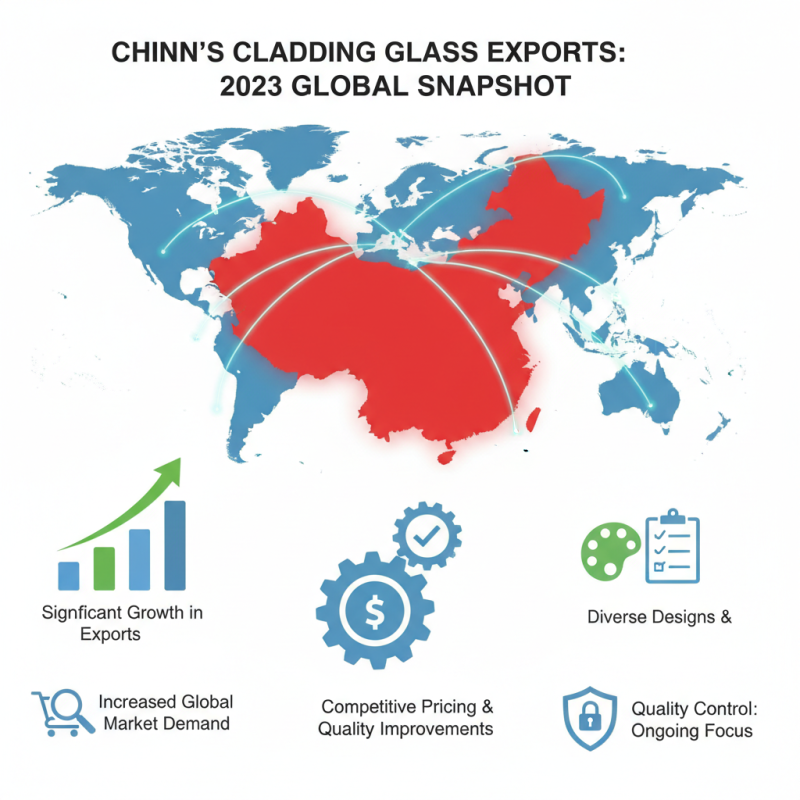
In 2023, China's cladding glass exports saw significant growth. The global market demand increased. Many international buyers turned to Chinese suppliers. This change was influenced by competitive pricing and quality improvements. The variety of options available has easily satisfied different market needs. Buyers appreciated the flexibility of designs and finishes. However, quality control remained a concern for some.
China exported large volumes to various regions. Asia, Europe, and America were major destinations. Each region showed interest in different types of glass. Some preferred energy-efficient solutions. Others focused on aesthetic appeal. This diversity in demand indicated a need for suppliers to adapt. Many companies, like Ag Glass, emphasized innovation to meet these changes. However, challenges in communication and logistics arose. Not all suppliers could navigate these complexities effectively.
While the statistics look promising, gaps in supplier reliability persist. Some buyers faced delays and inconsistent quality. This created hesitation about long-term partnerships. Suppliers need to focus on building trust. Transparency in processes can help address these challenges. Buyers should conduct thorough research before committing to suppliers. Successfully navigating this market requires diligence and attention to detail.
When comparing pricing for cladding glass products from Chinese suppliers, several key factors emerge. The industry is vast, and prices vary significantly based on quality, thickness, and technology used in production. Many suppliers offer competitive rates, but hidden costs may influence overall value. Consideration must be given to shipping fees, customs duties, and potential delays, which could affect final pricing.
Another crucial aspect is the level of customization available. Some manufacturers specialize in tailored solutions that meet specific project requirements. This versatility can come at a premium. For instance, a unique "Glass Fin" design might increase costs but add significant aesthetic appeal. There’s also variation in lead times that can impact project schedules. Reliability is essential; inadequate timelines can compromise project integrity.
Buyers should also assess supplier reliability through reviews and certifications. A low price might tempt many, yet it can indicate compromised quality or reliability. Freedom from defects is critical in cladding glass applications. Overall, thorough research and careful evaluation of each supplier’s offerings and reputations are vital to making an informed decision.
Innovative Curved Glass Solutions are transforming the landscape of modern architectural design, offering both aesthetic beauty and enhanced functionality. Curved glass, shaped through advanced techniques of heating and forming, allows architects to create striking contoured surfaces that seamlessly integrate into a variety of structures. This unique glass product is ideal for stylish façades, elegant skylights, and inviting entrances, enriching both commercial and residential projects with its fluid lines and dynamic appeal.
The advantages of curved glass extend beyond just visual impact. Its intrinsic properties provide safety and energy efficiency that are paramount in today’s architectural considerations. Curved glass can be engineered to meet various safety standards, ensuring durability without compromising design. Additionally, its ability to optimize natural light and thermal performance contributes to sustainable building practices, making it a preferred choice for those looking to minimize environmental impact while maximizing aesthetic potential. As a result, innovative curved glass solutions continue to elevate modern architecture, merging form and function in a harmonious blend that inspires and captivates.
: The market has grown significantly in 2023, with top suppliers holding over 60% of market share.
There's a rising demand for energy-efficient and visually appealing solutions. Sustainability metrics are prioritized in 40% of projects.
Many struggle with supply chain vulnerabilities and quality control, affecting their competitiveness.
Innovation is crucial for suppliers to remain relevant and improve market posisiion.
Digital technologies and advanced materials like Ar Glass are reshaping production and design processes.
Not all are adapting to changes. Some still rely on traditional methods, which can weaken their market positions.
Investing in research and development is vital for companies to improve and stay competitive.
Yes, risks exist, especially if firms neglect extensive testing of new materials before use.
Continuous learning and adaptation are essential for manufacturers to navigate the evolving landscape.
Quality control and material sourcing are areas where many suppliers need to reflect and improve.
The article "Top 10 Cladding Glass Suppliers in China for Global Buyers" provides a comprehensive overview of the leading companies in the cladding glass industry, highlighting their market share and growth factors in 2023. It discusses key influences driving the expansion of cladding glass suppliers in China, such as rising urbanization and construction demands. Additionally, the piece delves into the latest innovations and technology trends shaping the market, alongside sustainability practices adopted by top suppliers to promote environmentally-friendly production.
Furthermore, it presents export statistics for Chinese cladding glass, underscoring its significance in global markets, as well as a comparative pricing analysis of products offered by various suppliers. This in-depth exploration serves as a valuable resource for global buyers seeking to understand the dynamics and offerings in the cladding glass sector in China.