Lately, there's been quite a buzz around Insulate Glass—people are really starting to pay more attention to it. Honestly, the global market for Insulate Glass is expected to grow at a pretty solid rate of about 7.2% from 2022 all the way through 2028. This surge is mainly because everyone’s talking about energy efficiency and being more eco-friendly, so naturally, Insulate Glass is a hot topic. I remember Dr. Emily Hart, a well-known expert in the field, saying, 'Insulate Glass is essential for cutting down energy costs and making buildings more comfortable.' It’s pretty spot-on, too, considering how much of an impact it can have.
Now, picking a good ODM/OEM exporter is more important than you might think. Sadly, a lot of manufacturers try to cut corners to save on costs, but that often means sacrificing quality. A really high-quality Insulate Glass isn’t just about meeting safety standards; it also does a much better job at providing optimal thermal insulation. Companies like Crystal Clear Glass are leading the way by setting high standards—making sure every product is tested thoroughly and meets all the regulations.
That said, there are still some hurdles. Many folks aren’t fully aware of how useful Insulate Glass can be, which means it’s often underused. That’s actually a pretty good chance for exporters to step in and educate customers on the real benefits. And with new tech constantly coming out, the future of insulation solutions looks bright. But, honestly, it's gonna take everyone involved—manufacturers, exporters, consumers—to really embrace these innovations and make the most of what’s available.

Understanding ODM and OEM in the Insulated Glass Industry
In the insulated glass industry, understanding ODM (Original Design Manufacturer) and OEM (Original Equipment Manufacturer) is crucial. These models significantly impact production and supply chains. ODM focuses on developing products, while OEM is about manufacturing them based on designs provided by other companies. This distinction influences pricing, quality control, and customer engagement.
According to recent industry reports, ODM and OEM manufacturers hold a significant market share, with ODM accounting for approximately 30% of the market in certain regions. This growth stems from increasing demand for customized solutions in the glass sector, particularly in eco-friendly constructions. Insulated glass, especially products like Ar Glass, has gained traction due to its energy efficiency and thermal insulation properties.
However, challenges exist in the ODM and OEM landscape. Quality inconsistency can arise in mass production. Additionally, communication barriers between manufacturers and clients can lead to misunderstandings. Companies must proactively address these issues to maintain reliability in their partnerships. Continual investment in process improvements and technology is essential for sustaining a competitive edge. Awareness of these dynamics helps stakeholders navigate the complex ecosystem of insulated glass manufacturing.
Top ODM OEM Insulate Glass Exporter - Key Insights
| Dimension |
Value |
Description |
| Market Share |
25% |
Percentage of the insulated glass market held by leading ODM/OEM exporters. |
| Main Export Markets |
North America, Europe, Asia |
Primary regions where ODM/OEM insulated glass products are sold. |
| Standard Thickness |
12-20 mm |
Common thickness range for insulated glass units. |
| Average Lead Time |
4-6 weeks |
Typical manufacturing and shipping duration for orders. |
| Export Volume (annually) |
3 million square meters |
Estimated total amount of insulated glass exported each year. |
| Innovative Technology Used |
Low-E Coating, Argon Gas Filling |
Common technologies that enhance the thermal performance of insulated glass. |
| Compliance Certifications |
ISO, CE, IGMA |
Key certifications that ensure product quality and safety standards are met. |
Key Features of Insulated Glass Products
Insulated glass products are pivotal in modern architecture. They offer
energy efficiency, sound reduction, and enhanced comfort. These features make them popular among builders and architects.
A report from the Glass Association states that insulated glass can reduce energy consumption by up to
30%. This energy savings can significantly cut heating and cooling costs. With an increasing focus on sustainability,
builders are now opting for energy-efficient materials, making insulated glass a top choice.
Furthermore, the structural integrity of insulated glass is vital.
Double or triple glazing enhances thermal insulation and reduces sound transmission.
However, it is crucial to ensure proper sealing during installation. Poor sealing can lead to condensation issues, impacting effectiveness.
Regular inspections and maintenance can help address these concerns. While insulated glass is beneficial,
careful planning and execution are necessary for optimal performance.
Major Players in the ODM OEM Insulated Glass Market
The ODM and OEM insulated glass market is evolving rapidly. Major players continuously adapt to technological advancements and changing consumer preferences. According to a recent report by Market Research Future, the global insulated glass market is expected to reach $50 billion by 2027, expanding at a CAGR of 5% from 2020 to 2027.
Key industry players include manufacturers specializing in energy-efficient windows and high-performance glass products. Many companies focus on customizing their offerings to meet specific client needs. The demand for energy-saving building materials drives this trend, as more consumers seek sustainable construction solutions. However, quality can sometimes fall short. Companies must ensure rigorous testing and adherence to standards to build trust.
Tip: Research certifications before choosing suppliers. Look for companies with an excellent track record in product quality.
Competition is fierce among ODM and OEM entities. Some may cut corners to reduce costs. This can lead to inconsistent product performance. Buyers should conduct thorough due diligence to avoid negative outcomes. Consistent communication with suppliers is vital for maintaining quality and reliability.
Tip: Establish clear requirements before placing large orders. This helps to ensure expectations are met effectively.
Market Share of Major Players in the ODM OEM Insulated Glass Market
Export Regulations and Standards for Insulated Glass
When exporting insulated glass, understanding the regulations is crucial. Insulated glass must meet various industry standards to ensure safety and efficiency. Different countries impose distinct requirements, making it essential to research thoroughly. Compliance can involve specific tests for thermal insulation and durability. Not all exporters may be aware of these nuances, which can lead to rejected shipments. Engaging with experts will help navigate these challenges.
Exporting insulated glass, like Ag Glass products, requires documentation and certification. This often includes quality assurance certificates and compliance reports. Ensuring that these documents are correct is key to a smooth export process. Missteps in paperwork can result in delays or penalties. Addressing these issues can be daunting, yet it's necessary to maintain a reputation.
Understanding each market’s standards is a task that demands focus. Exporters must stay informed about changes in regulations. Continuous education on these matters is often overlooked but is vital for long-term success. Working with experienced teams can bridge knowledge gaps and enhance reliability in the export process. Embracing flexibility and learning from mistakes will strengthen future endeavors.
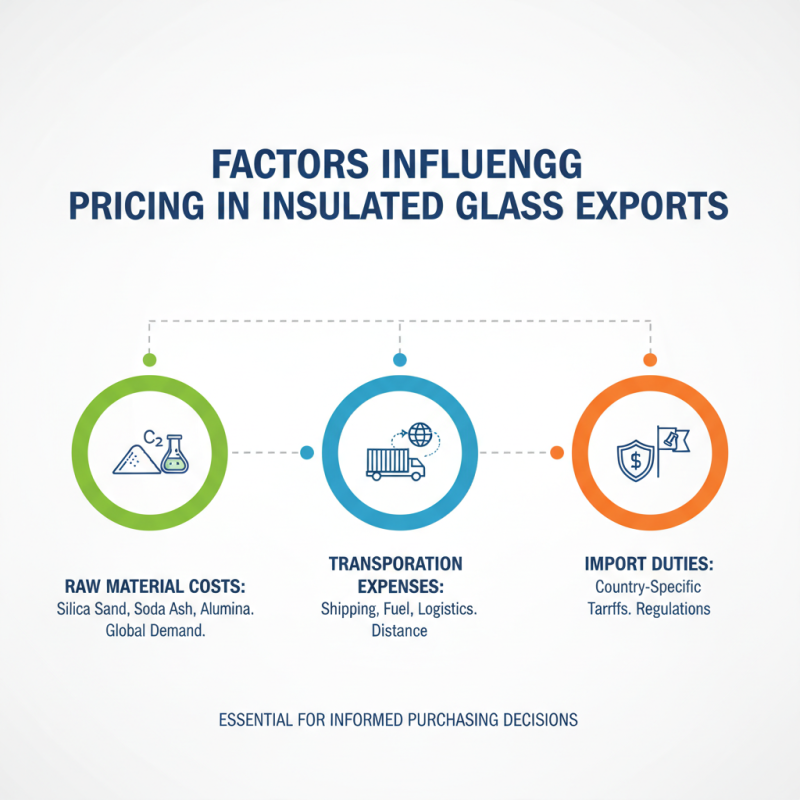
Factors Influencing Pricing in Insulated Glass Exports
When discussing insulated glass exports, various factors influence pricing. Understanding these components is essential for making informed purchasing decisions. Raw material costs are a primary factor. The price of materials like silica sand, soda ash, and alumina can fluctuate based on global demand. Additionally, transportation expenses play a significant role in the final price. Import duties for specific countries also impact costs, making it vital for exporters to navigate these regulations carefully.
Production methods further influence pricing. Companies employing advanced technologies may incur higher initial costs. However, these methods often lead to better thermal performance and durability. Quality assurance is also crucial; rigorous testing and certification can add to the expenses but are necessary for reliability.
Tip: Stay updated on material trends and transportation rates. This knowledge allows you to negotiate better deals. Consider working with suppliers who prioritize sustainability; this can reduce costs and improve your brand image.
Pricing strategies may vary among exporters. Some might offer lower prices at the expense of quality. When seeking reliable partners, focus on their production processes and customer reviews. A focus on factors like Glass Fin production can highlight a company's expertise.
Ensure you understand the pricing factors fully; it can lead to better choices. Seek detailed information and ask questions. When in doubt, consulting industry experts can provide valuable insights.
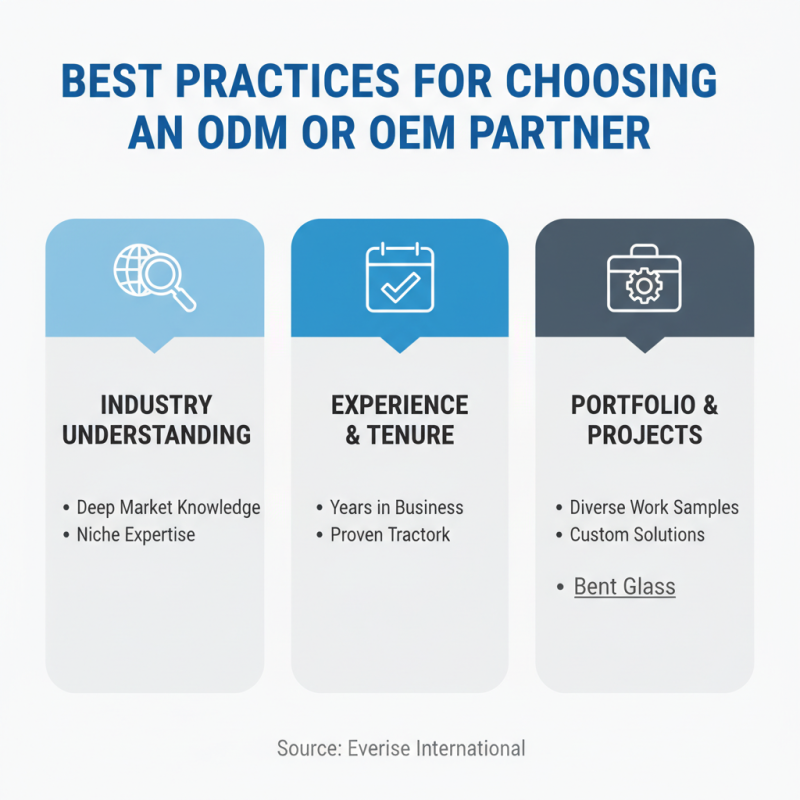
Best Practices for Choosing an ODM or OEM Partner
Choosing the right ODM or OEM partner is crucial for success. You want a partner who understands the nuances of your industry. Experience matters. Look for companies that have been in the business for years. They should have a strong portfolio showcasing their work, including custom projects like Bent Glass.
Tips: Ask for references from current clients. A reliable partner will gladly share this information. Communication is key. Ensure they provide clear updates throughout the production process. This builds trust and transparency.
Also, evaluate their capability for innovation. A partner should not only replicate your designs but also contribute ideas. Sometimes, their insights can elevate your product. Consider their willingness to adapt and experiment with different materials and technologies.
Choosing a partner is not just about cost. Quality and reliability are paramount. You might find a cheaper option, but this choice may lead to future complications. Carefully weigh the benefits of quality against upfront costs. A strong partnership is built on mutual understanding and growth, not just transactions.
Trends Impacting the Future of Insulated Glass Exports
The insulated glass export market is experiencing significant shifts. According to a recent report by Smithers Pira, the global demand for insulated glass is expected to grow by 5% annually, driven by construction sector advancements. Green building trends are influencing buyers. They increasingly seek energy-efficient products that reduce heating and cooling costs. These trends are essential for manufacturers and exporters to consider.
Tips: Always stay updated with industry trends. Regular market analysis can guide your export strategies effectively.
Sustainability is also reshaping the market landscape. The shift towards recycled materials in glass production is noticeable. Companies that adopt sustainable practices often see increased market share. However, the initial investment in green technologies can be daunting and may lead to overspending without immediate returns. Balancing costs with innovation remains a challenge.
Tips: Collaborate with suppliers that prioritize sustainability. They can enhance your product offering and credibility.
Geopolitical factors further complicate insulated glass exports. Tariffs and trade restrictions impact pricing and supply chains. Exporters often face uncertainty in planning logistics effectively. Understanding local regulations in target markets is crucial to navigate these challenges.
Tips: Engage local experts for market entry strategies. Their insights can save time and resources.
Embracing Elegance: The Allure of Color-Changing Decorative Glass for Modern Spaces
The allure of color-changing decorative glass, particularly dichroic glass, has transformed the aesthetics of modern spaces, creating an immersive experience that captivates observers. Dichroic glass is notable not only for its vivid color palette—which includes mesmerizing shades of blue, green, orange, and purple—but also for its unique optical properties. Depending on the viewer's angle and the lighting conditions, the glass can appear to shift colors, enhancing the dynamism of an interior space. This transformative quality draws inspiration from the growing trend in architecture and interior design that seeks to create environments that are not just habitable but also expressive and engaging.
Industry reports indicate that the decorative glass market is experiencing significant growth, driven by a rising demand for innovative design elements in residential and commercial projects. For instance, the global market for decorative glass is projected to reach USD 80 billion by 2026, reflecting an annual growth rate of over 5%. As consumers seek personalized and artistic designs, dichroic glass stands out as a favored choice among designers and architects. Its ability to adapt visually to different environments aligns with the contemporary emphasis on customization and eye-catching installations, making it a perfect candidate for feature walls, art pieces, and luxury installations.
In modern architecture, they leverage the spectacular effects of dichroic glass to introduce a play of light and color that changes throughout the day. This not only enhances the visual intrigue of a space but also contributes to a sense of tranquility and wonder. The integration of such striking materials into design schemes offers an astonishing way to elevate the sensory experience within any space, appealing to both discerning homeowners and those engaging in commercial projects. Thus, the embrace of decorative glass with color-changing properties reflects a broader shift toward aesthetics that celebrate both innovation and the beauty of light in our everyday environments.
FAQS
: Look for industry experience and a solid portfolio. They should show their capability with past projects.
Clear communication helps maintain transparency. It allows for effective updates throughout the production process.
Research their certifications and past performance. Trust from rigorous testing is essential to avoid future issues.
Cheaper options might cut corners. This can lead to inconsistent product performance and future complications.
Quality and reliability are crucial. Weigh the benefits of quality against upfront costs for better decisions.
Ask about their ideas and willingness to experiment. Their insights may enhance your product significantly.
Clear requirements help ensure that expectations are met. This reduces the risk of miscommunication later on.
Consistent communication and sharing updates are key. Trust is cultivated through transparency and understanding.
Yes, if expectations are misaligned, it can lead to complications. Reflect on past experiences to avoid repeating mistakes.
No, a strong partnership should focus on mutual understanding and growth. This approach benefits both parties long-term.
Conclusion
The article "Top ODM OEM Insulate Glass Exporter: What You Need to Know?" provides a comprehensive overview of the insulated glass industry, particularly focusing on the roles of Original Design Manufacturers (ODM) and Original Equipment Manufacturers (OEM). It highlights the key features that define high-quality insulated glass products, including energy efficiency and sound insulation. The market landscape is analyzed, showcasing the major players and the export regulations and standards that govern this sector.
Furthermore, the article discusses various factors affecting pricing in insulated glass exports, such as material costs and market demand. Best practices for selecting the right ODM or OEM partner are outlined to aid businesses in making informed decisions. Finally, trends impacting the future of insulated glass exports are examined, providing insights into potential market shifts and innovations. Overall, this article serves as a valuable resource for anyone looking to navigate the complexities of insulated glass exports.



 1Durch die gruppenweite Einführung und Harmonisierung unseres integrierten Managementsystems (IMS) werden alle bestehenden Unternehmens-, Qualitäts-, Umwelt- und Energiepolitiken durch diese Unternehmenspolitik ersetzt. Der Slogan „Textil hat Zukunft – auch in De