Transparent glass is honestly such an eye-catching material that’s really caught the attention of designers and architects alike. It’s pretty amazing how it manages to combine both looks and practicality, making it a go-to option in so many different projects. Whether it’s for a cozy single-family home or a busy commercial space, this stuff can turn an ordinary building into something really spectacular and visually captivating.
Experts over at ClearView Glass Innovations have been noticing how more and more modern architecture is making use of transparent glass. And it’s not just limited to windows anymore — people are using it for entire facades, doors, and even furniture pieces. The cool thing is, it lets in loads of natural light, while still giving you some privacy and helping with energy efficiency. Companies like EcoPanorama are also working on greener ways to make this glass, which fits right into today’s trend towards eco-friendly building practices.
That said, with its rising popularity, there are definitely some things to think about. Safety and thermal insulation are big concerns, of course. As stunning as it looks, you also have to consider how durable it is and what kind of maintenance it needs over time. Striking the right balance between making things look good and making sure they’re practical and safe is super important. When you understand these bits and pieces, designing with transparent glass becomes a lot easier, and you can create spaces that are both beautiful and functional without any hassle.
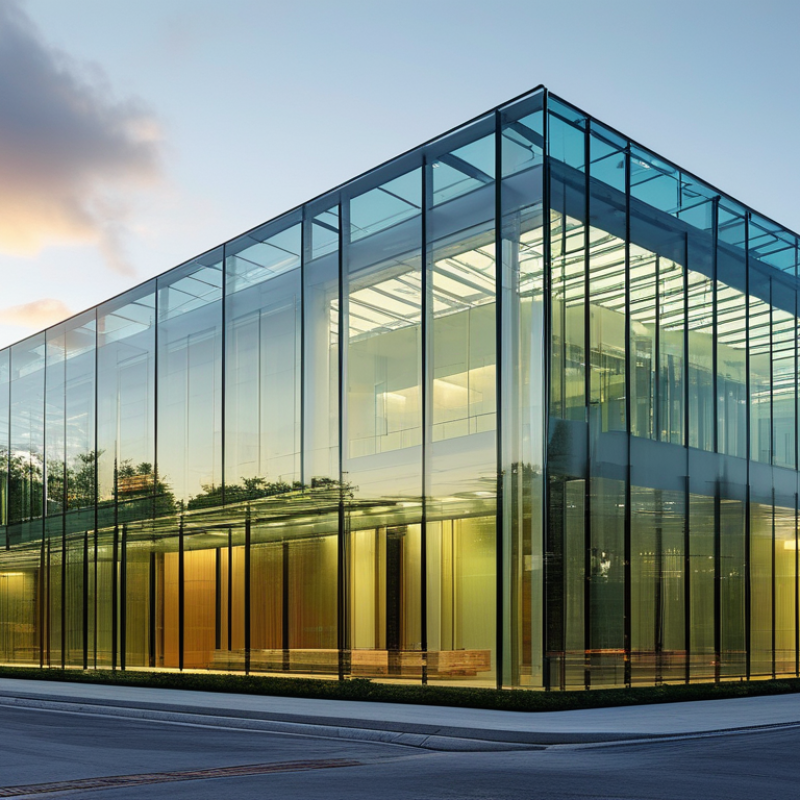
Top 10 Transparent Glass Uses You Need to Know About
Transparent glass has become a staple in various industries due to its versatility and aesthetic appeal. In architecture, it plays a critical role. According to a report by TechNavio, the global architectural glass market is projected to grow by 9% annually. This growth illustrates the increasing demand for energy-efficient buildings that leverage natural light.
In the automotive industry, transparent glass contributes to safety and design. As per Grand View Research, the automotive glass market is expected to reach $30 billion by 2026. Innovations in laminated and tempered glass have improved durability and visibility in vehicles. This shift highlights a growing trend towards transparency in design while prioritizing passenger safety.
Tips: Consider incorporating transparent glass in home design to enhance natural lighting. Use it strategically to create an illusion of spaciousness. When planning installations, ensure proper maintenance to avoid scratches and damage. Transparent glass, while trendy, requires regular care to maintain its clarity.
Another significant use is in consumer electronics, where glass is a fundamental component. Many devices utilize glass for screens, enhancing user experience. Industry experts point out that glass adds not only style but also functionality. However, the fragility of glass remains a concern, prompting ongoing research into more resilient materials. Balancing aesthetics with durability is essential for future applications.
Top 10 Uses of Transparent Glass
This chart illustrates the top 10 uses of transparent glass based on its applications and popularity in various industries.
The Role of Transparent Glass in Modern Architecture and Design
Transparent glass has become a cornerstone in modern architecture and design. Its versatility allows for seamless integration into various types of buildings. Elements like facades and partition walls benefit from the sleek aesthetic of Ultra Transparent Glass. This type of glass maximizes natural light, creating airy spaces. It also enhances connectivity between indoor and outdoor areas, fostering a sense of openness.
However, using transparent glass is not without challenges. It can raise issues related to privacy and glare. While many designers appreciate its visual appeal, they must also consider the functional aspects. Balancing transparency with privacy is crucial. Innovations like smart glass technology offer potential solutions but may not be accessible to all projects. The ongoing exploration of transparent materials continues to push architectural boundaries. Ultimately, architects must find ways to utilize Ultra Transparent Glass that align with both form and function.
Innovative Applications of Glass in the Automotive Industry
The automotive industry has undergone significant transformations due to advancements in transparent glass technologies. Innovations like Glass Tempered Glass enhance safety and performance. According to a report by Grand View Research, the global automotive glass market is projected to reach $40 billion by 2025. This growth demonstrates the industry's shift toward lightweight materials and improved fuel efficiency.
Transparent glass offers features such as heat resistance and durability. It enhances visibility while providing thermal insulation. Additionally, glass functionalities are evolving with smart glass technologies. These solutions can adjust transparency based on sunlight levels, contributing to energy efficiency in vehicles. This advancement not only enhances comfort but also promotes sustainability in automotive design.
Tip: When selecting glass for automotive applications, consider the balance between safety and aesthetics. Ensure that materials meet rigorous safety standards. Investing in high-quality Glass Tempered Glass can lead to better performance and longevity.
Despite these advancements, challenges remain. The integration of more complex glass forms can complicate manufacturing processes. Cost implications are significant. Companies must carefully weigh the benefits against potential hurdles. Embracing new technologies while addressing these issues is crucial for future innovations in the automotive sector.
Transparent Glass in Smart Technology: Enhancing User Experience
Transparent glass, especially Ar Glass, is more than a modern aesthetic. It's at the forefront of smart technology, driving innovation in various fields. A report by the International Data Corporation found that the global market for AR technology is expected to reach $198 billion by 2025. This growth indicates a booming demand for transparent materials that seamlessly integrate with digital interfaces.
AR glass enhances user experience by blending real and virtual worlds. It offers applications from gaming to industrial training. Users can interact with digital elements while maintaining awareness of their surroundings. However, not all AR solutions deliver frictionless experiences. Some users still face challenges with tracking and calibration, leading to frustration. The focus should be on refining these technologies.
In architecture and smart homes, AR glass allows for dynamic displays. It enables customized environments that respond to user preferences. A survey by Deloitte revealed that 68% of consumers prefer smart homes with transparent interfaces. Yet, concerns about privacy and constant surveillance remain. Balancing innovation with user comfort is a critical step forward in making AR glass a standard part of our lives.
The Use of Glass in Sustainable Building Practices and Energy Efficiency
Transparent glass is increasingly recognized for its vital role in sustainable building practices. Its unique properties allow natural light to flood spaces, reducing reliance on artificial lighting. This shift leads to lower energy consumption and increased comfort, which benefits both inhabitants and the environment. The use of Ag Glass, known for its insulating properties, enhances energy efficiency in buildings. With better thermal regulation, structures become more sustainable over time.
Incorporating glass into architectural designs poses challenges too. The glare and heat gain can be problematic. Designers must consider these factors carefully. Choosing the right type of glass, like Ag Glass, can mitigate these issues. Architects are now blending function with aesthetic appeal. They aim to create spaces that are both energy-efficient and visually stunning. However, achieving this balance requires a deliberate approach. It is essential to ensure that transparency does not compromise energy goals.
While the use of glass is beneficial, it also raises questions about durability and maintenance. Over time, glass can become dirty or scratched. This may impact its performance and aesthetic qualities. Thus, ongoing maintenance is crucial. Developers are encouraged to consider the life cycle of materials. Striking a balance between beauty and practicality is key to fostering sustainable building designs with transparent glass.
Applications of Transparent Glass in Medical Devices and Equipment
Transparent glass plays a crucial role in the development and functionality of medical devices. Its clarity allows healthcare professionals to observe procedures with precision. For example, in surgical settings, transparent glass is essential in endoscopes. This equipment provides live visuals of internal structures. The enhanced visibility offered by transparent materials directly impacts patient outcomes.
Moreover, transparent glass is utilized for various lab equipment, such as petri dishes and glass syringes. These items foster a sterile environment while allowing observations of reactions. However, reliance on glass can sometimes lead to challenges. Breakability is a concern; a single accident can disrupt critical experiments. Also, maintenance requires careful handling to avoid scratches that compromise visibility.
In diagnostic tools, transparent glass sensors are commonly used. They enable accurate readings in devices like glucometers. However, the effectiveness of these sensors hinges on their design. Flaws can result in inaccurate data, leading to potential misdiagnoses. Understanding these limitations is important for medical professionals as they rely on technology to make informed decisions.
The Impact of Transparent Glass on Retail and Consumer Experience
Transparent glass has transformed retail environments significantly. According to a report by the Retail Design Institute, stylish glass facades attract 70% more foot traffic. Shoppers are drawn to the openness and visibility that transparent glass offers, creating a sense of trust with brands. This design choice fosters engagement, allowing customers to see products before entering the space. Enhanced visibility boosts impulse buying as customers feel more connected to what they see.
However, not all impacts are positive. Some retailers report challenges in maintaining privacy and controlling temperature in glass-heavy stores. This can make shoppers uncomfortable, leading to shorter visits. Additionally, operational costs can soar with increased energy consumption due to heating or cooling needs. As the industry adapts, balancing transparency and comfort remains crucial. It's essential for retailers to learn from these experiences while embracing the aesthetic advantages that transparent glass brings to the consumer experience.
Top 10 Transparent Glass Uses You Need to Know About
| Use Case |
Impact on Retail |
Consumer Experience |
Benefits |
| Display Windows |
Enhanced visibility of products |
Attracts customers |
Increases foot traffic |
| Glass Shelving |
Minimalistic design appeal |
Creates open atmosphere |
Showcases products effectively |
| Glass Partitions |
Defines areas without losing light |
Maintains a sense of space |
Improves flow of movement |
| Transparent Displays |
Innovative product presentations |
Engaging shopping experiences |
Enhances product visibility |
| Glass Facades |
Impressive architectural features |
Creates a modern look |
Improves brand image |
| Showroom Design |
Inviting and open environments |
Encourages longer visits |
Increases customer satisfaction |
| Transparent Checkout Counters |
Builds trust with customers |
Enhances the checkout experience |
Reduces perceived waiting time |
| Interactive Glass Displays |
Attracts tech-savvy customers |
Engages customers interactively |
Increases sales through interaction |
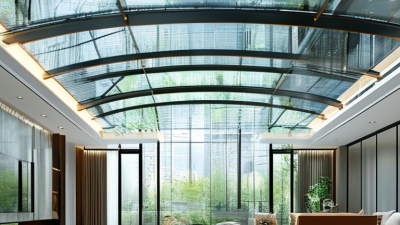
| Glass Roofs |
Provides natural light |
Creates a pleasant shopping environment |
Enhances mood of shoppers |
| Glass Staircases |
Modern touch to retail space |
Captures customer attention |
Creates an engaging retail experience |
Strategies and Solutions for Minimizing Bird Fatalities from Glass Structures
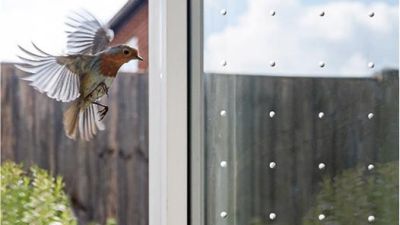
Every year, millions of birds lose their lives due to collisions with glass structures, making it a critical issue that demands immediate attention. Birds often cannot recognize clear or reflective glass as barriers, as their vision misinterprets these surfaces as open skies or safe passages. This optical illusion causes countless bird fatalities, particularly in urban and suburban areas where glass buildings proliferate, and during migration seasons when birds are most vulnerable.
To address this issue, various strategies can be implemented to minimize bird strikes. One effective approach is to apply visual markers on glass surfaces that make them more perceivable to birds. These markers can include patterns or films that disrupt the glass’s transparency, allowing birds to recognize the danger ahead. Additionally, designing buildings with materials that have lower reflectivity can help reduce the likelihood of collisions. Incorporating elements such as awnings or overhangs can also create visual barriers, making it easier for birds to navigate without the risk of flying into a glass surface.
By adopting these strategies and solutions, we can significantly reduce avian fatalities caused by glass structures, contributing to the preservation of bird populations and promoting a more harmonious coexistence between urban development and wildlife. Each step taken in this direction not only protects our feathered friends but also enhances the sustainability of our urban environments.
FAQS
: Transparent glass maximizes natural light and creates airy spaces. It fosters connectivity between indoor and outdoor areas.
Privacy concerns and glare are common issues. Balancing transparency with functional needs is essential.
It enhances safety and performance by being lightweight. Innovations lead to better fuel efficiency and visibility.
Smart glass adjusts transparency based on sunlight. This feature improves energy efficiency and offers comfort in design.
Stylish glass facades attract more foot traffic. They enhance visibility and foster trust with customers.
Maintaining privacy can be difficult. Increased energy costs may lead to discomfort for shoppers, resulting in shorter visits.
It creates a sense of openness. However, architects must ensure privacy and function are balanced effectively.
Safety versus aesthetics is crucial. Materials must meet strict safety standards for optimal performance and longevity.
Yes, while innovations offer benefits, they can complicate manufacturing and increase costs. Companies must evaluate these factors carefully.
Learning from challenges is key. Balancing aesthetics with comfort can enhance the overall shopping experience.
Conclusion
Transparent glass plays a crucial role in various industries and modern design, showcasing its versatility and innovative applications. In architecture, its use enhances aesthetic appeal while fostering an inviting atmosphere through natural light. The automotive industry leverages transparent glass for improved visibility and design, contributing to safer and more stylish vehicles.
Moreover, transparent glass is making strides in smart technology, offering enhanced user experiences through touch-sensitive and display functionalities. In sustainable building practices, it aids energy efficiency by maximizing solar gain and reducing heating costs. The medical sector also benefits from transparent glass, with applications in equipment that allow for visibility and sterilization. Finally, in retail environments, transparent glass transforms consumer experiences by creating open and engaging spaces. Overall, the diverse applications of transparent glass are transforming how we interact with our surroundings.



 1Durch die gruppenweite Einführung und Harmonisierung unseres integrierten Managementsystems (IMS) werden alle bestehenden Unternehmens-, Qualitäts-, Umwelt- und Energiepolitiken durch diese Unternehmenspolitik ersetzt. Der Slogan „Textil hat Zukunft – auch in De