



Curved Glass Solutions for Modern Architecture
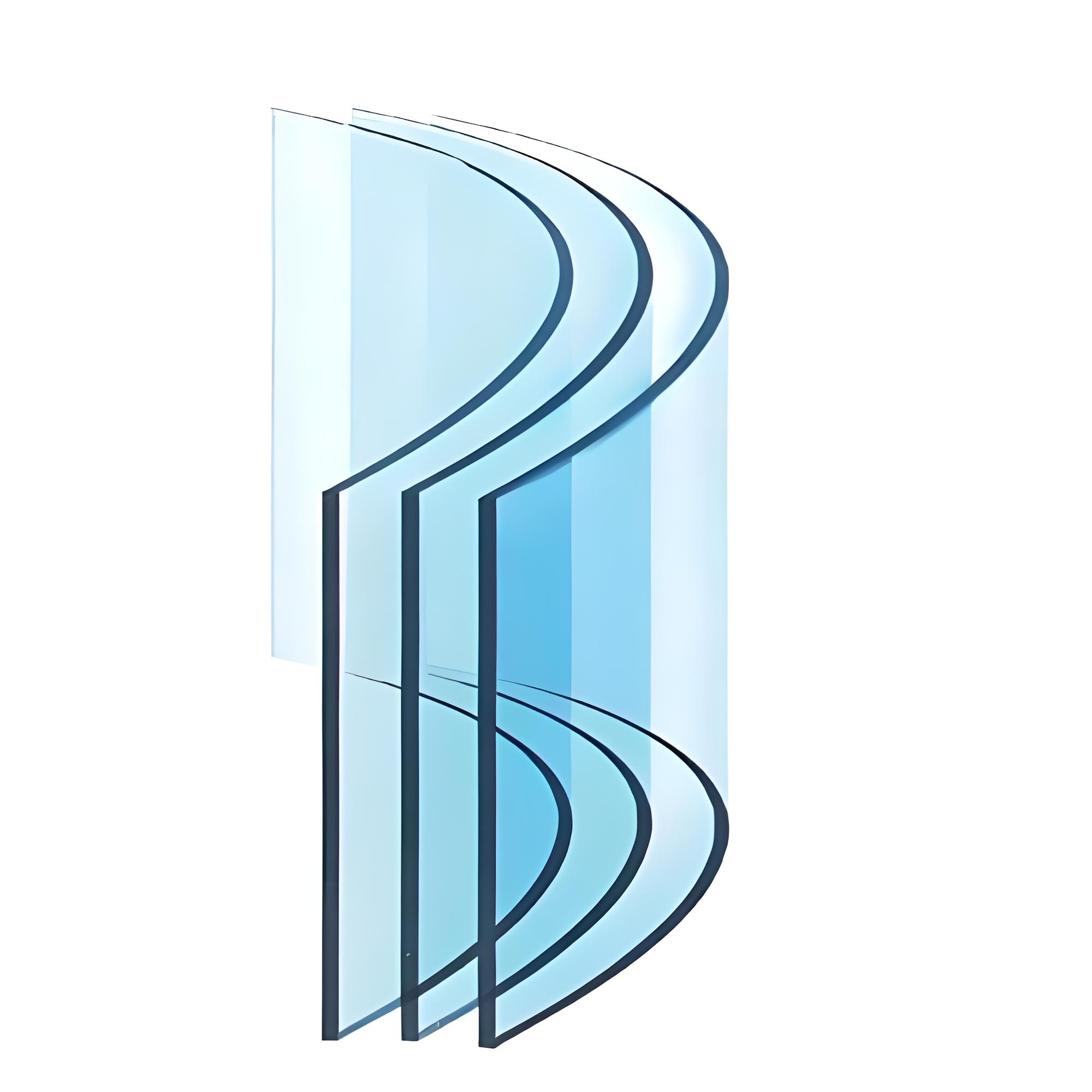
Heat-bent glass is the basic type of curved glass. It is made by heating flat glass to a softening temperature in a mold, then cooling it slowly to maintain the curved shape. It is generally annealed, with lower strength than tempered glass. It is suitable for non-structural, low-load applications such as interior decorative partitions, display cabinets and small curved windows.
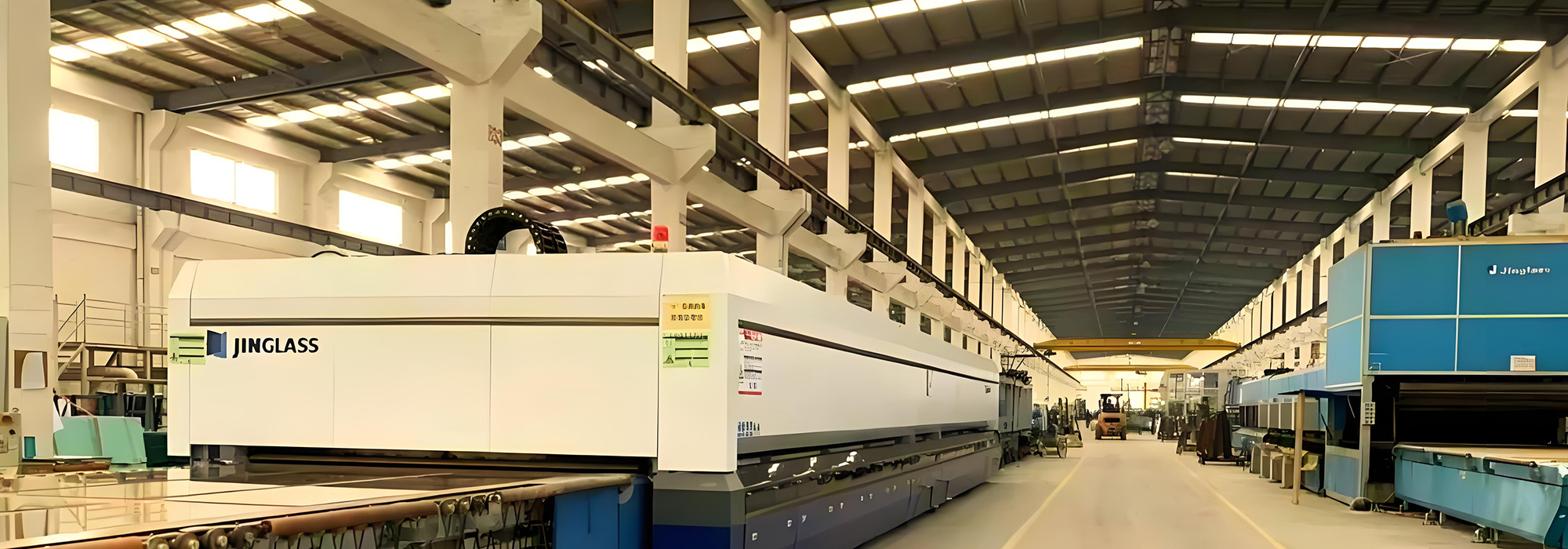
Curved tempered glass or curved heat strengthened glass is made of annealed glass heated to its softening point, then curved to shape, and finally cooled down rapidly by special facility. We adopt advanced technology of synchronous roller shaping process, which allow to easily and flexibly adjust model, producing excellent appearance quality and good optical performance
In another first we combines the strength of toughening with the latest in curved safety glass technology to offer architects, specifiers and interior designers a range of innovative and exciting design options.The continuous manufacturing process involves heating, then curving the glass to the required shape before finally toughening. By employing movable platens in the quenching process, the need for expensive press moulds has been eliminated. This technology allows each shape to be precisely moulded to customer specifications providing cost effective building solutions.
Available Curves
It should be noted that the maximum bending angle is 90˚, therefore a full circle (360˚) can only be achieved using four pieces of glass.
Maximum Sizes
As height increases, the glass becomes more difficult to curve and therefore the minimum radius must be increased. Similarly as the glass weight and thickness increases, the maximum height must be decreased and the minimum radius increased
Measuring
Providing accurate dimensions for the purpose of manufacturing curved toughened is crucial to the whole process. In particular, the radius and girth dimension must be clearly stated as being measured from either:
a) the inside edge of the glass,
b) the centre of the glass。
c) the outside of the glass.
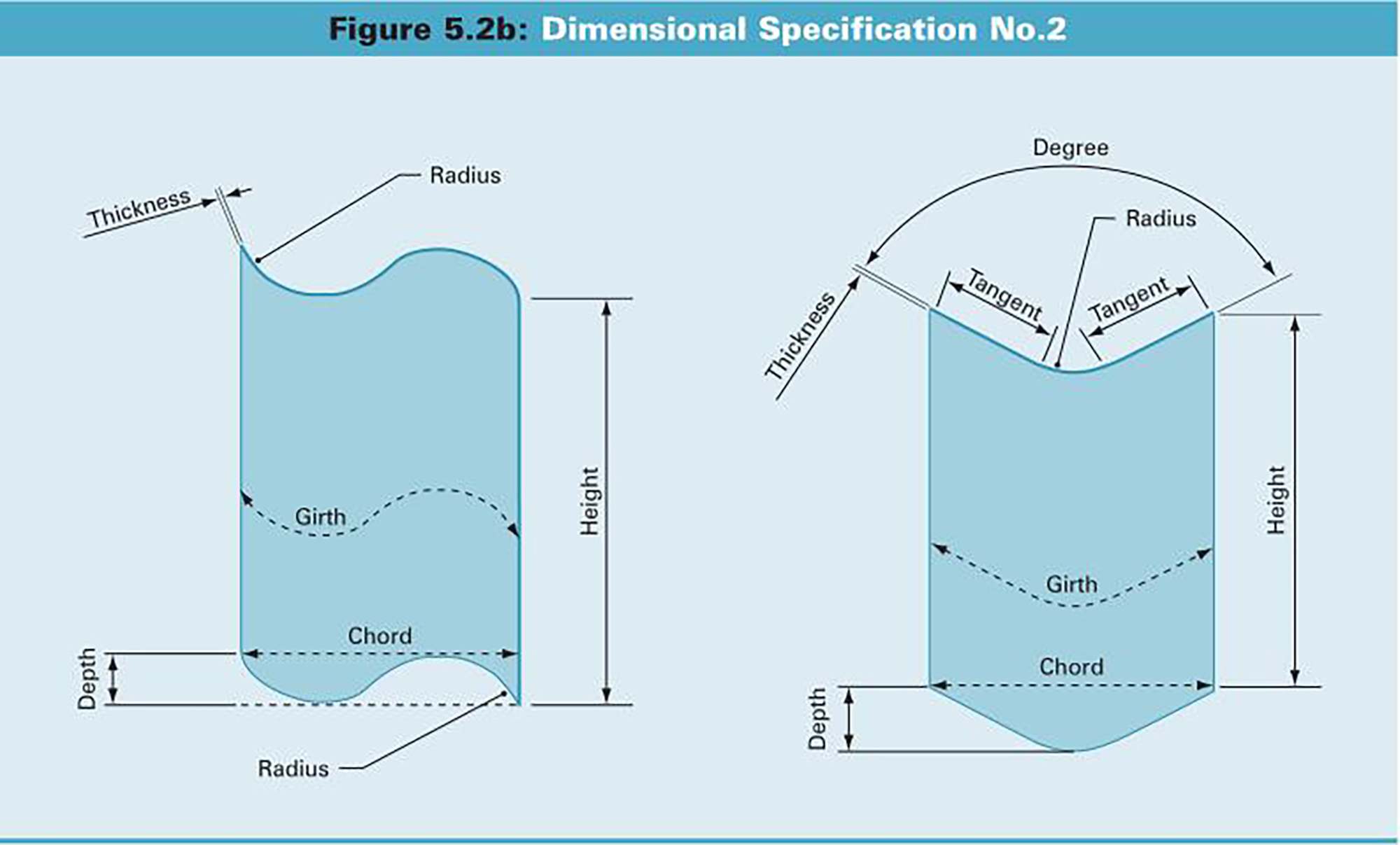
The preferred dimension is the radius from the inside edge of the glass, particularly for cylindrical shapes.
Where the chord and depth dimensions can be supplied, a computer program will be used to print out all necessary dimensions for clients checking and sign off.
Templates would be preferred for cylindrical shapes but are a must for cylindrical shapes with flats. All templates must be of a hard material such as plywood and remember the minimum possible radii as previously listed in Table。
Applications
we curved toughened safety glass has many and varied applications including:
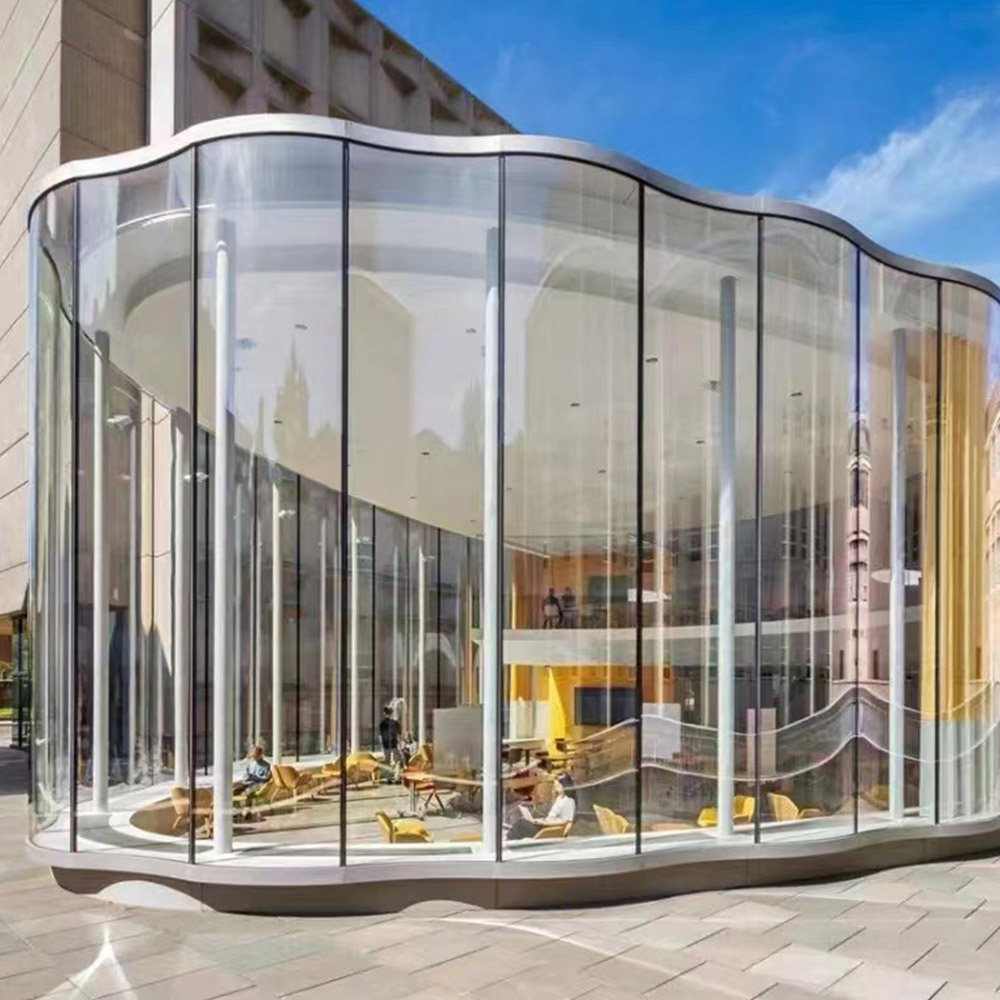
Shopfronts and Internal Partitions
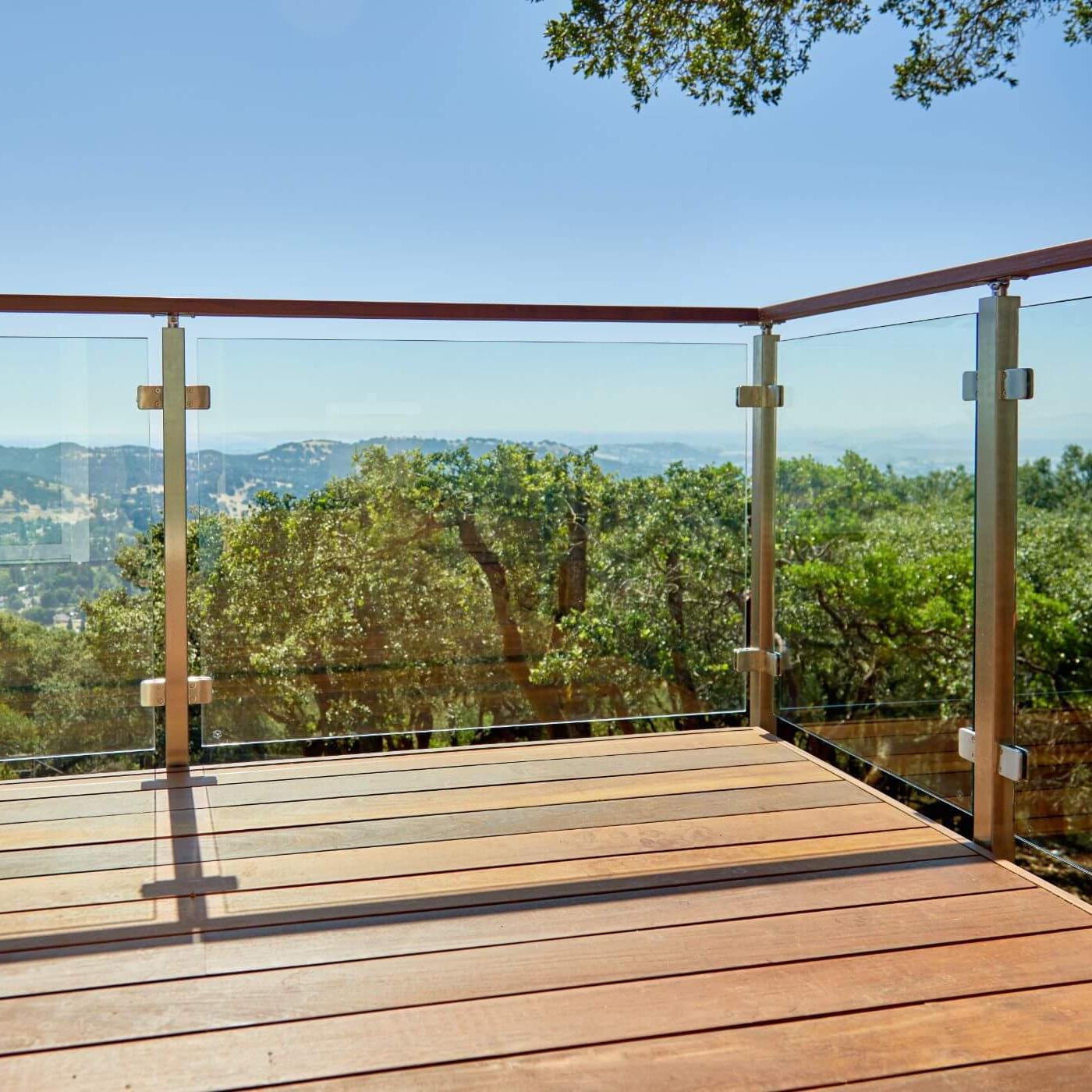
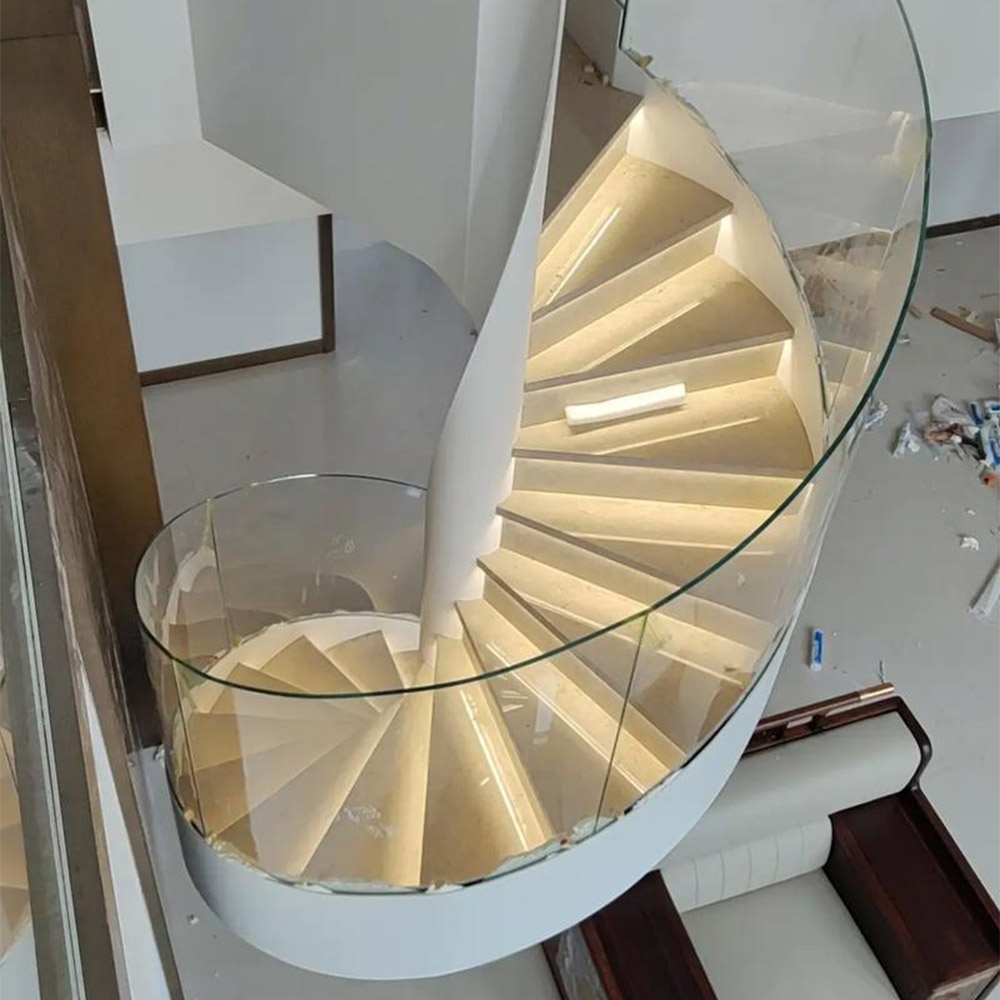
Balconies, Balustrades and Pool Fencing
Revolving Doors
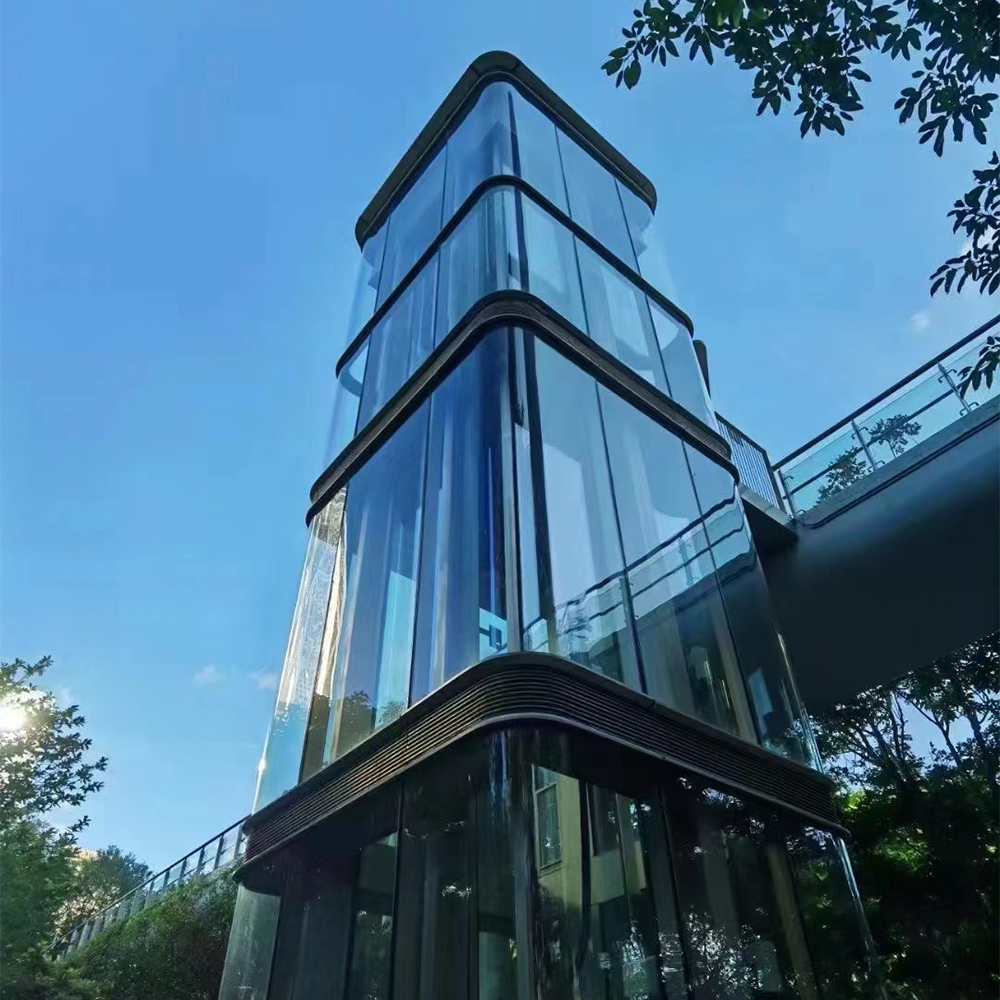
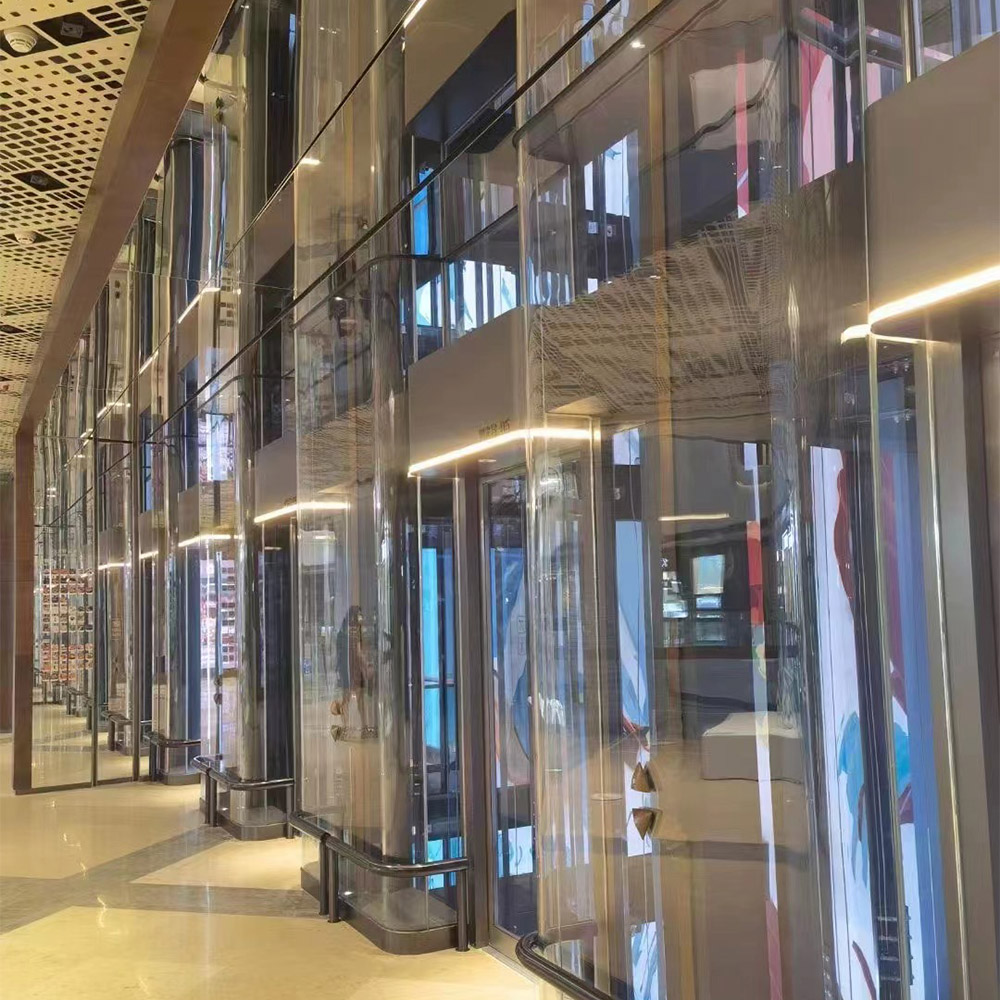
Elevators and Lifts
Skylights and Covered Walkways
Bay Windows
Showerscreens
Display Cases, Deli bends and Food Cabinets
Glass Furniture
Windscreens