




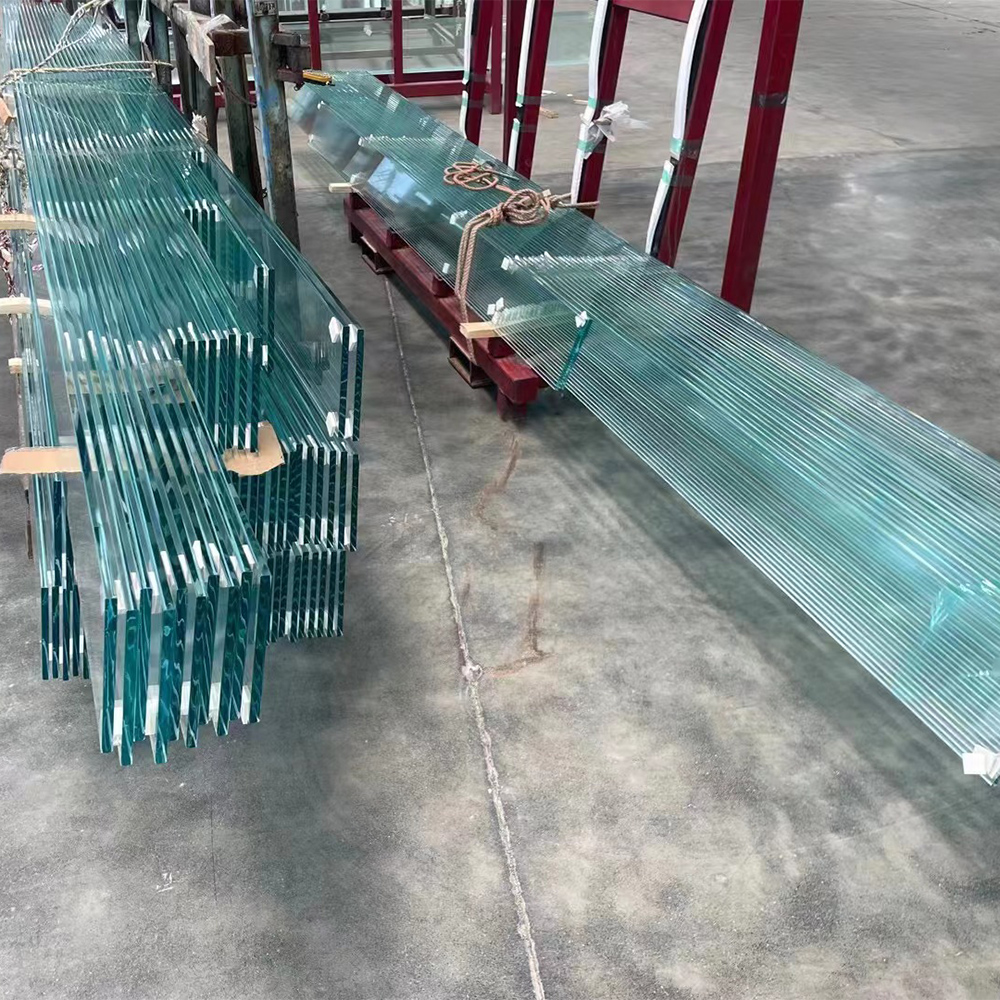
Heat-Strengthened (Semi-Tempered) Glass: Core Characteristics and Practical Applications
Manufacturing Basics
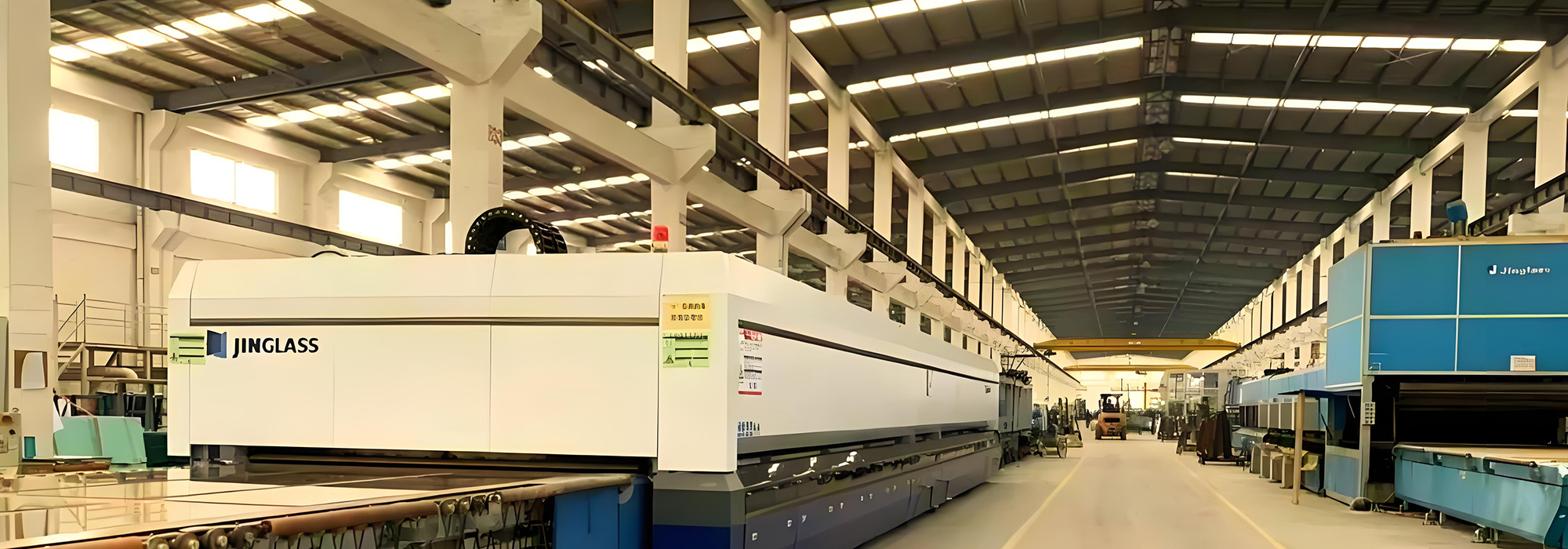
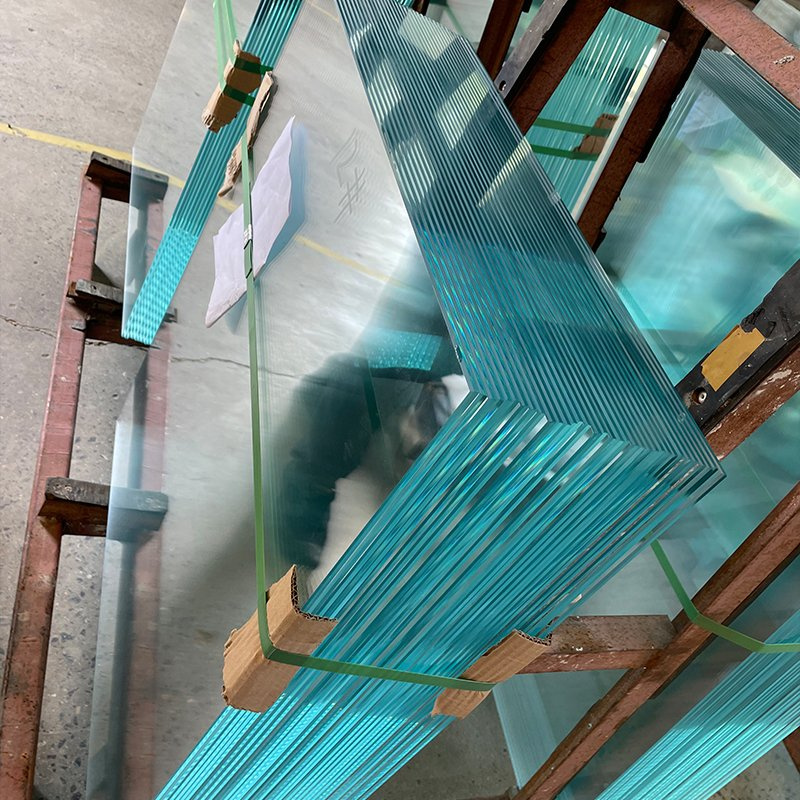
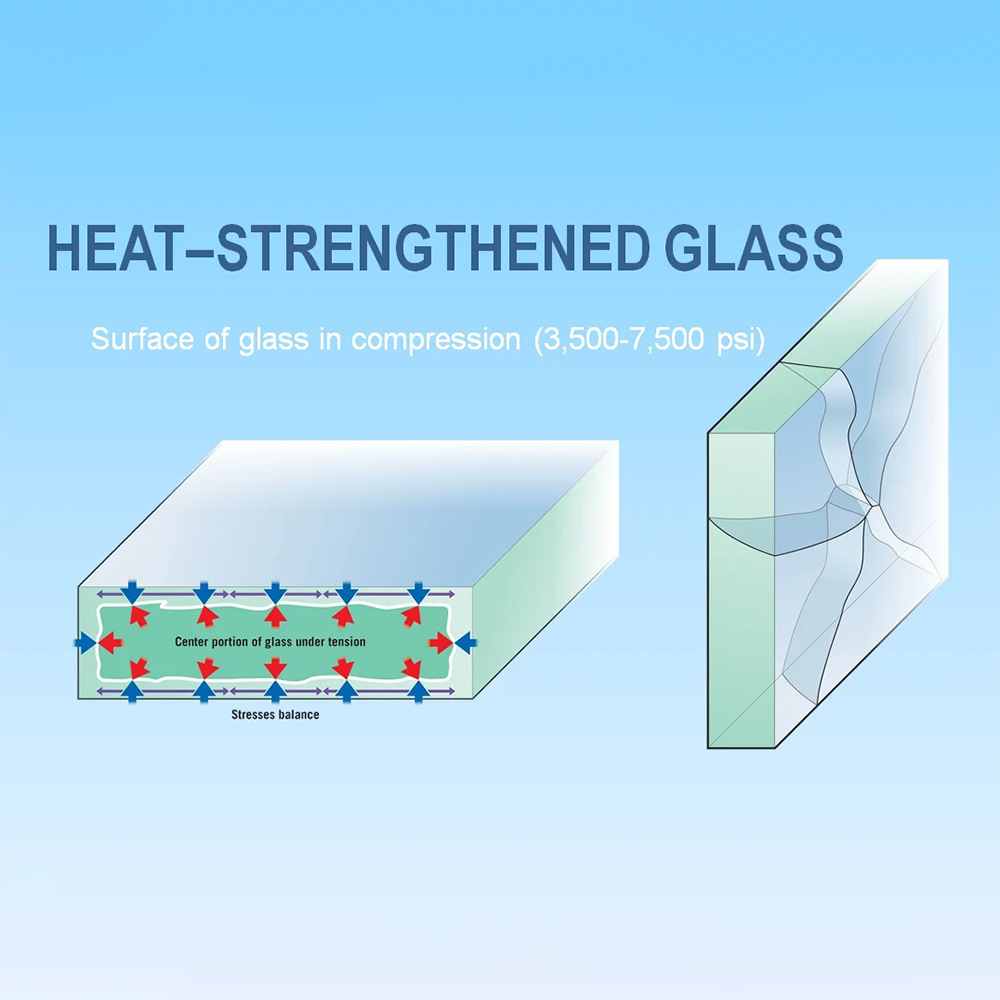
about projectSemi-tempered glass is made via a gentle heat-treatment process. Float glass is heated to 540–600°C (near its softening point) and then cooled slowly with balanced air pressure, unlike the rapid quenching used for full tempering. This creates a mild compressive surface stress layer, resulting in a stable internal structure without extreme brittleness.
Core Characteristics
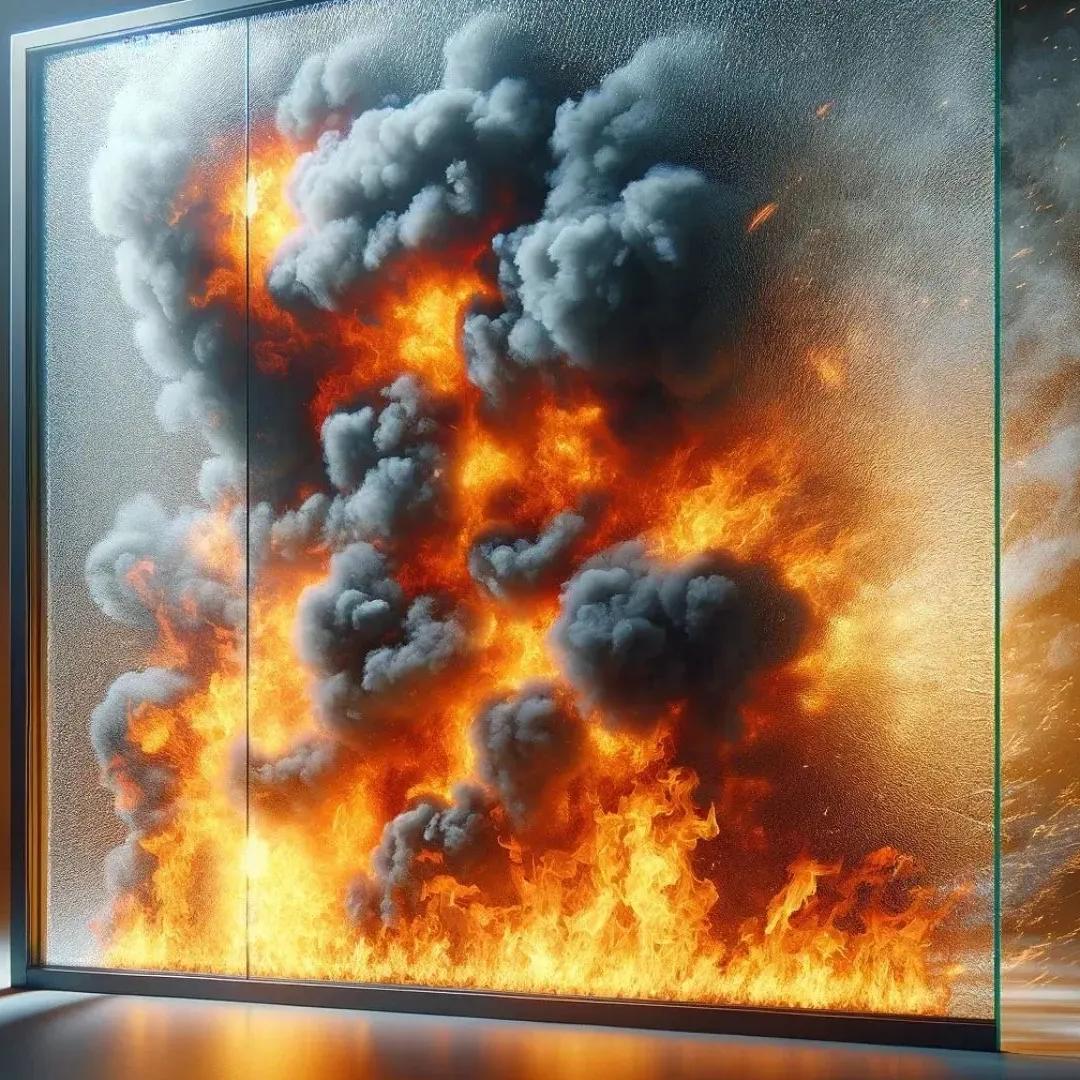
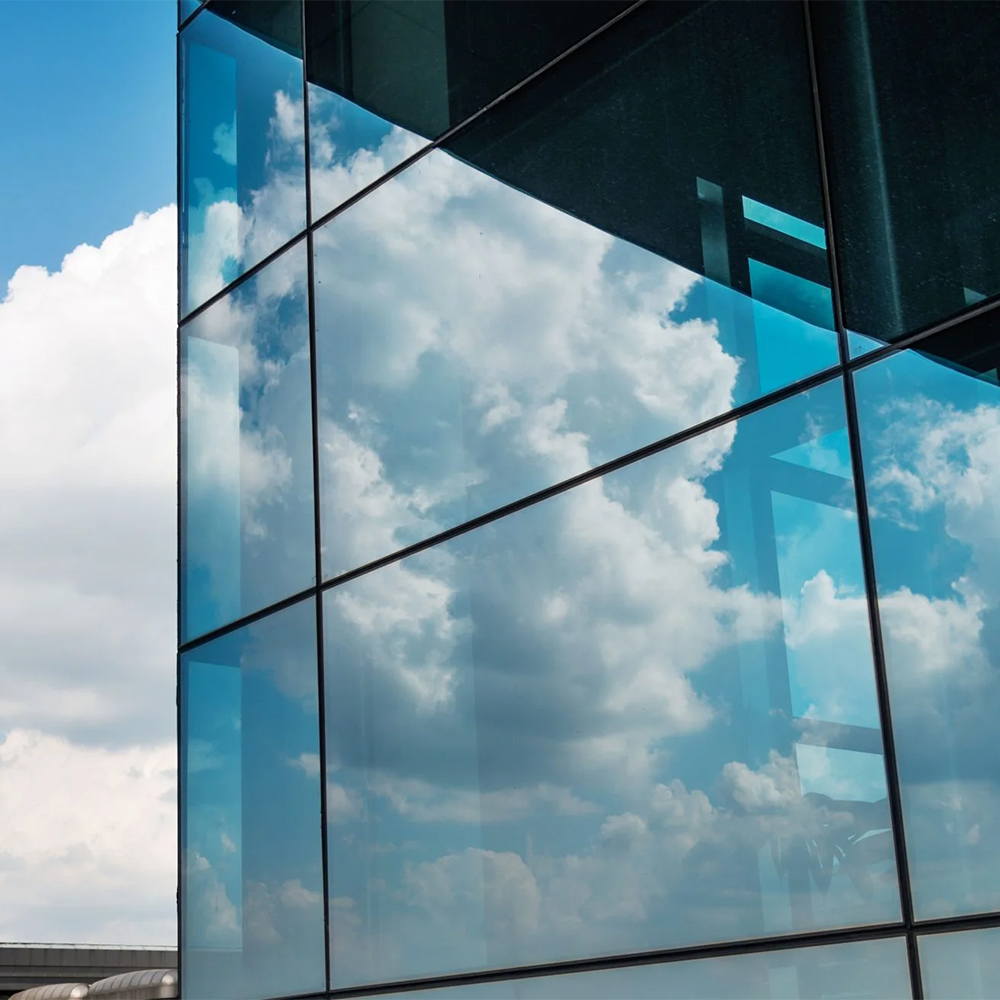
about projectFirst, it offers twice the flexural strength of standard annealed glass, resisting wind loads and minor impacts effectively. Second, it excels at thermal shock resistance, tolerating large temperature swings without cracking, ideal for coated glass like Low-E panels. Third, it features minimal optical distortion and flatness, preserving clear visibility for architectural projects. Fourth, it has a far lower risk of spontaneous breakage than fully tempered glass, cutting extra testing costs. When broken, it forms large, manageable shards instead of tiny fragments, and it cannot be cut or modified post-treatment.
Key Applications
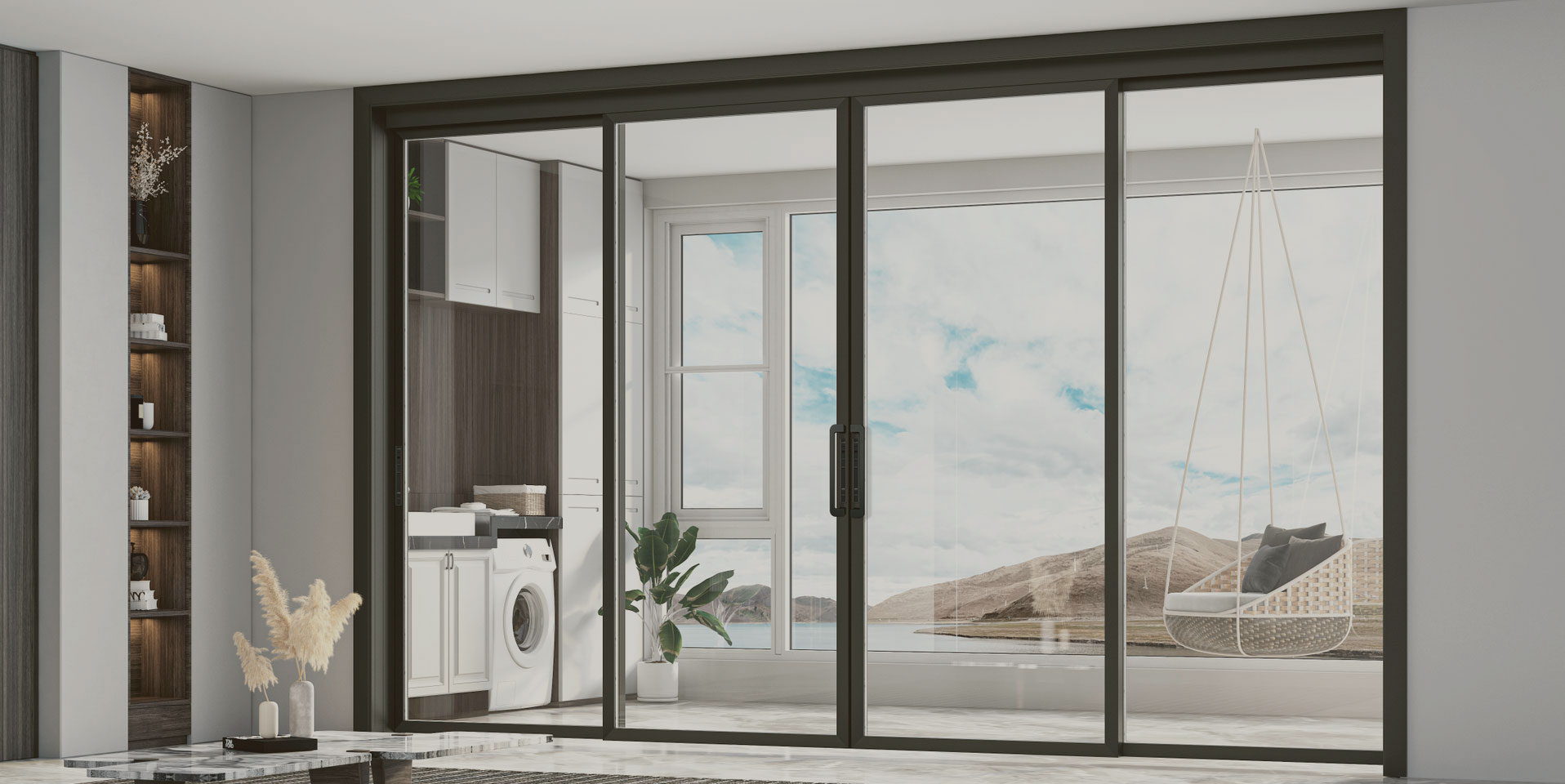
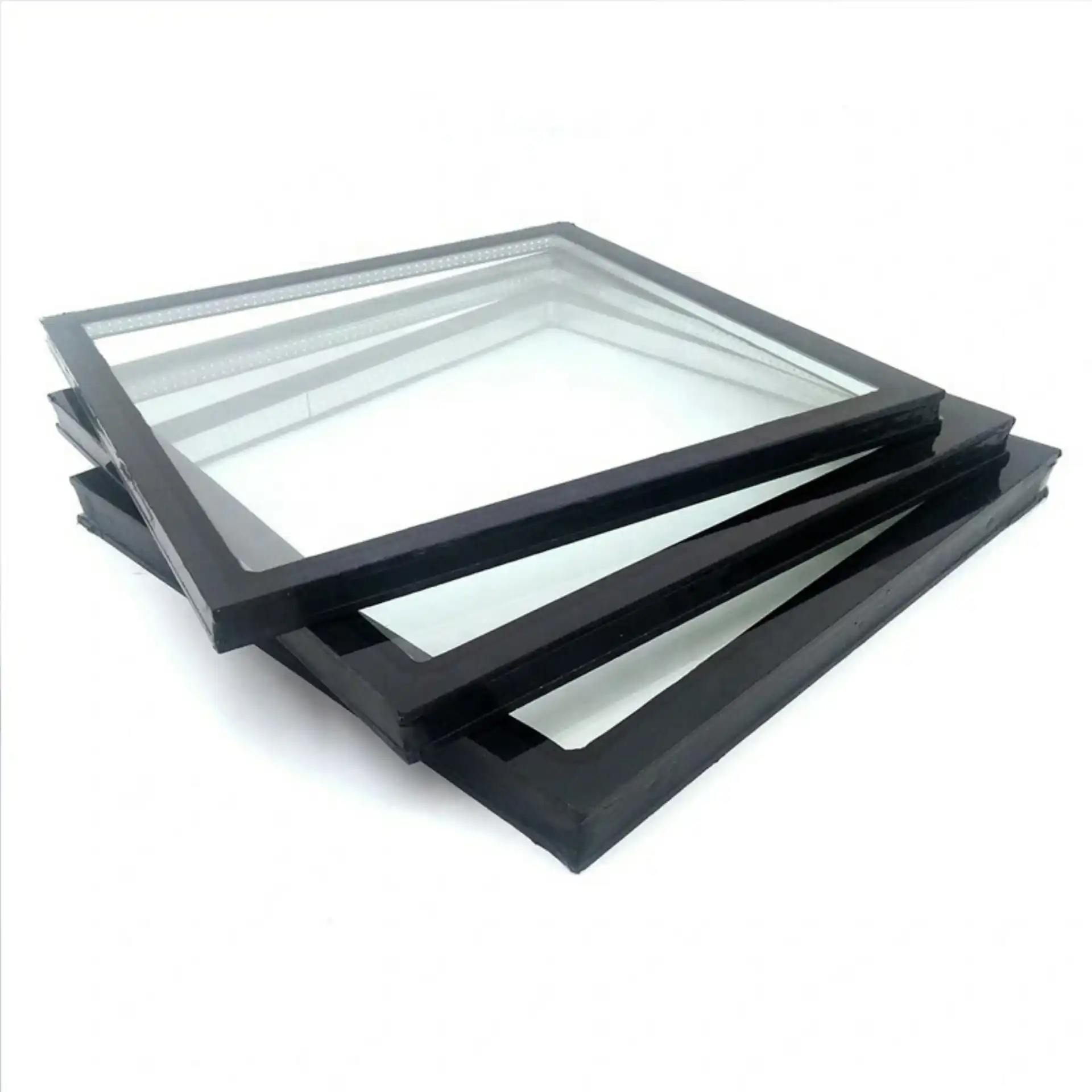
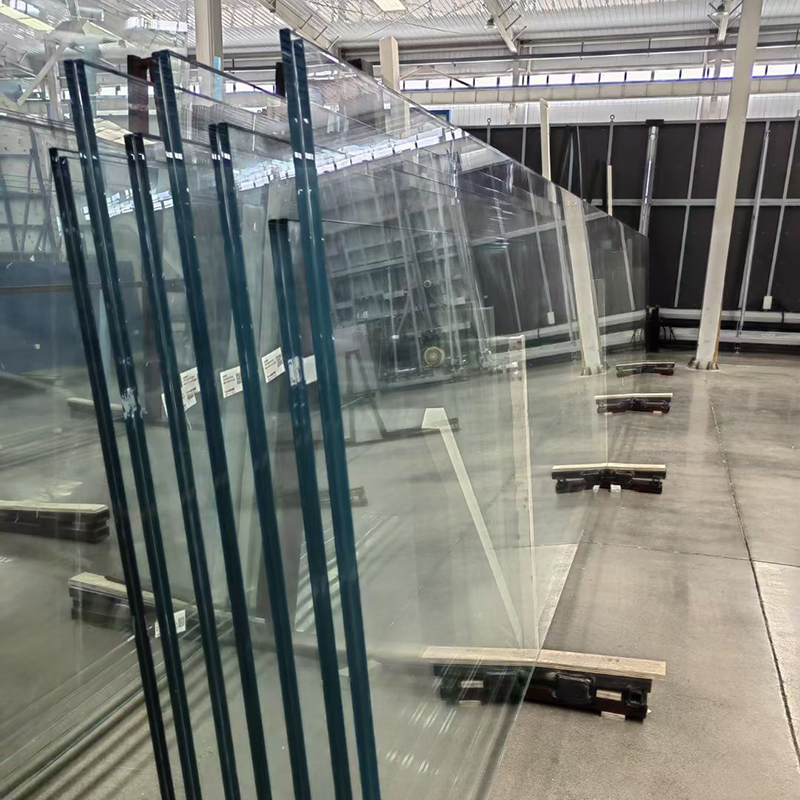
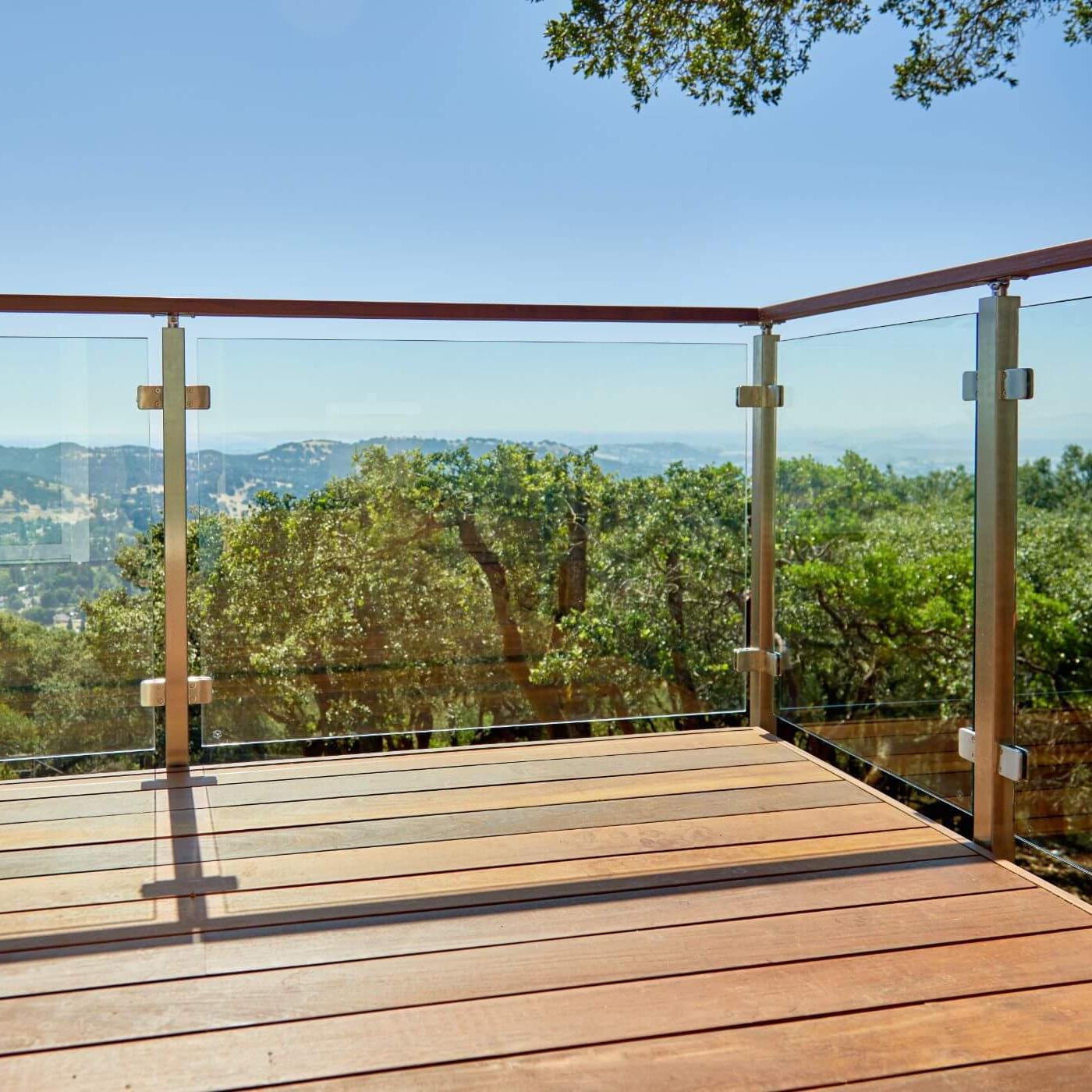
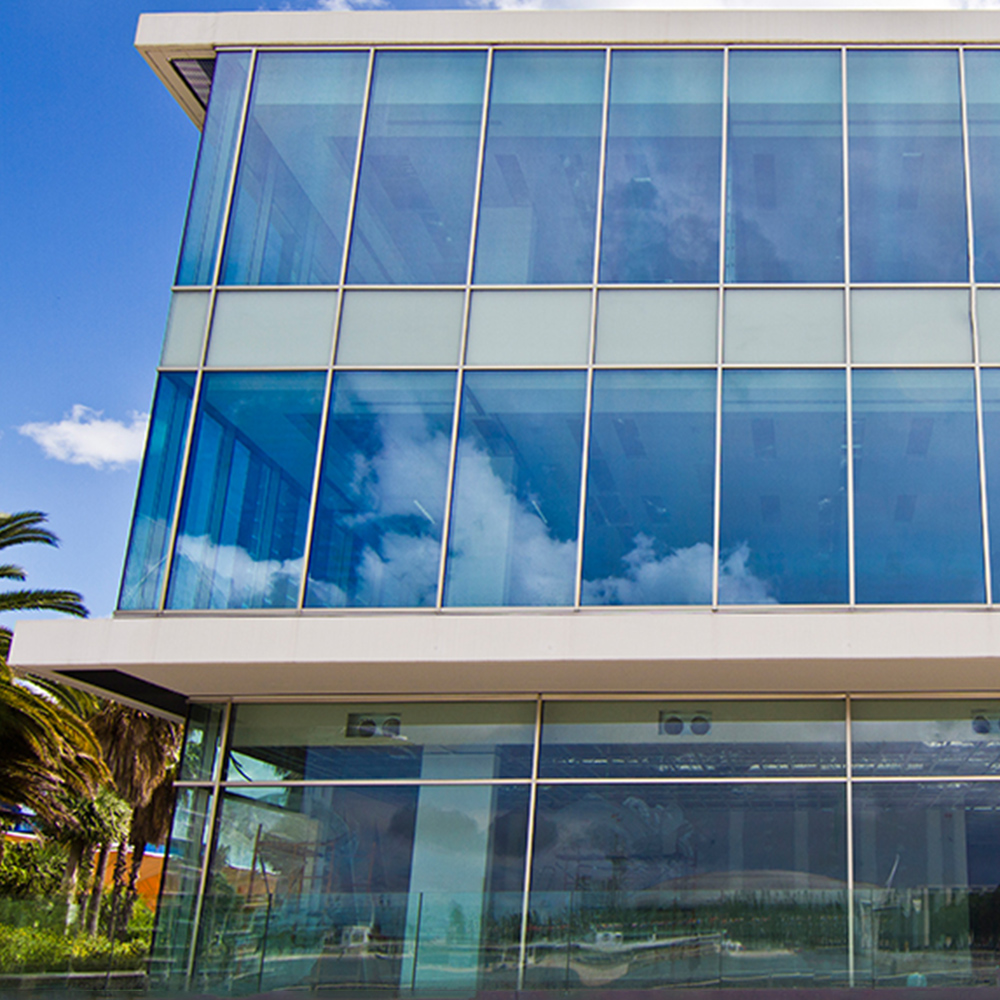
about projectSemi-tempered glass is widely used in building curtain walls and facades, valued for its flatness and wind resistance. It is a top pick for skylights, canopies and overhead glazing (often laminated for safety), as well as spandrel panels and structural glazing. In residential and commercial settings, it upgrades fixed windows for better durability. It also serves automotive side windows, sunroofs, and appliance glazing (ovens, display cases) thanks to its thermal stability and clarity.
Conclusion
about projectSemi-tempered glass strikes an ideal balance of strength, aesthetics, safety and cost, overcoming the weaknesses of annealed and fully tempered glass. It remains a preferred glazing solution for architects and engineers seeking reliable, high-quality performance.