









Insulated Glass with Built-in Blinds: Manual vs Electric Types
Manual Insulated Glass with Built-in Blinds
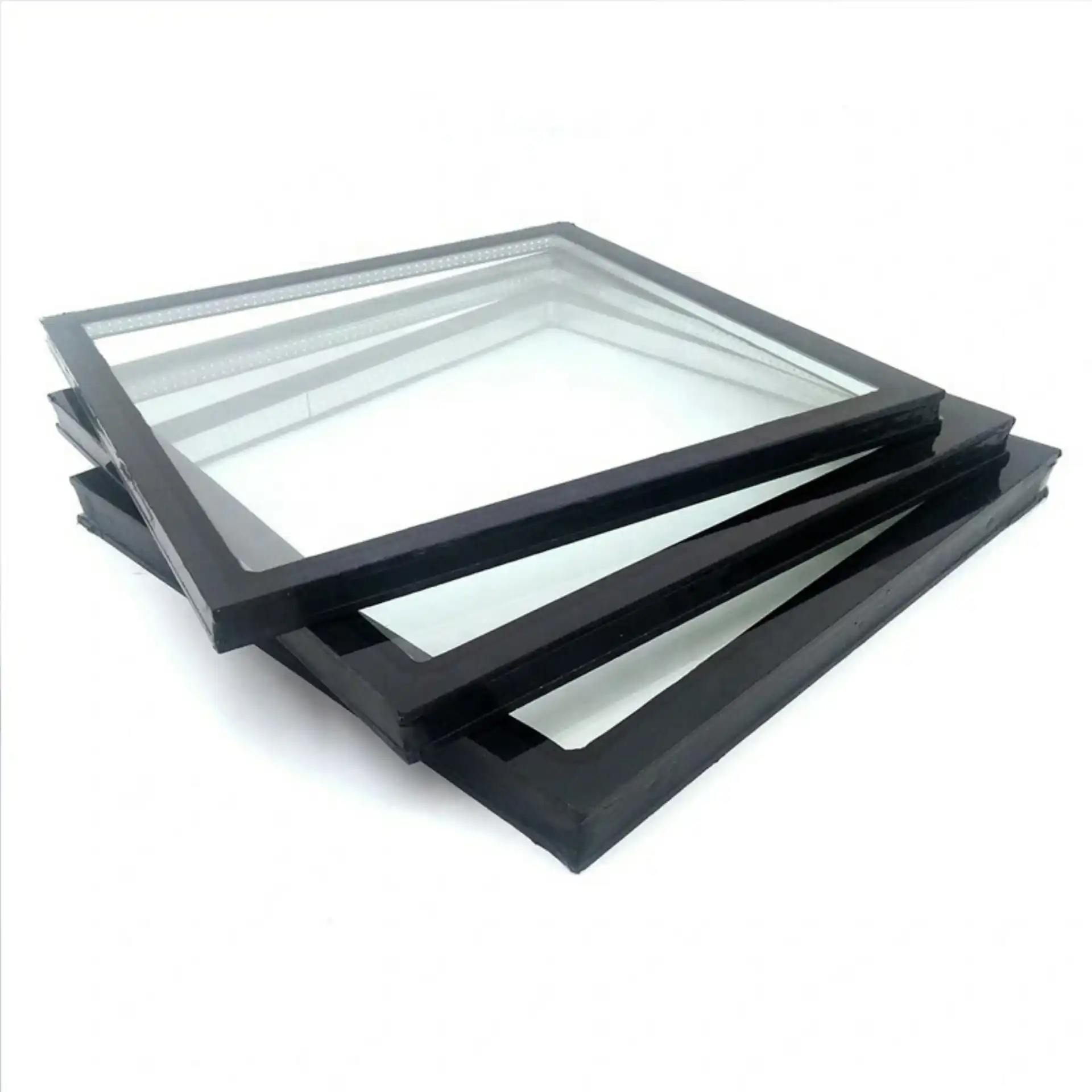
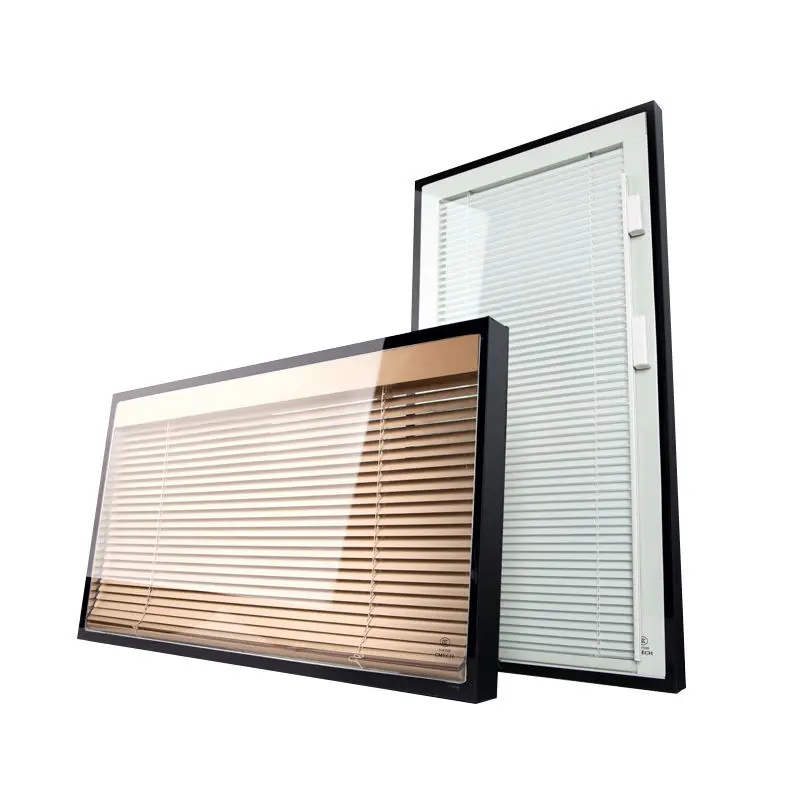
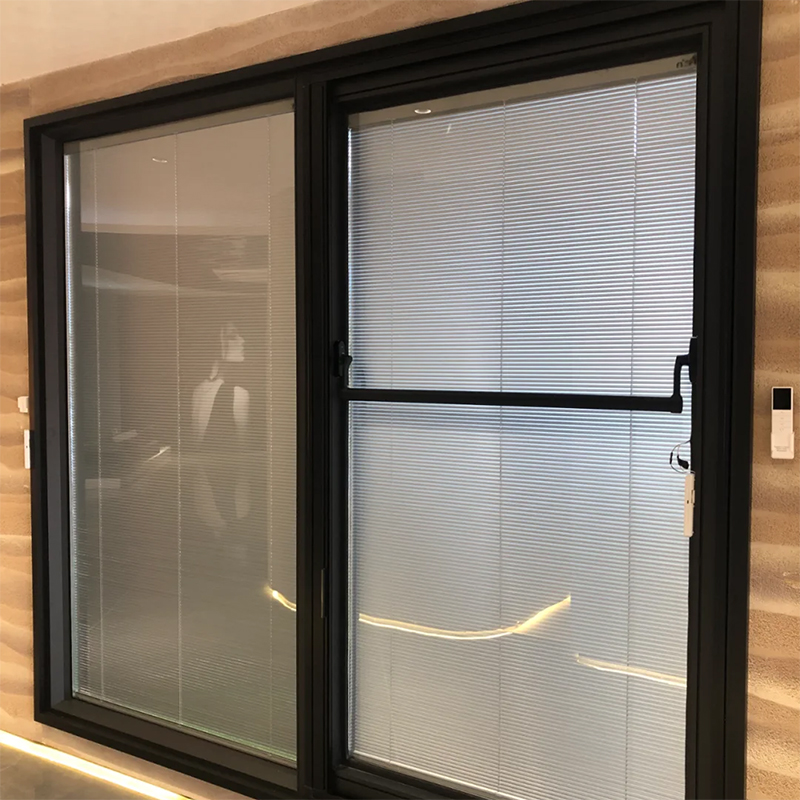
Composition: This type consists of two parallel glass panes, a sealed hollow layer filled with dry air or inert gas, aluminum alloy blinds inside the layer, and a magnetic manual control system. Unlike traditional corded blinds, it uses a magnetic slider mounted on the outer edge of the glass; the internal magnetic component connects with the slider, driving the blinds to lift, lower or tilt without breaking the glass seal.
Functions: It delivers basic light adjustment, privacy protection and energy-saving benefits. Users can adjust the blind angle to control natural light intake, block strong sunlight in summer to reduce indoor cooling load, and retain heat in winter. It also enhances sound insulation and wind resistance, with a fully sealed structure preventing dust and moisture from entering the hollow layer.
Advantages and Disadvantages: The biggest strengths are low cost, simple structure, no power supply needed, and high reliability with no risk of electrical failure. It is easy to operate, suitable for the elderly and children, and requires almost no later maintenance. However, its drawbacks are obvious: it needs manual operation, making it inconvenient for high windows or hard-to-reach areas, and lacks intelligent control functions, with limited flexibility in daily use.
Electric Insulated Glass with Built-in Blinds
Composition: Based on the basic double-glazing and built-in blind structure, it adds a built-in motor, rechargeable battery or solar power module, remote control, wall switch or smart home connectivity module. The motor is hidden in the glass seal frame, keeping the appearance neat and not affecting the overall aesthetics of doors and windows.
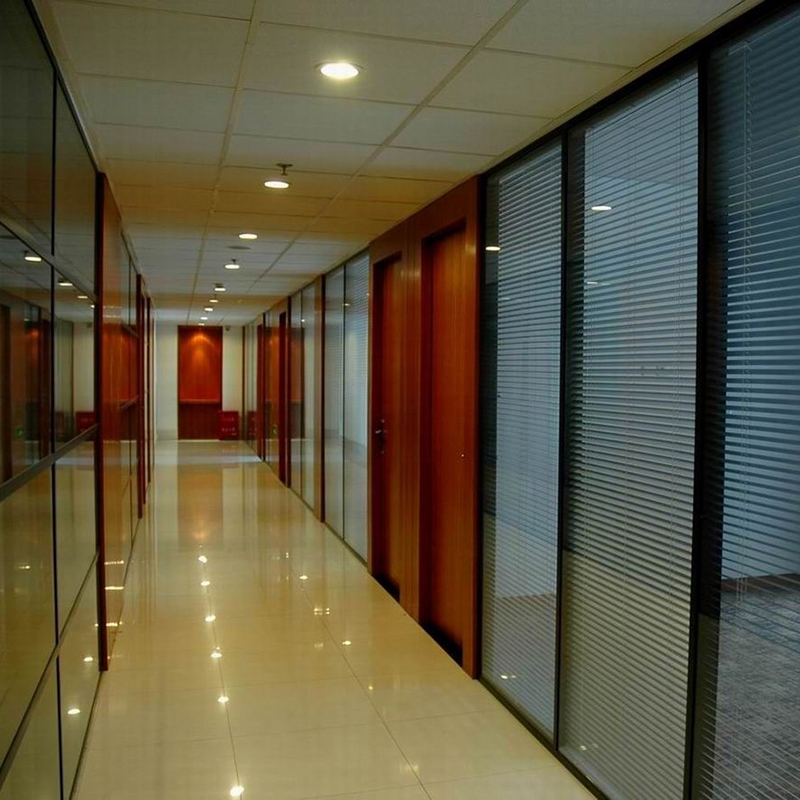
Functions: It retains all basic functions of the manual type, plus intelligent and remote control. Users can adjust blinds via remote control, mobile APP or voice commands, and set timing switches, light-sensing automatic adjustment and smart home linkage. It is highly suitable for large glass windows, office partitions and high-end residential spaces, improving operational convenience and energy efficiency.
Advantages and Disadvantages: Its core advantages are labor-saving operation, intelligent compatibility, and suitability for all installation scenarios. It also features a cordless design, eliminating safety hazards for children.
Privacy Protection Benefits of Insulated Glass with Built-in Blinds
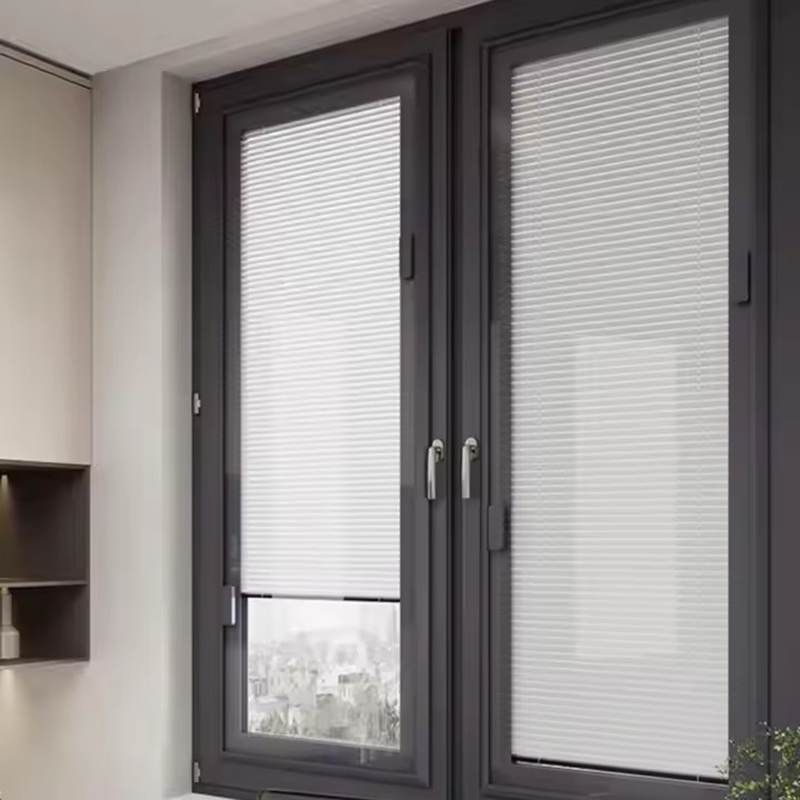
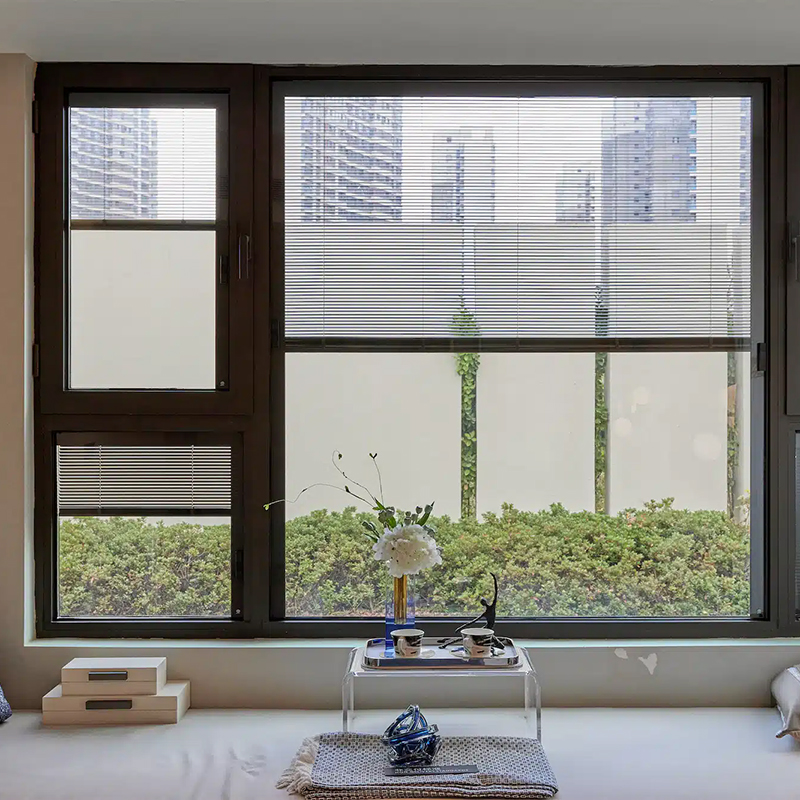
Beyond thermal insulation and light control, this integrated glass product offers exceptional privacy protection that outperforms traditional window coverings and ordinary double-glazing. Since the blinds are fully enclosed within the sealed hollow glass layer, there is no gap for outsiders to peek through, unlike flimsy curtains that can be pulled aside or vertical blinds with visible slits. Users can easily adjust the blind tilt angle to block outdoor views completely while retaining soft natural light indoors, avoiding the dimness caused by fully drawn curtains. For residential bedrooms, bathrooms, ground-floor rooms and private office spaces, it eliminates privacy concerns day and night without compromising indoor brightness. Unlike external blinds or curtains, it also prevents prying eyes from seeing internal movements, creating a safe, secluded and comfortable private space, with zero risk of damage or tampering to the privacy barrier from the outside.
In summary, manual built-in blind insulated glass is ideal for budget-conscious projects and regular residential windows, while the electric type fits high-end, intelligent and large-scale building spaces. Choosing between the two depends on actual usage needs, budget and installation environment to maximize practical, economic and privacy benefits.