

Insulating Glass: Performance & Benefits
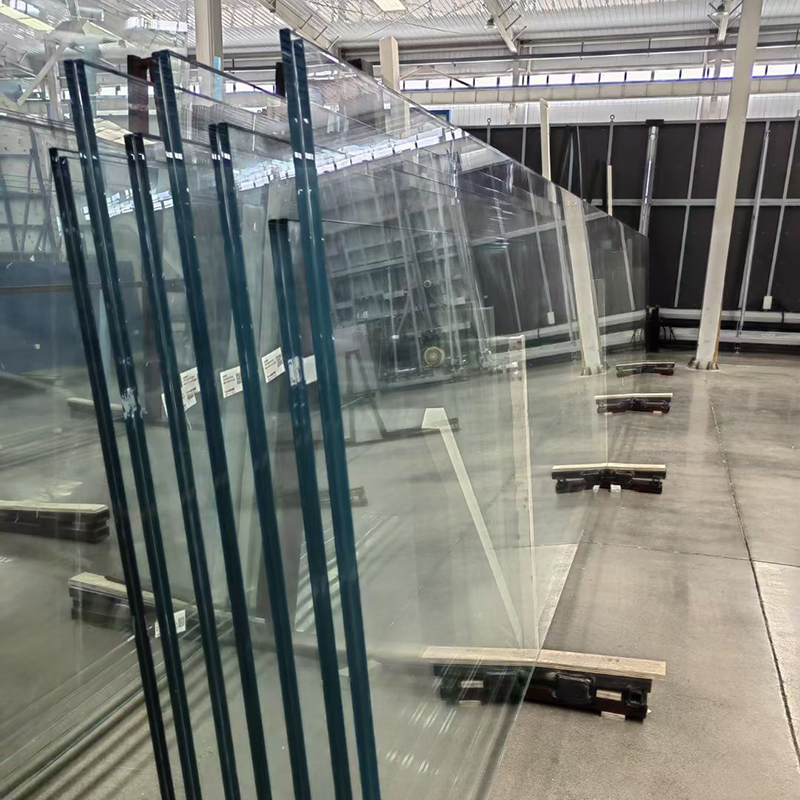
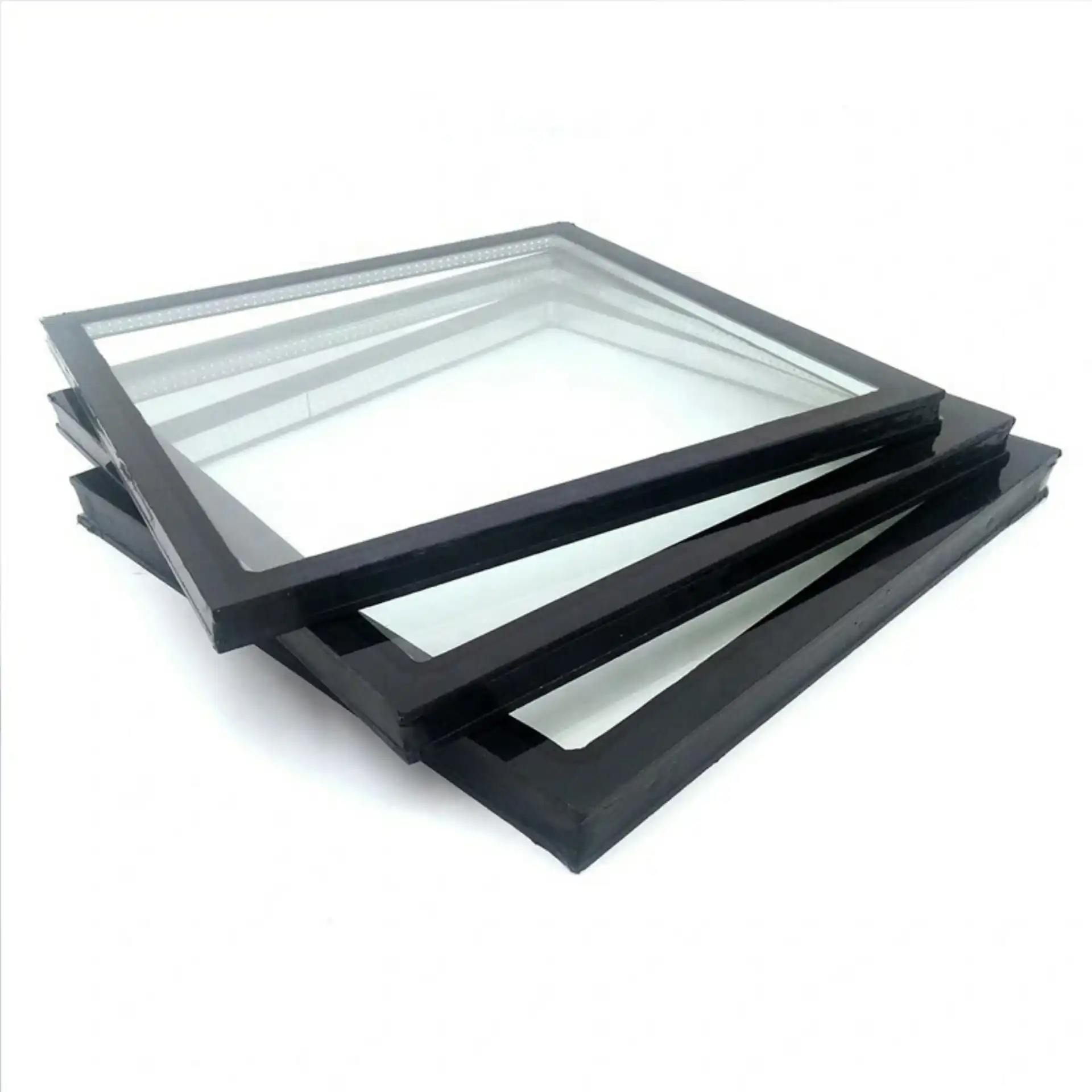
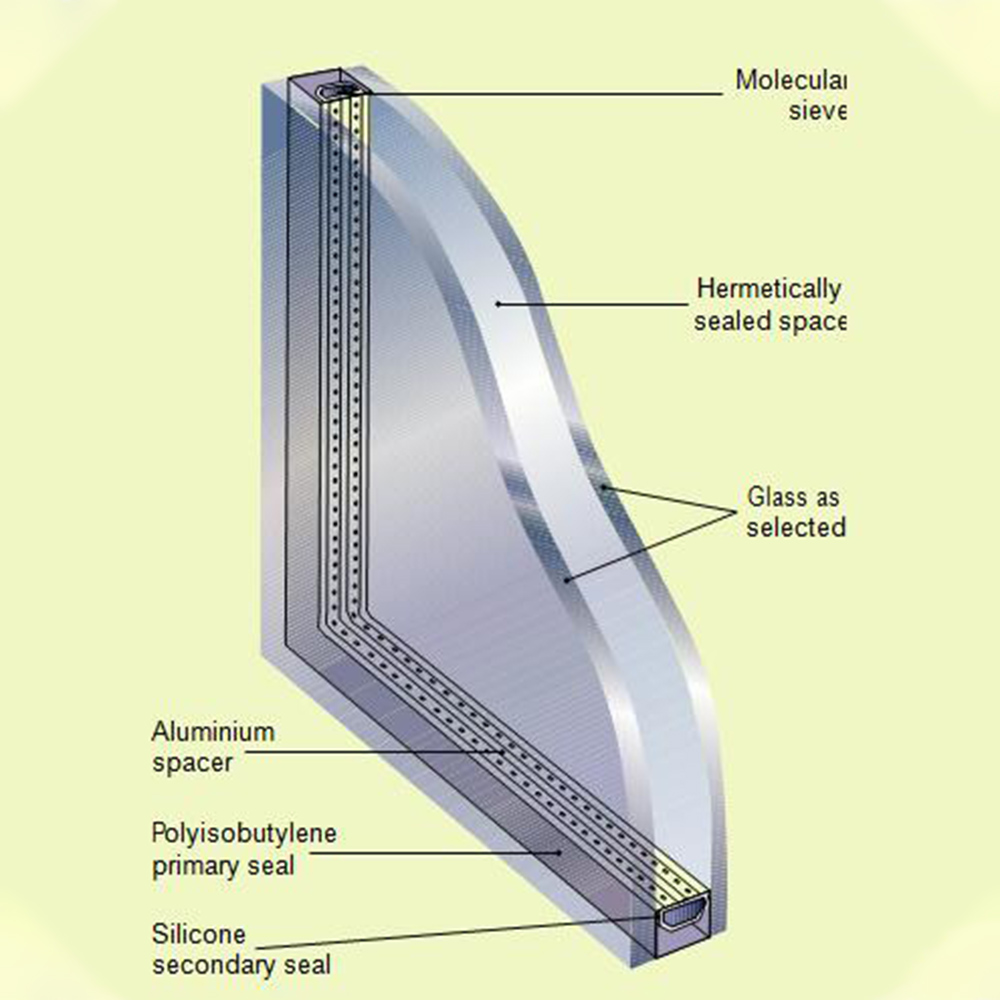
The most common insulating glass unit is constructed with two plies of glass and one sealed air space. This configuration is a dual pane or double pane insulating glass unit, however is commonly shortened to insulating glass. Insulating glass is used due to the improvement in solar performance it provides. The most significant improvement is thermal performance (u-value) which improves by approximately 50% when compared to a monolithic glass ply. This improvement occurs whether the glass is coated or uncoated.
In addition to the improved solar performance, insulating glass offers a greater availability of coatings. Low-E coatings which cannot be exposed, and therefore cannot be used with monolithic glass, can be used inside the insulating unit where they are protected by the hermetically sealed space. Insulating units also have more aesthetic possibilities than monolithic glass.
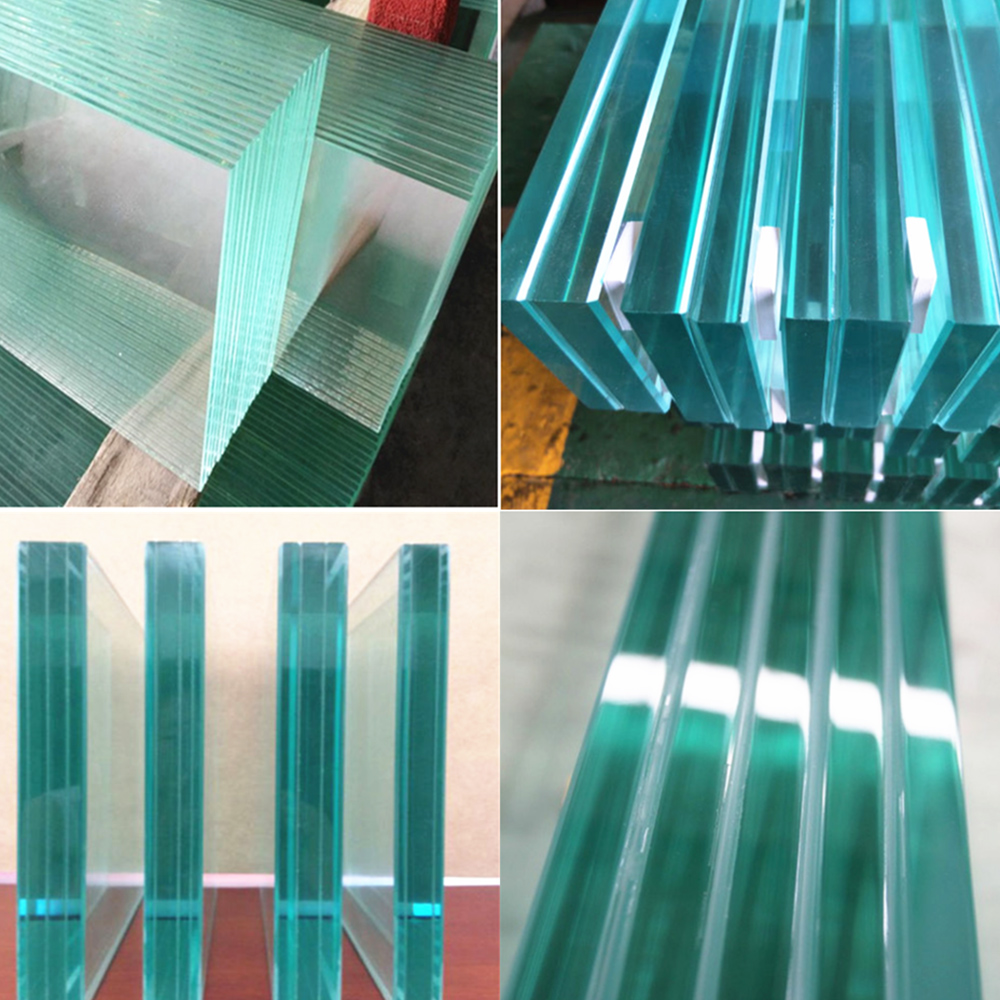
Insulating Laminated Glass provides the solar controlling properties of an insulating unit along with the safety features of the laminated inboard component. This allows the flexibility to design with hundreds of combinations of tinted glass, highperformance coatings, silk-screen patterns and pigmented interlayers, together or alone. In addition, Insulating Laminated Glass
enhances acoustical performance, ultraviolet light protection, and the laminated component is designed to remain integral in the opening should glass damage occur. For this reason, insulating laminated glass is utilized for skylights or other overhead glazing applications.
Often the laminated inboard component is required to provide protection against man-made threats or natural disasters such as hurricanes, bomb blasts or forcible-entry. A typical insulating laminated glass configuration overall constructed can be single laminated insulating glass and also the double laminated insulating glass.
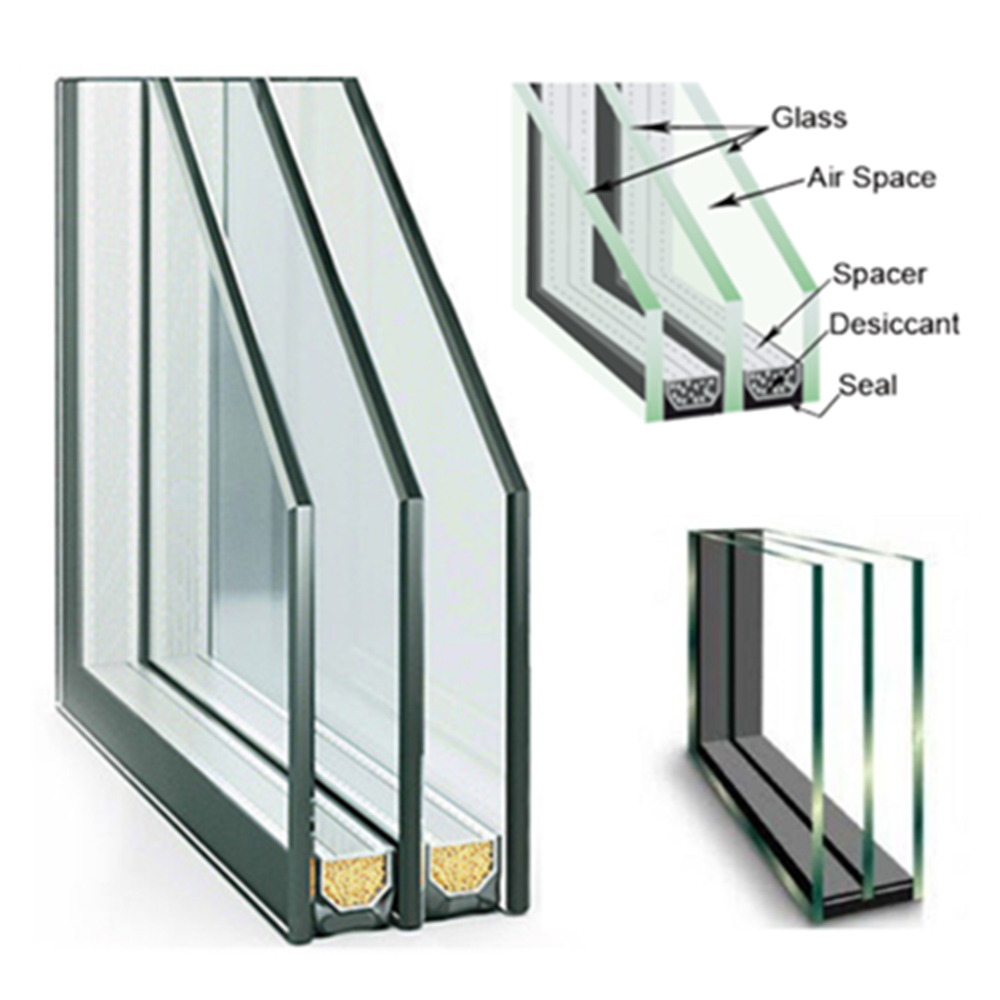
The most common triple insulating glass units are constructed with three plies of glass separated by two hermetically sealed and dehydrated spaces. This construction increases the insulating value of the glass unit, thus reducing the u-value. A triple insulating glass unit is especially useful in applications where a low u-value is necessary.
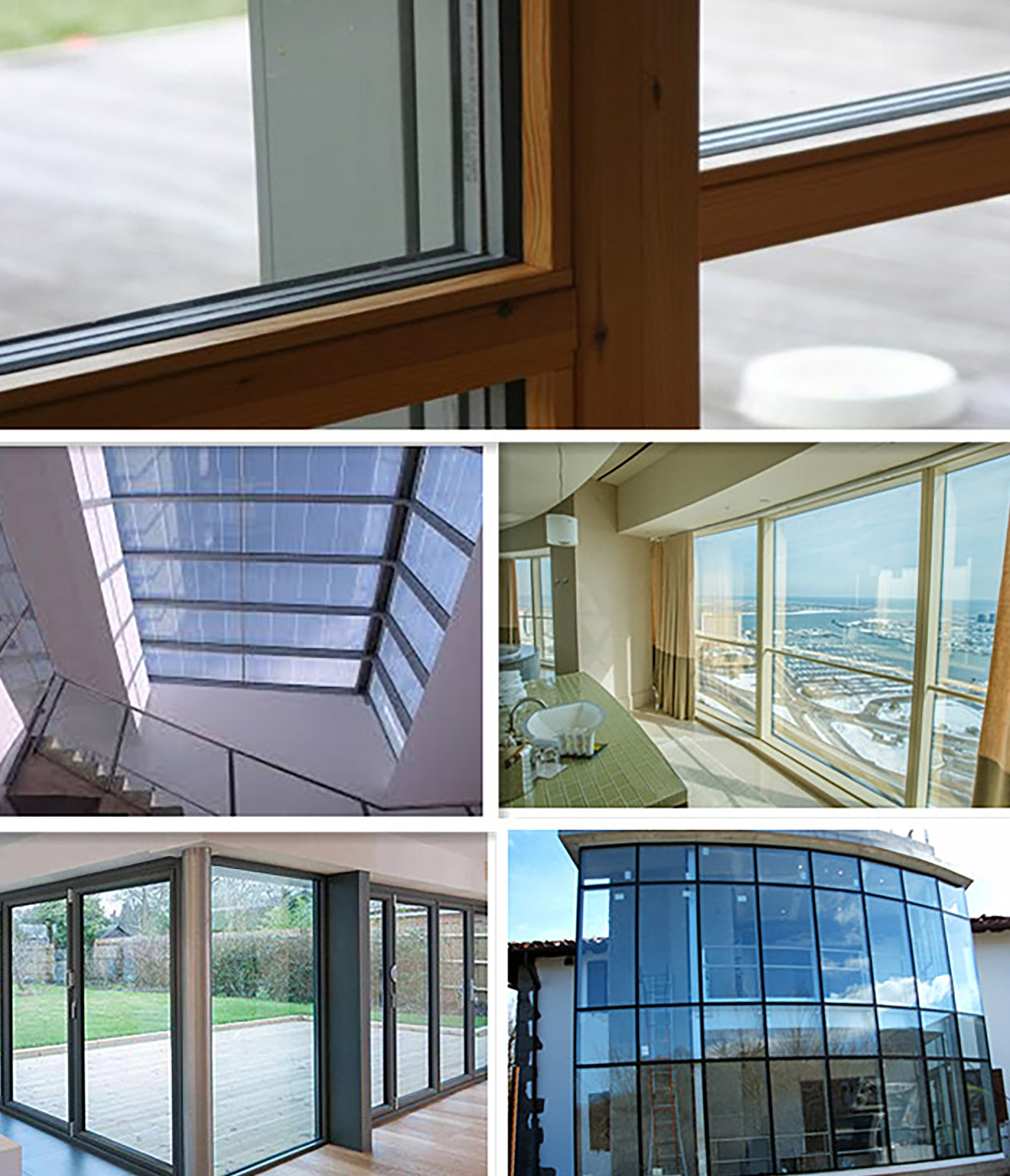
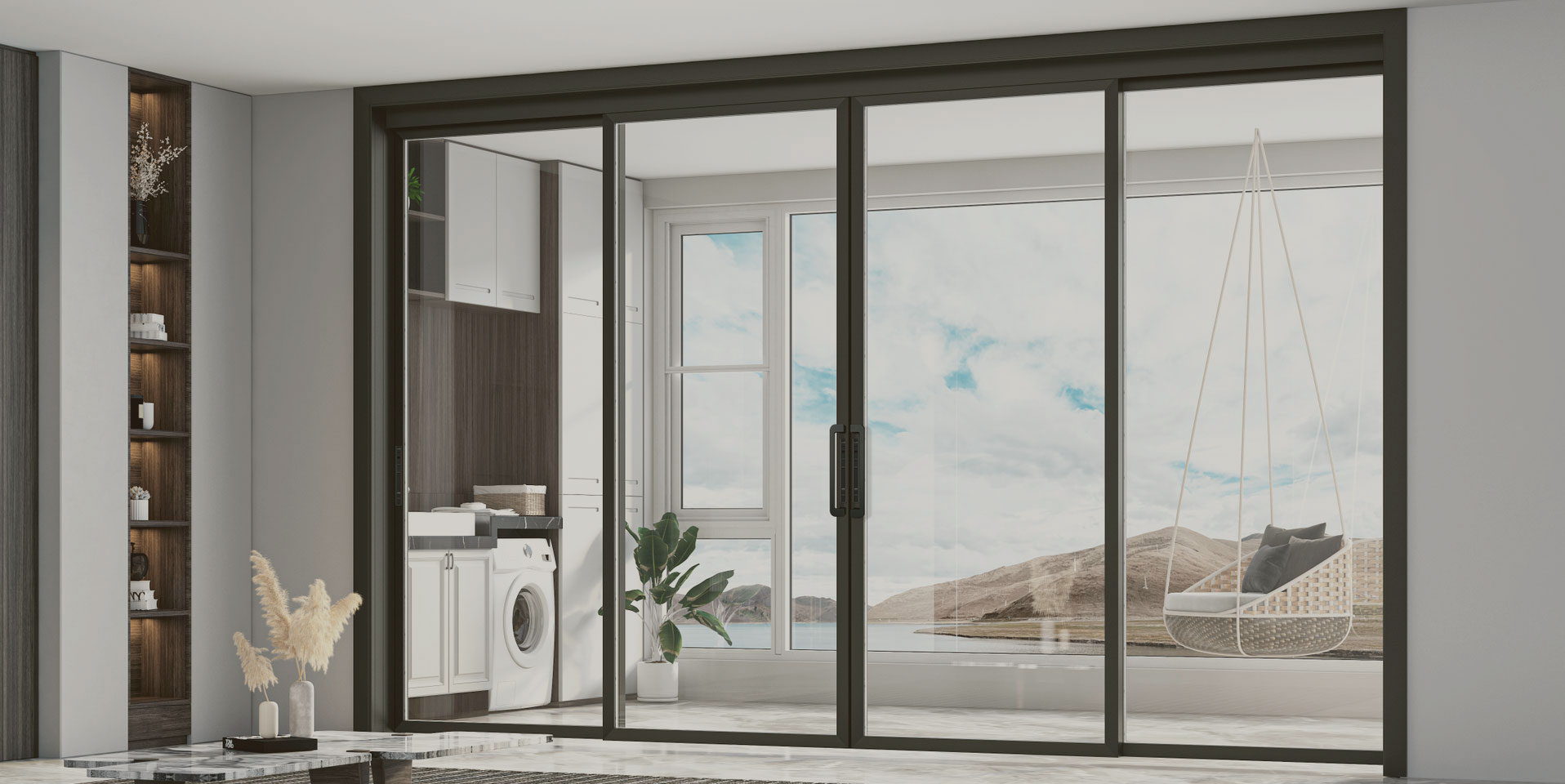
Insulating glass, particularly Low-E insulated units, has extensive applications across various fields. It is the preferred choice for residential windows, curtain walls, skylights and sunrooms, drastically cutting heating and cooling costs and reducing carbon footprints. In commercial buildings, offices, hospitals and shopping malls, it balances energy savings, noise reduction and daylighting. It is also ideal for cold storage facilities, greenhouses and high-rise buildings, adapting to extreme climates and improving indoor comfort. With global push for low-carbon construction, Low-E insulating glass has become an indispensable material for sustainable and energy-efficient building projects.