





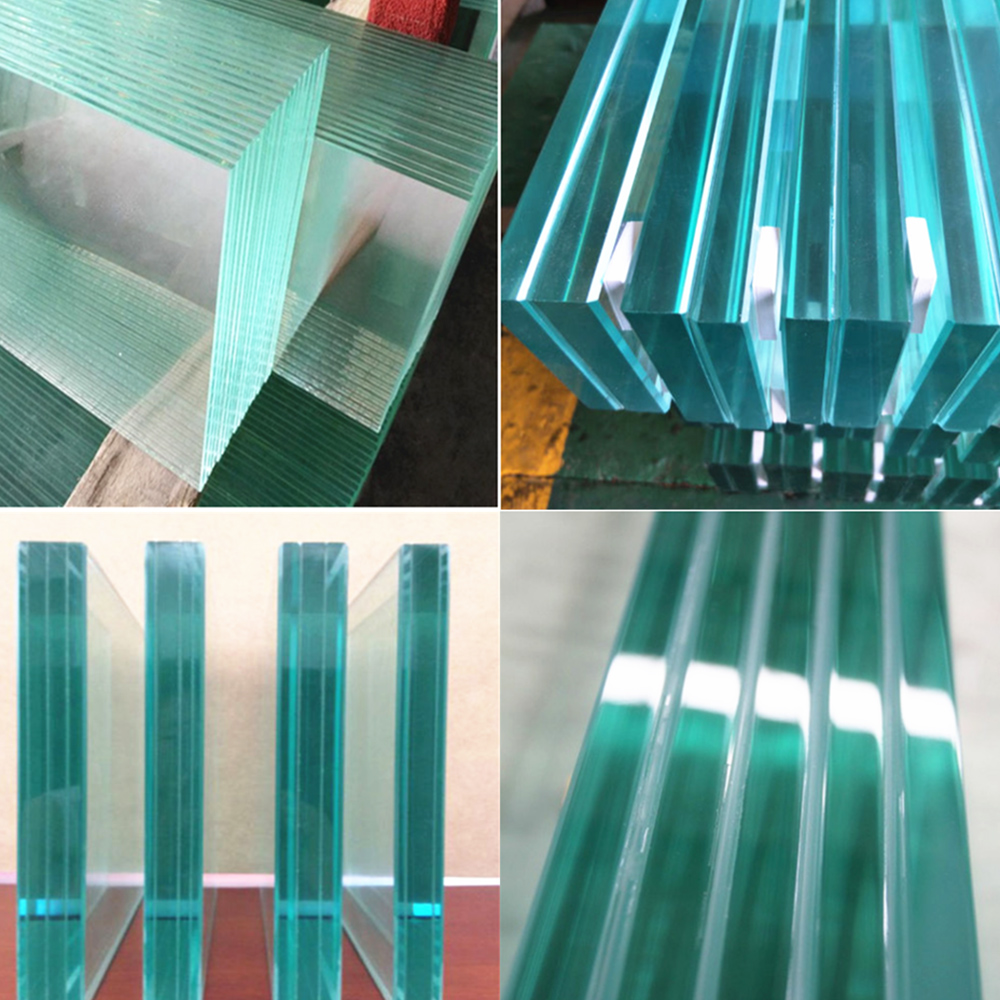
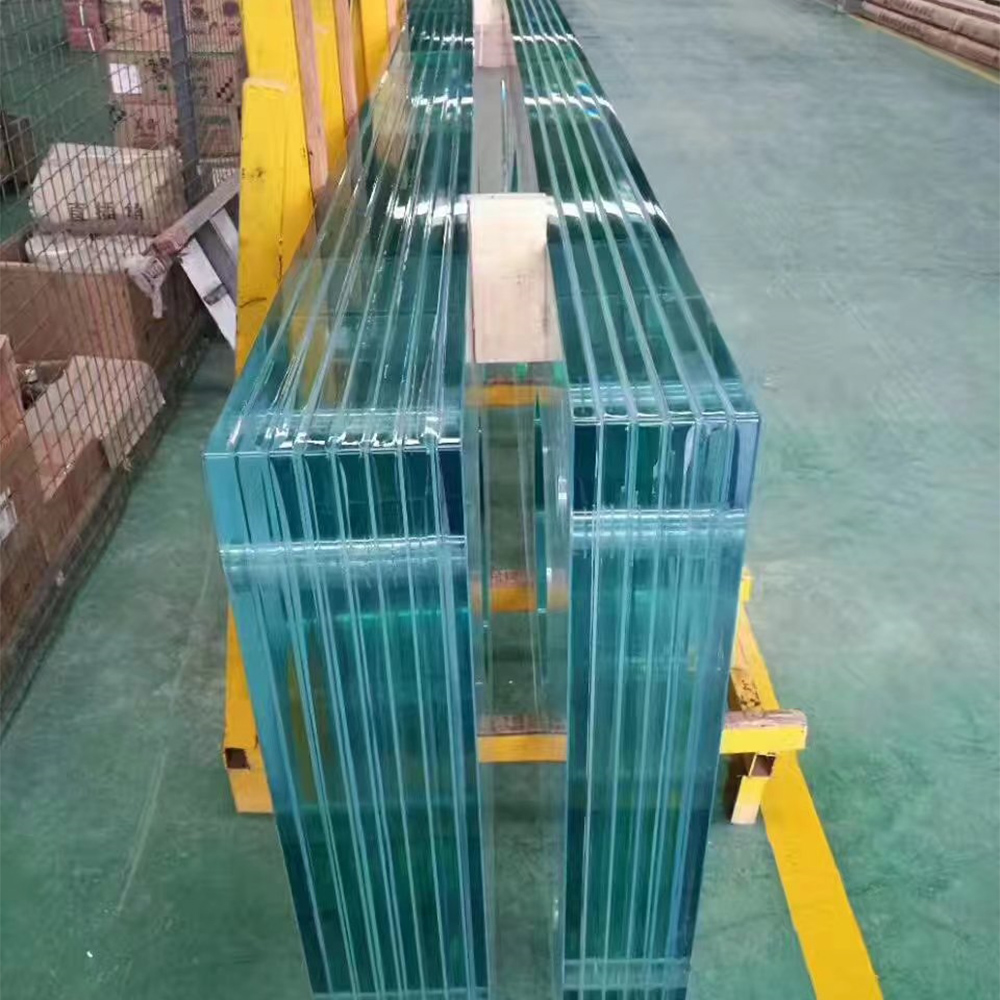
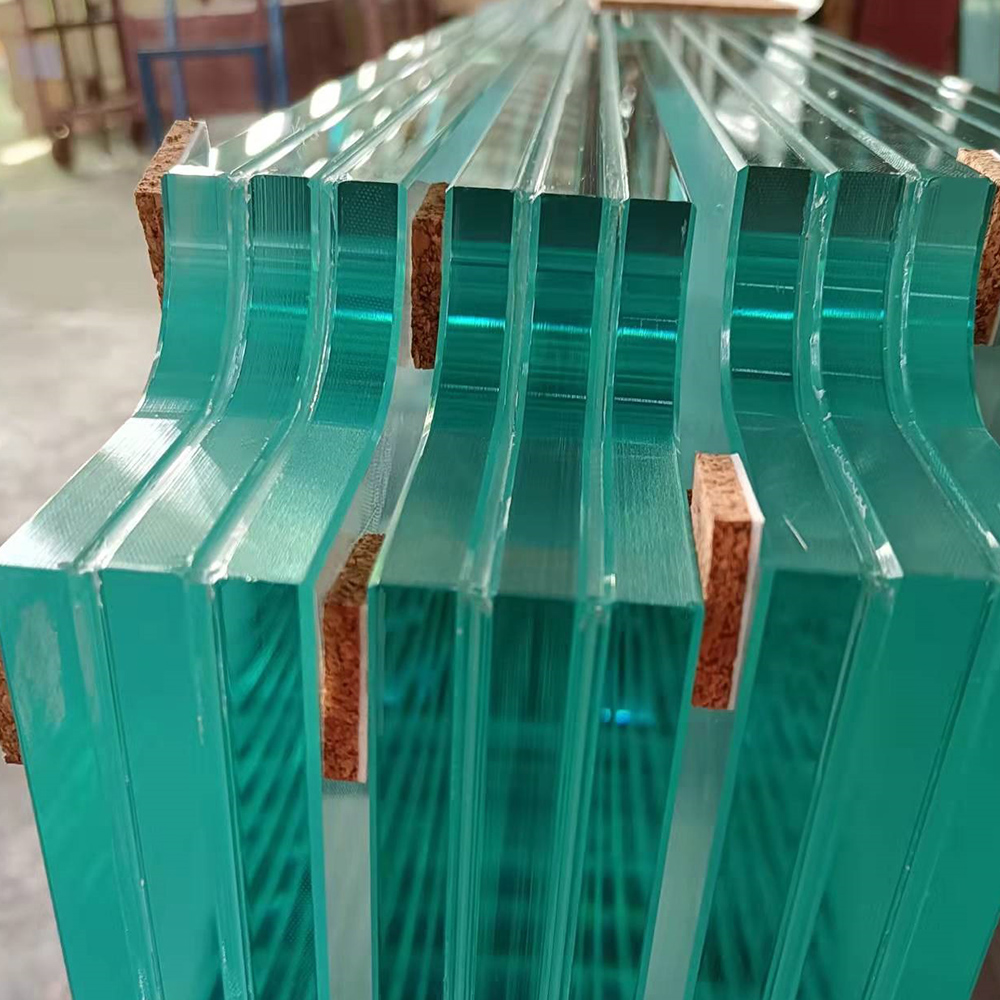
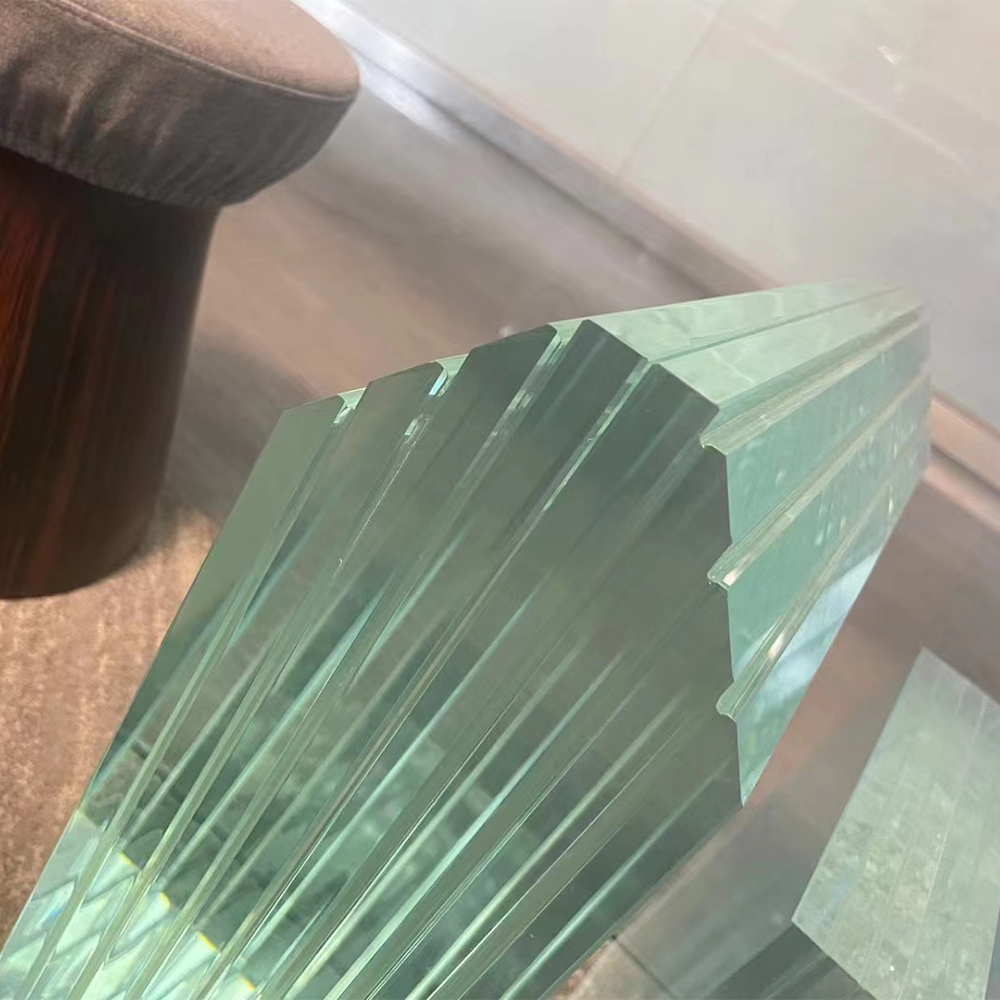
Laminated Glass: Composition, Interlayer Materials and Applications
Core Interlayer Materials: EVA
about projectEVA (Ethylene-Vinyl Acetate) is a budget-friendly thermoplastic interlayer widely used for low-demand laminated glass. It features strong initial adhesion, excellent moisture resistance and low-temperature processing compatibility, which shortens production cycles and cuts manufacturing costs. However, EVA has obvious drawbacks: its heat resistance and mechanical strength are relatively poor, and it is prone to yellowing, deformation or debonding under long-term sunlight exposure or high-temperature environments. Thus, it is only suitable for indoor decorative scenes such as indoor glass partitions, furniture display cabinets and small-scale decorative glazing, and cannot meet the standards of outdoor or high-load engineering projects.
Core Interlayer Materials: PVB
about projectPVB (Polyvinyl Butyral) is the most mature and widely used interlayer in the global market, representing the mainstream choice for safety laminated glass. It boasts ultra-high optical transparency, outstanding sound insulation performance and superior UV-blocking capacity, filtering more than 99% of harmful ultraviolet rays to protect indoor interiors from fading. PVB also delivers reliable toughness and impact resistance, fully meeting automotive and architectural safety certifications. Despite its advantages, PVB is sensitive to moisture, requiring strict humidity control during lamination, and its structural rigidity is limited, making it less ideal for super-large glass panels or extreme disaster-resistant projects.
Core Interlayer Materials: SGP
about projectSGP (SentryGlas Plus) is a high-performance ionomer interlayer designed for high-strength and high-safety scenarios, regarded as a premium alternative to PVB. It offers twice the rigidity and significantly stronger tear resistance than PVB, with excellent structural stability, hurricane resistance and blast-proof performance. Even if the glass breaks, SGP can maintain the overall integrity of the glazing for a period, bearing partial loads. The main limitations of SGP are its high raw material cost and stricter processing equipment requirements, which restrict its large-scale promotion in ordinary projects, positioning it for high-end and critical engineering applications.
Main Applications
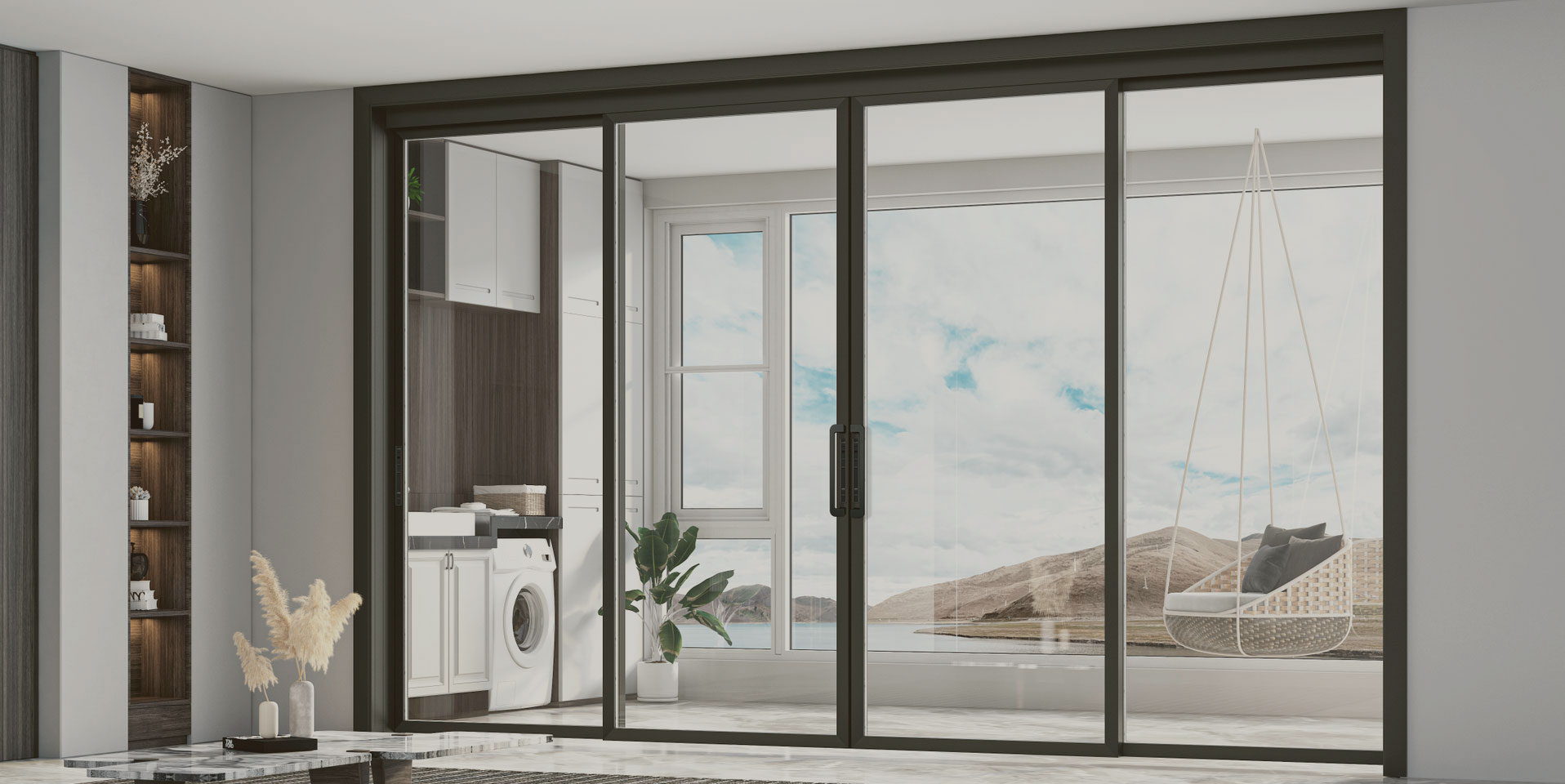
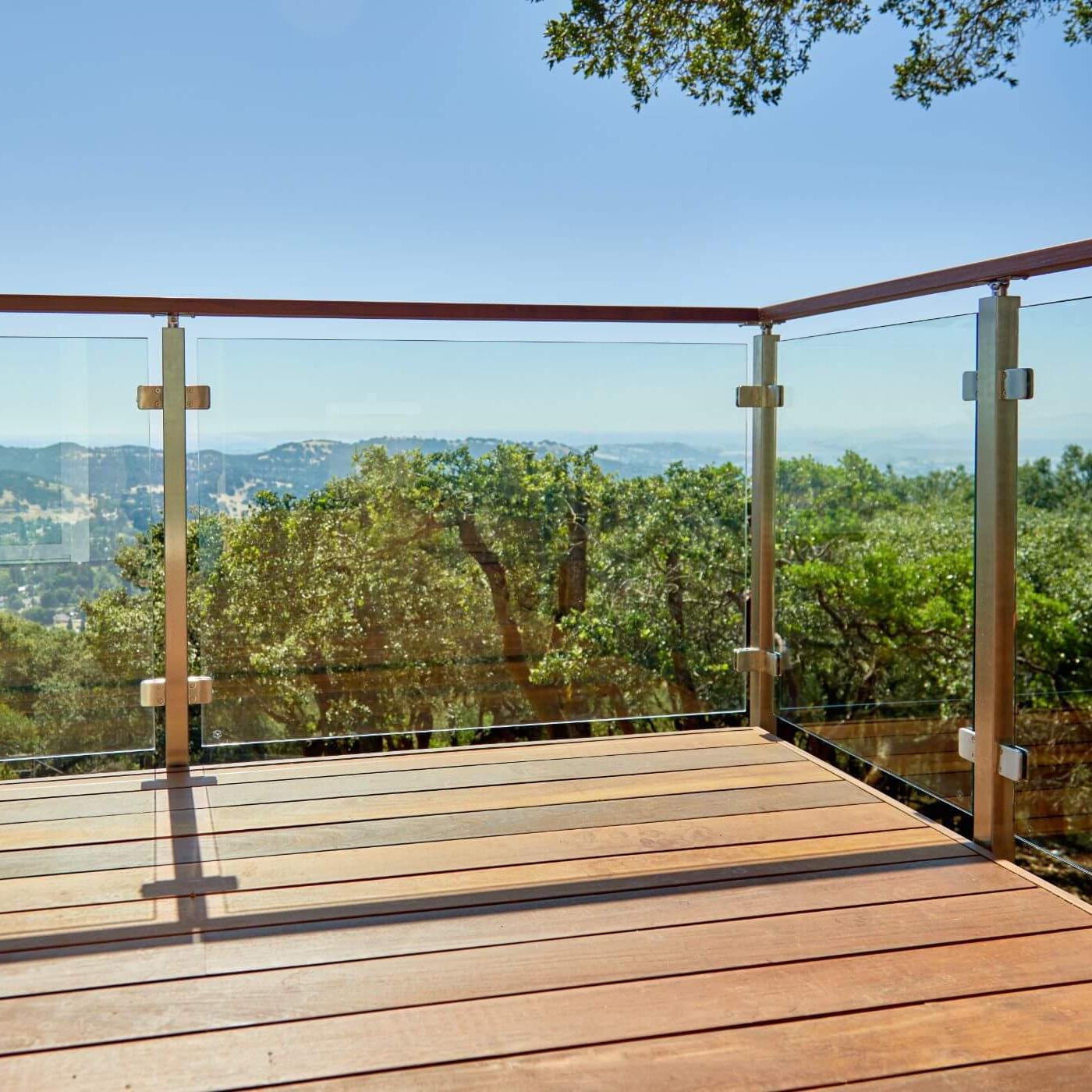
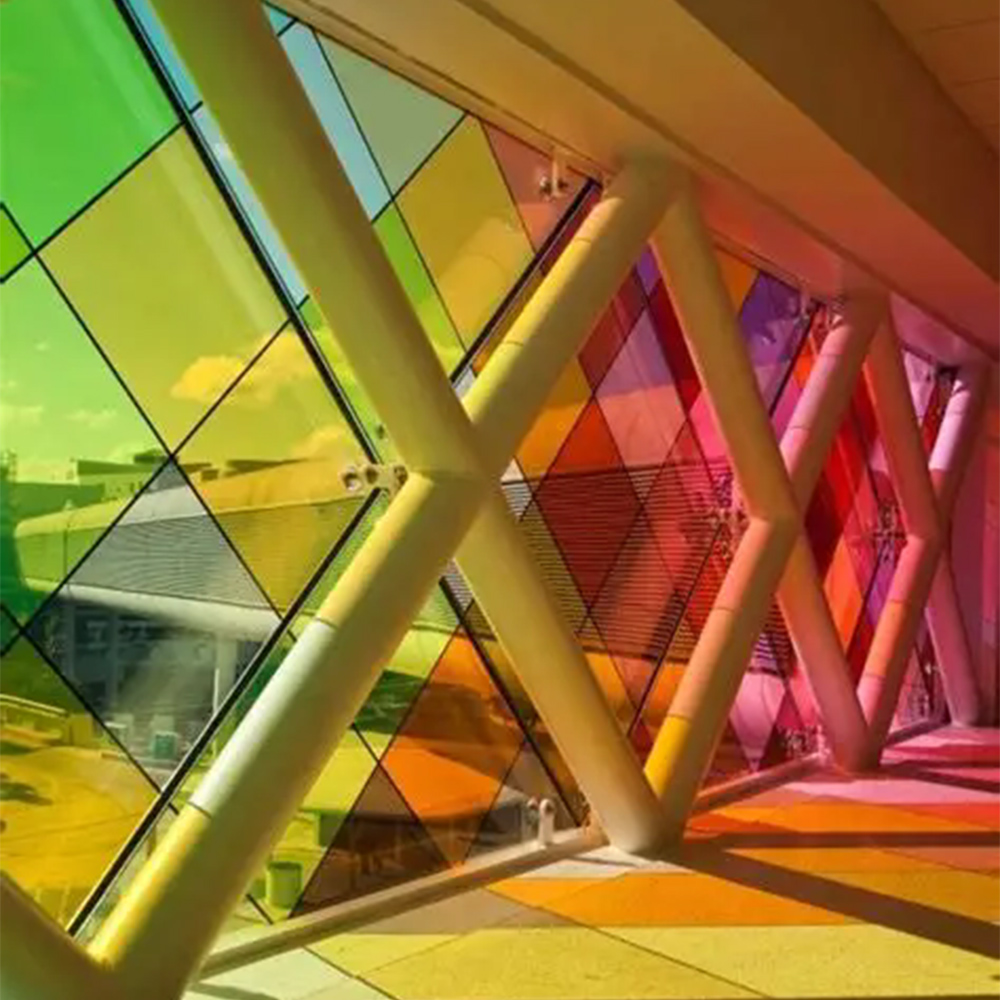
about projectThe application of laminated glass is highly customized based on the performance of different interlayers. EVA laminated glass is mainly used for indoor decoration, furniture glass and lightweight display projects due to its cost advantage. PVB laminated glass is the standard choice for automotive windshields, building curtain walls, residential soundproof windows, school and hospital glazing, balancing performance and cost perfectly. SGP laminated glass is dedicated to high-end projects such as skyscraper oversized facades, coastal hurricane-resistant windows, bank anti-theft barriers, museum display cabinets and bulletproof glazing. This diversified selection makes laminated glass adaptable to various complex scenarios, solidifying its irreplaceable role in the safety glazing industry.