




Mesh Glass: Where Aesthetic Innovation Meets Functional Architectural Excellence
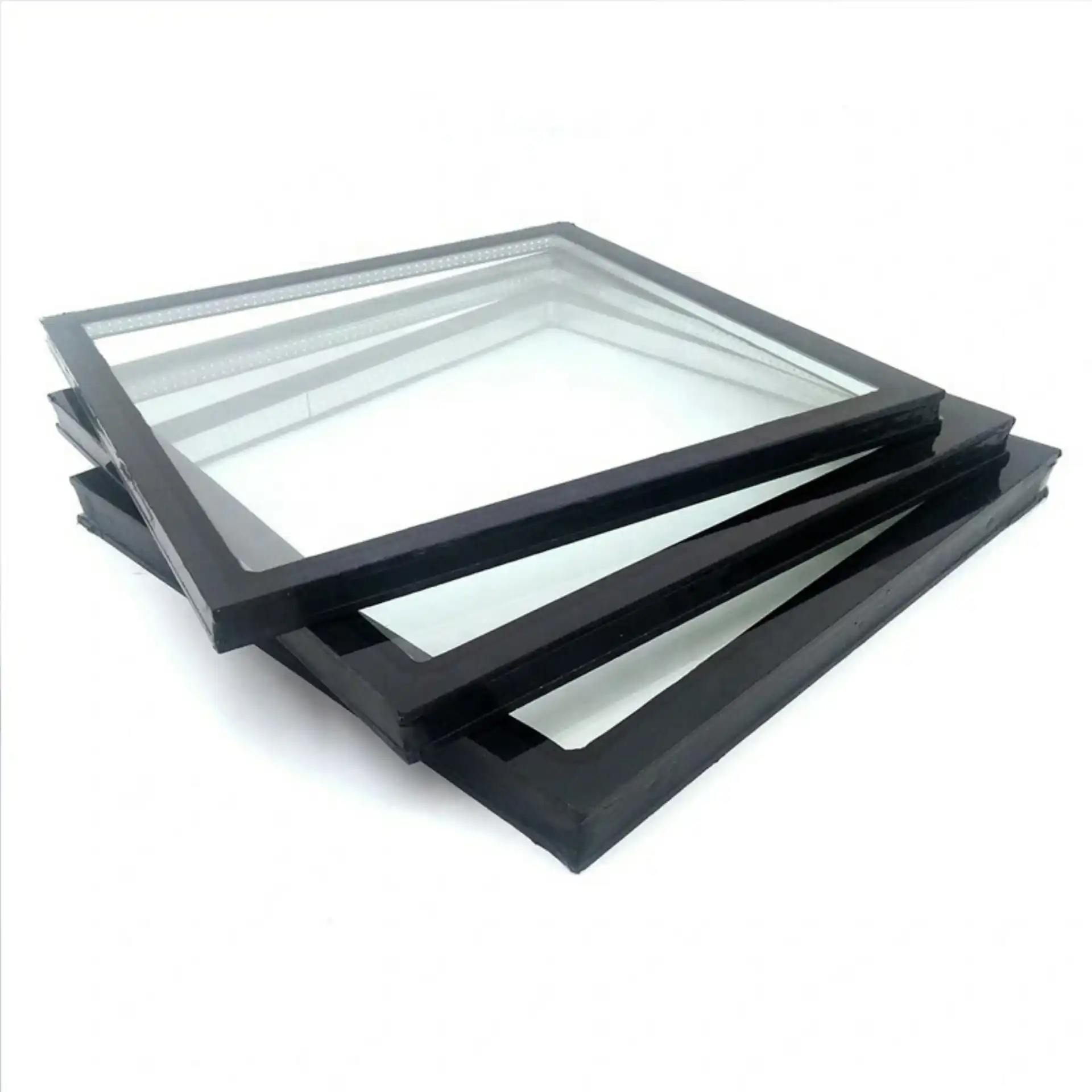
In modern architectural and interior design, the pursuit of balanced beauty and practicality has always been a core principle. As an innovative laminated glass solution, mesh glass has quickly become a favorite among architects and designers, perfectly blending stunning visual aesthetics, superior optical performance, and reliable energy-saving functionality. It breaks the monotony of traditional glass materials, bringing unprecedented design possibilities for diverse spatial creations.
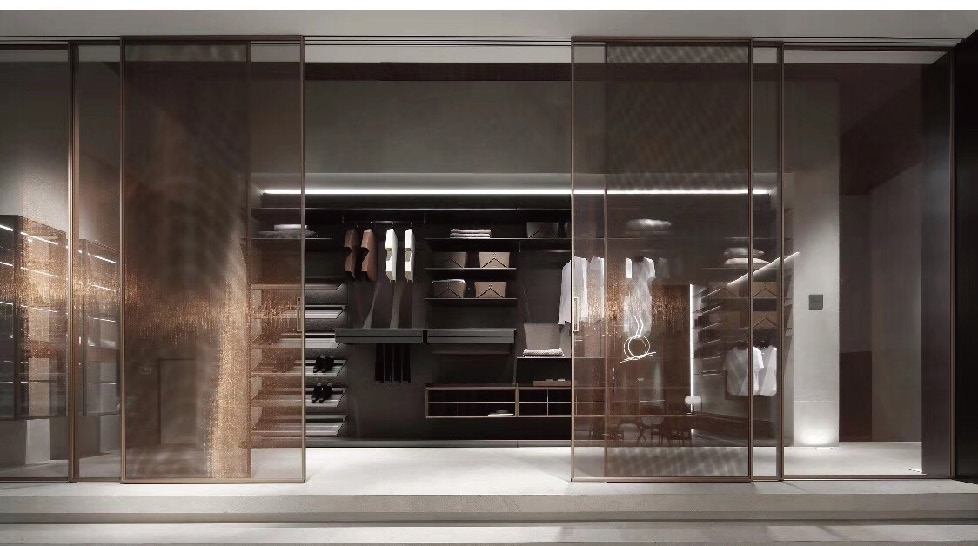
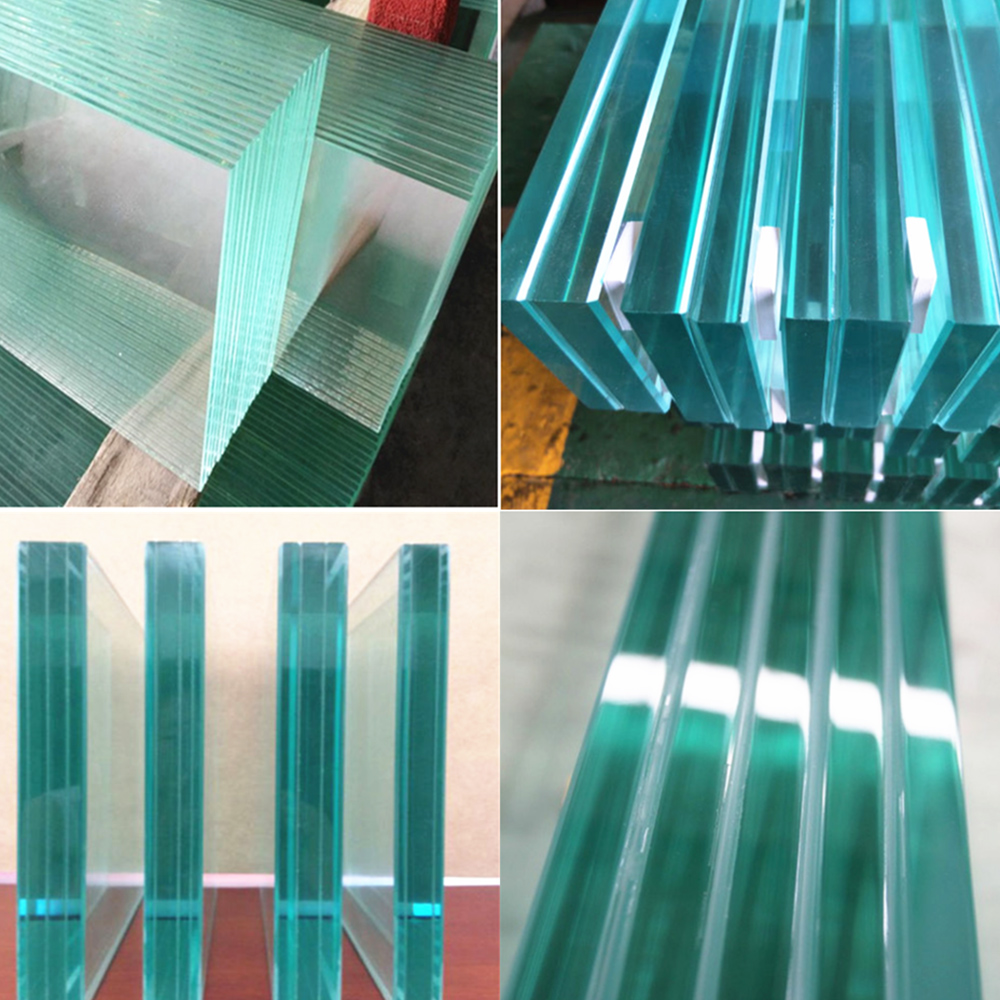
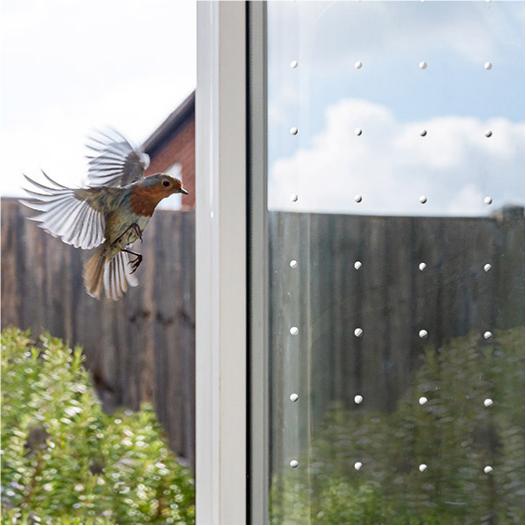
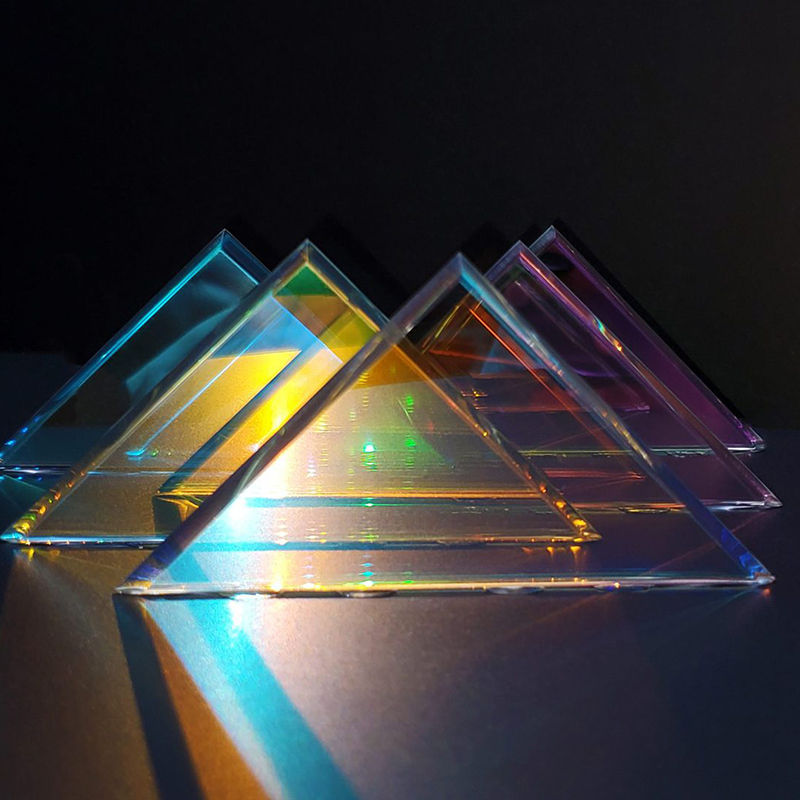
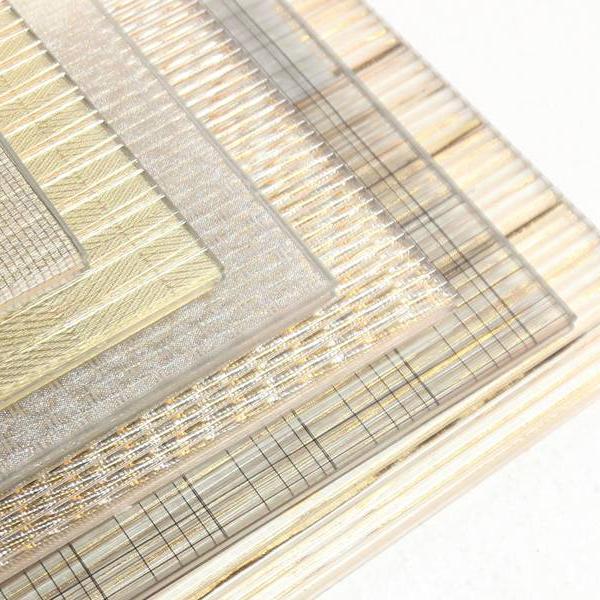
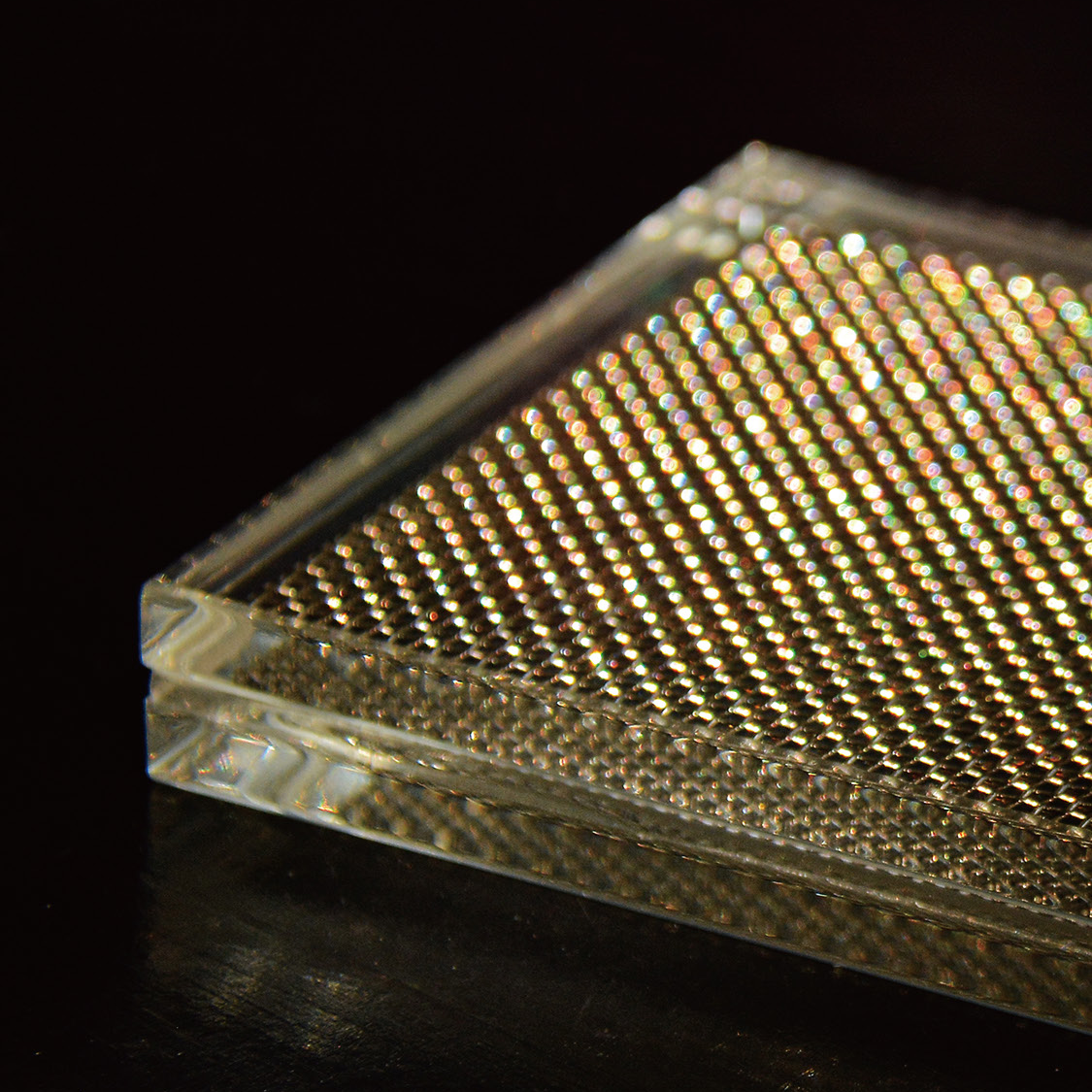
What sets mesh glass apart first is its unparalleled visual charm. Featuring delicate embedded mesh fabrics inside the glass interlayers, it delivers vivid moving reflected light and immersive 3D visual effects under natural light and artificial lighting. Unlike ordinary flat glass with single light transmission, the woven mesh structure refracts and scatters light softly, creating layered, dynamic light and shadow changes across spaces. This unique optical texture adds a sophisticated, artistic ambiance to buildings and interiors, transforming plain glass surfaces into flexible visual art installations that adapt to different lighting environments and design styles.
Beyond its outstanding aesthetics, mesh glass boasts exceptional practical performance, with top-tier UV protection standing out prominently. It achieves a 99% UV blocking rate, effectively isolating harmful ultraviolet rays from penetrating indoor spaces. This excellent performance protects indoor furniture, decorations, and human skin from UV damage, while greatly reducing indoor heat gain caused by solar radiation. Cooperated with the precise light control function of professional mesh fabrics, it intelligently adjusts light transmittance, avoids harsh glare, and maintains soft and uniform indoor lighting. This dual advantage of light management and heat insulation realizes remarkable energy-saving effects, reducing the energy consumption of air conditioning and lighting systems all year round.
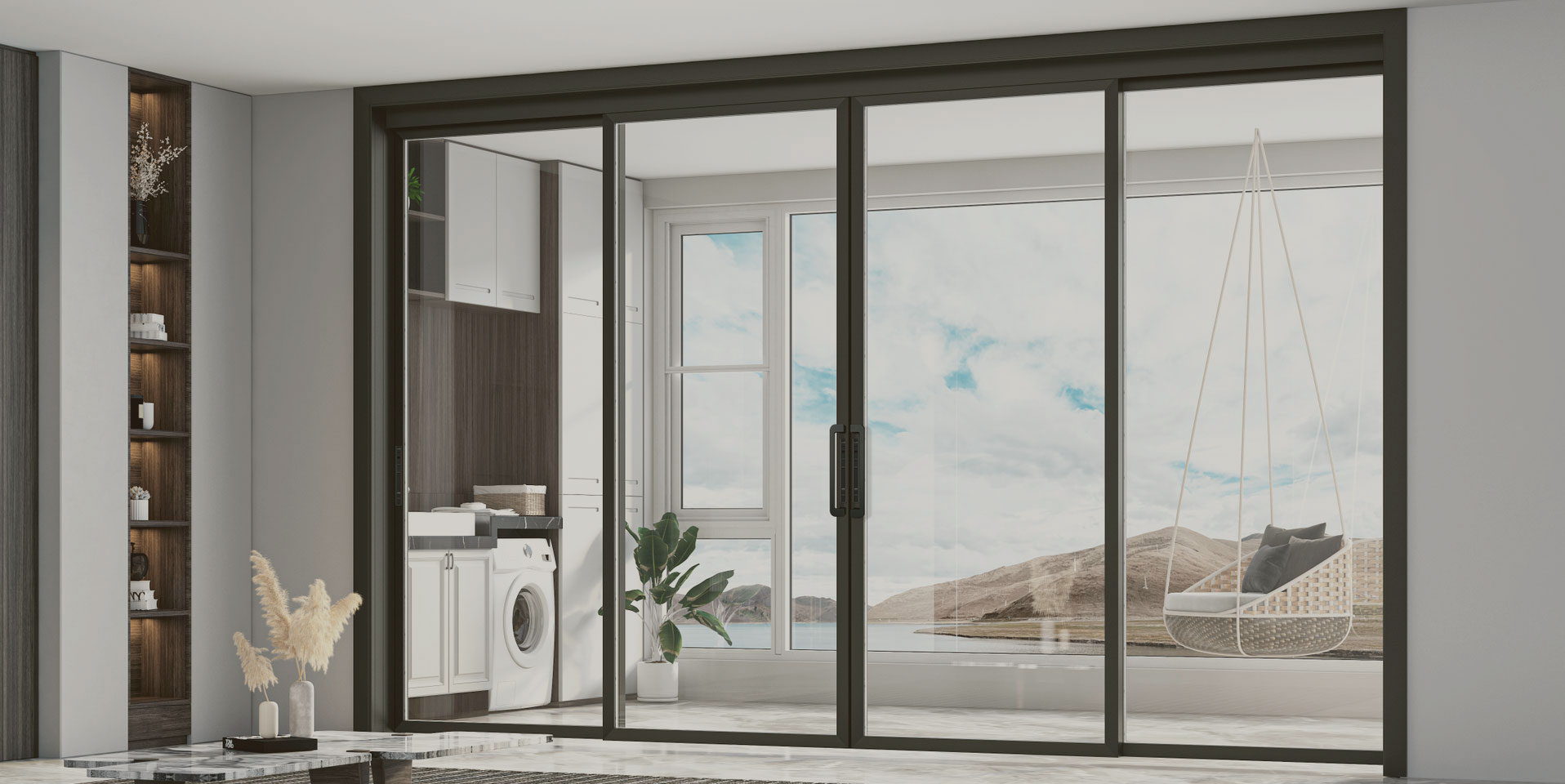
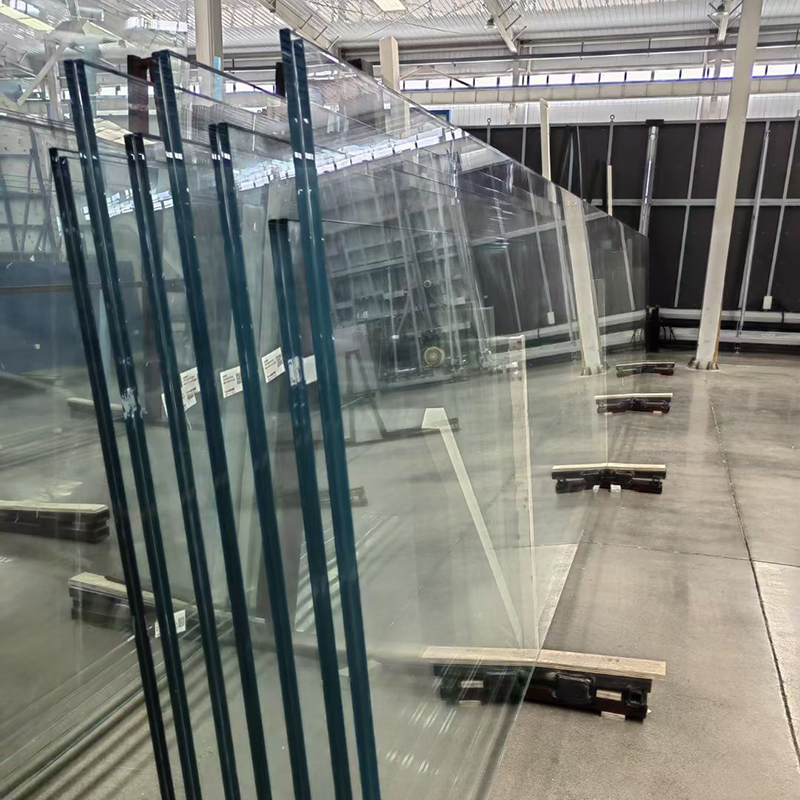
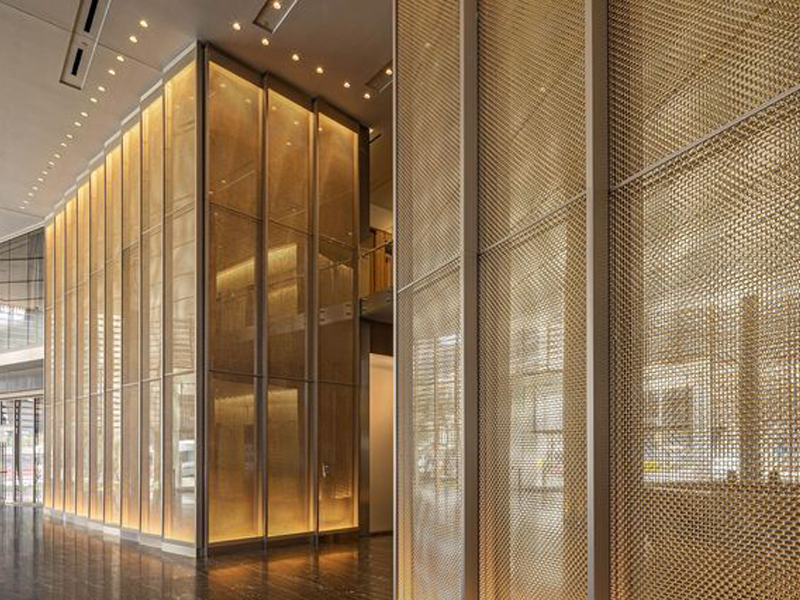
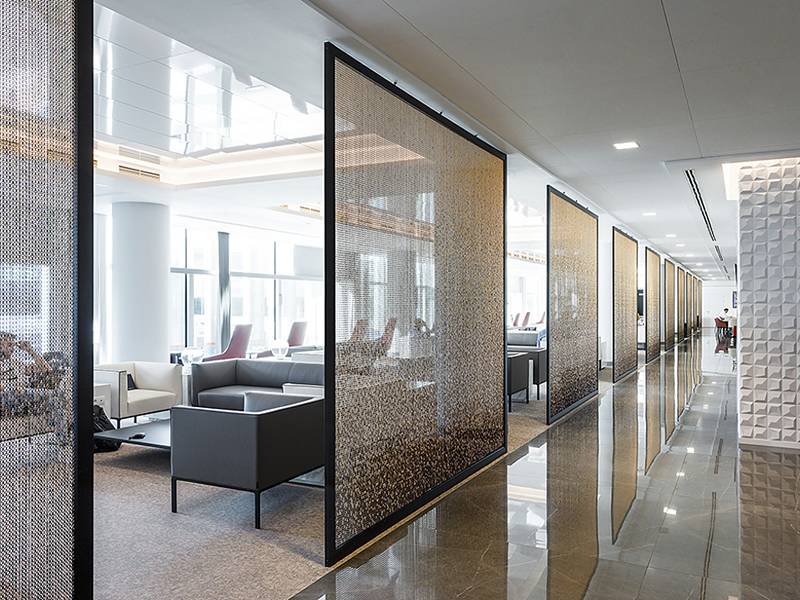
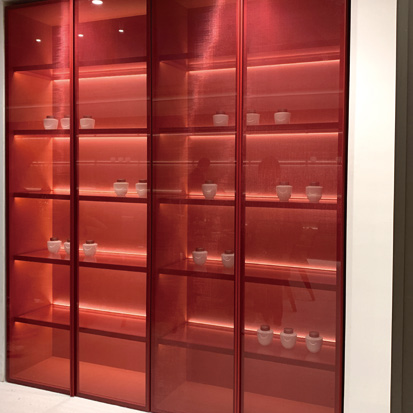
Versatility is another key advantage of mesh glass, offering endless customized design options for creators. With flexible adjustable mesh patterns, densities, and textures, it can meet personalized design demands of various scenarios. In architectural engineering, it is widely applied in building glass facades, endowing exterior walls with unique transparent textures and three-dimensional layering while optimizing the building’s overall energy efficiency. For interior design, it serves as exquisite partition walls, skillfully dividing functional areas without blocking light circulation, maintaining the openness and transparency of indoor spaces. Additionally, it is extensively used in high-end furniture components, integrating artistic texture and durable performance to elevate the grade of furniture products.
In conclusion, mesh glass redefines the value of architectural glass materials. It perfectly combines stunning 3D aesthetic expression, efficient UV protection, intelligent light control, and energy-saving performance. With rich design flexibility and wide application scenarios, it continues to empower innovative architectural and interior design, becoming an indispensable high-quality material for modern high-end construction and space creation.