
Eco-Friendly Advantages-Driven Applications of LOW-E Glass
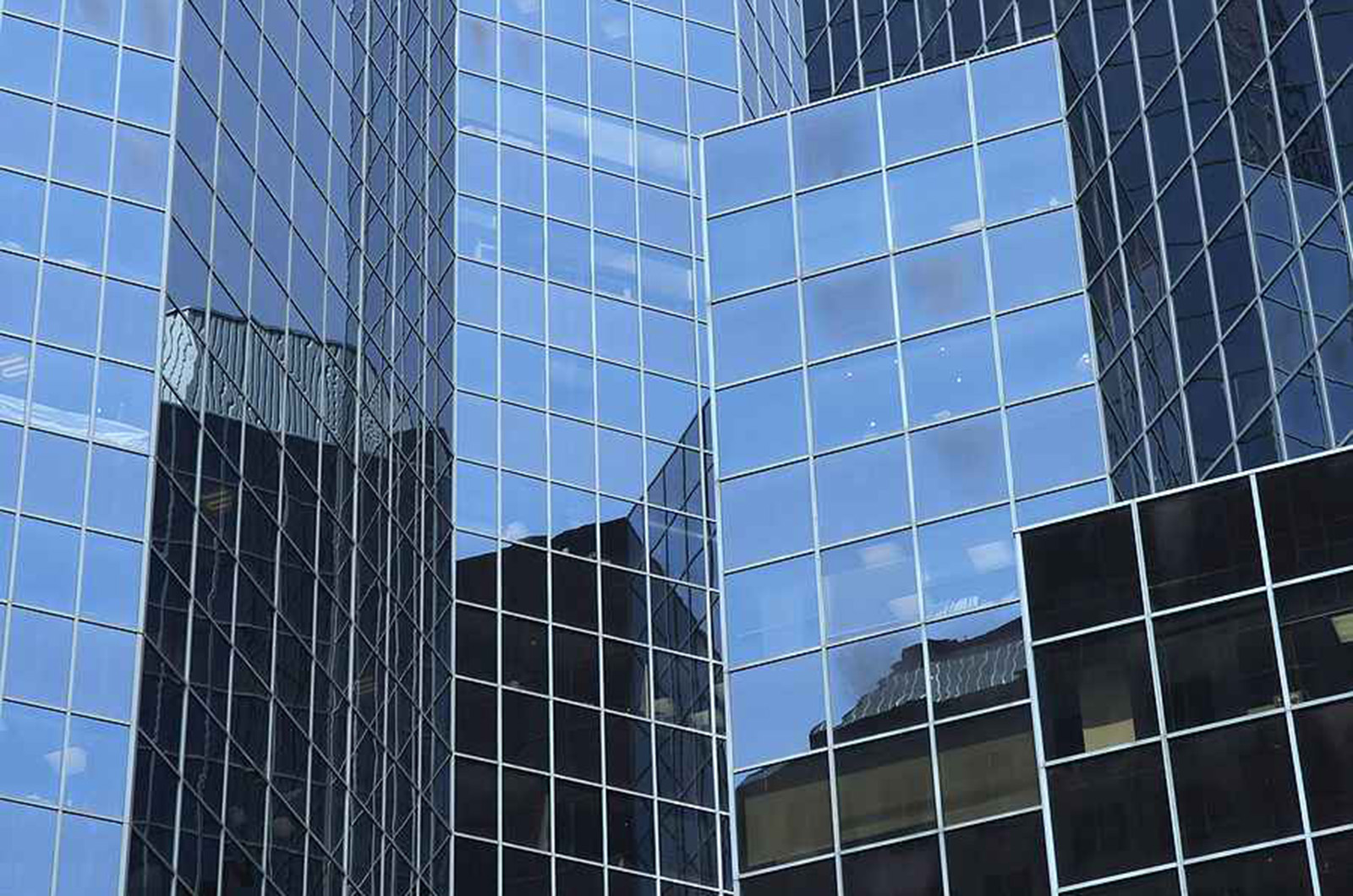
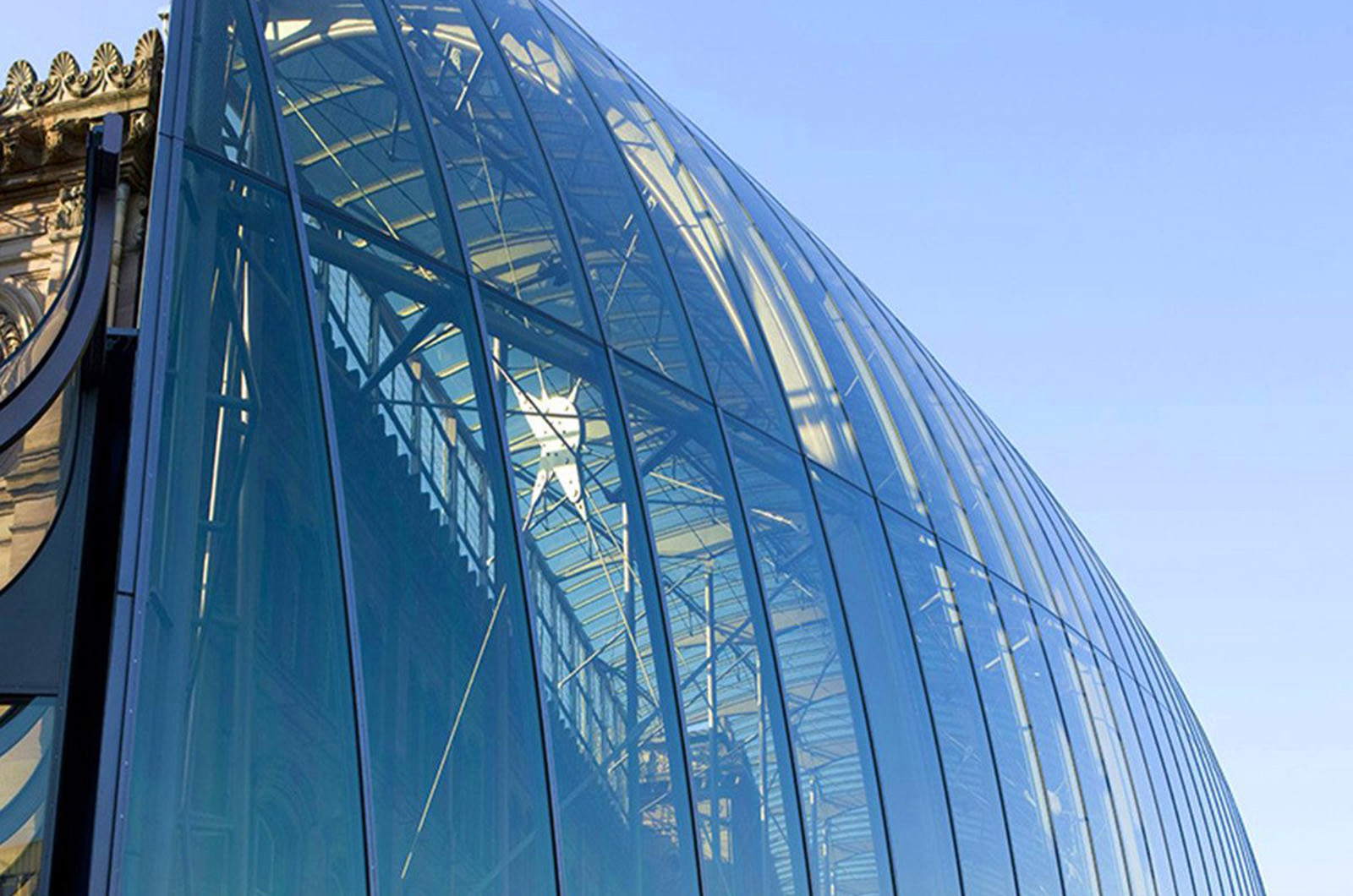
LOW-E glass, short for low-emissivity glass, is renowned for its excellent energy-saving and heat-insulating performance, which is achieved by coating a thin, invisible layer of metal or metal oxide on its surface. This special coating enables it to reflect infrared heat while allowing visible light to pass through, making it widely applied in various fields, with the construction industry as its primary market. It has become a preferred material for modern green buildings, including high-end residential buildings, commercial skyscrapers, office buildings and large shopping malls, due to its outstanding environmental protection and energy-saving properties.
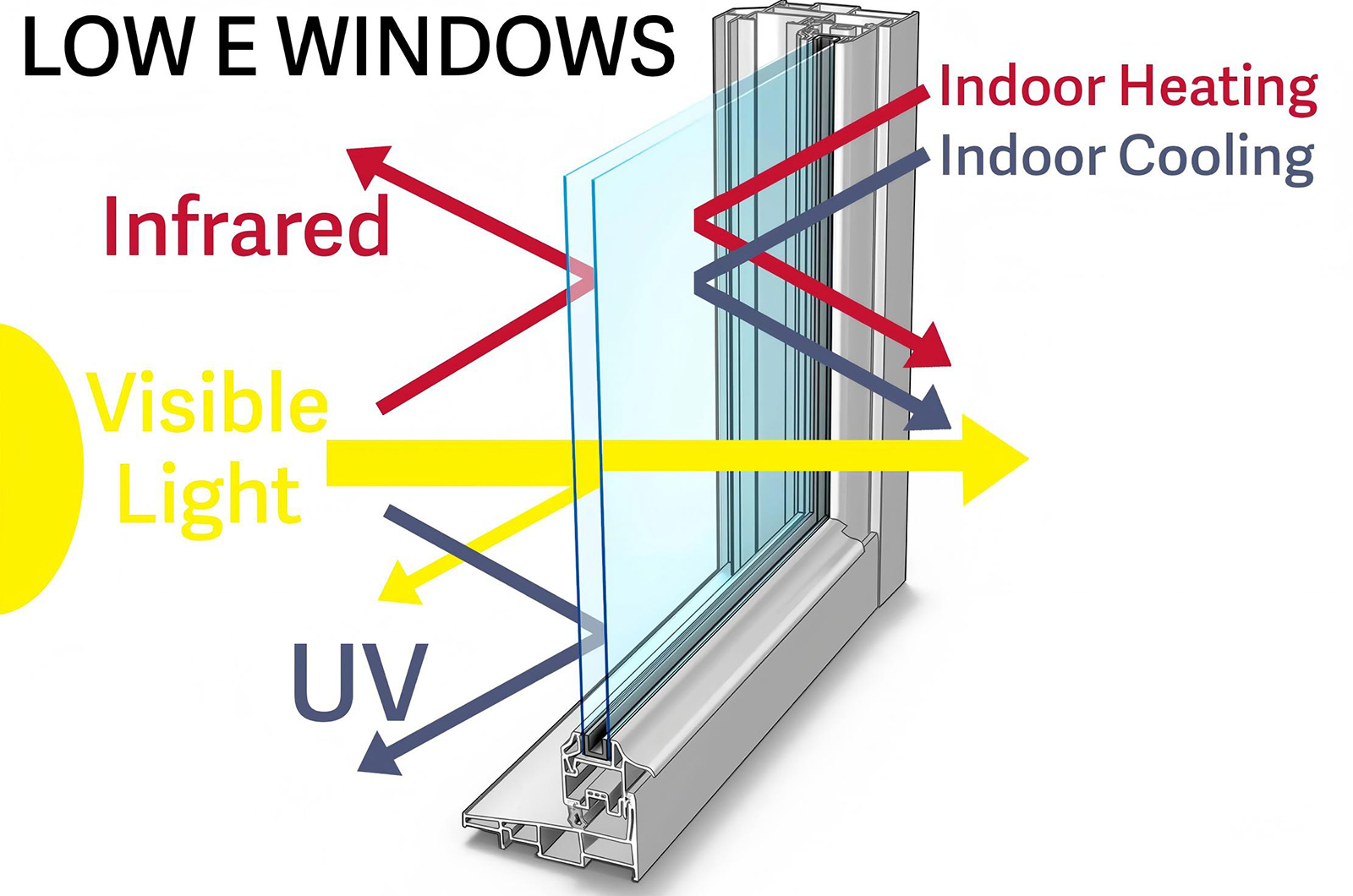
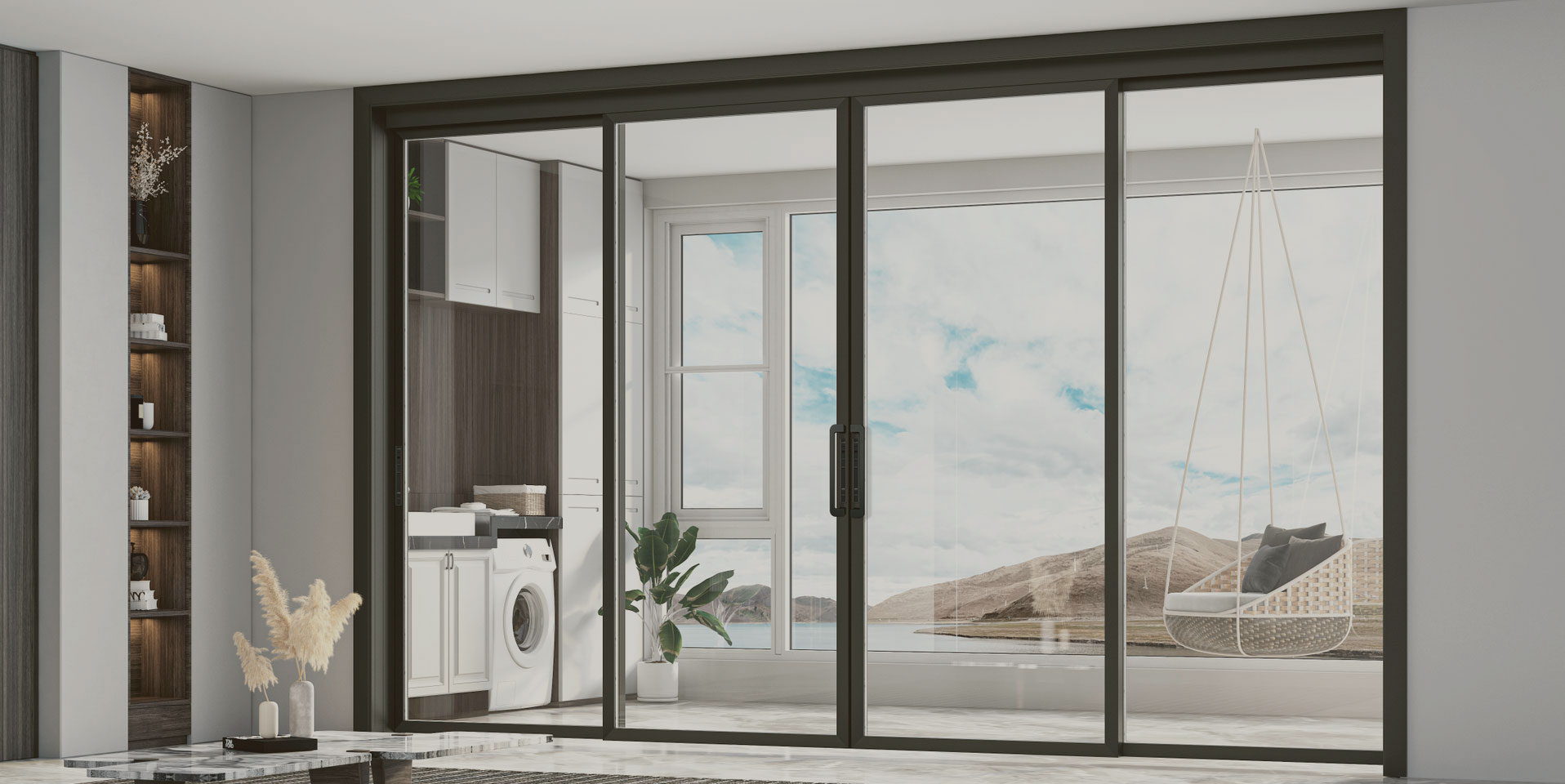
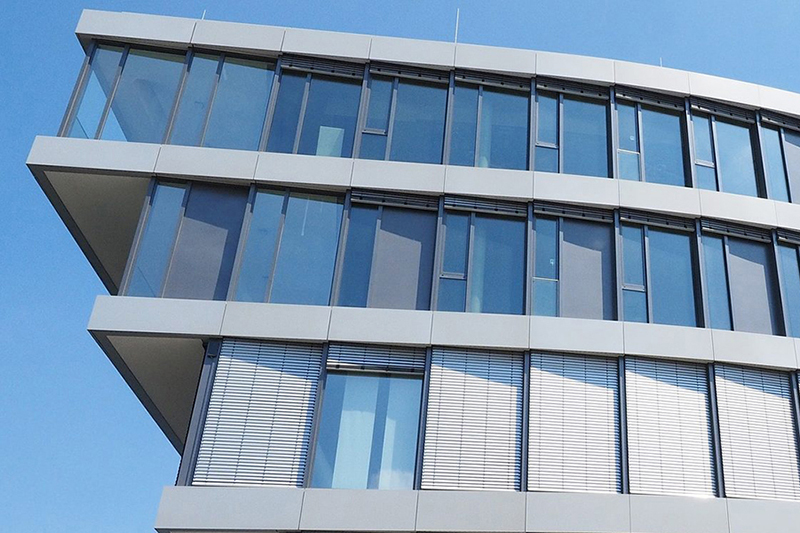
In residential buildings, LOW-E glass effectively maintains stable indoor temperatures throughout the year: it keeps indoor heat from escaping in winter, reducing heating costs, and blocks outdoor heat from entering in summer, lowering air-conditioning expenses. Meanwhile, it can filter out more than 90% of harmful UV rays, protecting furniture, floors and decorations from fading and extending their service life. For high-rise commercial buildings, its high light transmittance ensures bright and comfortable indoor spaces, reducing the need for artificial lighting, while its strong heat-blocking ability eases the burden on central air-conditioning systems, cutting energy consumption by 30% to 50% compared with ordinary glass.
Beyond construction, LOW-E glass is also widely used in automotive manufacturing, where it is installed as windshield and side windows to enhance cabin comfort by insulating heat and blocking glare, creating a more pleasant driving experience. Additionally, it finds important applications in cold storage and display cabinets in supermarkets and convenience stores, as it minimizes heat exchange between the inside and outside, helping to preserve low-temperature environments efficiently and reduce energy consumption for refrigeration. Its remarkable versatility, eco-friendliness and cost-saving advantages make it indispensable in modern energy-efficient designs across multiple industries.