



Heated Glass Comparison: Types, Advantages and Applications
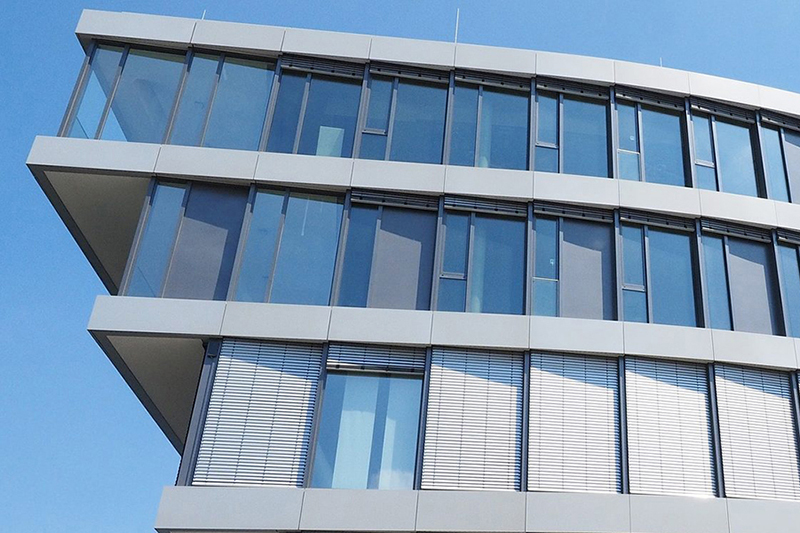
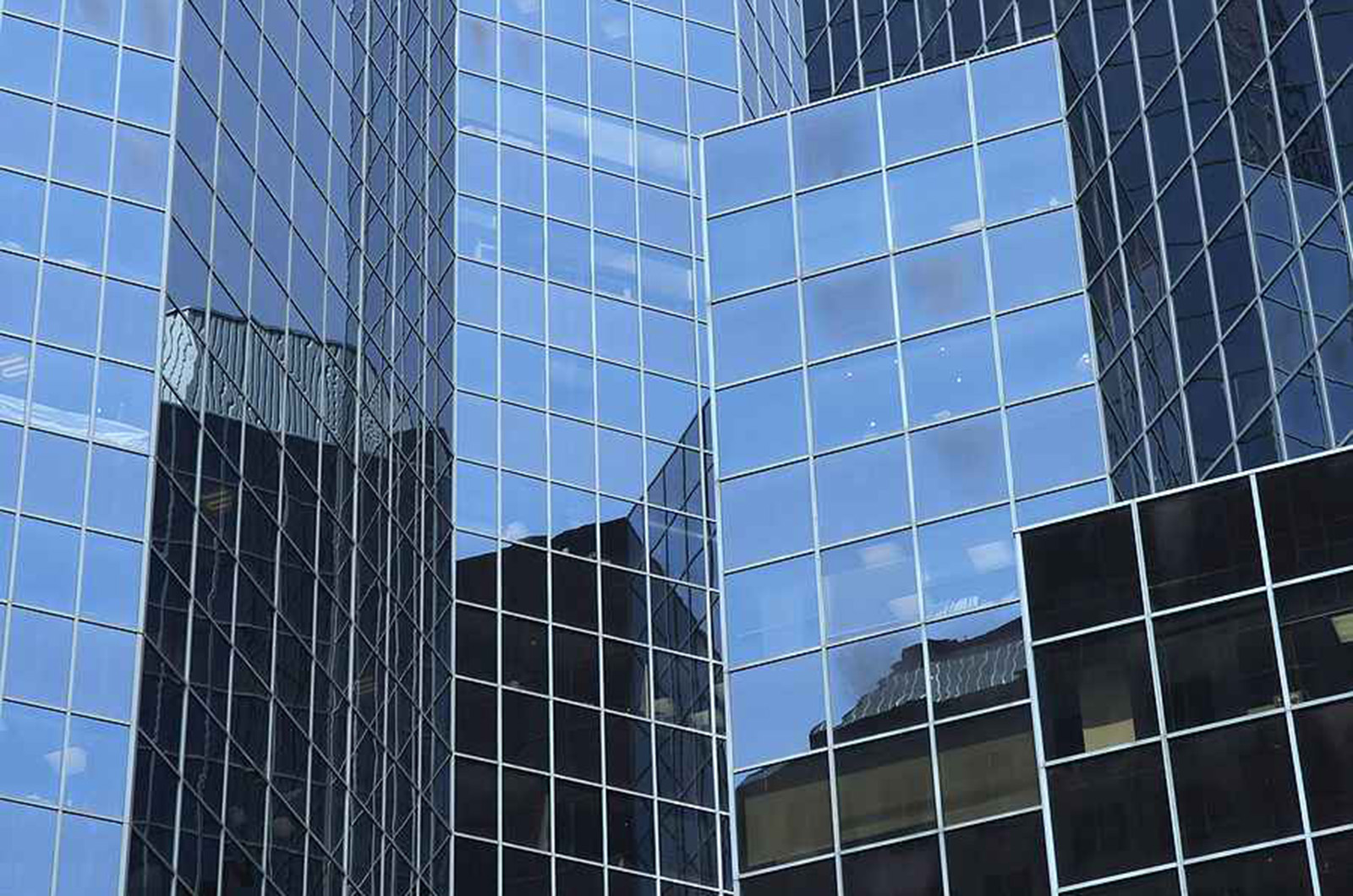
When considering some of the world’s most architecturally striking and visually compelling buildings, extensive use of glass is often a defining feature. Prior to incorporation into such structures, glass typically undergoes heat treatment to enhance its mechanical durability and/or safety performance. The specific thermal process—either heat strengthening or tempering—is determined by the intended functional and regulatory requirements of the application.
There are two principal categories of heat-treated glass: heat-strengthened and fully tempered. Both share the following fundamental processing characteristics:
• Utilization of identical thermal processing equipment;
• Heating to approximately 650 °C (1,200 °F), followed by controlled cooling to induce compressive stresses in the surface and edges.

Key distinctions between the two types are as follows:
• Fully tempered glass undergoes rapid, high-intensity air quenching, resulting in significantly higher compressive stress levels—specifically, a minimum surface compression of 69 MPa (10,000 psi) or a minimum edge compression of 67 MPa (9,700 psi). This elevated stress state imparts mechanical strength four to five times greater than that of annealed glass and markedly improves post-fracture safety behavior (i.e., fragmentation into small, relatively blunt particles). Consequently, fully tempered glass exhibits superior resistance to thermal stress-induced fracture.
• Heat-strengthened glass is subjected to a slower, less aggressive cooling regime, yielding moderate compressive stresses—typically in the range of 35–75 MPa (3,500–7,500 psi) at the surface, with no specified requirement for edge compression. As a result, its strength is approximately double that of annealed glass, but it retains monolithic fracture behavior (i.e., breaks into large, sharp shards) and does not meet safety glazing criteria under most building codes.
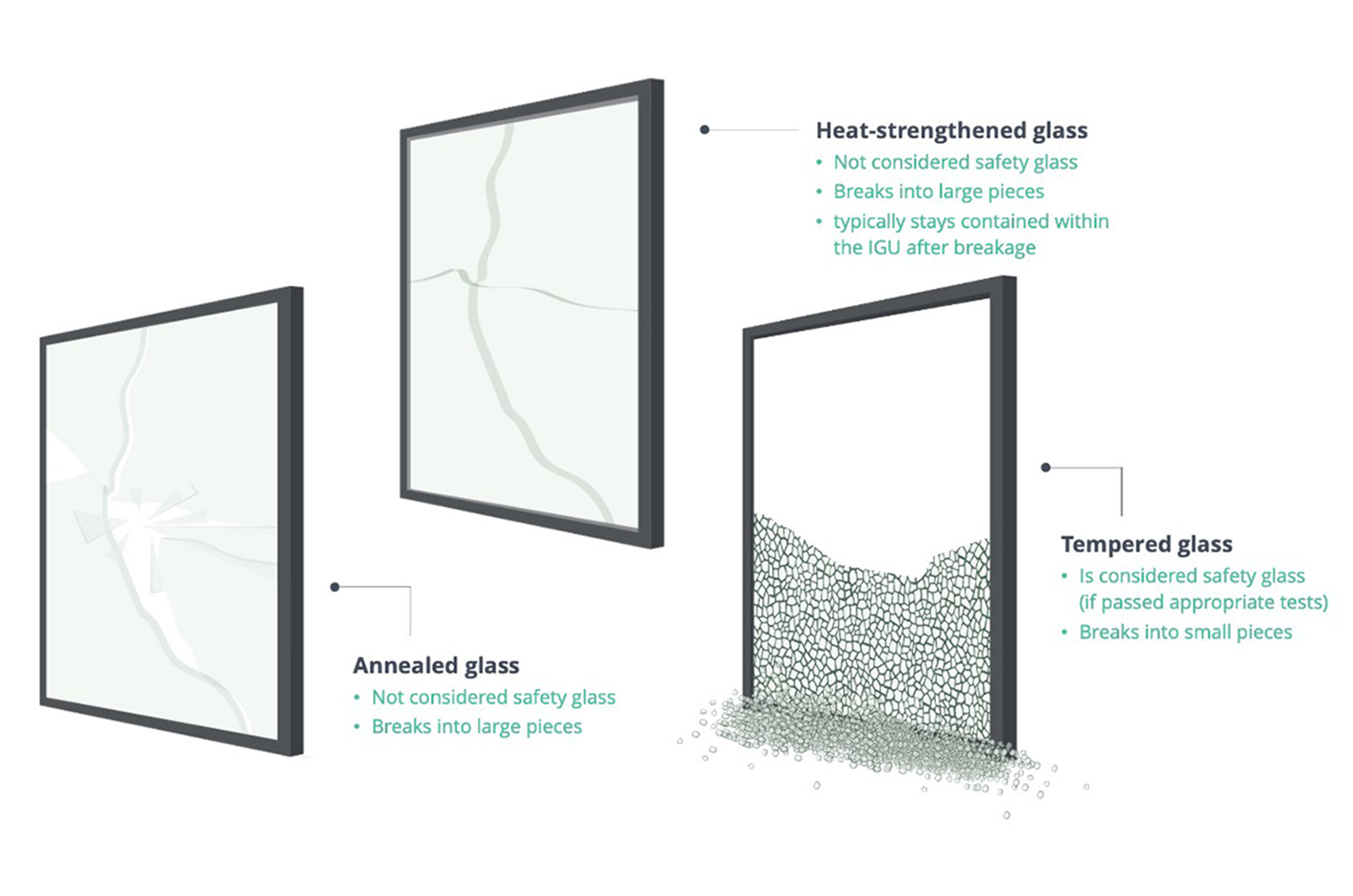
The applicable industry standard governing heat-treated glass is ASTM C1048. Per this specification:
— Heat-strengthened glass must achieve a surface compression of 35–75 MPa (3,500–7,500 psi); edge compression is not regulated.
— Fully tempered glass must satisfy *one* of the following: a surface compression of ≥69 MPa (≥10,000 psi), *or* an edge compression of ≥67 MPa (≥9,700 psi).
