
PDLC Smart Glass: Composition, Working Principle and Modern Applications
Core Composition of PDLC Glass
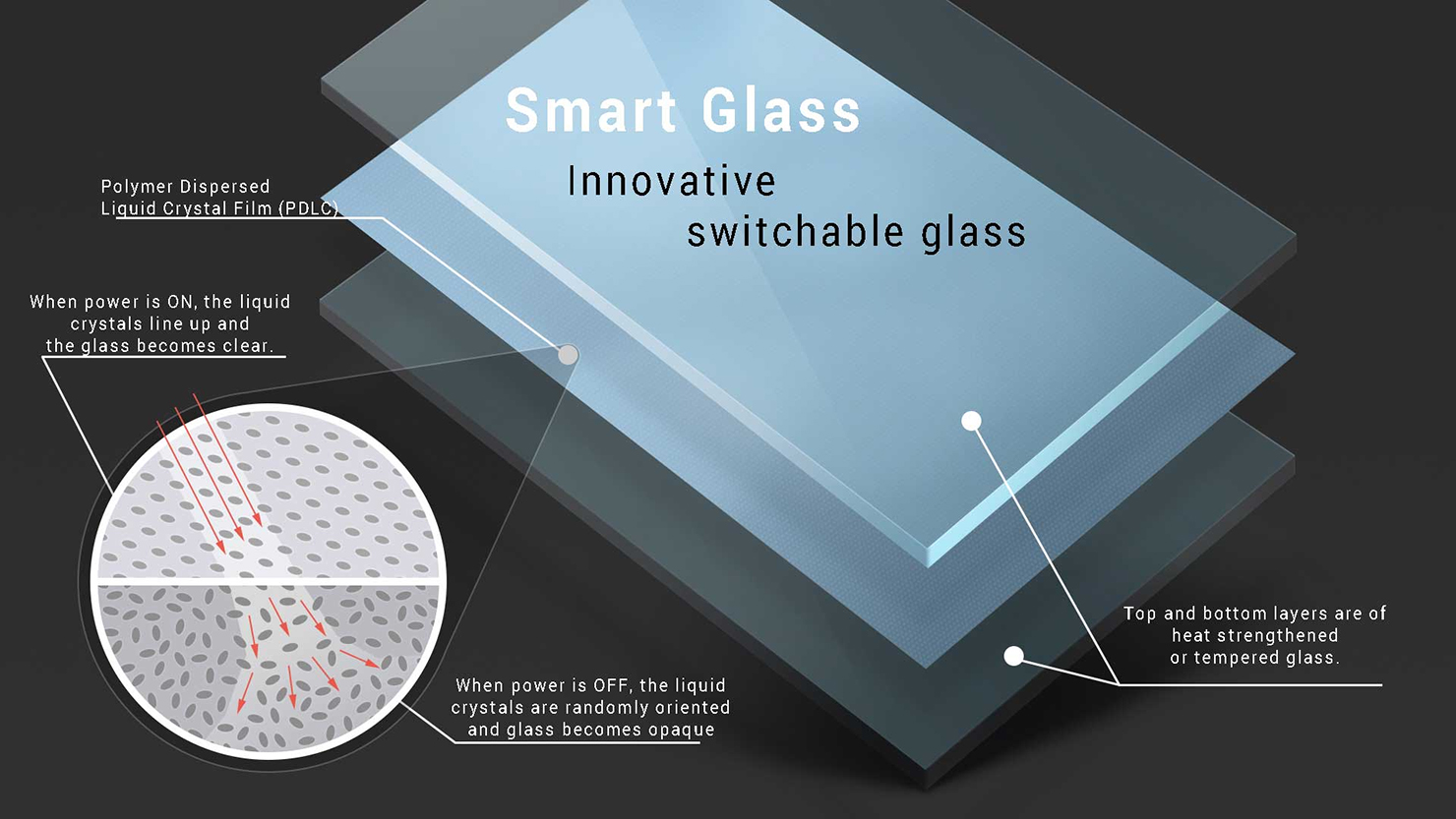
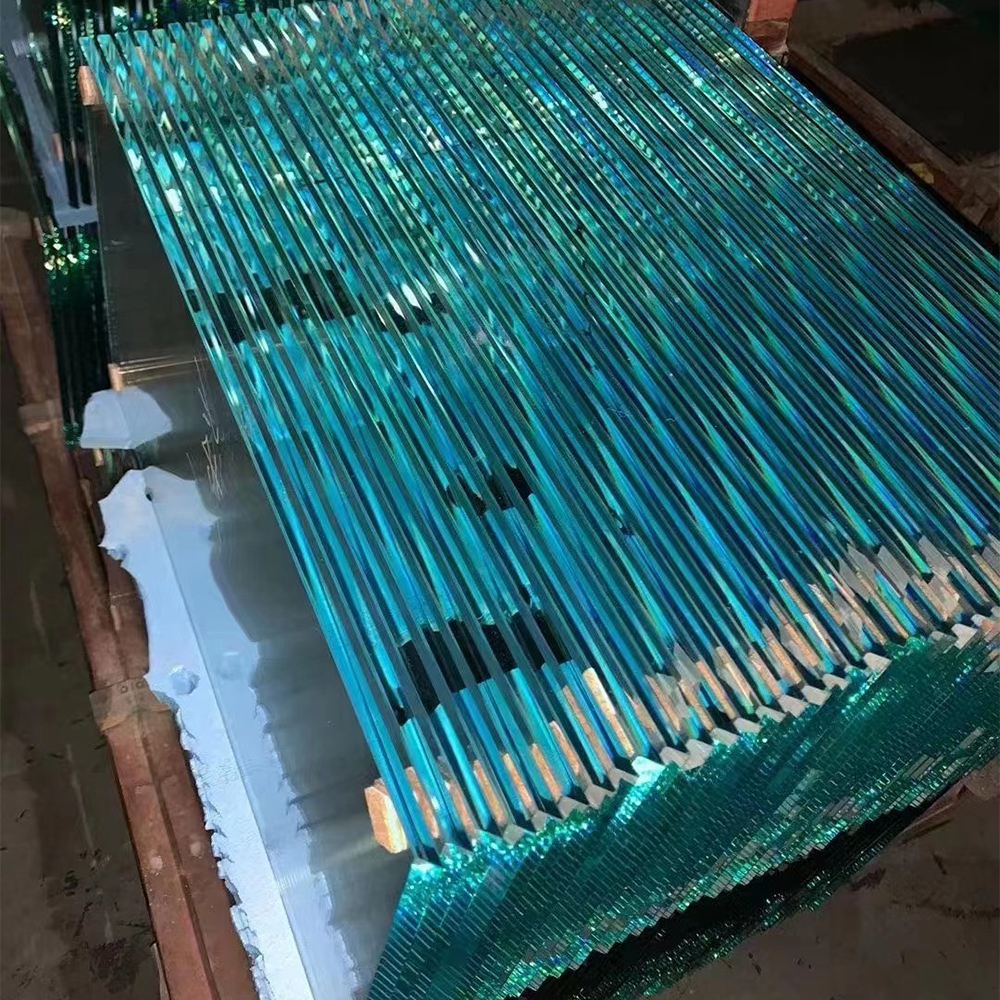
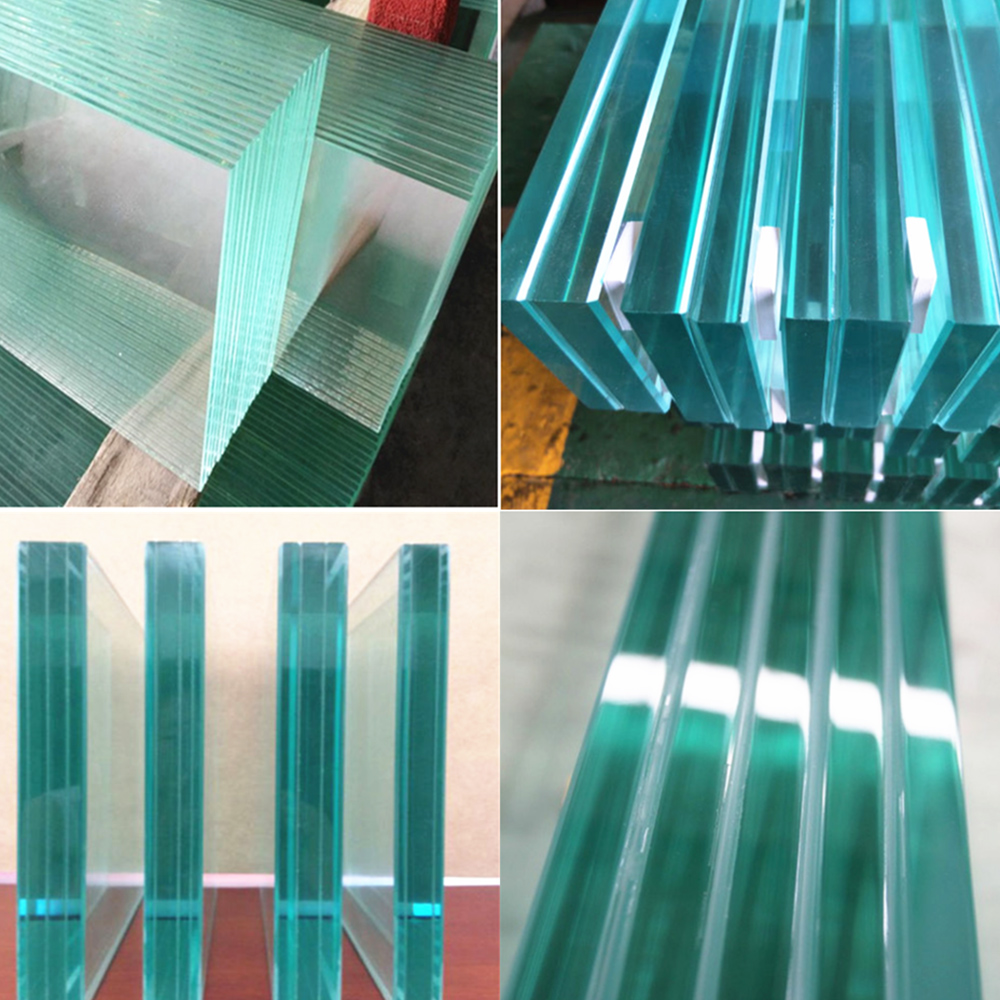
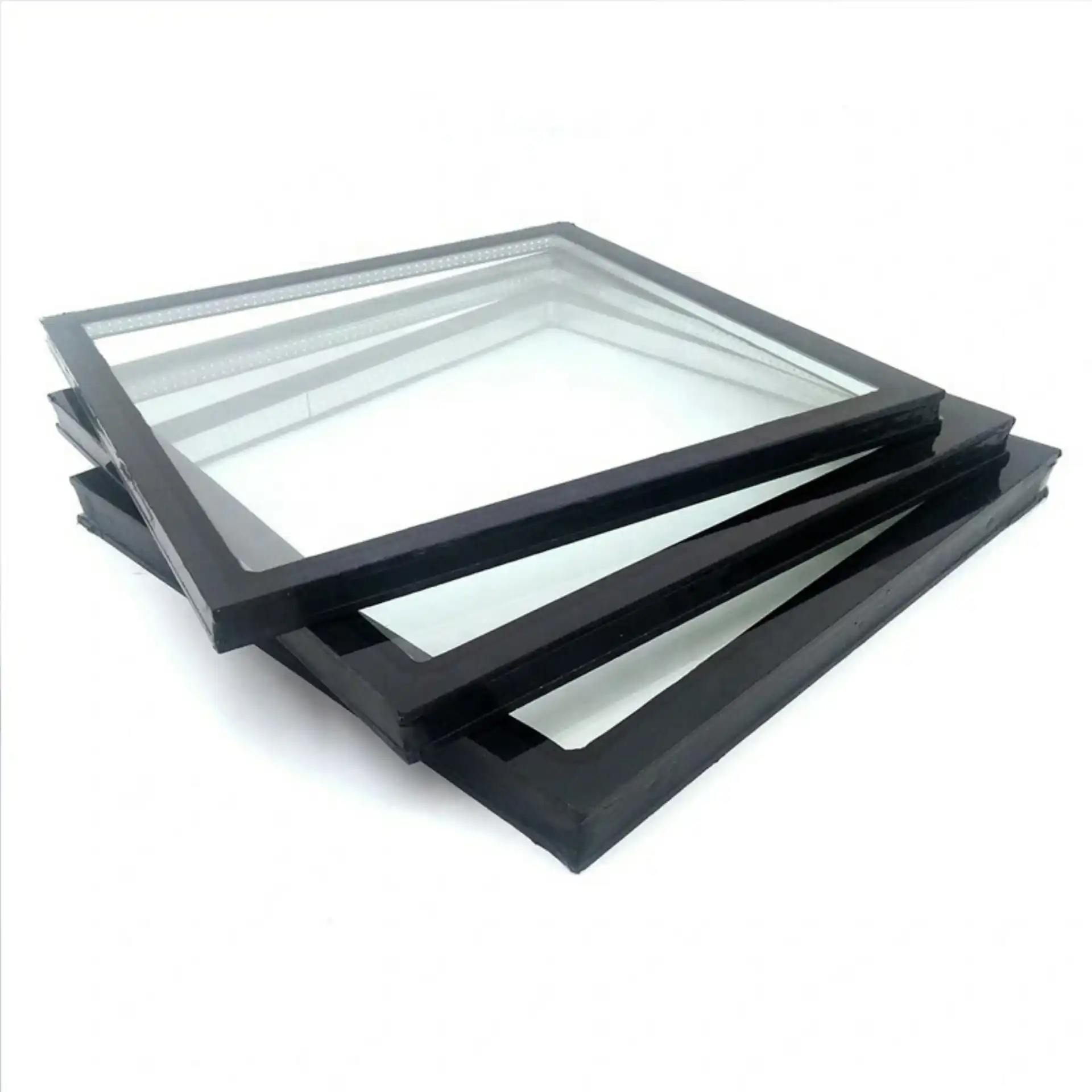
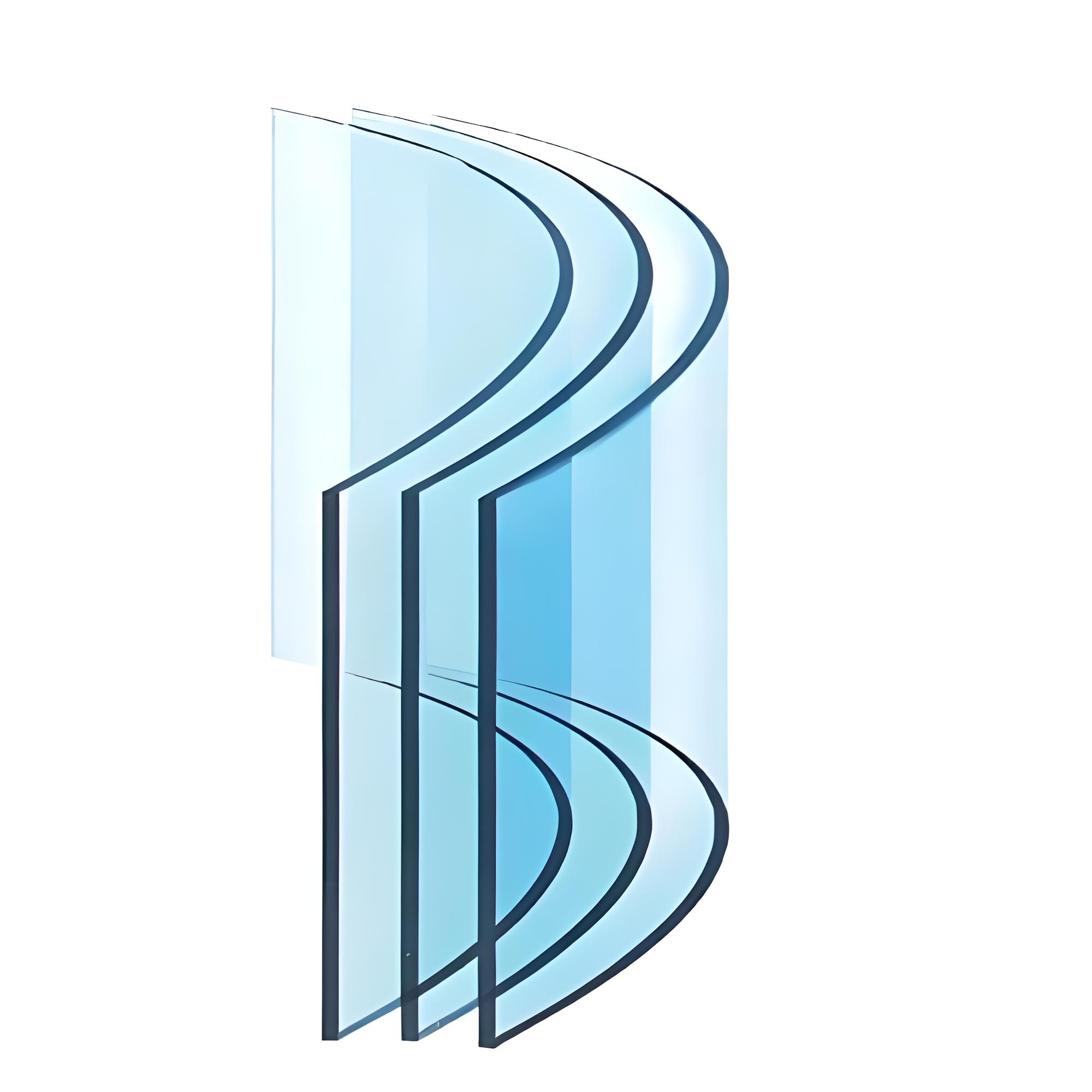
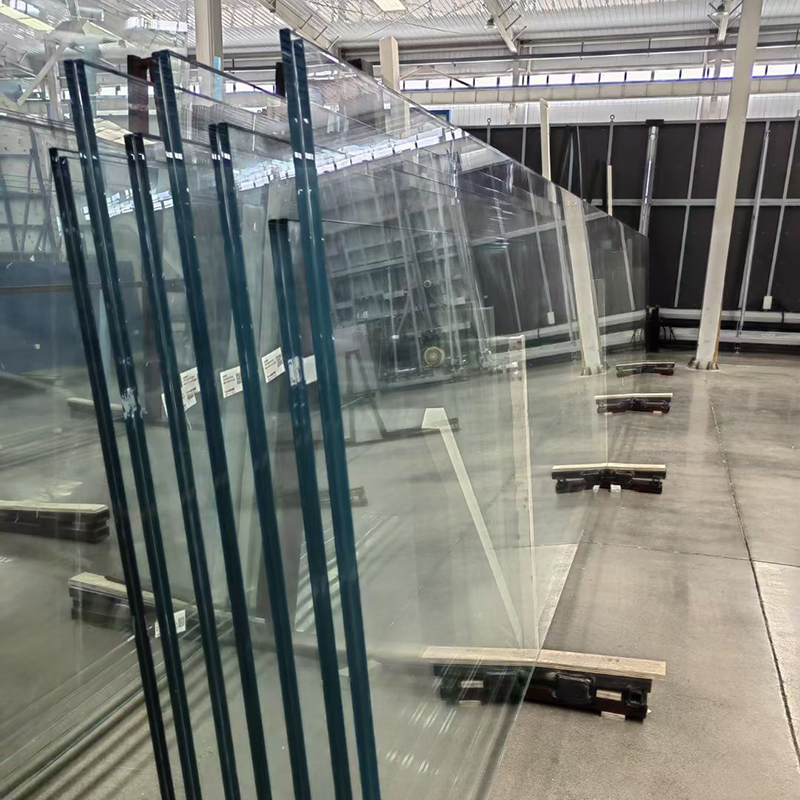
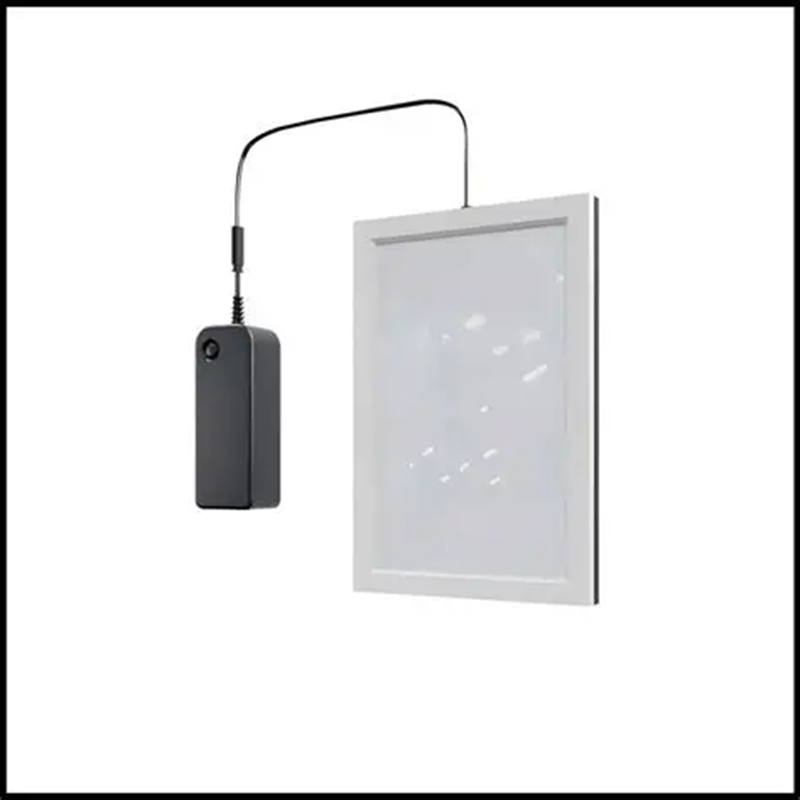
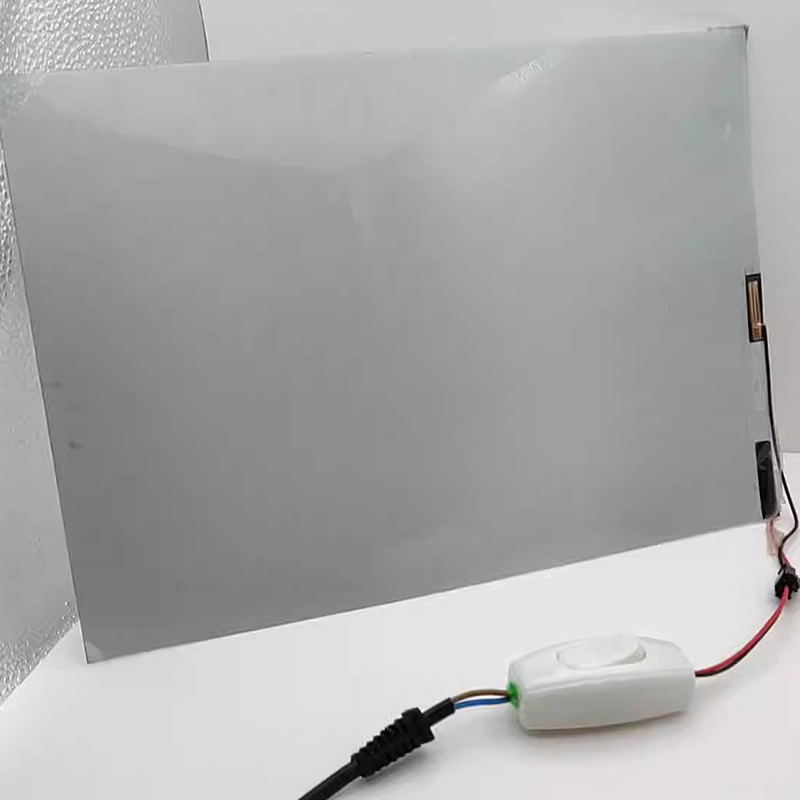
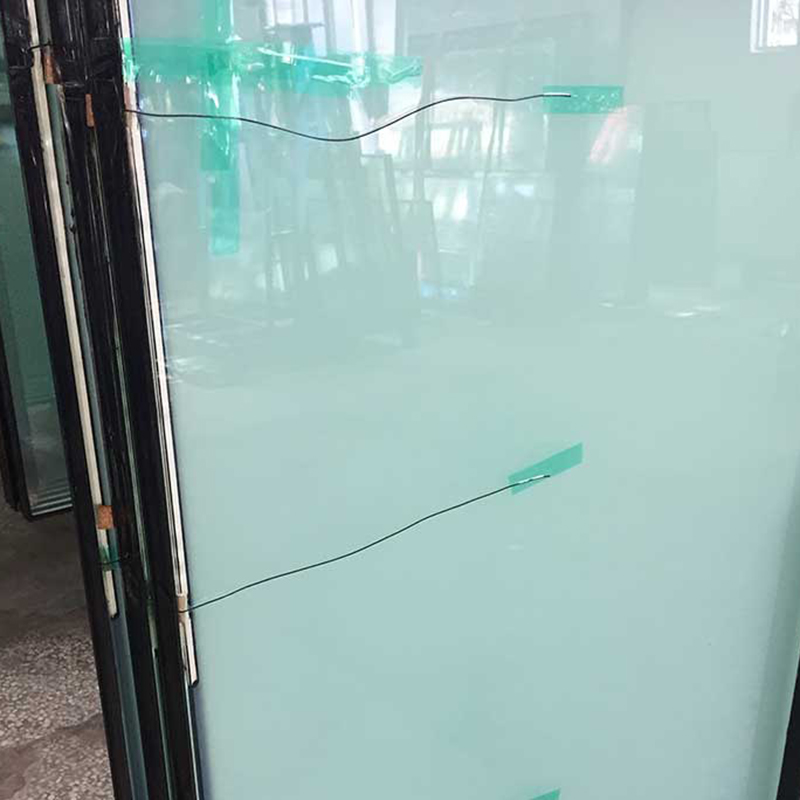
PDLC glass is a layered composite material designed for durability and functionality. Its central component is a thin PDLC film (10-25 micrometers thick), which consists of millions of tiny nematic liquid crystal microdroplets uniformly dispersed within a flexible, transparent polymer matrix. This special film is sandwiched between two transparent conductive layers made of Indium Tin Oxide (ITO), a material that acts as a soft electrode to transmit electric current evenly. The entire assembly is then laminated between two sheets of high-strength glass or protected by a durable outer film, creating a robust, shatter-resistant panel that meets safety standards for both residential and commercial use. No extra adhesive or bulky hardware is needed, keeping the glass slim and visually sleek.
Working Principle: The Science of Switchable Transparency
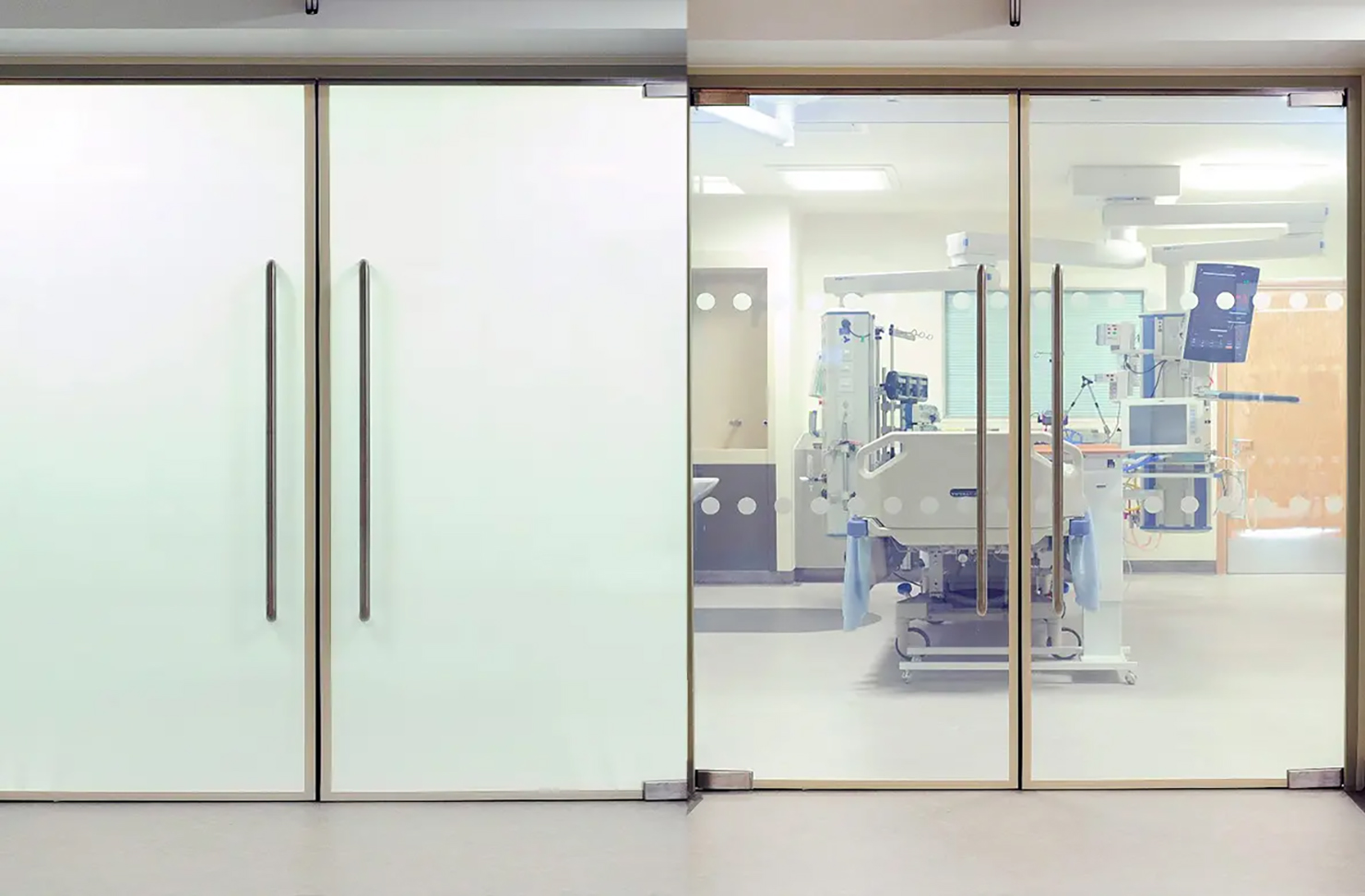
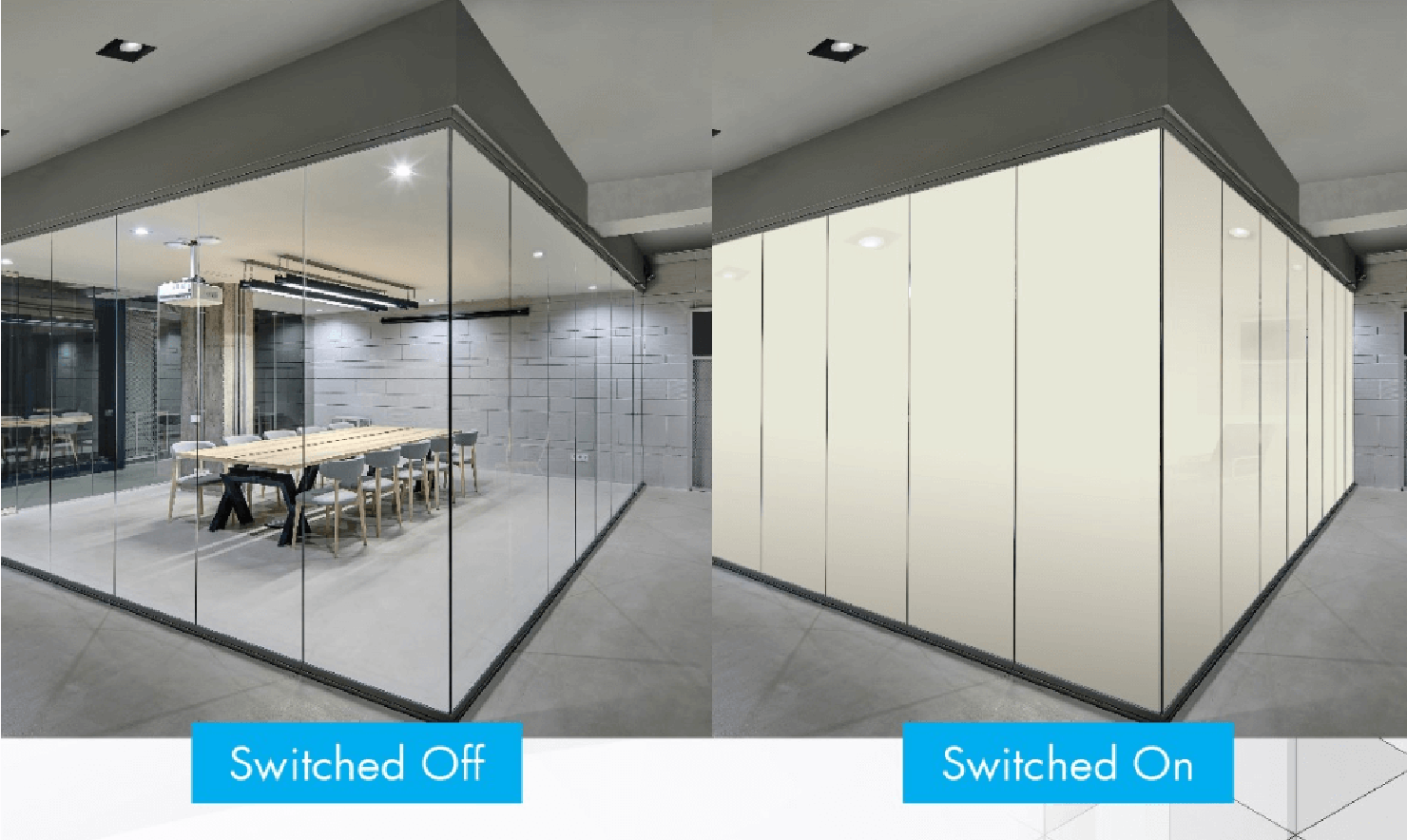
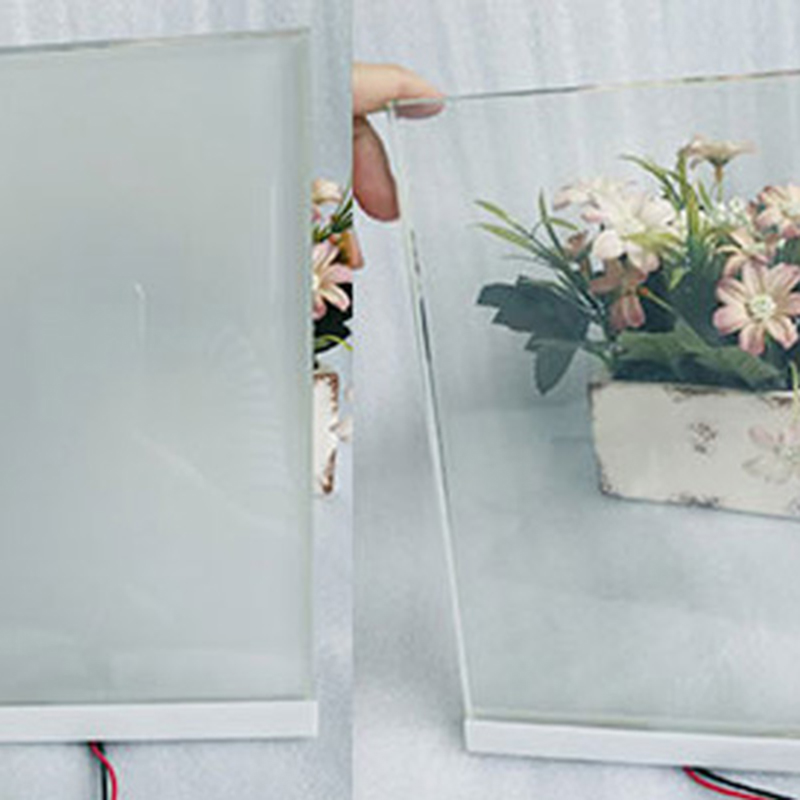
The magic of PDLC glass lies in the responsive behavior of liquid crystal molecules under electric fields, a phenomenon rooted in optical physics. In its default, power-off state, the liquid crystal droplets are randomly oriented and disordered. Since the refractive index of the liquid crystals differs greatly from the surrounding polymer, incoming light is scattered intensely as it passes through, making the glass appear milky white and opaque, effectively blocking clear visibility while still allowing soft natural light to filter through.
When a low-voltage alternating current is applied, a uniform electric field is generated across the ITO layers. This field forces all liquid crystal molecules to align parallel to the field direction, matching the refractive index of the polymer matrix perfectly. With light scattering eliminated, light passes through the glass unobstructed, and the panel turns completely clear and transparent. The switch happens in milliseconds, and users can control it via wall switches, remote controls or even smart home systems for automated operation.
Wide Applications in Modern Life
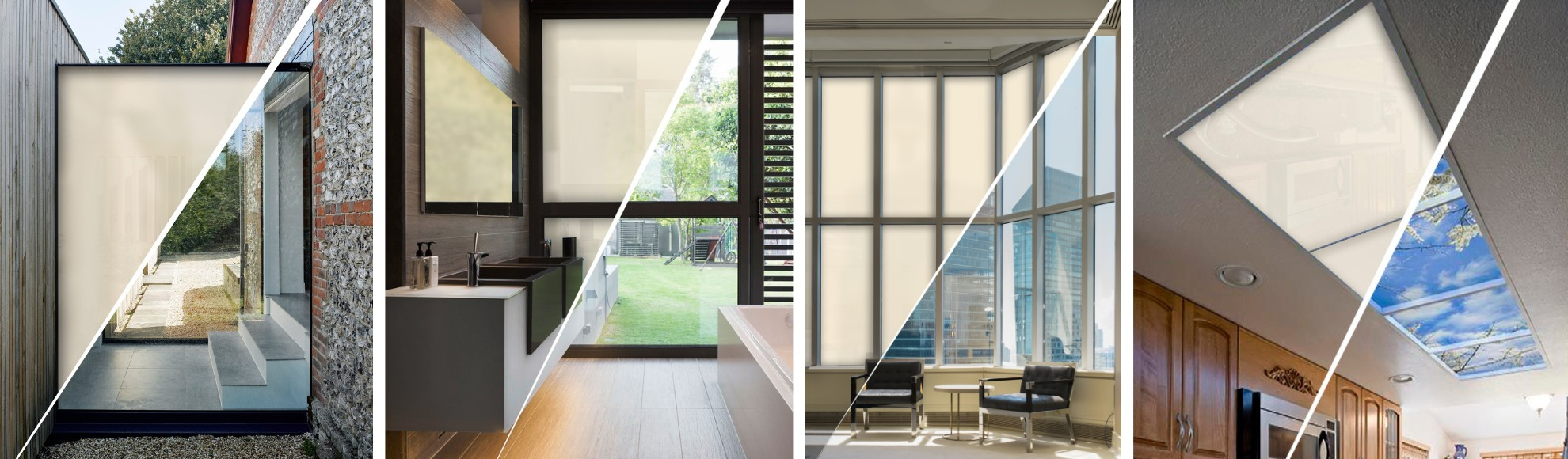
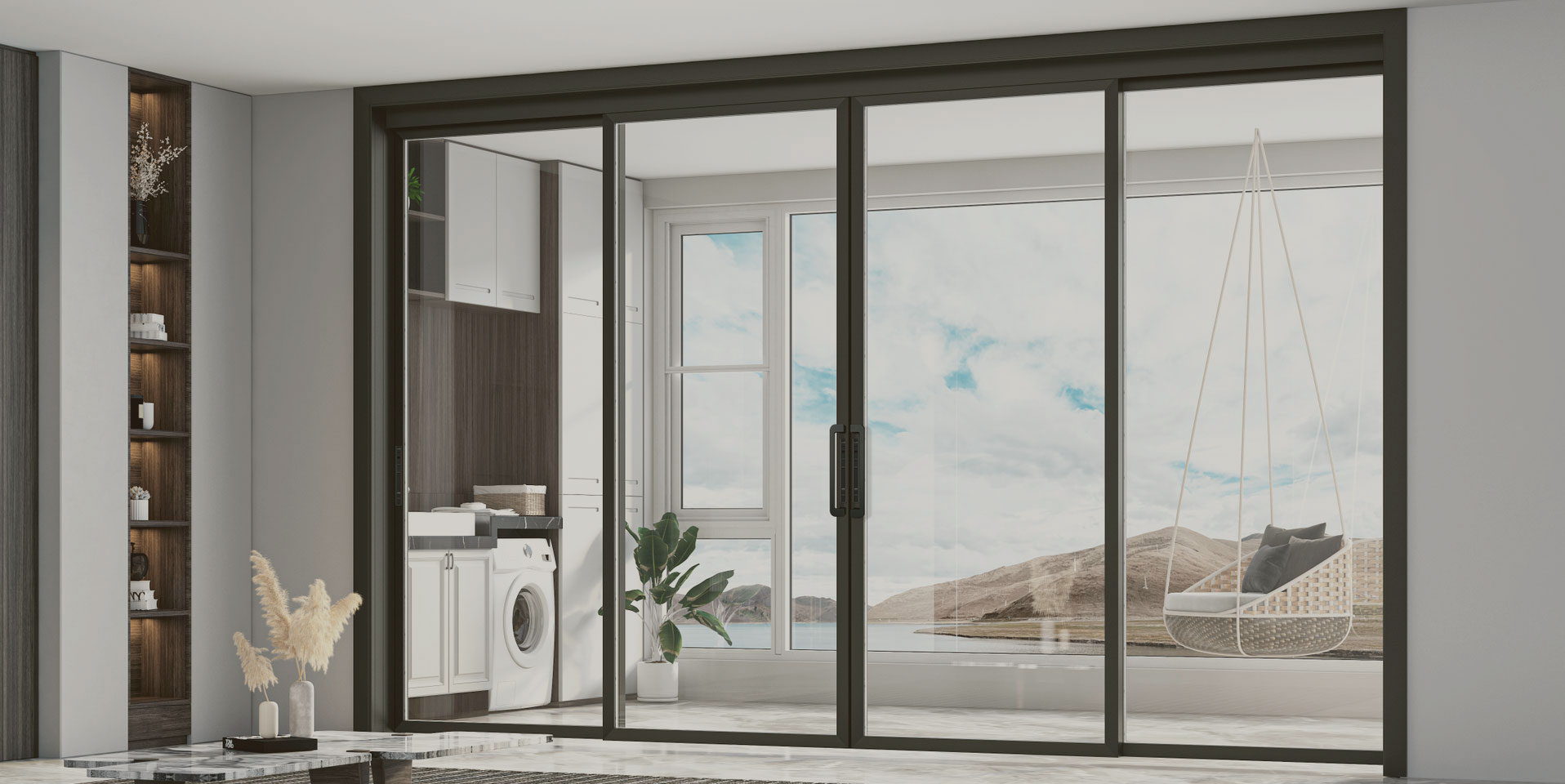
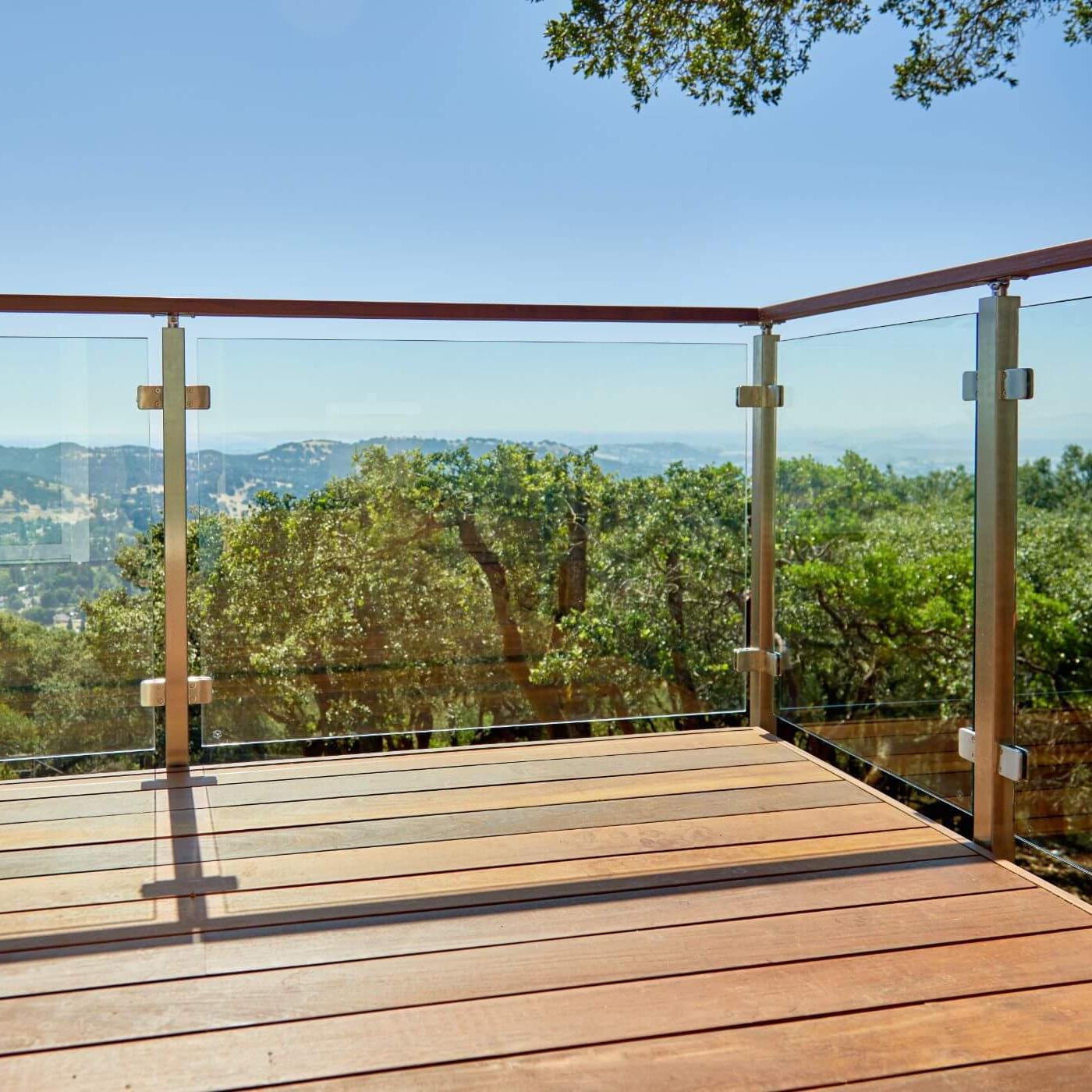
PDLC smart glass is highly versatile and used across countless sectors. In architecture and interior design, it is widely used for office partitions, conference room walls, bathroom windows and residential room dividers, allowing instant privacy adjustment without sacrificing natural light. In commercial spaces, it serves as dynamic storefronts, museum display cases and projection screens, doubling as opaque backdrops when powered off. It also improves energy efficiency by blocking excess sunlight and reducing reliance on artificial lighting and air conditioning.