



The Timeless Radiance of Crystal in Modern Architectural Decoration
In contemporary architectural design, the pursuit of integrating light, transparency and artistic aesthetics has spawned innovative decorative materials, among which crystal stands out as a premium and versatile element. Combined with professional glass craftsmanship, crystal redefines the visual presentation of building facades and interior spaces, bringing unique light and shadow charm that ordinary decorative materials cannot replicate.
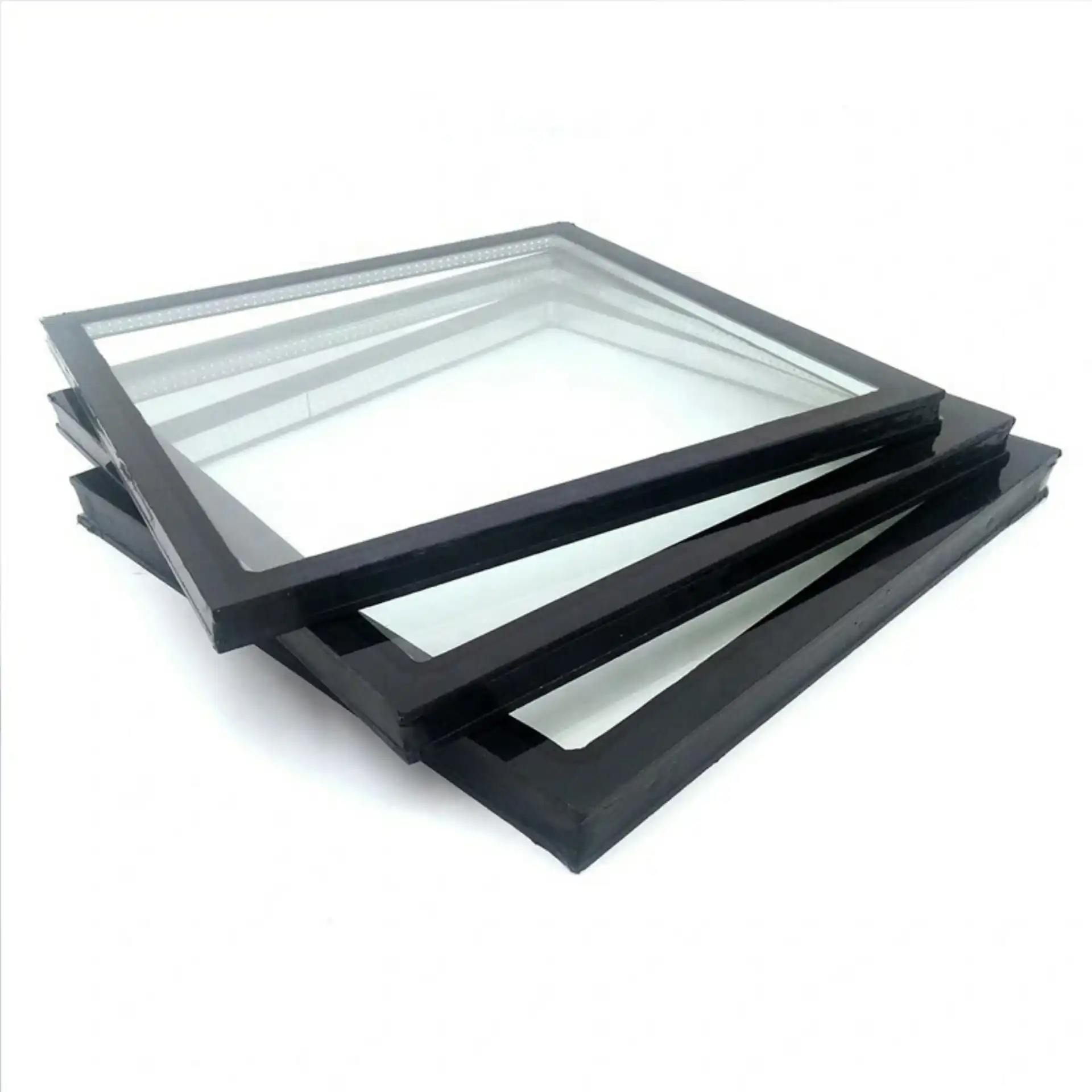
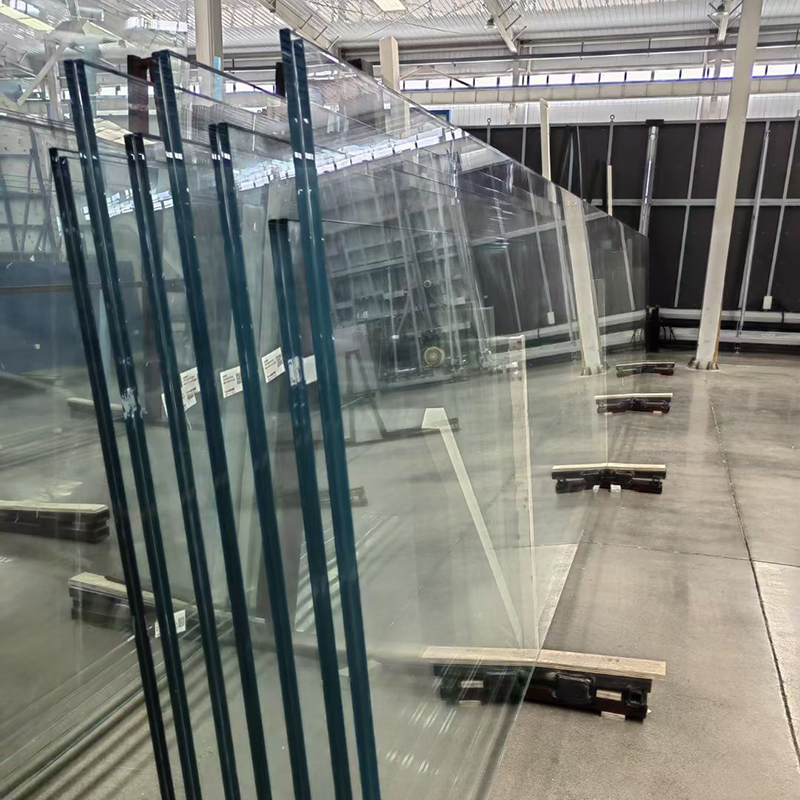
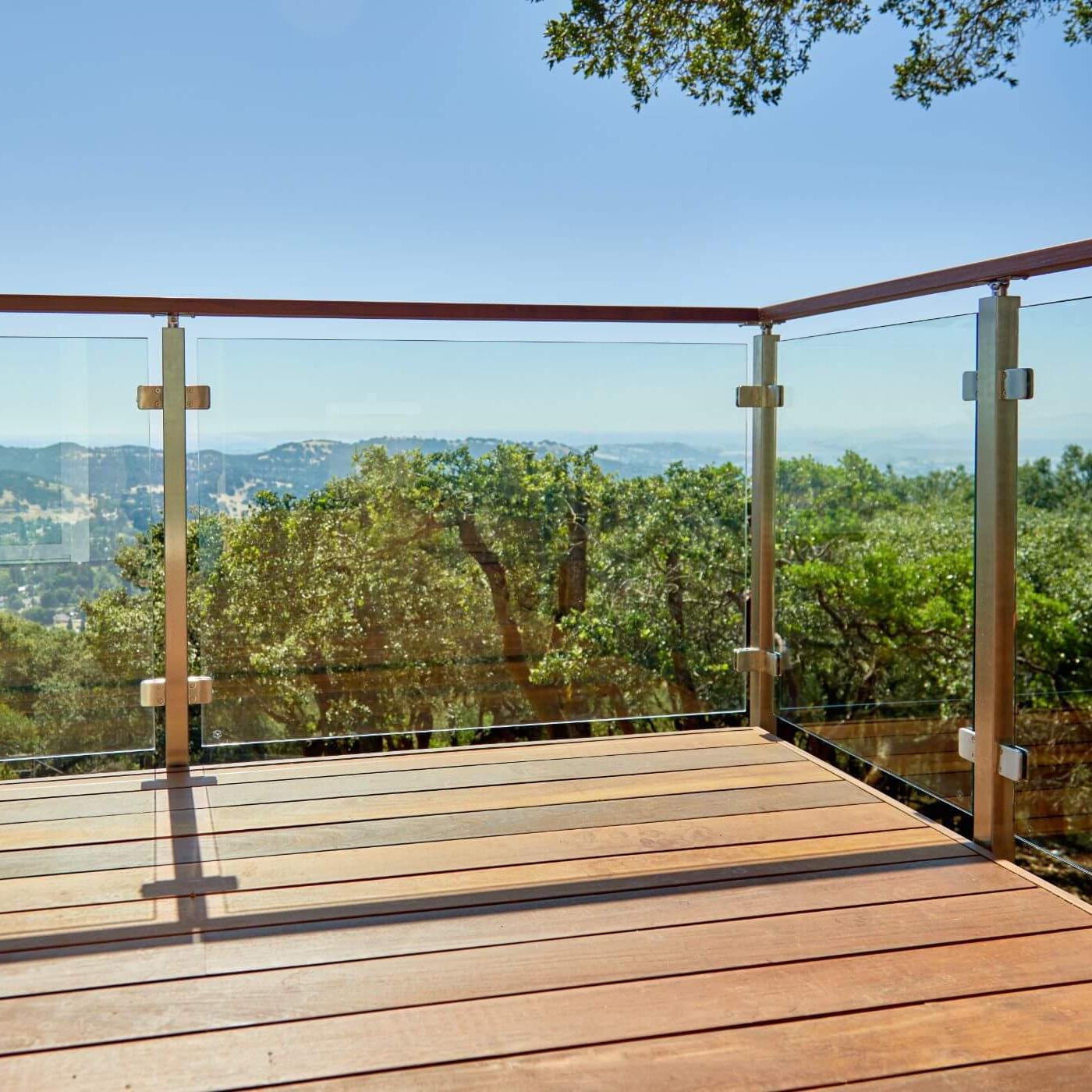
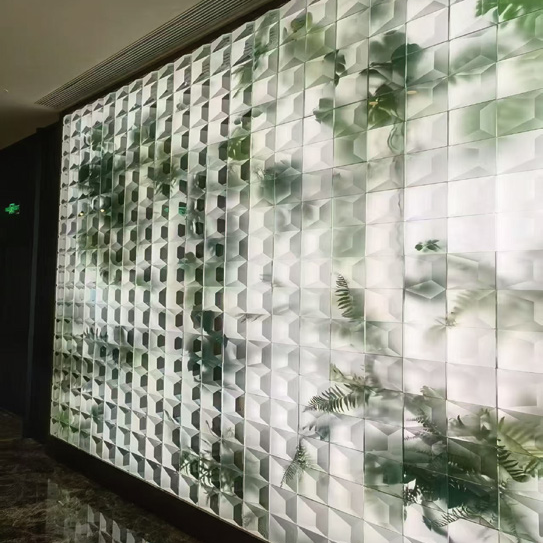
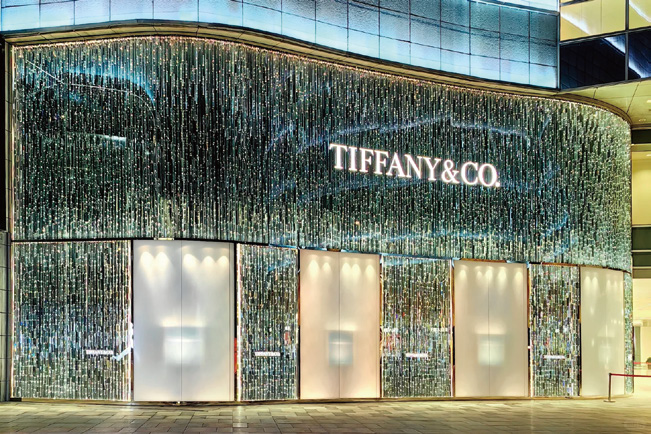
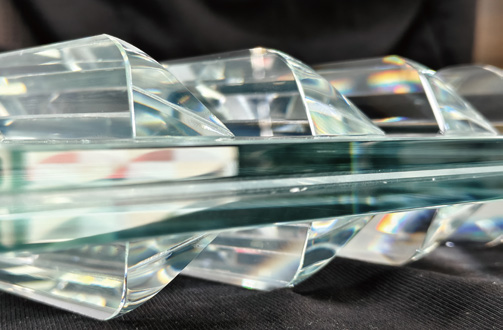
The core charm of crystal decoration lies in its exquisite combination with glass. Adopted with high-performance SGP interlayer bonding technology, crystal and glass are perfectly integrated without destroying the original texture of either material. This sophisticated bonding method fully retains the excellent transparency and architectural performance of glass. By attaching crystal components to glass building curtain walls in an invisible and transparent way, the whole structure maintains a light and minimalist visual effect. Instead of bulky and rigid decoration, it creates layered, flowing and vivid light and shadow effects as light penetrates the materials.
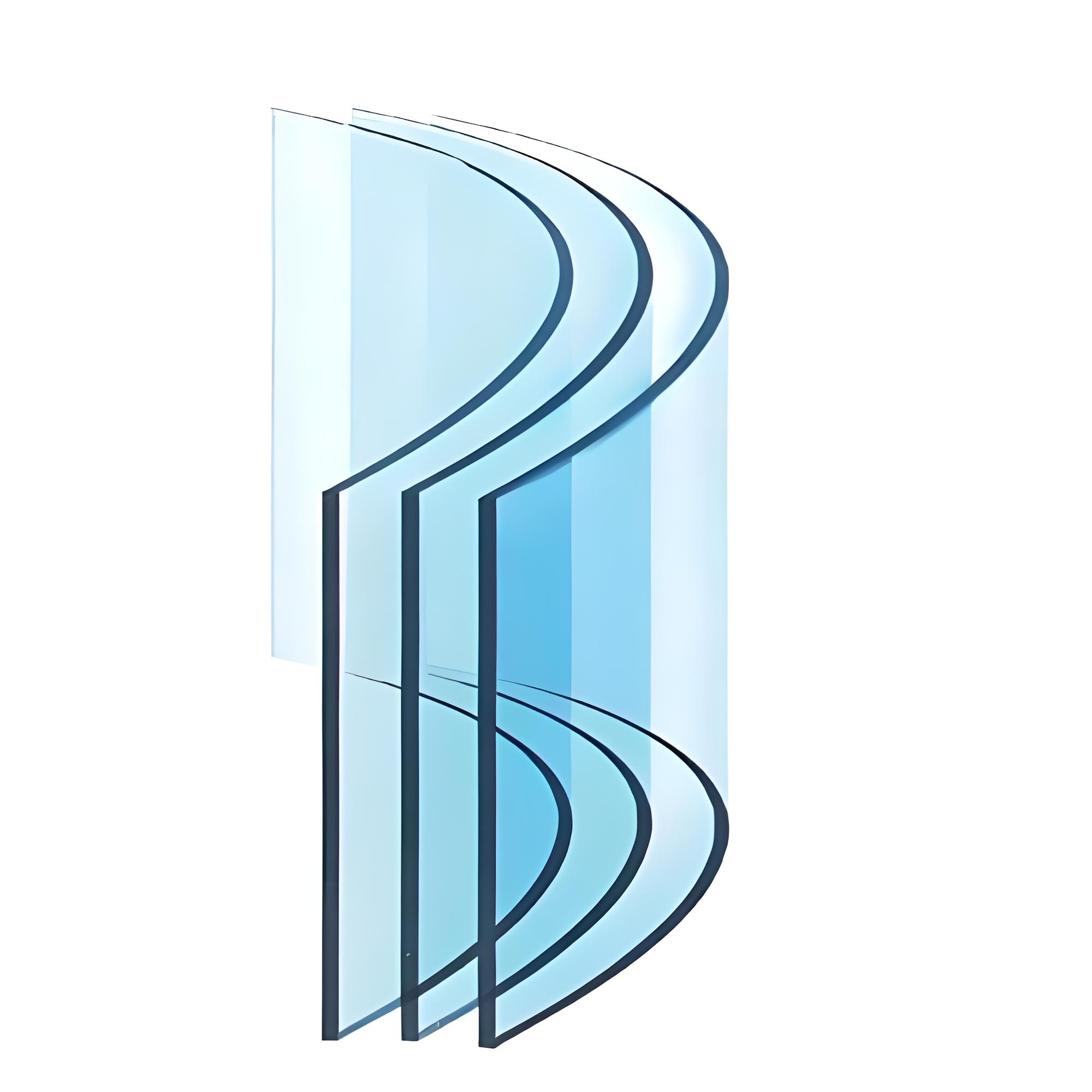
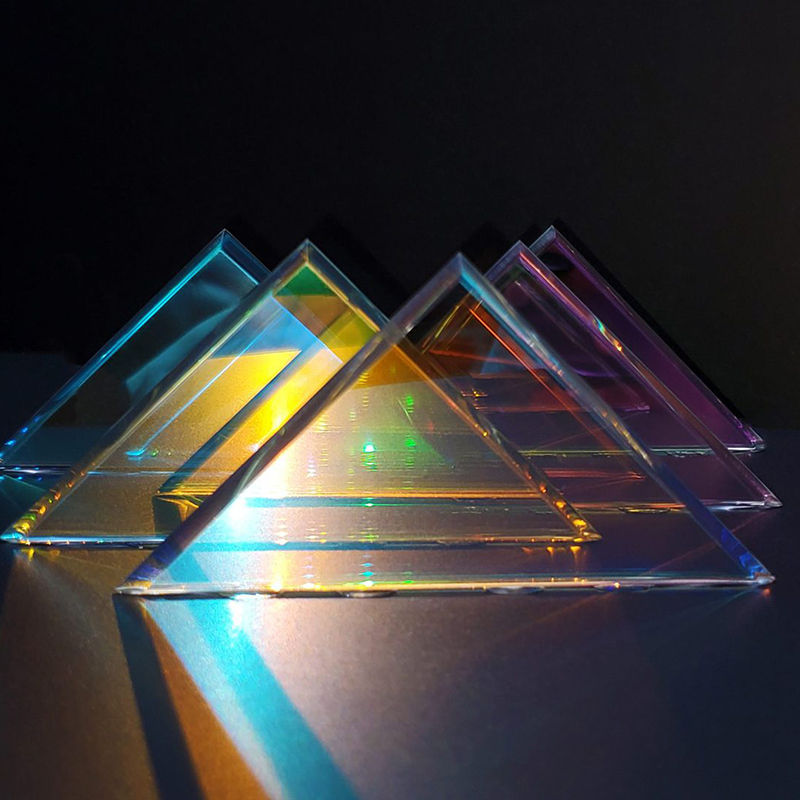
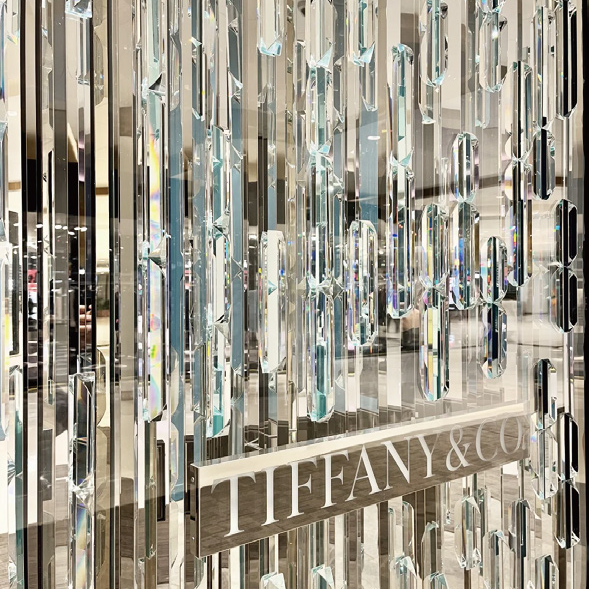
To further amplify the optical beauty of crystal, double-sided crystal clips are applied in the installation process. This delicate structural design greatly enhances the light refraction effect of crystal. When natural light or artificial light hits the crystal surface, it produces richer light refraction and reflection, making the building facade shimmer with dynamic luster all day long. Moreover, curved crystal glass breaks the limitation of flat materials. Its streamlined radian endows static architectural surfaces with vivid dynamic sense, presenting ever-changing visual effects from different viewing angles.
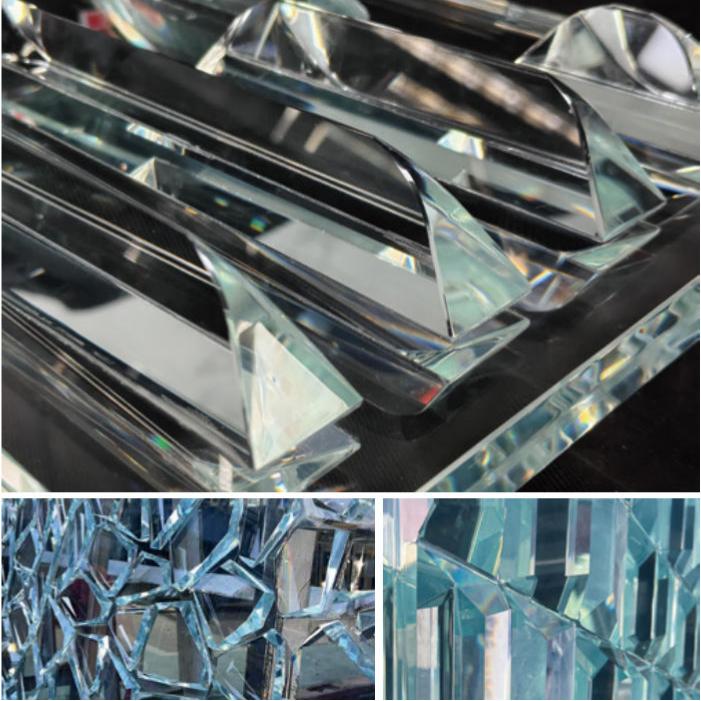
Diversified material specifications make crystal decoration highly adaptable and creative. A rich array of crystal shapes, including triangles, polygons, strips, rhombuses and rectangles, provides unlimited possibilities for design innovation. Designers can freely match and combine different crystal specifications according to architectural styles and aesthetic needs, creating customized decorative effects ranging from simple and elegant to gorgeous and layered.
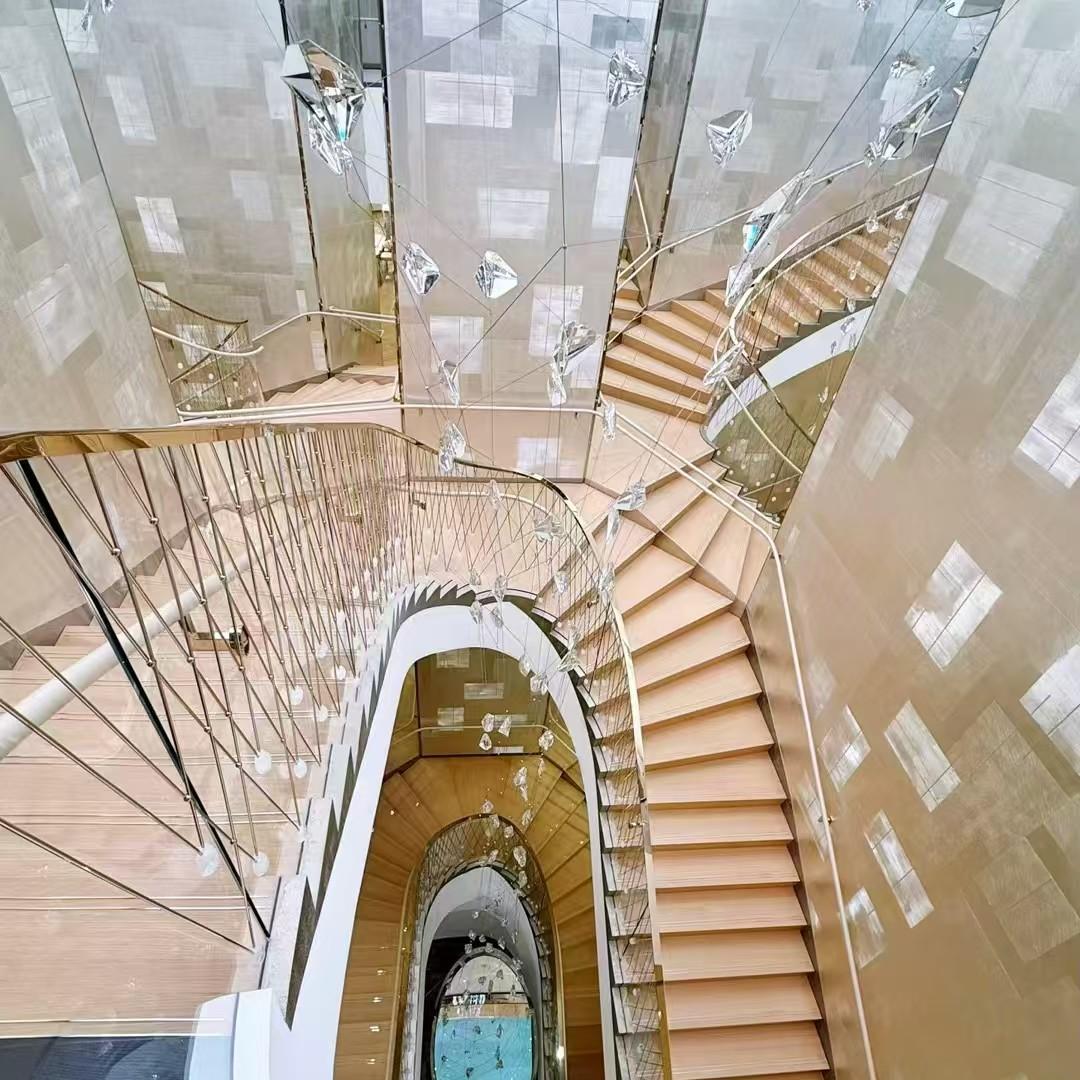
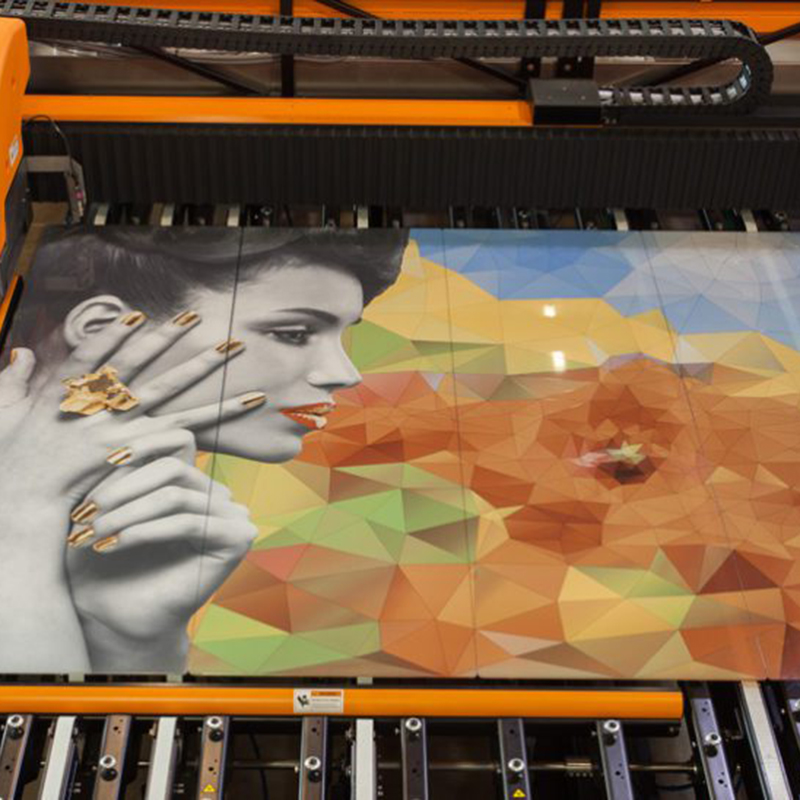
Beyond single material application, crystal decoration features strong inclusive and innovative attributes. It is not limited to pure crystal and glass collocation, but can realize in-depth integration with various transparent materials. This cross-material combination breaks the boundary of traditional glass curtain wall decoration, enriches the spatial hierarchy of buildings, and perfectly balances architectural practicality and artistic ornamental value. In modern architecture, crystal is no longer a simple decorative accessory, but a core medium that interprets light art and advances the aesthetic evolution of architectural design.