














Working Principle, Functions and Applications
Coating and Optical Principle
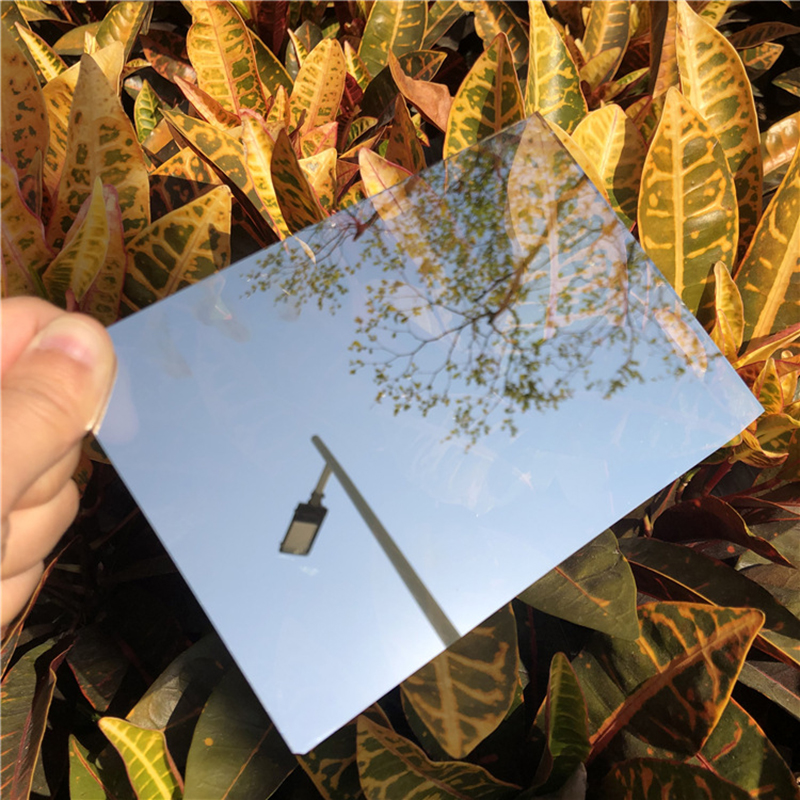
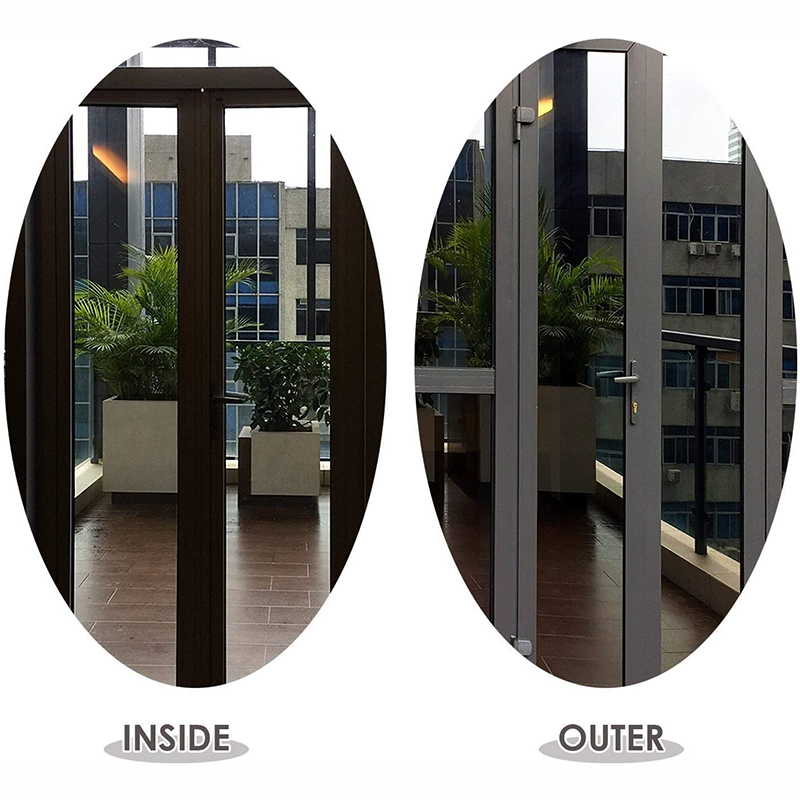
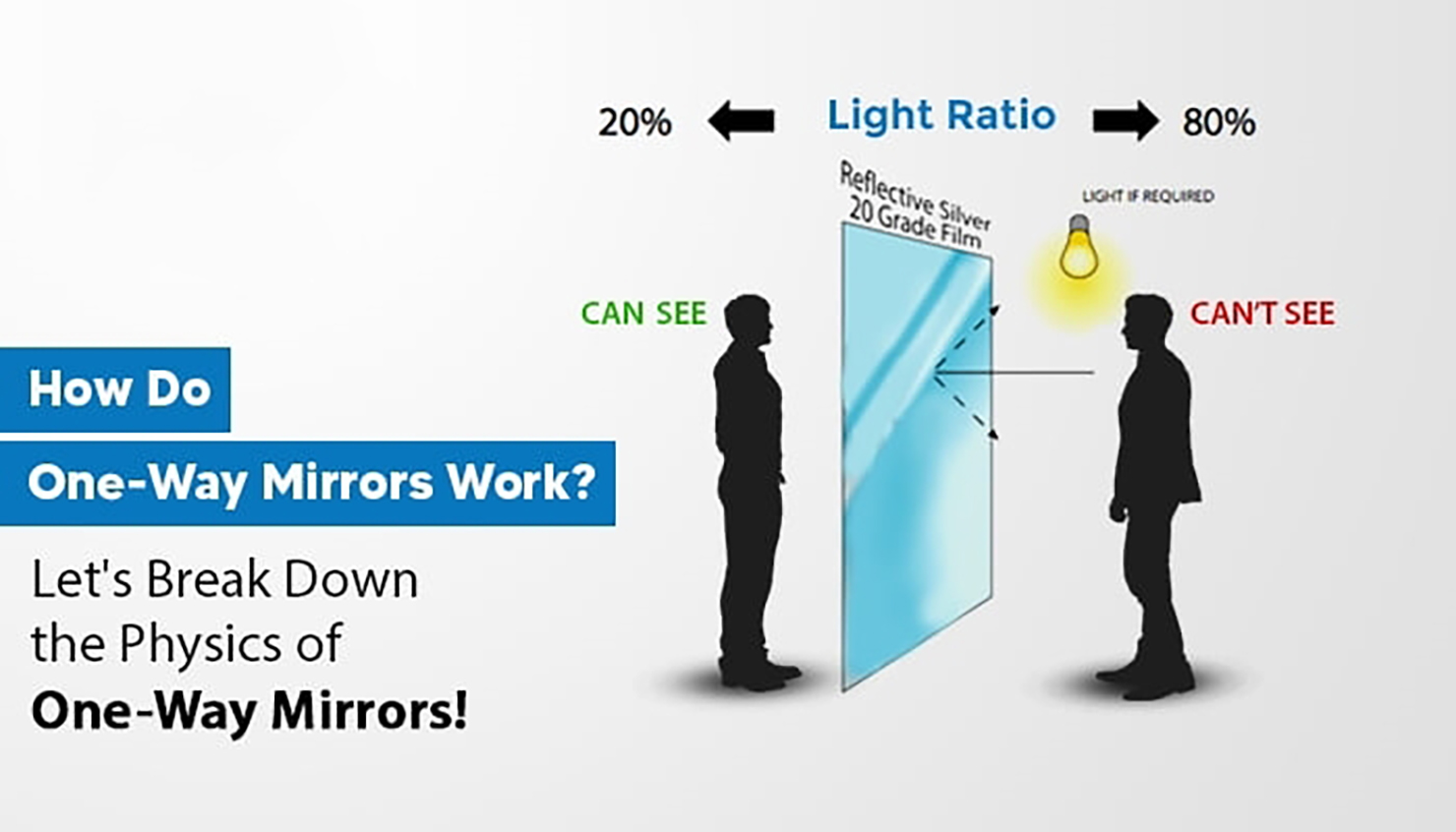
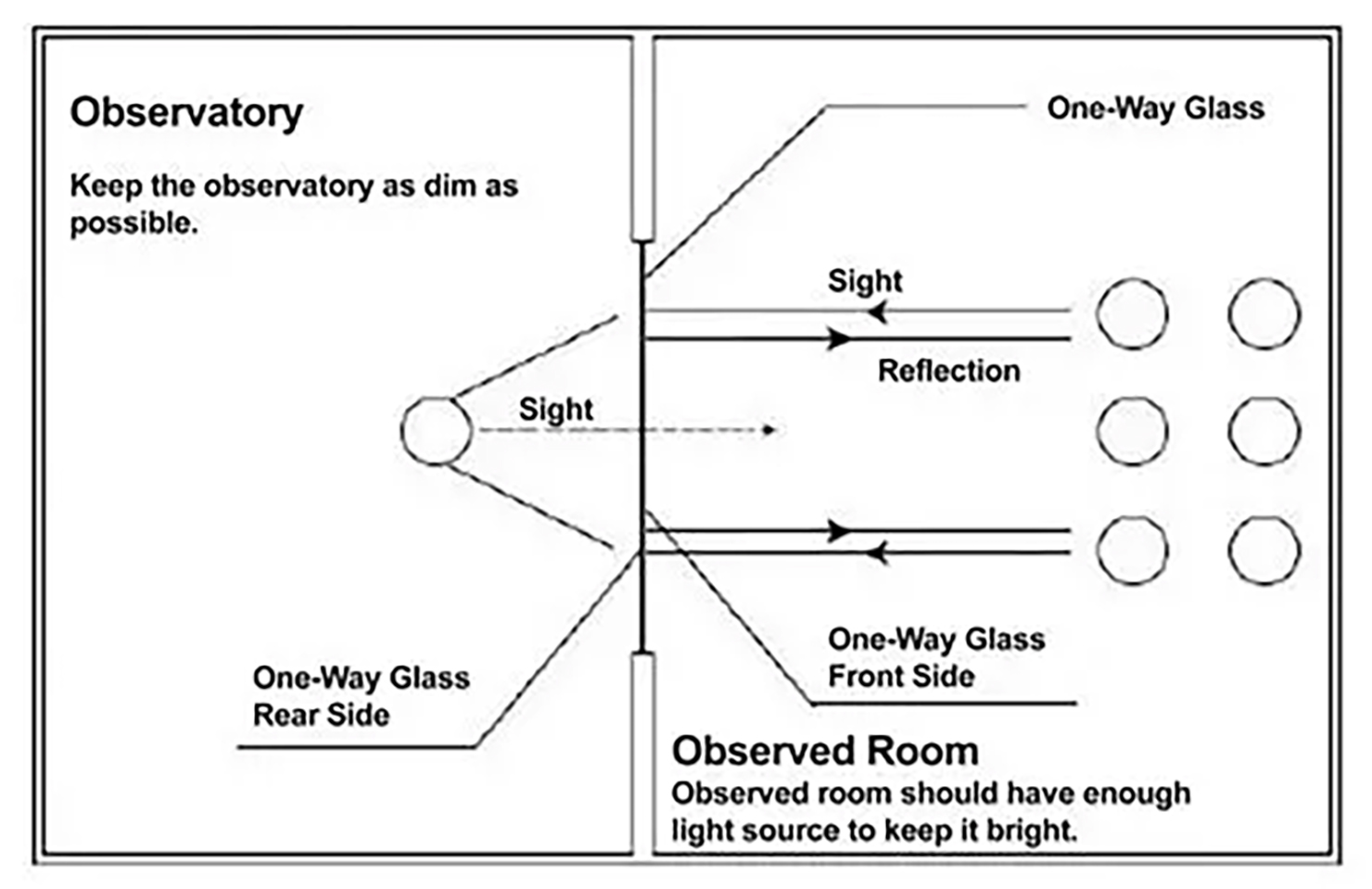
The core of a one-way mirror lies in its ultra-thin, partially reflective metallic coating, typically made from materials like aluminum, titanium or silver alloys. This coating is not solid or opaque; instead, it is a micro-layer applied to one side of a toughened glass panel, designed to reflect roughly 50% of incoming light and transmit the other 50% through the glass. Its one-way effect depends entirely on light intensity contrast between the two sides: the side with brighter light will appear reflective, acting like a standard mirror, while the darker side remains transparent, allowing clear viewing of the bright area. Without this light difference, the one-way effect disappears, and the glass acts as a semi-transparent panel with mild reflectivity.
Core Functions
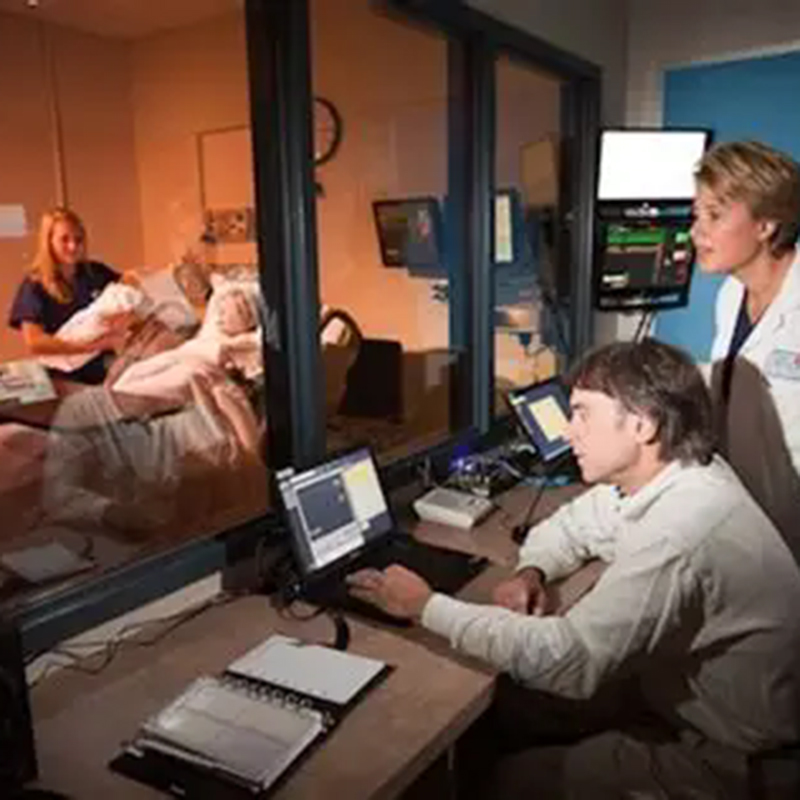
The primary functions of a one-way mirror are targeted privacy protection, unobtrusive surveillance and light control. It allows observers on the darker side to monitor the brighter space without being seen, eliminating the need for visible cameras or barriers that could disrupt normal activity. Additionally, it blocks harsh external glare and UV rays to a certain extent, protecting indoor interiors from sun damage while maintaining a degree of natural light transmission. It also serves as a space-efficient privacy solution, avoiding the bulk of curtains or blinds and preserving a clean, modern aesthetic in both residential and commercial spaces.
Common Applications
One-way mirrors have wide-ranging practical applications across professional and daily scenarios. In law enforcement and security, they are widely used in police interrogation rooms and witness observation rooms, enabling investigators to monitor interviews discreetly. In psychology and market research, they are installed in observation labs for studying human behavior without interference. For commercial use, they appear in retail security booths, office conference rooms and high-end residential spaces, offering privacy without blocking light. They are also used in broadcast studios, allowing staff to monitor performers from a dark control room without disrupting on-camera activity, making them a versatile and irreplaceable optical product.
In short, the one-way mirror’s unique optical design and practical functions make it a staple in privacy and surveillance fields, blending scientific innovation with real-world usability seamlessly.